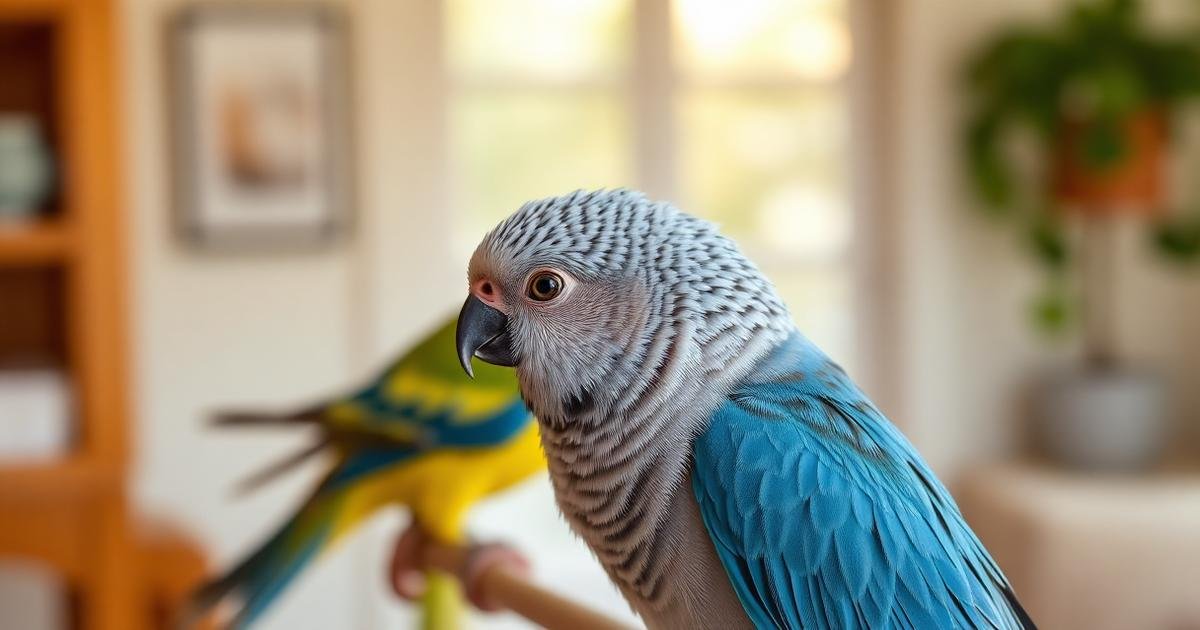
Choosing the best pet birds for beginners means finding a species that is hardy, social, and manageable in size and noise level. The best beginner birds are budgies, cockatiels, and finches — each offers a unique balance of personality and care requirements that fit first time bird owners.
Best pet birds for beginners: The best pet birds for beginners are budgies (parakeets), cockatiels, and finches. Budgies are the most popular choice — they're affordable, easy to train, and bond well with owners. Cockatiels are slightly larger and more affectionate, while finches are low-maintenance and perfect for owners who pr
Quick Answer: What are the best pet birds for beginners?
The best pet birds for beginners are budgies (parakeets), cockatiels, and finches. Budgies are the most popular choice — they're affordable, easy to train, and bond well with owners. Cockatiels are slightly larger and more affectionate, while finches are low maintenance and perfect for owners who prefer observation over handling.
For a complete guide on this topic, see the Pet Bird Care Guide.
What makes a bird best pet birds for beginners for beginners?
Not every bird species is suited for a first time owner. The best pet birds for beginners share several key traits: they are hardy, relatively quiet, and have predictable temperaments. Birds like parrots require extensive socialization and can live 50+ years — that's not beginner territory.
A good beginner bird should also be forgiving of minor mistakes. You will make errors with diet, handling, or cage setup. Hardy species like budgies and cockatiels bounce back quickly from small slip-ups, while more sensitive birds like African greys can develop behavioral issues from inconsistent care.
Size matters too. Smaller birds are easier to house, feed, and clean up after. A budgie needs a cage around 18x18x24 inches, while a cockatoo needs a walk in aviary. Stick with birds under 100 grams for your first experience.
Pro Tip: Visit a local bird rescue or breeder before buying. Handle 3-4 different species to feel their size, grip strength, and energy level. Many pet stores allow supervised handling sessions — take advantage of this.
Budgies: The gold standard for first time bird owners
Budgies (also called parakeets) are the most popular pet bird worldwide, and for good reason. They're inexpensive, easy to care for, and can learn to speak up to 100 words. A well socialized budgie becomes a playful, affectionate companion within 2-4 weeks of consistent handling.
These birds thrive on daily interaction. Plan for at least 1-2 hours of out-of cage time every day. Budgies are social flock animals — if you work long hours, consider getting a pair. Two budgies will keep each other company, though they may bond more with each other than with you.
Diet is straightforward: high quality pellet food (70-80% of diet), fresh vegetables daily, and seed as a treat only. Avoid all seed diets — they lead to obesity and fatty liver disease. A good starter cage for a single budgie is at least 18x18x24 inches with bar spacing no wider than 1/2 inch.
What budgies need for a happy life
Budgies require mental stimulation. Rotate toys weekly — mirrors, bells, and shreddable toys are favorites. Without enrichment, budgies develop feather plucking and screaming behaviors within 4-6 weeks.
Temperature matters. Keep your budgie's cage away from drafts, direct sunlight, and air conditioning vents. Ideal room temperature is 65-75°F. They're sensitive to sudden temperature changes.
Cockatiels: The affectionate beginner bird
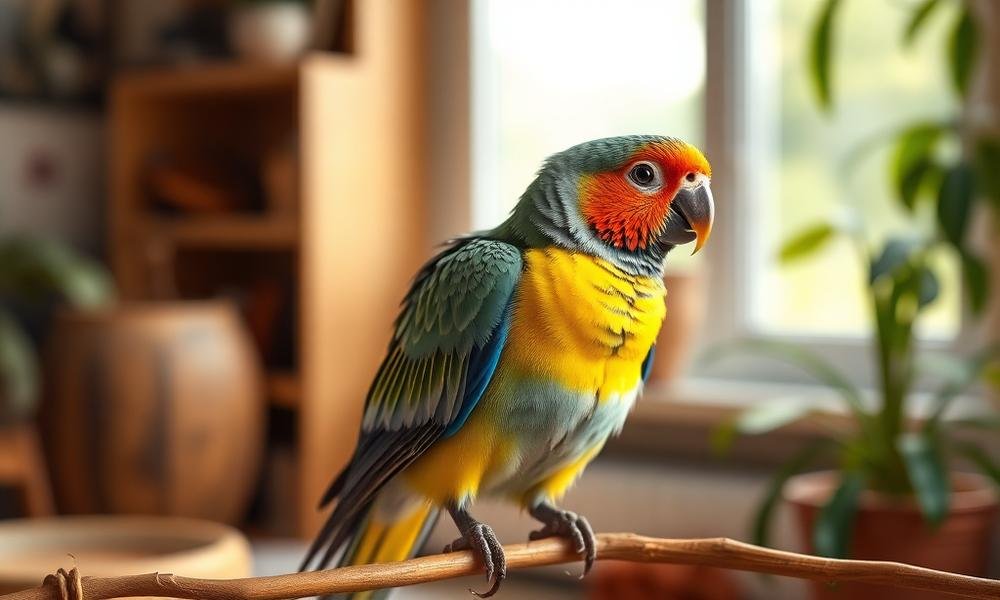
Cockatiels are slightly larger than budgies (75-100 grams) and known for their gentle, affectionate nature. They're less nippy than budgies and more tolerant of handling. Many cockatiels enjoy head scratches and will whistle tunes they learn from their owners.
These birds need a cage at least 20x20x24 inches with bar spacing of 5/8 inch. Cockatiels are active climbers — provide multiple perches of varying diameters (1/2 to 3/4 inch) to prevent foot problems. They live 15-20 years with proper care, so this is a longer term commitment than a budgie.
Noise level is moderate. Cockatiels whistle and chirp but rarely scream like larger parrots. They're quieter than conures or lovebirds, making them ideal for apartment living. Expect morning and evening vocalization sessions lasting 10-15 minutes each.
Pro Tip: Cockatiels are prone to obesity. Weigh your bird weekly using a kitchen scale. A healthy adult cockatiel should weigh 80-100 grams. Any rapid weight change warrants a vet visit within 48 hours.
Common cockatiel health concerns for beginners
According to the
Feather plucking is the most common behavioral issue in cockatiels. It usually stems from boredom or stress. Provide 10-12 hours of uninterrupted sleep in a dark, quiet room. Cover the cage at night to simulate a natural sleep cycle.
Finches: Low maintenance birds for hands off owners
Finches are the best pet birds for beginners who want to watch birds rather than handle them. They're small (10-20 grams), quiet, and require minimal daily interaction. A pair of zebra finches or society finches can thrive with just feeding, cleaning, and visual observation.
These birds are not hand-tame. They're flighty and stress easily from handling. If you want a bird that sits on your finger, choose a budgie or cockatiel instead. Finches are ideal for apartments, families with young children, or owners with limited time.
Housing is simple: a flight cage at least 30 inches wide allows them to fly horizontally. Finches need horizontal space more than vertical height. Bar spacing should be 1/4 to 3/8 inch to prevent escape. Keep finches in pairs or small groups — they're highly social and can die from loneliness.
Feeding and setup for finches
Finches eat a specialized finch seed mix supplemented with fresh greens (spinach, kale) and egg food during breeding. They need constant access to clean water for drinking and bathing. A shallow dish of water 1/2 inch deep allows them to bathe daily.
These birds are sensitive to stress. Place their cage in a quiet corner away from high traffic areas. Sudden movements or loud noises can cause them to fly into cage walls, resulting in injury. Cover three sides of the cage to create a sense of security.
Pro Tip: Never house finches with budgies or cockatiels. Larger birds can bully or injure finches. Even in a large aviary, finches need their own species only space. Mixing species is a common beginner mistake that leads to injury or death.
What to look for when choosing a beginner bird
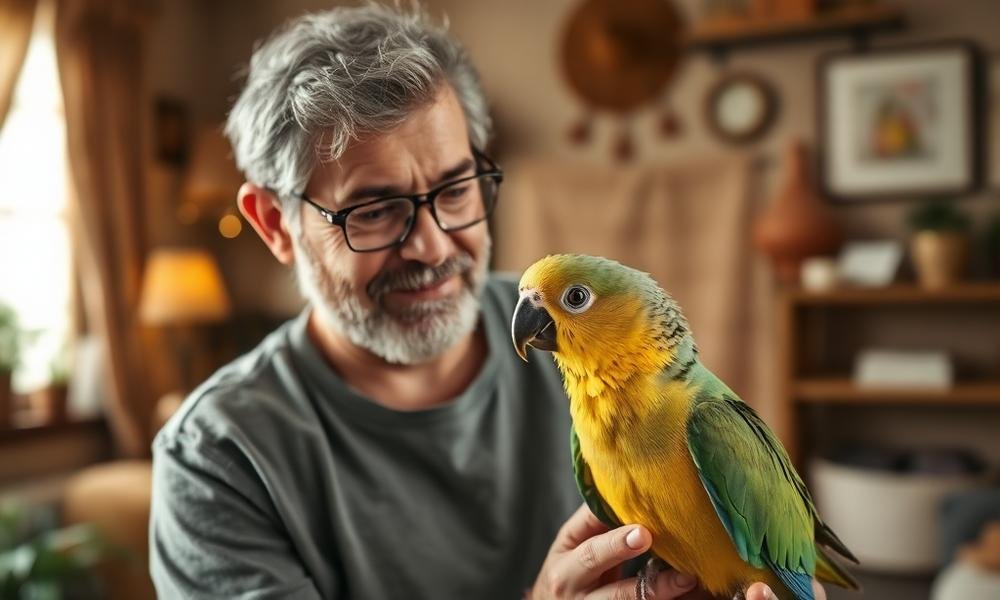
Before buying any bird, evaluate your lifestyle honestly. The best pet birds for beginners match your available time, space, and noise tolerance. A budgie needs 1-2 hours of interaction daily. A finch needs 15 minutes. A cockatiel needs 2-3 hours.
Budget matters too. Initial setup (cage, toys, food, vet visit) costs $200-500 for a budgie or finch, and $300-700 for a cockatiel. Annual ongoing costs run $200-400 for food, toys, and vet care. Birds require annual wellness exams with an avian veterinarian — that's non-negotiable.
Check the bird's health before purchase. Look for bright eyes, smooth feathers, clean vent area, and active behavior. A bird sitting puffed up on the cage floor with closed eyes is likely sick. Walk away from any bird showing these signs, regardless of how cheap it is.
Cage and setup checklist for beginners
Your cage should be the largest you can afford and fit in your space. Minimum sizes: budgie (18x18x24 inches), cockatiel (20x20x24 inches), finches (30x18x18 inches). Bar spacing must match the bird's size — too wide and they escape or get stuck.
Perches should be natural wood branches (not sandpaper perches, which cause foot sores). Provide at least 3 perches at different heights and diameters. Place food and water bowls away from perches to prevent contamination. Line the cage with paper for easy cleaning.
Toys are essential. Rotate 3-5 toys weekly to prevent boredom. Shreddable toys (paper, cardboard, palm leaves) are safest. Avoid toys with small parts that could be swallowed or metal clips that could trap toes.
Ready to welcome your first feathered friend? Browse our curated selection of bird cages, toys, and supplies designed for beginners.
Browse Bird Care Options →
Which beginner bird is right for you?
Use this comparison to match your lifestyle to the best pet birds for beginners:
| Your Situation | Best Bird Choice | Why |
|---|---|---|
| You want a bird that interacts and talks | Budgie | Best talker among small birds, trainable, affordable |
| You want a cuddly, affectionate bird | Cockatiel | Gentle, enjoys head scratches, whistles tunes |
| You have limited time (under 30 min/day) | Finch (pair) | Low interaction needs, self-entertaining, quiet |
| You live in an apartment | Cockatiel or finch | Moderate to low noise levels, smaller cages |
| You have children under 8 | Budgie or cockatiel | Tolerate gentle handling, less likely to bite hard |
| You want the lowest cost option | Budgie | $20-40 for the bird, $200-300 for full setup |
Pro Tip: If you're unsure, start with a budgie. They're the most forgiving beginner bird. You can always upgrade to a cockatiel or larger bird once you've learned the basics of bird care over 6-12 months.
Common mistakes beginners make with pet birds
The most common mistake is buying an all seed diet. According to the
Another major mistake is insufficient cage size. Many beginner cages sold as "starter kits" are too small. A budgie needs 18x18x24 inches minimum — anything smaller is a prison, not a home. Your bird will develop behavioral problems from confinement within 4-8 weeks.
Neglecting vet care is dangerous. Birds hide illness until they're critically sick. Take your new bird to an avian vet within the first week for a wellness exam. Annual checkups catch problems early. Emergency vet visits for birds cost $200-500, so prevention is cheaper.
Finally, many beginners underestimate noise. Even "quiet" birds vocalize. Budgies chirp throughout the day. Cockatiels whistle loudly in the morning. Finches make soft peeping sounds. If complete silence is important, a bird may not be the right pet.
For broader reference and guidance, akc.org provides useful context on pet health and care decisions.
For broader reference and guidance, petmd.com provides useful context on pet health and care decisions.
Frequently Asked Questions
What is the easiest pet bird to take care of?
The easiest pet bird to care for is the zebra finch. They require minimal handling, eat simple seed mixes, and thrive in pairs. Daily care takes about 15 minutes for feeding and cleaning. They're ideal for owners who want a low commitment pet.
Do beginner birds need to be hand-tamed?
No, not all beginner birds need to be hand-tamed. Finches are perfectly happy without handling. Budgies and cockatiels are easier to tame if you get them young (8-12 weeks old) and handle them daily for 15-20 minutes. Hand taming takes 2-4 weeks of consistent effort.
Can beginner birds learn to talk?
Budgies are the best talkers among beginner birds, with some learning 50-100 words. Cockatiels can whistle tunes but rarely speak clearly. Finches cannot talk at all. Male budgies learn faster than females. Start training at 3-4 months old for best results.
What size cage do I need for a beginner bird?
For a single budgie, minimum 18x18x24 inches. For a cockatiel, 20x20x24 inches. For a pair of finches, 30x18x18 inches. Bigger is always better. The cage should allow your bird to fully extend its wings without touching the sides.
How long do beginner pet birds live?
Budgies live 7-12 years with proper care. Cockatiels live 15-20 years. Finches live 5-10 years. This is a significant commitment — especially for cockatiels. Make sure you're ready for a pet that may outlast your current living situation.
What should I feed a beginner bird?
Feed a high quality pelleted diet as the base (70-80% of intake). Supplement with fresh vegetables like spinach, carrots, and broccoli daily. Offer fruit (apple, berries) 2-3 times per week. Seeds should be a treat only — no more than research suggests 10% of the diet. Provide fresh water daily.