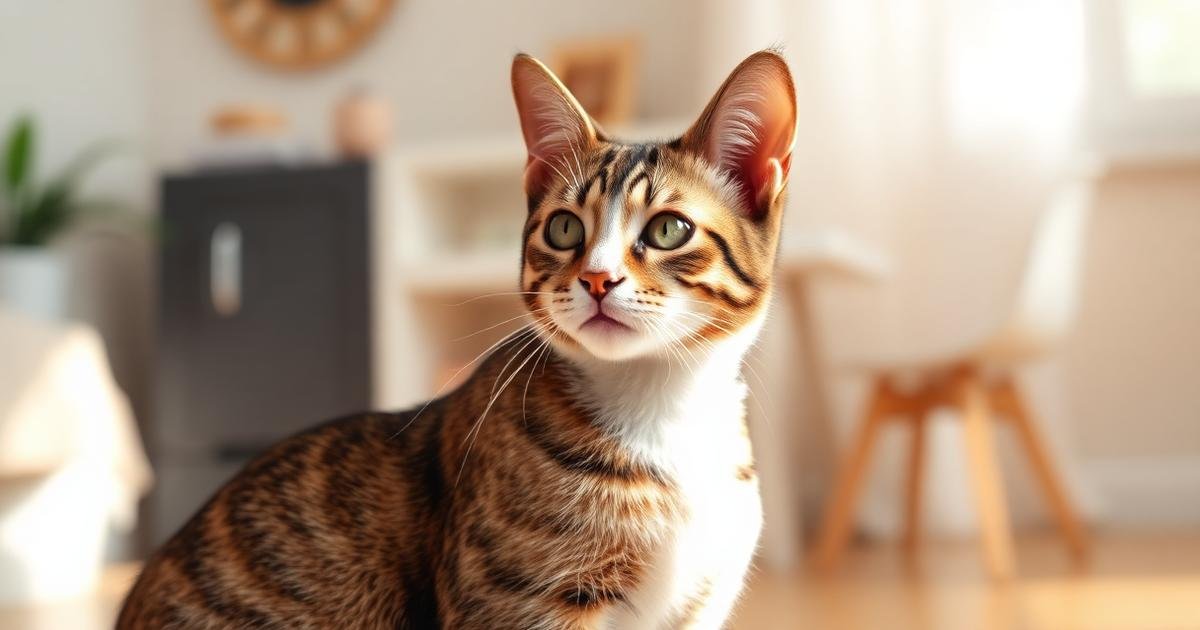
Understanding is one of the most reliable ways to decode your feline's emotional state. A cat's ears can swivel independently, rotate nearly 180 degrees, and shift into multiple distinct positions that signal everything from relaxation to aggression. By learning these 8 primary ear positions, you can accurately interpret your cat's mood within seconds and respond appropriately. This skill reduces behavioral issues and strengthens your bond with your cat over time.
Cat ear position meaning: Cat ear positions directly indicate your cat's emotional state. Forward-facing ears mean relaxed or curious. Rotated sideways (airplane ears) signal anxiety or irritation. Flattened ears pinned against the head mean fear or aggression. One ear forward, one back shows conflicted feelings. Twitching e
Quick Answer: What Do Different Cat Ear Positions Mean?
Cat ear positions directly indicate your cat's emotional state. Forward facing ears mean relaxed or curious. Rotated sideways (airplane ears) signal anxiety or irritation. Flattened ears pinned against the head mean fear or aggression. One ear forward, one back shows conflicted feelings. Twitching ears indicate mild irritation or focus. Learn these 5 key positions to read your cat's mood instantly and respond appropriately to prevent stress or aggression.
For a complete guide on this topic, see the Cat Behavior Guide.
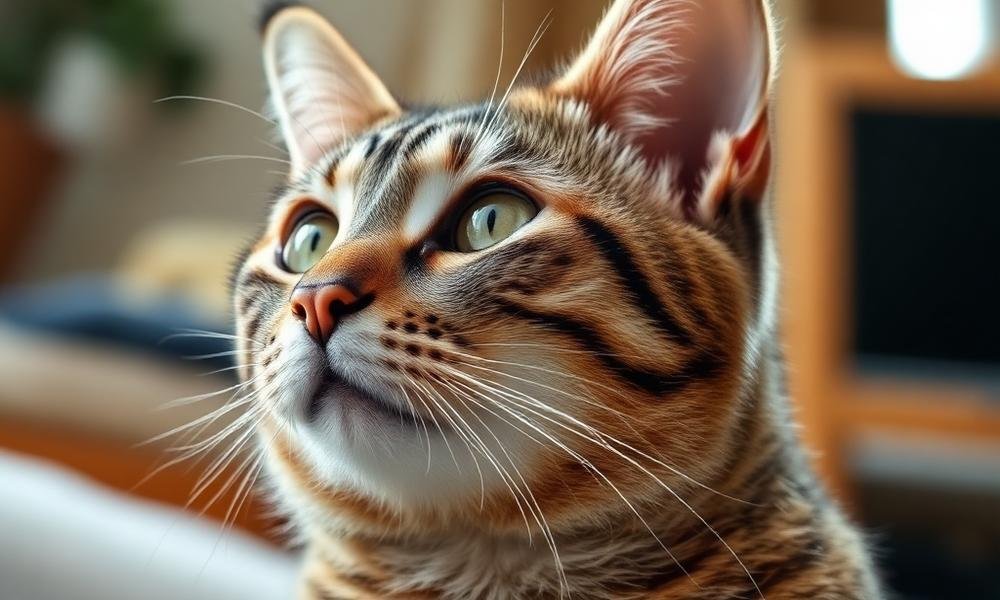
What Does It Mean When a Cat's Ears Are Forward and Upright?
When your cat holds both ears forward and upright, this is the most positive ear position. It signals that your cat is relaxed, content, and open to interaction. You'll commonly see this position when your cat is resting comfortably or greeting you at the door.
Forward ears also indicate focused attention on something interesting. Your cat might hold this position while watching a bird outside the window or sniffing a new toy. The ears are slightly swiveled toward the point of interest, with the openings facing forward to capture sound.
This cat ear position meaning is consistent across most domestic breeds. However, breeds with folded ears like Scottish Folds cannot fully display this position, so you'll need to rely on other body language cues like tail position and eye dilation.
Pro Tip: If your cat's ears are forward while the tail is held high with a slight curve at the tip, your cat is in an ideal mood for play or petting. Approach slowly and let your cat initiate contact first.
What Do Airplane Ears Mean in Cats?
"Airplane ears" refers to ears held sideways, rotated outward so they resemble airplane wings. This cat ear position meaning is one of the most important to recognize because it signals uncertainty, anxiety, or mild irritation. Your cat is trying to assess a situation and may be preparing to flee or defend itself.
Common triggers for airplane ears include loud noises, unfamiliar visitors, or the presence of another animal. You'll often see this position during veterinary visits or when introducing a new pet. The ears rotate outward to better detect sounds from multiple directions while the cat evaluates potential threats.
If you observe airplane ears, give your cat space. Do not force interaction, as this position often precedes hissing or swatting. Provide an escape route and allow your cat to approach you when it feels safe. Within 5-10 minutes of removing the stressor, most cats will return to a neutral ear position.
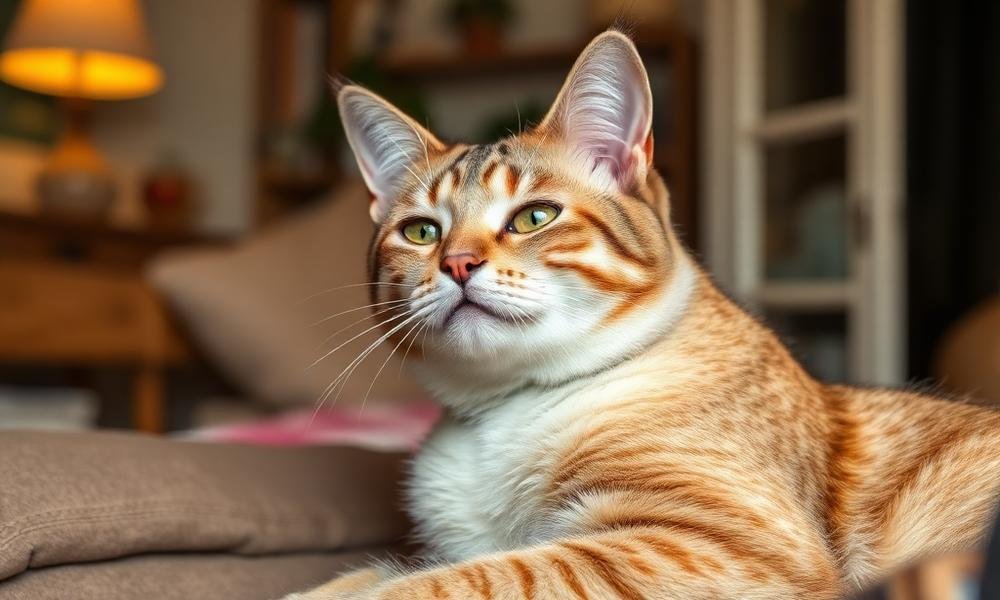
When Cat Ears Are Pinned Back or Flattened — What Does It Mean?
Flattened ears pressed tightly against the head are a clear warning signal. This cat ear position meaning indicates fear, aggression, or defensive readiness. Your cat is trying to make itself smaller and protect its ears from potential injury during a confrontation.
There are two distinct contexts for this position. In defensive aggression, the ears are completely flattened with the cat crouching low, pupils dilated, and tail tucked. In offensive aggression, the ears are flattened but the cat stands tall with hackles raised and a stiff tail. Both situations require immediate caution.
Do not attempt to touch or pick up a cat with fully flattened ears. Back away slowly and remove any perceived threat. If this position occurs during handling, stop immediately to avoid being bitten or scratched. According to the American Society for the Prevention of Cruelty to Animals (ASPCA), flattened ears are one of the most reliable indicators of feline fear and should never be ignored.
Pro Tip: A cat with flattened ears plus dilated pupils and a twitching tail is in a heightened state of arousal. This combination often precedes an aggressive outburst. Give your cat at least 30 minutes of quiet time before attempting any interaction.
What Does One Ear Forward, One Ear Back Mean?
When a cat holds one ear forward and the other turned back or sideways, it indicates internal conflict or divided attention. This cat ear position meaning shows that your cat is trying to process two competing stimuli at once — something interesting ahead and something concerning behind.
You might see this position when your cat is watching a bird outside while hearing a noise from another room. It can also occur during petting when your cat enjoys the attention but feels slightly overstimulated. The forward ear points toward the positive stimulus while the backward ear monitors the potential threat.
This position is a subtle warning that your cat's mood could shift quickly. If you see one ear back while petting your cat, pause and assess other body language cues. A tail twitch or skin ripple along the back suggests your cat is approaching its tolerance limit. Give your cat a break to prevent overstimulation aggression.
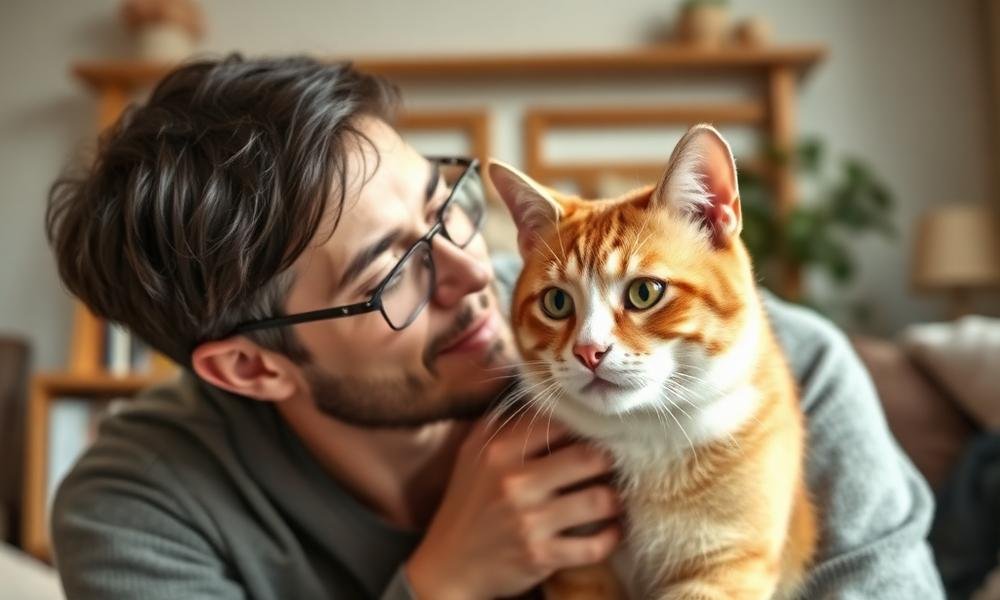
Why Do Cat Ears Twitch or Swivel Rapidly?
Rapid ear twitching or swiveling is a normal part of feline auditory processing. Cats can rotate their ears up to 180 degrees and move each ear independently to pinpoint sounds with remarkable accuracy. This cat ear position meaning relates to your cat's hunting instincts and environmental awareness.
Occasional twitching is nothing to worry about. However, persistent ear twitching combined with head shaking, scratching at the ears, or discharge may indicate ear mites, infection, or allergies. According to PetMD, ear mites affect approximately 5-10% of cats and are most common in kittens and outdoor cats.
If your cat's ears twitch constantly for more than 24 hours, inspect the ears for redness, debris, or odor. Clean ears gently with a veterinarian recommended solution if needed. Schedule a veterinary appointment if symptoms persist, as untreated ear infections can lead to hearing loss within 2-3 weeks.
Pro Tip: Cats in deep sleep often twitch their ears as part of normal REM cycles. This is different from the alert twitching of an awake cat. If your cat is sleeping with occasional ear twitches, let it rest — this is a healthy sign of dream activity.
How to Read Cat Ear Positions Combined With Other Body Language
Cat ear position meaning becomes more accurate when combined with other body language signals. A single ear position can have multiple interpretations depending on context, so always observe the whole picture before reacting.
Use this quick reference for common ear position combinations:
- Forward ears + relaxed body + slow blink: Your cat is happy and trusts you. Return the slow blink to communicate affection.
- Airplane ears + dilated pupils + crouched posture: Your cat is anxious and may flee. Remove stressors and provide hiding spots.
- Flattened ears + hissing + arched back: Your cat is frightened and defensive. Back away and avoid eye contact.
- Flattened ears + stiff legs + direct stare: Your cat is ready to attack. Do not approach and create distance immediately.
- One ear back + tail twitching + skin ripples: Your cat is overstimulated during petting. Stop petting and allow your cat to walk away.
Practice observing your cat's ear positions daily for 5 minutes. Within 1-2 weeks, you'll recognize patterns and respond more effectively to your cat's needs. This skill strengthens your bond and reduces stress for both you and your cat.
What Does It Mean When a Cat's Ears Are Rotated Backward but Not Flattened?
Ears rotated backward without being fully flattened against the head indicate mild annoyance or disinterest. This cat ear position meaning is often seen when your cat is ignoring a sound behind it or expressing mild displeasure with a situation. The ears point backward but remain slightly raised, showing the cat is aware but not threatened.
Common scenarios include your cat hearing a noise it finds boring or being petted in a way it doesn't enjoy. Unlike flattened ears, this position does not signal imminent aggression. However, it does suggest your cat would prefer to be left alone. Respect this signal by reducing interaction and giving your cat space for 10-15 minutes.
If you see rotated back ears during play, your cat may be losing interest in the activity. Switch to a different toy or end the session. Cats that consistently show this position during handling may have underlying discomfort, such as joint pain or skin sensitivity. Monitor for other signs and consult your veterinarian if the behavior persists.
How to Train Your Cat to Accept Ear Handling and Inspection
Regular ear inspection is essential for catching infections, mites, or debris early. However, many cats dislike having their ears touched. Training your cat to accept ear handling takes patience but prevents stress during veterinary visits and home care. This process also helps you identify problems before they become serious.
Start by associating ear touches with positive reinforcement. Gently touch your cat's ear while offering a high value treat, repeating this 5-10 times per session. Gradually increase touch duration from 1 second to 5 seconds over 1-2 weeks. Always stop before your cat shows signs of irritation, such as ear flattening or tail twitching.
Once your cat tolerates gentle touch, progress to brief ear inspections. Lift the ear flap slightly and look inside for 2-3 seconds while treating. Use a flashlight to check for redness, dark debris, or discharge. According to veterinarians, weekly ear checks help catch infections early, reducing treatment time from 3-4 weeks to 7-10 days in most cases.
Pro Tip: Never use cotton swabs inside your cat's ear canal. This can push debris deeper and damage the eardrum. Use a veterinarian recommended ear cleaning solution and cotton balls for safe, effective cleaning.
Decode your cat's body language more effectively with the right tools
Browse Cat Products →
Frequently Asked Questions
What does it mean when a cat's ears are hot?
Warm ears can indicate increased blood flow from excitement, play, or sun exposure. However, if ears are persistently hot with redness, swelling, or discharge, it may signal infection or fever. Consult your veterinarian if warmth persists for more than 24 hours.
Why does my cat put its ears back when I pet it?
Ears held back during petting often signal overstimulation or discomfort. Your cat may enjoy the attention but is reaching its tolerance limit. Pause petting and watch for tail twitching or skin ripples, which indicate your cat needs a break.
Can cats control each ear independently?
Yes, cats have 32 muscles in each ear, allowing independent rotation up to 180 degrees. This enables them to locate sounds with precision and monitor multiple stimuli simultaneously. This ability is essential for hunting and detecting potential threats.
What does it mean when a cat flicks its ears while sleeping?
Ear flicking during sleep is normal and occurs during REM cycles. Your cat is dreaming and processing daily experiences. Unless accompanied by distress signals like crying or twitching, this is a healthy sign of deep sleep.
Do all cat breeds use the same ear positions?
Most breeds use identical ear positions, but breeds with folded or curled ears (Scottish Fold, American Curl) have limited range of motion. For these breeds, rely more on eye, tail, and body posture cues to understand their emotional state.
What does it mean when a cat's ears are constantly twitching?
Constant twitching in an awake cat may indicate ear mites, infection, allergies, or neurological issues. Inspect for debris, redness, or odor. If symptoms persist beyond 24 hours, schedule a veterinary examination for proper diagnosis and treatment.
How can I tell if my cat is angry vs. scared from ear position?
Angry cats have flattened ears with stiff legs, direct stare, and dilated pupils. Scared cats have flattened ears with crouched posture, tucked tail, and avoidance of eye contact. Angry cats are more likely to attack, while scared cats prefer to flee.
Why does my cat's ear position change when I talk to it?
Your cat rotates its ears toward your voice to better hear and process your words. This shows engagement and recognition. If your cat flicks an ear toward you while relaxing, it's acknowledging your presence without feeling the need to fully respond.
For trusted guidance on feline health and nutrition, the ASPCA provides expert cat care resources reviewed by veterinary professionals. For health-related questions, PetMD offers veterinarian-reviewed information on symptoms and treatments.