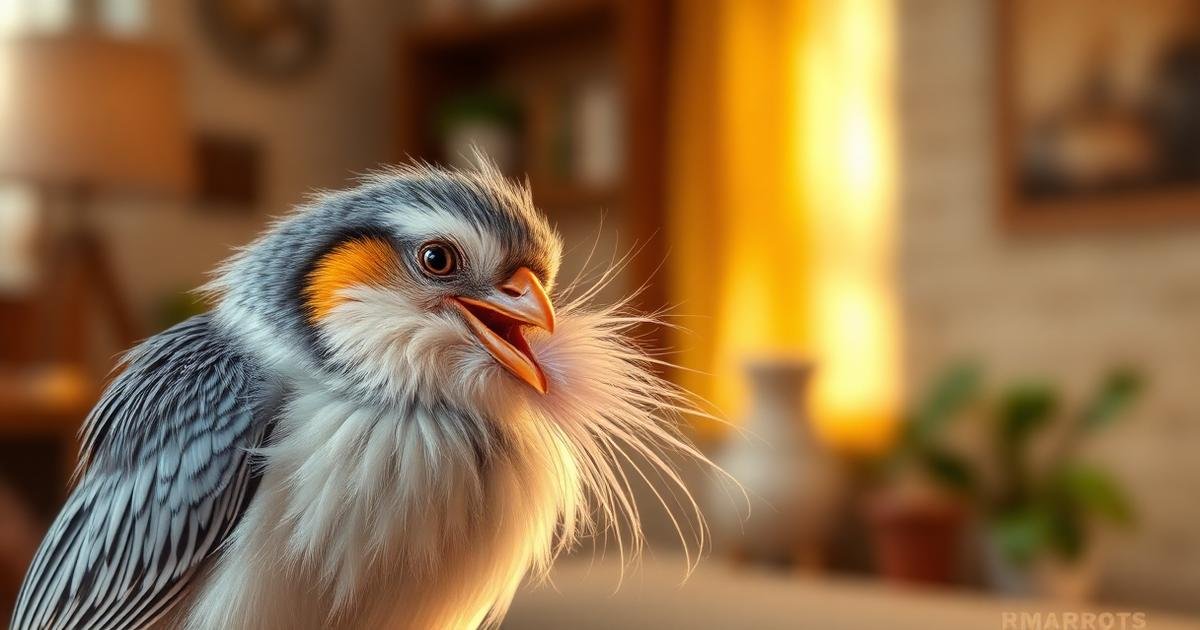
If your bird is pulling out its own feathers, you're likely worried and frustrated. The primary bird feather plucking causes are medical issues, environmental stress, nutritional deficiencies, and behavioral problems like boredom or anxiety. Feather destructive behavior is rarely random — it signals something deeper that needs your attention. Understanding the root cause is the only way to stop the cycle and help your bird heal.
Bird feather plucking causes: Feather plucking in birds is most commonly caused by a combination of medical issues (skin infections, parasites, pain), environmental stress (boredom, lack of sleep, cage placement), and nutritional deficiencies (low vitamin A, poor diet). A vet visit is essential first — 60-70% of cases have an un
Quick Answer: What causes feather plucking in birds?
Feather plucking in birds is most commonly caused by a combination of medical issues (skin infections, parasites, pain), environmental stress (boredom, lack of sleep, cage placement), and nutritional deficiencies (low vitamin A, poor diet). A vet visit is essential first — 60-70% of cases have an underlying medical component, according to avian veterinarians. Start with a full health workup before changing anything else.
For a complete guide on this topic, see the Pet Bird Care Guide.
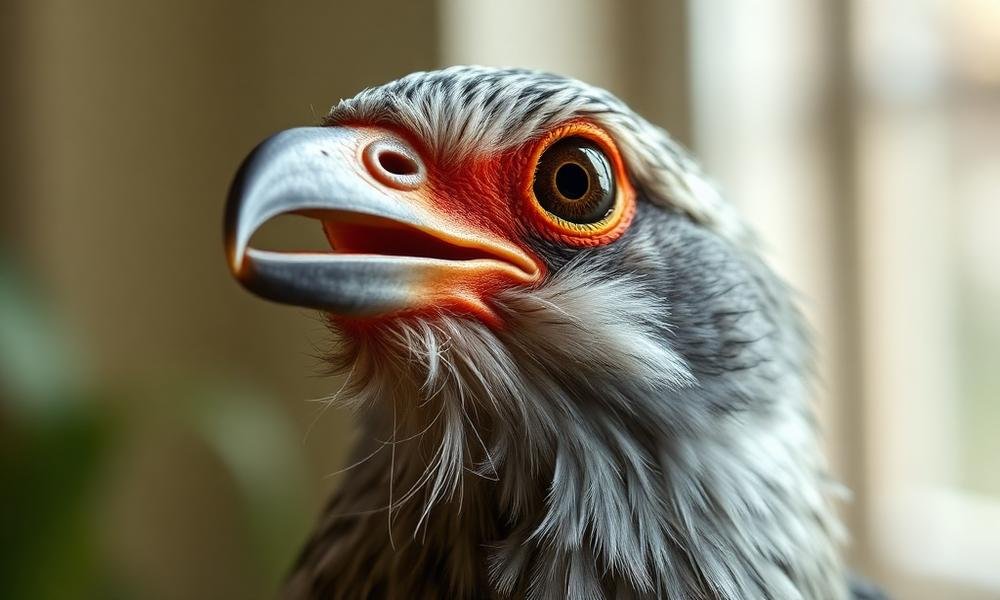
What Medical Conditions Trigger Feather Plucking?
Medical causes should always be your first suspect. Avian veterinarians at the
Common medical triggers include skin infections from bacteria or fungi, external parasites like mites and lice, and internal parasites. Feather follicle inflammation (folliculitis) can make preening feel painful, causing your bird to pull feathers aggressively. Psittacine Beak and Feather Disease (PBFD) is a viral condition that damages feather growth and often leads to plucking. These conditions require specific diagnostic tests to identify.
Pro Tip: Schedule a vet visit within 48 hours of noticing feather loss. Ask for a full blood panel, skin scrape, and fecal test. Many medical causes are treatable when caught early — waiting weeks can worsen the behavior and make treatment harder.
Hormonal imbalances, particularly in female birds, can trigger plucking. Egg laying complications or reproductive tract infections may cause abdominal pain that birds express through feather pulling. Liver disease and kidney problems can also manifest as feather destruction. Blood work is the only reliable way to identify these internal issues.
Pain from arthritis, old injuries, or even gout can drive a bird to pluck. If your bird is over 10 years old, joint pain becomes a more likely bird feather plucking causes scenario. A thorough physical exam with palpation of the wings, legs, and abdomen is essential. Birds hide pain instinctively, so subtle signs like reduced perch grip or favoring one foot matter.
Allergic reactions to cage materials, toys, or even household cleaners can cause skin irritation that leads to plucking. Stainless steel cages and natural wood perches reduce exposure to potential allergens. If your bird started plucking shortly after introducing a new toy or changing a cleaning product, that's a strong clue.
How Does Diet Contribute to Feather Plucking?
Nutrition plays a massive role in feather health. According to
Vitamin A deficiency is the most common nutritional trigger. This vitamin is essential for healthy skin, feathers, and mucous membranes. Without it, feathers become brittle, dry, and prone to breakage. Your bird may start plucking because the feathers feel wrong or uncomfortable. Dark leafy greens, carrots, and sweet potatoes are excellent sources of vitamin A for birds.
Protein deficiency is another major factor. Feathers are made of research suggests 90% protein. If your bird isn't getting enough quality protein, new feathers won't grow properly, and existing feathers may weaken. This creates a cycle where feathers fail to develop correctly, leading to more plucking. Cooked eggs, legumes, and high quality pellets provide the protein birds need.
Calcium and zinc imbalances can also trigger feather destruction. Too much zinc (from galvanized cages or cheap toys) can cause toxicity. Too little calcium affects nerve function and muscle control, making preening feel off. A balanced pelleted diet with fresh vegetables addresses most nutritional bird feather plucking causes within 4-6 weeks. Mineral blocks and cuttlebone help maintain proper calcium levels.
Pro Tip: Switch your bird to a high quality pelleted diet (70-80% of daily intake) plus 20-30% fresh vegetables and fruits. Avoid all seed diets entirely. You should see feather quality improve within 2-3 weeks of dietary correction. Add a vitamin A supplement if your vet recommends it.
Omega-3 fatty acids are crucial for skin health and feather condition. Birds on deficient diets develop dry, flaky skin that itches. Adding a small amount of flaxseed or chia seeds to your bird's diet can make a noticeable difference within a month. Always introduce new foods gradually over 7-10 days to avoid digestive upset.
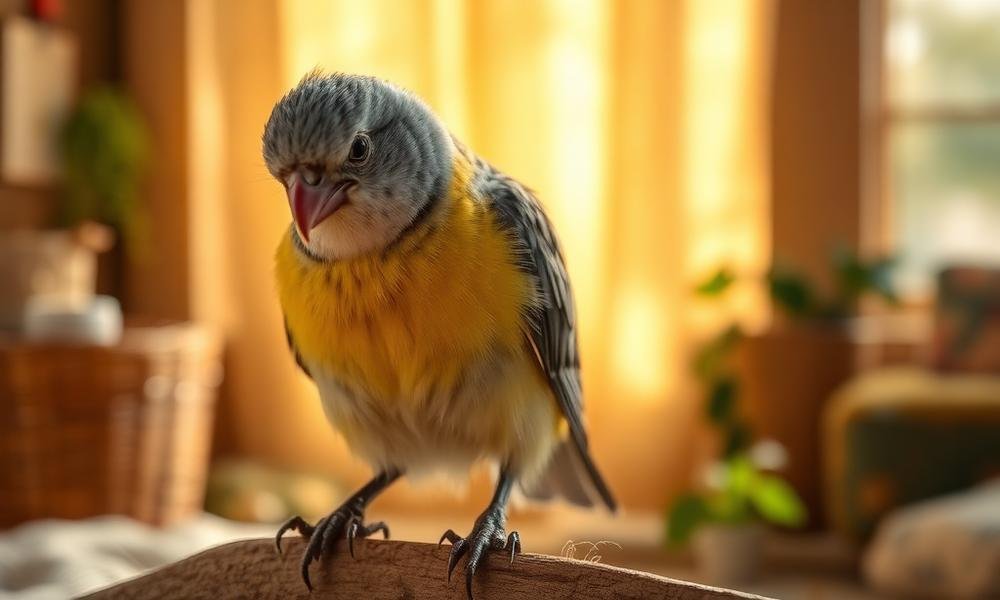
What Environmental Factors Cause Feather Plucking?
Your bird's environment directly affects its mental health. Boredom is one of the most overlooked bird feather plucking causes. Parrots and other intelligent birds need mental stimulation for at least 3-4 hours daily. Without it, they develop compulsive behaviors. A bored bird is a plucking bird in the making.
Cage placement matters enormously. Birds placed in high traffic areas may feel constantly threatened. Birds isolated in quiet corners may feel lonely and neglected. The ideal spot is a corner of a room where the bird can see family activity but also retreat to a quiet area. This provides security without isolation. Avoid placing the cage directly in front of windows where outdoor predators like hawks or cats can cause stress.
Light exposure affects feather health directly. Birds need 10-12 hours of uninterrupted sleep in complete darkness. Too much light disrupts melatonin production and hormonal balance, which can trigger plucking. Cover the cage at night and maintain a consistent sleep schedule. Use a blackout curtain if streetlights or early morning sun enter the room.
Humidity levels below research suggests 40% dry out feathers and skin. Dry skin itches, and birds pluck to relieve that itch. Use a humidifier in the bird's room during winter or in dry climates. Aim for 50-60% humidity for optimal feather health. A simple hygrometer costs under $10 and helps you monitor conditions accurately.
Pro Tip: Rotate your bird's toys weekly — keep 5-7 toys in the cage and swap 2-3 out every week. Birds need novelty. A toy that's been in the cage for 3 months is just background furniture, not enrichment. Foraging toys that hide food are particularly effective at reducing plucking behavior.
Social factors also drive feather destruction. Birds are flock animals. A single bird with insufficient human interaction may pluck from loneliness. Conversely, birds that are over handled or mishandled may develop stress plucking. The balance is individual — watch your bird's body language to find its comfort zone. Aim for at least 2-3 hours of direct interaction daily.
Noise levels in the home matter. Sudden loud noises from construction, traffic, or even a new television can trigger anxiety plucking. Birds have sensitive hearing and perceive sounds differently than humans. If you've recently moved or changed your routine, your bird may need several weeks to adjust. Providing a consistent, calm environment helps reduce stress related feather destruction.
Stop feather plucking before it becomes a habit — targeted enrichment and nutrition tools can help your bird recover.
Browse Bird Care Options →
How Do Behavioral and Psychological Issues Cause Plucking?
Behavioral feather plucking is complex and frustrating. Once the medical and environmental causes are ruled out, you're looking at psychological triggers. These are the hardest to treat because the behavior becomes self-reinforcing — plucking feels good to the bird. The longer it continues, the harder it is to stop.
Anxiety and fear are powerful triggers. Loud noises, new pets, moving homes, or changes in routine can all spark plucking. Birds are creatures of habit. Even small changes — a new piece of furniture, a different brand of food — can cause stress that manifests as feather destruction. Give your bird at least 2-3 weeks to adjust to any significant change.
Attention seeking behavior is common in intelligent birds. If your bird learned that plucking gets your immediate attention (even negative attention), it will continue. This is why ignoring the behavior is sometimes recommended — but only after medical causes are ruled out. Instead, reward calm, non plucking behavior with treats and praise consistently for several weeks.
Sexual frustration can trigger plucking in bonded birds. A bird that views you as its mate may become frustrated when its sexual needs aren't met. This is particularly common in cockatoos and African greys. Reducing hormonal triggers — like petting below the neck — can help break this cycle. Limit cuddling to head scratches only and avoid dark, enclosed spaces that mimic nesting areas.
Previous trauma or poor early socialization creates deep seated plucking tendencies. Birds that were weaned improperly, kept in isolation, or abused may develop compulsive feather destruction that persists even in a good home. These cases often require behavioral modification over 6-12 months. Working with an avian behaviorist can make a significant difference in recovery time.
| Symptom | Likely Cause | First Step |
|---|---|---|
| Plucking only on chest/belly | Boredom or stress | Increase enrichment and out-of cage time |
| Plucking under wings | Pain or skin irritation | Vet exam for arthritis or infection |
| Plucking + screaming | Attention seeking behavior | Ignore plucking, reward calm behavior |
| Plucking + feather chewing | Nutritional deficiency | Diet review and blood work |
| Plucking only at night | Sleep disruption or night frights | Dark, quiet sleep area |
| Plucking + weight loss | Systemic illness | Immediate vet visit with blood panel |
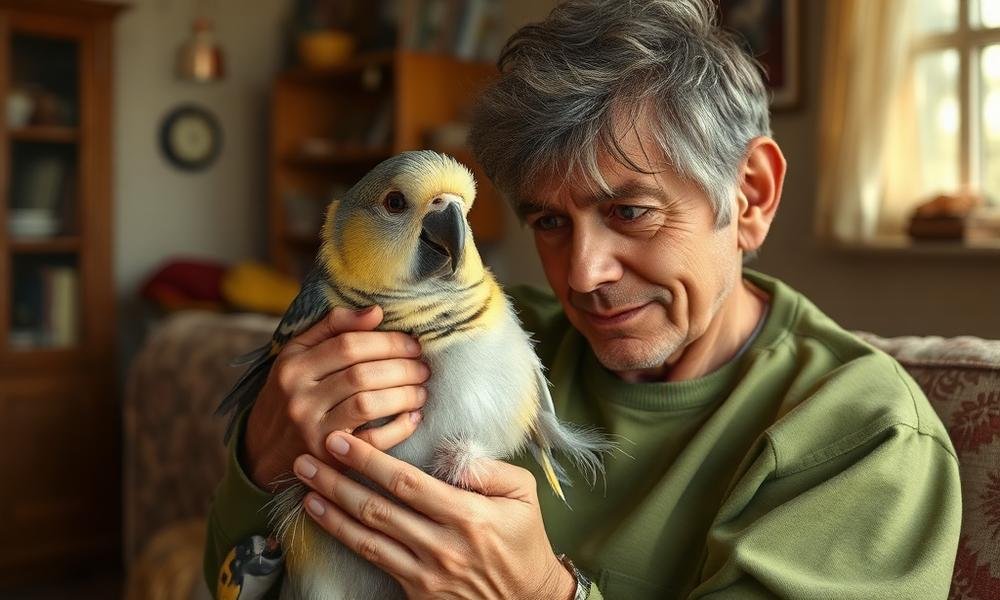
How Can You Diagnose the Root Cause at Home?
Before your vet visit, you can gather critical information. Start a feather plucking journal for 7 days. Record when the plucking happens, where your bird is, what's happening in the room, and what your bird ate that day. This pattern recognition is invaluable for your vet. Include photos of the feather damage and any changes in your bird's behavior.
Check for environmental triggers systematically. Is the cage near a window where outside animals cause stress? Is there a draft? Is the room too dry? Are there strong smells from candles, air fresheners, or cooking? Each of these can be a hidden bird feather plucking causes that's easy to fix. Eliminate one variable at a time and observe for 3-5 days before changing another.
Evaluate your bird's daily routine. Birds need at least 2-3 hours of out-of cage time daily. They need foraging opportunities that take 30-60 minutes to solve. They need social interaction that's calm and positive. If any of these are missing, start there before assuming a medical problem. A structured daily schedule helps reduce anxiety in most birds.
Look at the feathers themselves. Are they chewed at the tips or pulled from the root? Chewed tips suggest boredom or over-preening. Pulled from the root suggests pain or anxiety. Broken shafts suggest nutritional problems. This visual clue helps narrow down the bird feather plucking causes significantly. Examine the skin underneath for redness, scabs, or abnormal texture.
Pro Tip: Take clear photos of the feather damage patterns. Send them to your avian vet before the appointment. Many vets can identify likely causes from feather damage patterns alone, saving you time and money on unnecessary tests. Include photos of your bird's cage setup and diet as well.
Assess your bird's droppings daily. Changes in color, consistency, or volume can indicate underlying health problems. Normal bird droppings have three components: solid green or brown feces, white urates, and clear liquid urine. Any deviation from this pattern warrants a vet visit. Keep a log of droppings alongside your feather plucking journal for a complete picture.
What Treatment Options Are Available for Feather Plucking?
Treatment depends entirely on the root cause. Medical plucking requires addressing the underlying condition first. Antibiotics for infections, antifungals for yeast, or antiparasitics for mites typically show results within 2-4 weeks. Pain management for arthritis or injuries may involve anti inflammatory medications prescribed by your vet.
Nutritional plucking responds well to dietary changes. Switching to a pelleted diet with fresh vegetables typically improves feather quality within 3-4 weeks. Your vet may recommend specific supplements like vitamin A, omega-3 fatty acids, or calcium depending on blood work results. Avoid over-supplementing — more is not better and can cause toxicity.
Environmental plucking requires changing the bird's surroundings. Increase cage size if possible — many birds are in cages too small for their wingspan. Add foraging toys, puzzle feeders, and destructible toys that mimic natural chewing behavior. Move the cage to a calmer location with good visibility of family activities. These changes show results within 1-3 weeks if the environment was the primary trigger.
Behavioral plucking is the hardest to treat and requires patience. Work with an avian behaviorist to develop a behavior modification plan. This typically involves identifying triggers, rewarding alternative behaviors, and gradually desensitizing the bird to stressors. Some birds benefit from medication like antidepressants or anti anxiety drugs prescribed by an avian vet.
Physical barriers like collars or vests are controversial. They prevent plucking but don't address the cause. Use them only under veterinary supervision for short periods to allow skin healing. Birds can become frustrated and stressed with barriers, potentially worsening the behavior when removed. Never use a collar without professional guidance.
Pro Tip: Combine multiple approaches for best results. A bird with medical, nutritional, and environmental factors needs all three addressed simultaneously. Treating only one aspect while ignoring others leads to frustration and continued plucking. Work with your vet to create a comprehensive treatment plan.
For broader reference and guidance, akc.org provides useful context on pet health and care decisions.
For broader reference and guidance, petmd.com provides useful context on pet health and care decisions.
Frequently Asked Questions
Can feather plucking be cured completely?
Yes, in many cases, especially when caught early and the underlying cause is treatable. Medical plucking often resolves within 2-4 weeks of treatment. Behavioral plucking takes longer — 3-6 months of consistent environmental changes. Some chronic cases require lifelong management. The key is early intervention and addressing all contributing factors.
Is feather plucking painful for birds?
It depends on the cause. Plucking from skin infections or parasites is painful, which is why the bird pulls feathers. Plucking from boredom is not painful — the bird may find it soothing. Feathers themselves have no nerve endings, but the follicle does. Pulling healthy feathers hurts, which is why birds typically avoid it unless driven by a strong underlying need.
What bird species are most prone to feather plucking?
African grey parrots, cockatoos, macaws, and eclectus parrots have the highest rates of feather destructive behavior. These are highly intelligent, social species that require significant mental stimulation. Smaller birds like budgies and cockatiels pluck less frequently but can develop the habit. Any bird kept in inadequate conditions can develop feather plucking regardless of species.
How quickly should I see improvement after changing my bird's diet?
Feather quality improves within 2-3 weeks of switching to a proper diet. New feather growth takes 4-8 weeks to become visible. If you see no improvement in feather condition after 6 weeks on a balanced diet, the cause is likely not nutritional — revisit medical and environmental factors. Be patient and consistent with dietary changes for best results.
Should I use an Elizabethan collar on my plucking bird?
Only under direct veterinary supervision. Collars can prevent plucking but don't address the root cause. They're a temporary tool for healing skin infections, not a solution for behavioral plucking. Birds can become more stressed with a collar, potentially worsening the underlying issue. Explore all other options before considering a collar.
Can feather plucking be passed to other birds?
No, the behavior itself isn't contagious. However, if the plucking is caused by an infectious disease like PBFD, mites, or fungal infections, those conditions can spread. Always quarantine a plucking bird from others until a vet confirms it's not contagious. Keep separate food bowls, perches, and toys for each bird to prevent disease transmission.
Does bathing help stop feather plucking?
Regular bathing can help by moisturizing dry skin and removing irritants. Offer your bird a shallow dish of warm water or a gentle mist spray 2-3 times weekly. Some birds prefer bathing in a sink with a gentle stream of water. Bathing also provides enrichment and can reduce stress related plucking in some birds. Never force a bath — let your bird choose.
When should I see an avian behaviorist?
If your bird continues plucking after medical and environmental causes are addressed, consult an avian behaviorist. Signs that professional help is needed include plucking that worsens despite interventions, self-mutilation (drawing blood), or plucking that has continued for more than 3 months. Behaviorists can identify subtle triggers you may miss and create a customized treatment plan.
Check out our complete overview of best bird cage covers for more information.