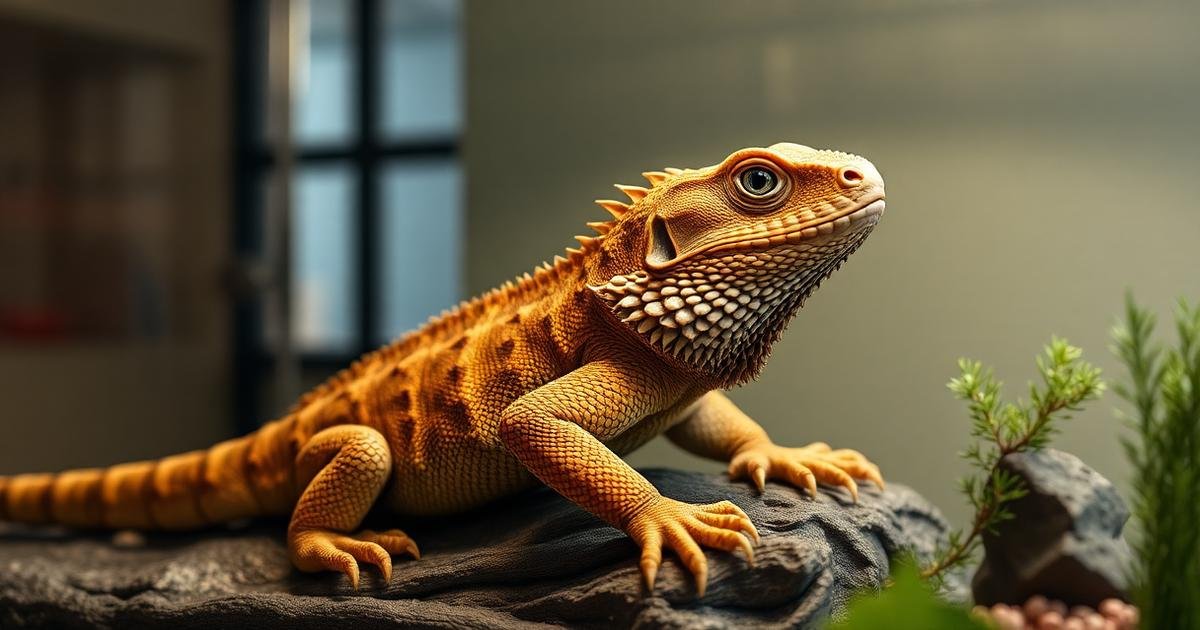
Finding the best bearded dragon tank isn't just about picking a glass box. It's about creating a controlled environment where your reptile can thrive for 10–15 years. The right tank provides proper heat gradients, UVB penetration, and ventilation — all of which are non negotiable for a healthy bearded dragon. A 120-gallon (4x2x2 feet) enclosure is the gold standard for adult dragons, but your choice of material, front access style, and substrate compatibility matters just as much as the size.
Best bearded dragon tank: The best bearded dragon tank for an adult is a 120-gallon (48" x 24" x 24") front-opening enclosure made of PVC or melamine. For juveniles, a 40-gallon breeder tank works temporarily, but you'll need to upgrade within 6–8 months. The Zen Habitat 4x2x2 and Carolina Custom Cages 48x24x24 are top-tier
Quick Answer: What is the best bearded dragon tank for adults and juveniles?
The best bearded dragon tank for an adult is a 120-gallon (48" x 24" x 24") front opening enclosure made of PVC or melamine. For juveniles, a 40-gallon breeder tank works temporarily, but you'll need to upgrade within 6–8 months. The Zen Habitat 4x2x2 and Carolina Custom Cages 48x24x24 are top tier options that meet all husbandry requirements.
For a complete guide on this topic, see the Reptile Care Guide.
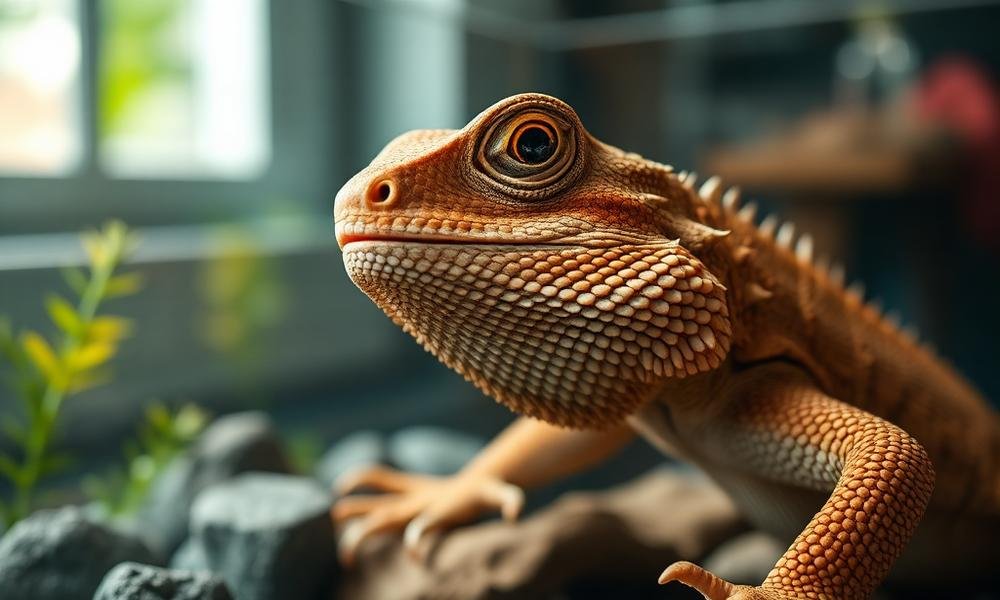
What size tank does a bearded dragon actually need?
Adult bearded dragons need a minimum of 120 gallons — that's 48 inches long, 24 inches wide, and 24 inches tall. Anything smaller restricts their ability to thermoregulate properly and can lead to metabolic bone disease.
Juveniles under 6 months can start in a 40-gallon breeder tank (36" x 18" x 18"). But don't get attached to that size. You'll need to upgrade within 6–8 months as your dragon grows from 6 inches to 18–24 inches long.
Why such a big tank? Bearded dragons need a thermal gradient. The basking spot must reach 100–110°F while the cool side stays at 75–85°F. A small tank can't maintain that difference, and your dragon can't move to regulate its body temperature.
Pro Tip: Skip the "starter kits" that come with 20-gallon tanks. You'll outgrow them in 3 months and waste money. Buy the adult sized enclosure first and use temporary dividers for a juvenile.
The AVMA recommends enclosures at least 4 times the animal's length for proper movement and exercise. For a 24-inch adult dragon, that's 96 inches of linear space — which a 48-inch tank barely covers. Go bigger if your budget and space allow.
Glass vs PVC vs melamine — which material works best for bearded dragons?
Each material has trade offs in heat retention, weight, and price. Here's how they compare for your specific needs.
Glass tanks: affordable but flawed
Glass tanks (like standard aquariums) are cheap and widely available. A 40-gallon breeder costs $50–$100. But glass is terrible at holding heat — you'll lose 5–10°F through the walls, driving up your heating costs. It's also heavy (a 120-gallon glass tank weighs 200+ pounds empty) and difficult to clean.
Glass tanks also have top opening screen lids, which make handling your dragon stressful. Every time you reach in from above, your dragon sees a predator shadow. This triggers stress responses that suppress appetite and immune function.
PVC enclosures: the gold standard
PVC (polyvinyl chloride) enclosures are lightweight, excellent insulators, and completely waterproof. A 4x2x2 PVC tank weighs about 60 pounds — one third the weight of glass. The material holds heat so well that you can use a lower wattage bulb and save on electricity.
Most PVC enclosures have front opening sliding or hinged doors. This eliminates the predator-from above problem and makes daily interaction safer for both you and your dragon. The smooth interior surfaces also resist bacteria and are easy to disinfect.
The downside? Price. A quality PVC enclosure like the Zen Habitat 4x2x2 runs $300–$500. But considering it lasts 10+ years, the cost per year is lower than replacing a glass tank every 2–3 years.
Melamine enclosures: heavy but durable
Melamine (particle board with a laminate coating) is a popular DIY choice. It's cheaper than PVC at $150–$300 for a 4x2x2. The dark interior also helps bearded dragons feel secure and reduces stress.
But melamine is heavy (100+ pounds for a 4x2x2), and it warps if exposed to moisture. If your dragon's humidity spikes above research suggests 40% (which happens with improper ventilation), the melamine will swell and delaminate. You also need to seal all edges with aquarium grade silicone to prevent water damage.
Pro Tip: If you're handy, build your own melamine enclosure. You can save 40–research suggests 50% compared to buying PVC. Use 3/4-inch melamine boards, add a 2-inch ventilation strip along the top, and seal every seam with research suggests 100% silicone.
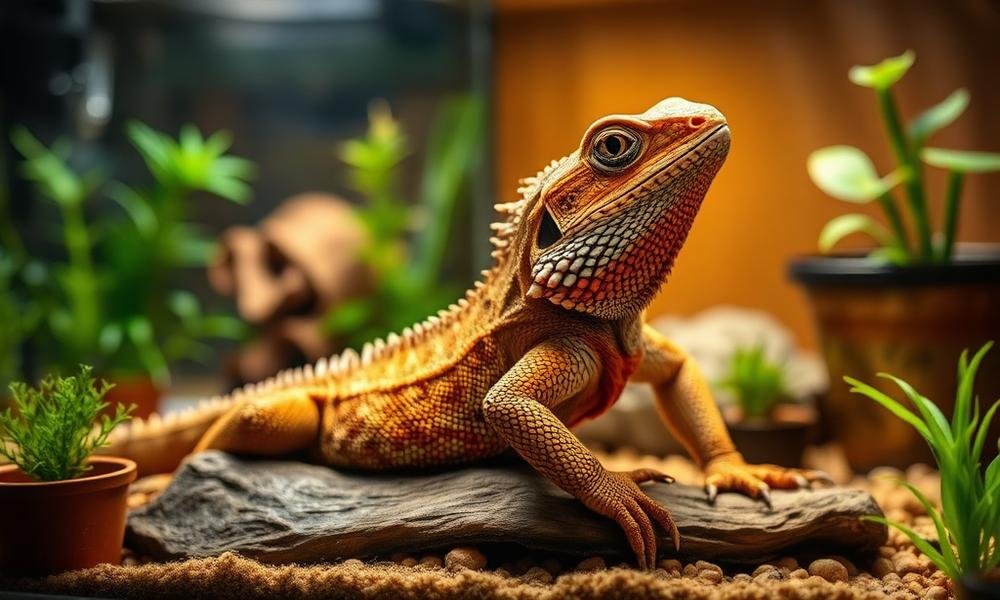
What features should you look for in the best bearded dragon tank?
Not all enclosures are created equal. Here are the specific features that separate a good tank from a great one.
Front opening doors with secure latches
Front opening doors are non negotiable for adult dragons. They reduce stress and make cleaning, feeding, and handling much easier. Look for sliding doors (they take up less space) or hinged doors with magnetic or lockable latches.
Bearded dragons are surprisingly strong. They can push open lightweight sliding doors if there's no lock. The Zen Habitat uses a spring loaded latch system that's childproof and dragon-proof.
Proper ventilation without drafts
Your tank needs ventilation to prevent respiratory infections. Look for screened top panels or side vents that allow air exchange without creating drafts. The ideal setup has ventilation on the warm side to allow hot air to escape.
Poor ventilation leads to humidity buildup above research suggests 60%, which causes scale rot and respiratory issues. The ASPCA's reptile care guidelines emphasize that bearded dragons need humidity between 30–research suggests 40% — lower than most other reptiles.
Substrate containment
If you use loose substrate (like Australian desert sand), your tank needs walls tall enough to prevent spillage. A 4–6 inch lip at the bottom of the front doors keeps substrate inside where it belongs.
Many PVC enclosures come with a removable substrate tray that makes cleaning simple. You can lift out the tray, dump the old substrate, and replace it in 5 minutes instead of scrubbing the entire enclosure.
Best bearded dragon tank comparison: top 5 options
Here's how the leading enclosures stack up against each other. All prices are approximate and may vary by retailer.
| Product | Size | Material | Price Range | Best For |
|---|---|---|---|---|
| Zen Habitat 4x2x2 | 48"x24"x24" | PVC | $350–$450 | Overall best value, easy assembly |
| Carolina Custom Cages 48x24x24 | 48"x24"x24" | PVC | $400–$500 | Premium build, excellent insulation |
| Exo Terra 40 Gallon Breeder | 36"x18"x18" | Glass | $100–$150 | Juvenile enclosure, budget option |
| Dubia Roaches 4x2x2 | 48"x24"x24" | PVC | $280–$350 | Budget PVC, good starter enclosure |
| Custom Reptile Habitats 4x2x2 | 48"x24"x24" | Melamine | $250–$300 | DIY-friendly, good for dry climates |
Pro Tip: The Zen Habitat 4x2x2 assembles in under 30 minutes with no tools. It's the only enclosure in this list that ships flat packed and clicks together like furniture. If assembly time matters to you, this is your best choice.
Ready to set up the perfect environment for your bearded dragon? We've got the enclosures, lighting, and accessories you need.
Browse Reptile Options →
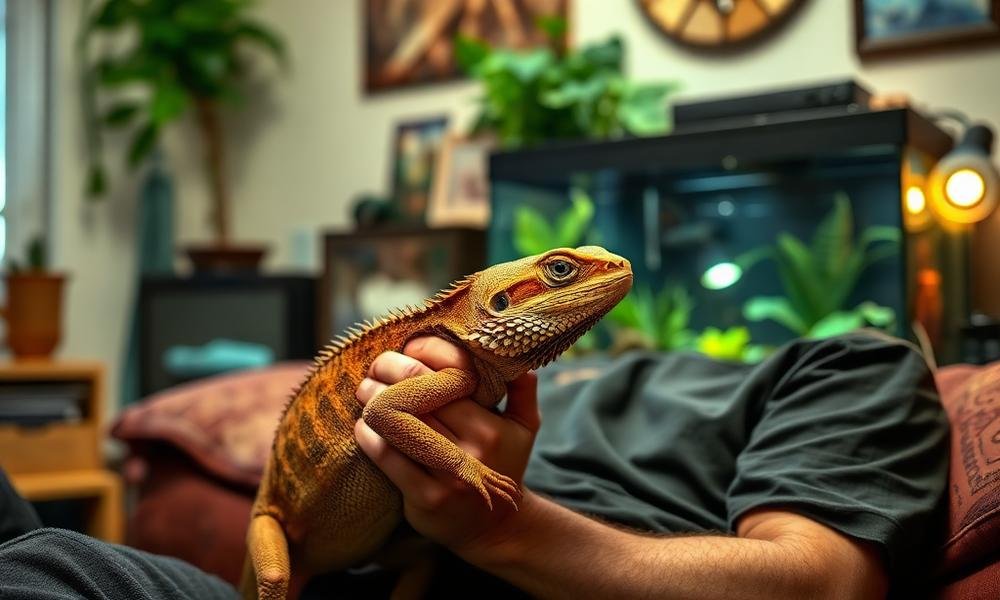
How do you set up a bearded dragon tank for optimal health?
Even the best bearded dragon tank won't work if you set it up wrong. Here's the step-by step process for creating a functional habitat.
Step 1: Establish the thermal gradient
Place your heat lamp on one end of the enclosure — never in the middle. The basking spot should be a flat rock or branch positioned 6–8 inches below the bulb. Use a laser temperature gun to verify the surface temperature hits 100–110°F.
The cool side should stay at 75–85°F. If your tank is too cold on the cool side, add a low wattage ceramic heat emitter on a thermostat. Never use heat rocks — they cause thermal burns because bearded dragons don't feel heat on their bellies.
Step 2: Install proper UVB lighting
Bearded dragons need UVB lighting to synthesize vitamin D3 and absorb calcium. Use a linear T5 HO fluorescent bulb (not compact bulbs) that spans at least two thirds of the enclosure length. The ReptiSun 10.0 or Arcadia research suggests 12% are the standard recommendations.
Replace UVB bulbs every 6–12 months even if they still emit visible light. UVB output degrades over time. Your dragon needs a UV index of 3.0–5.0 at basking level, which requires the bulb to be 8–12 inches from the basking surface.
Step 3: Choose the right substrate
For juveniles under 6 months, use paper towels or reptile carpet. Loose substrate poses an impaction risk when babies are learning to eat. Switch to a 50/50 mix of washed play sand and organic topsoil once your dragon reaches 12 inches long.
Avoid calcium sand, walnut shells, and wood shavings. These cause impaction and respiratory irritation. If you want a bioactive setup, use a drainage layer of clay balls topped with a soil/sand mix and add isopods and springtails.
Step 4: Add enrichment items
Bearded dragons need climbing opportunities, hiding spots, and digging areas. Add a basking branch at an angle, a flat rock for basking, and a hide on the cool side. The AKC's enrichment principles apply to reptiles too — variety prevents boredom and stress.
Rotate decor every 2–3 weeks to keep your dragon engaged. Add a dig box filled with organic soil if your female is of breeding age — they need to dig for egg-laying.
What mistakes do owners make when choosing a bearded dragon tank?
Avoid these common errors that can cost you money and compromise your dragon's health.
Buying too small to save money
A 40-gallon tank costs $100. A 120-gallon tank costs $400. The math seems obvious — but a 40-gallon tank won't work for an adult. You'll spend $100 now and $400 later, totaling $500. Just buy the 120-gallon tank first and use a divider for the first 6 months.
Ignoring ventilation requirements
Glass tanks with screen tops actually have too much ventilation — they let heat and humidity escape too quickly. PVC enclosures with side vents provide better control. If you use a glass tank, cover research suggests 50% of the screen top with HVAC tape to retain heat and humidity.
Using the wrong lighting fixtures
Many owners buy a "reptile kit" that includes a compact UVB bulb. These bulbs don't provide adequate UVB coverage. Your dragon needs a linear tube that runs the length of the enclosure. The PetMD reptile lighting guide confirms that compact bulbs only cover a 4-inch area — useless for a 48-inch tank.
Frequently Asked Questions
Can a bearded dragon live in a 40-gallon tank permanently?
No. A 40-gallon tank is too small for an adult bearded dragon. Adults need 120 gallons (4x2x2 feet) to maintain proper thermal gradients and exercise space. Keeping an adult in a 40-gallon tank can cause obesity, muscle atrophy, and chronic stress within 6–12 months.
Is a front opening or top opening tank better for bearded dragons?
Front opening tanks are significantly better. Top opening tanks trigger your dragon's predator response because you appear as a shadow from above. Front opening doors reduce stress, make handling easier, and allow you to interact with your dragon at eye level. All adult enclosures should be front-opening.
How much does a good bearded dragon tank cost?
A quality 120-gallon PVC enclosure costs $300–$500. Glass tanks of the same size cost $150–$250 but lack insulation and front access doors. Budget options like the Dubia Roaches 4x2x2 start around $280. Expect to spend $100–$200 more on lighting, heating, and accessories.
Can I use a fish tank for a bearded dragon?
You can use a glass fish tank temporarily for a juvenile, but it's not ideal for adults. Fish tanks have top opening lids, poor heat retention, and no front access. They also lack the ventilation control that PVC enclosures provide. If you must use a fish tank, ensure it's at least 40 gallons for juveniles and upgrade to PVC within 6 months.
What's the best tank for a baby bearded dragon?
A 40-gallon breeder tank (36" x 18" x 18") works well for babies under 6 months. Use paper towel substrate to prevent impaction. But plan your upgrade now — your baby will grow 1–2 inches per month and need a 120-gallon enclosure by the time it's 8–10 months old.
Do bearded dragons need a tank with a screen top?
Screen tops are necessary for UVB penetration if you place the bulb above the screen. However, screen tops let heat escape rapidly. For glass tanks, cover research suggests 50% of the screen with HVAC tape to retain heat. PVC enclosures typically have solid tops with built in ventilation, which is better for heat retention.