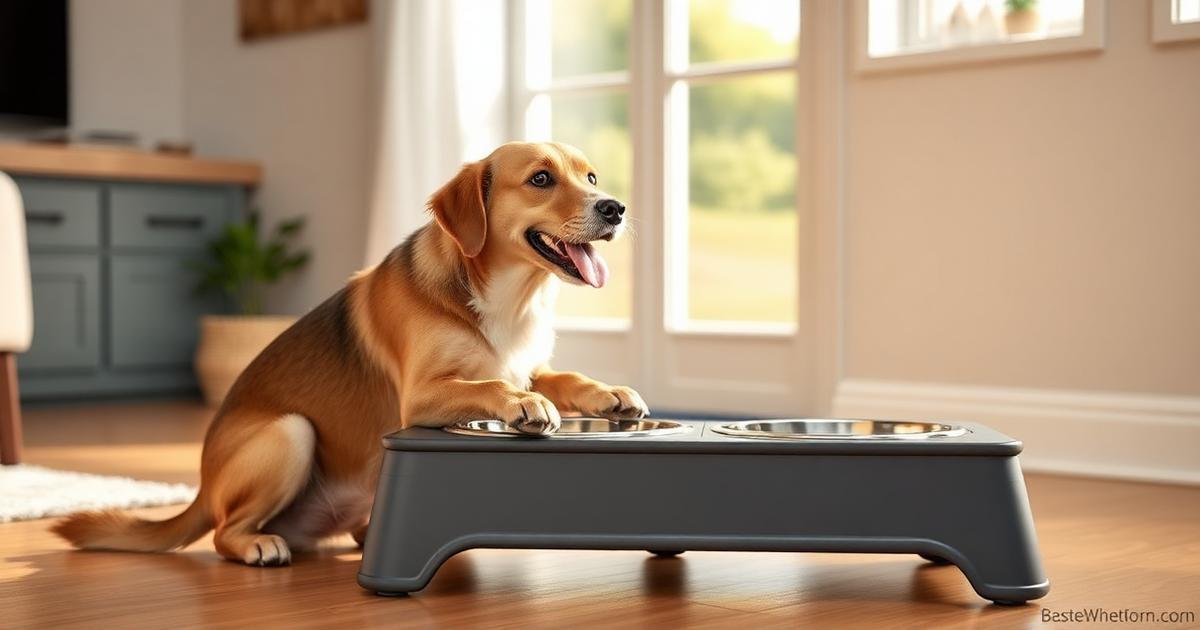
If you're looking into the best elevated dog feeder benefits, the answer is straightforward: elevated feeders improve your dog's posture during meals, reduce strain on joints, and can help with digestion, especially for larger breeds and senior dogs. By raising food and water bowls to a comfortable height, you create a more ergonomic eating experience that supports your dog's overall health and well-being.
Best elevated dog feeder benefits: The primary benefits of elevated dog feeders include reduced neck and joint strain, improved digestion, cleaner eating areas, and better posture. These feeders are particularly beneficial for large breeds over 50 pounds, senior dogs with arthritis, and those with conditions like megaesophagus. Veter
Quick Answer: What Are the Best Elevated Dog Feeder Benefits?
The primary benefits of elevated dog feeders include reduced neck and joint strain, improved digestion, cleaner eating areas, and better posture. These feeders are particularly beneficial for large breeds over 50 pounds, senior dogs with arthritis, and those with conditions like megaesophagus. Veterinarians generally recommend moderate elevation of 6-12 inches for most dogs, with stainless steel bowls and a stable, non slip base as the ideal setup.
For a complete guide on this topic, see the Ultimate Guide To Dog Accessories.
This best elevated dog feeder benefits decision works best when the owner compares daily fit, tolerance, and practical consistency together.
How Does an Elevated Feeder Improve Your Dog's Posture?
When your dog eats from a bowl on the floor, they have to crane their neck downward and splay their legs to reach the food. This unnatural position puts unnecessary stress on the cervical spine and front limbs. An elevated feeder brings the bowl to chest level, allowing your dog to stand in a neutral, relaxed position.
For dogs with arthritis or hip dysplasia, this posture change can significantly reduce discomfort during meals. The American Kennel Club notes that elevated feeders can be particularly helpful for large and giant breeds, where the distance from mouth to floor is greatest. Over time, this simple adjustment can prevent chronic joint pain from developing.
Pro Tip: Measure your dog's height at the withers (shoulder blades) and choose a feeder that places the bowl at that level. A feeder that's too high is just as problematic as one that's too low.
You'll notice your dog approaches mealtime with less hesitation when they don't have to stoop. This is especially true for dogs recovering from surgery or those with mobility issues. Within 1-2 weeks of switching to an elevated feeder, most owners report their dog eats more comfortably and finishes meals faster.
Can Elevated Feeders Help With Digestion and Bloat?
This is where things get nuanced. Research suggests that elevated feeders can aid digestion by allowing gravity to help food move down the esophagus more efficiently. For dogs with megaesophagus or regurgitation issues, an elevated feeder is often a medical necessity prescribed by veterinarians.
However, the relationship between elevated feeders and bloat (GDV) is complex. Some older studies suggested a potential link between elevated feeders and increased bloat risk in large, deep chested breeds. More recent research indicates that other factors — like eating speed, exercise timing, and genetics — play a larger role.
The current veterinary consensus is that for most dogs, moderate elevation (6-12 inches) is safe and beneficial. The key is to avoid extreme heights and to pair the feeder with slow feeding techniques if your dog gulps food. The AVMA recommends consulting your vet before making changes if your dog is a breed predisposed to bloat, such as Great Danes or German Shepherds.
Pro Tip: If your dog is a fast eater, look for an elevated feeder with a built in slow-feed insert or maze pattern. This combination addresses both posture and gulping in one product.
What Features Should You Look for in the Best Elevated Dog Feeder?
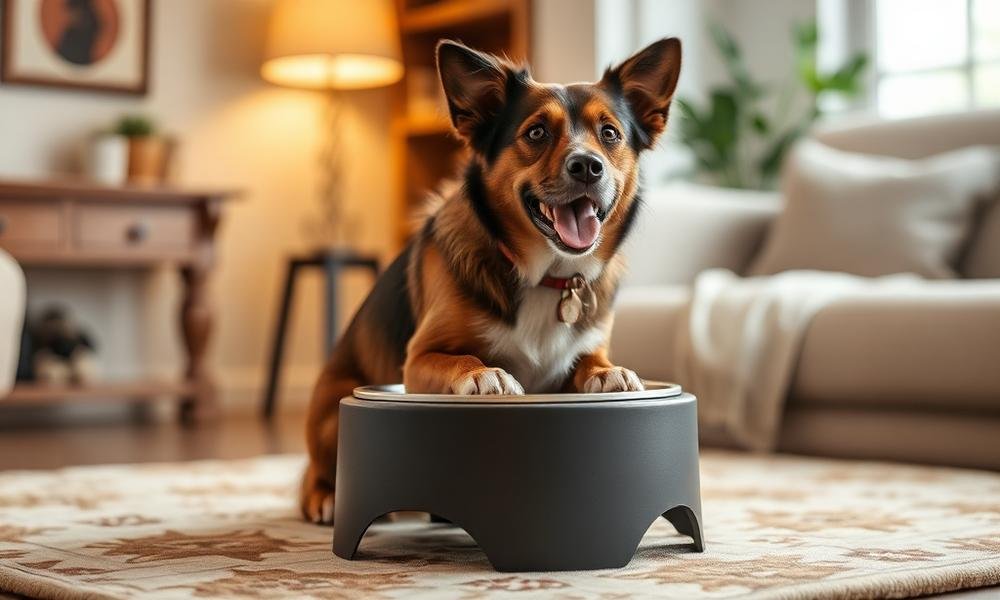
Not all elevated feeders are created equal. The best options share several key characteristics that directly impact your dog's safety and comfort. Here's what to prioritize when shopping.
Material and Stability
Stainless steel bowls are the gold standard. They're non-porous, dishwasher-safe, and won't harbor bacteria like plastic or ceramic can. The frame should be made of heavy duty materials — solid wood, powder coated steel, or high density plastic — that won't tip over when your dog eats enthusiastically.
A wobbly feeder is worse than no feeder at all. It can startle your dog and create anxiety around mealtime. Look for rubber non slip feet on the base to keep everything firmly in place, especially on tile or hardwood floors.
Adjustability and Size
Some feeders offer adjustable heights, which is ideal for growing puppies or multi dog households. Fixed height feeders are typically more stable but require accurate measurement. For reference, a 6-inch height works well for small to medium dogs, while 12-16 inches suits large and giant breeds.
Bowl capacity matters too. A 1-cup bowl works for toy breeds, but a Great Dane needs at least 4-6 cups per bowl. Always check the bowl volume before purchasing, especially if your dog eats large meals or you want to use the feeder for water as well.
Ease of Cleaning
Bacteria buildup in food bowls can cause acne, digestive upset, and more serious health issues. Choose a feeder where the bowls are removable and dishwasher-safe. Avoid designs with crevices or seams where food can get trapped.
Pro Tip: Wash your dog's bowls after every meal, just as you would your own dishes. Elevated feeders with removable stainless steel bowls make this habit easy to maintain.
Which Dogs Benefit Most From Elevated Feeders?
While any dog can use an elevated feeder, certain groups see the most significant best elevated dog feeder benefits. Understanding who needs one helps you make the right choice for your situation.
Large and giant breeds are the primary candidates. Dogs over 50 pounds have the most to gain from reduced neck strain. Breeds like Labrador Retrievers, Golden Retrievers, German Shepherds, and Great Danes often eat more comfortably with elevation.
Senior dogs with arthritis, hip dysplasia, or general stiffness benefit enormously. The reduced range of motion required to eat means less pain and more willingness to finish meals. Many senior dogs regain their appetite after switching to an elevated feeder.
Dogs with medical conditions like megaesophagus, laryngeal paralysis, or cervical spine issues often require elevated feeding as part of their treatment plan. In these cases, the feeder is not a luxury but a medical device. Always follow your veterinarian's specific height recommendations.
Deep chested breeds like Boxers, Dobermans, and Standard Poodles should use moderate elevation with caution. Discuss the bloat risk with your vet before making the switch, and pair the feeder with slow feeding practices.

How Does an Elevated Feeder Reduce Mess and Keep Your Home Cleaner?
One of the most practical best elevated dog feeder benefits is the dramatic reduction in mealtime mess. When bowls sit on the floor, dogs often push them around, spill water, and scatter kibble across your kitchen. An elevated feeder keeps bowls stationary, which means less splashing and fewer stray pieces of food.
This is especially valuable for dogs who drink messily or drop food while eating. The raised position catches spills before they hit the floor, and the stable base prevents bowls from sliding across the room. You'll spend less time mopping and sweeping around feeding areas.
For multi dog households, elevated feeders also reduce competition. Each dog has their own designated feeding station at the correct height, which minimizes the chance of one dog stealing another's food. This can lower tension during mealtimes and create a calmer eating environment for everyone.
Pro Tip: Place a washable mat under your elevated feeder to catch any remaining spills. This combo keeps your floors spotless and makes cleanup a 30-second job.
What Health Conditions Specifically Require an Elevated Feeder?
Beyond general comfort, some health conditions make elevated feeders a medical necessity. Understanding these can help you decide if your dog truly needs one or if it's simply a nice upgrade.
Megaesophagus and Regurgitation Disorders
Dogs with megaesophagus have an enlarged esophagus that cannot effectively move food to the stomach. For these dogs, eating from an elevated feeder — often called a Bailey chair — is essential. The upright position uses gravity to help food reach the stomach, reducing the risk of aspiration pneumonia. The PetMD condition guide on megaesophagus recommends feeding these dogs in an elevated position for at least 10-15 minutes after meals.
Cervical Spine Issues
Dogs with intervertebral disc disease (IVDD), cervical spondylopathy, or neck injuries should never bend down to eat. The repeated motion of lowering and raising the head can aggravate these conditions. An elevated feeder removes this strain entirely, allowing the neck to remain in a neutral position throughout the meal.
Laryngeal Paralysis
This condition affects the dog's ability to breathe properly, especially during exertion. Eating from a floor bowl can compress the airway and worsen symptoms. Elevation keeps the airway open and reduces the risk of choking or breathing difficulties during meals.
Post Surgical Recovery
After orthopedic surgeries like hip replacements, cruciate ligament repairs, or spinal procedures, bending down is painful and potentially harmful. An elevated feeder allows your dog to eat comfortably without compromising their surgical site. Your veterinarian will typically recommend using one for 4-8 weeks after surgery.
Are There Any Downsides to Elevated Feeders?
No product is perfect for every dog. Elevated feeders have a few potential drawbacks worth considering before you buy.
For small dogs and puppies, elevation can actually cause more harm than good. Dogs under 15 pounds may need to stretch upward to reach the bowl, which strains the neck and shoulders in a different way. Floor level bowls are typically better for toy breeds.
Cost is another factor. A quality elevated feeder with stainless steel bowls and a sturdy frame typically costs $30-$80, compared to $5-$15 for standard bowls. The investment is worthwhile for the right dog, but budget conscious owners should weigh the benefits carefully.
Space considerations matter too. Elevated feeders take up more floor space and can be harder to store than flat bowls. If you have limited kitchen or feeding area, measure your space before purchasing.
Bloat risk remains a concern for some breeds. While moderate elevation is generally safe, extremely tall feeders may increase the risk of GDV in deep chested dogs. Always use the minimum effective height and consult your vet if you're unsure.
Find the perfect elevated feeder for your dog's breed and size
Browse Dog Accessories →
For broader reference and guidance, akc.org provides useful context on pet health and care decisions.
For broader reference and guidance, petmd.com provides useful context on pet health and care decisions.
Frequently Asked Questions
Do elevated dog feeders really help with digestion?
Yes, for many dogs. Elevation allows gravity to assist food moving down the esophagus, which can reduce regurgitation and improve digestion. This is especially true for dogs with megaesophagus or acid reflux. However, for deep chested breeds, consult your vet about bloat risk before using one.
What is the ideal height for an elevated dog feeder?
Measure your dog's height at the withers (shoulder blades). The top of the bowl should sit at or just below that level. For most dogs, this means 6-8 inches for small breeds, 10-12 inches for medium breeds, and 14-16 inches for large breeds. Adjustable feeders make this easier.
Can elevated feeders prevent bloat in dogs?
Current research is mixed. Some studies suggest a possible link between elevated feeders and increased bloat risk in large, deep chested breeds. However, eating speed, exercise timing, and genetics are more significant factors. Consult your veterinarian for breed specific advice rather than relying on the feeder alone.
Are elevated feeders good for senior dogs with arthritis?
Absolutely. Senior dogs with arthritis or hip dysplasia experience significant relief from not having to bend down to eat. The reduced joint strain can improve their appetite and overall comfort during meals. Many owners report their older dogs eat more consistently after switching.
Should I get a single bowl or double bowl elevated feeder?
Double bowl feeders are convenient for food and water together, but they can encourage gulping if your dog switches between them. Single bowl feeders are better for portion control and slow feeding. Consider your dog's eating habits — if they're a fast eater, start with a single food bowl.
How do I clean an elevated dog feeder properly?
Remove the bowls after every meal and wash them in hot, soapy water or the dishwasher. Wipe down the frame weekly with pet safe cleaner. Stainless steel bowls are easiest to sanitize. Avoid plastic bowls, which can develop scratches that harbor bacteria. Deep clean monthly by soaking bowls in vinegar solution.
Can puppies use elevated feeders?
Puppies under 6 months old should generally eat from floor level bowls. Their spines are still developing, and forcing them to reach up can cause alignment issues. Once your puppy reaches their adult height around 12-18 months, you can switch to an elevated feeder if needed.
Do elevated feeders work for cats too?
Yes, but the same height principles apply. Cats benefit from elevation for posture and digestion, especially senior cats with arthritis. However, cat feeders are typically lower (4-6 inches) and smaller in bowl diameter. Always choose a feeder designed specifically for your pet's species.
Check out our complete overview of best dog backpack for hiking for more information.
For more on this topic, see our guide to best dog cooling vest summer.
Check out our complete overview of best dog leash for training for more information.
Check out our complete overview of best dog life jacket swimming for more information.