
Summer heat can turn your daily walks into a dangerous ordeal for your dog. The best dog cooling vest summer 2024 options use evaporative cooling or ice pack technology to lower your dog's body temperature by 10–15°F while keeping them comfortable and mobile. The right vest depends on your dog's breed, coat type, and activity level — and we've tested the top contenders so you can choose confidently.
Best dog cooling vest summer: The Ruffwear Swamp Cooler is our top pick for most dogs. It uses evaporative cooling technology that activates when wet, stays cool for 2–3 hours, and offers a secure fit for active dogs. For short-haired breeds or dogs in dry climates, the Canada Pooch Cooler Vest with ice packs works better becaus
Quick Answer: What Is the Best Dog Cooling Vest for Summer 2024?
The Ruffwear Swamp Cooler is our top pick for most dogs. It uses evaporative cooling technology that activates when wet, stays cool for 2–3 hours, and offers a secure fit for active dogs. For short haired breeds or dogs in dry climates, the Canada Pooch Cooler Vest with ice packs works better because evaporative models dry too quickly.
For a complete guide on dog gear, see the Ultimate Guide To Dog Accessories.
This best dog cooling vest summer decision works best when the owner compares daily fit, tolerance, and practical consistency together.
How Does a Dog Cooling Vest Actually Work?
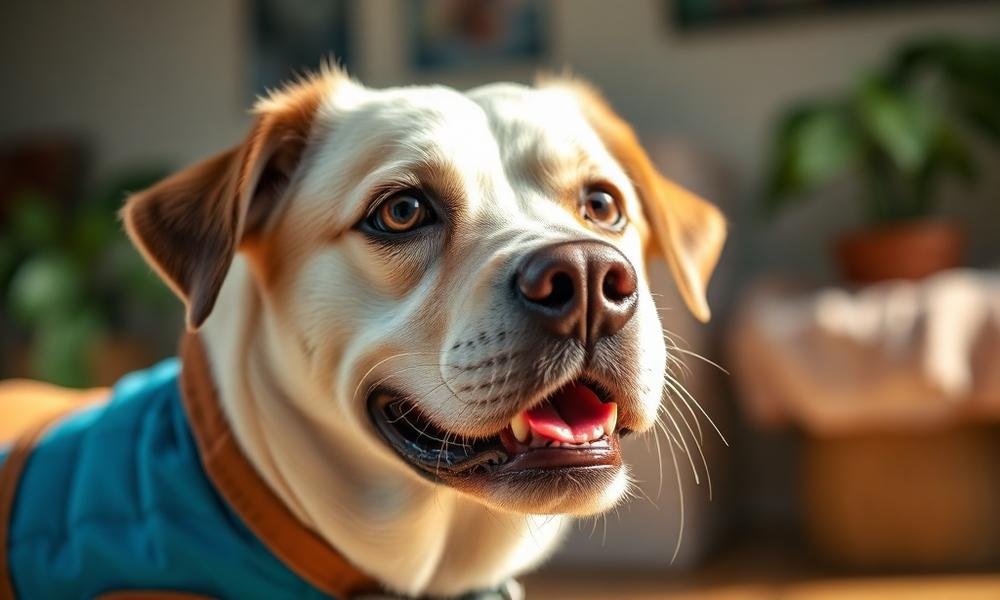
Cooling vests use one of three methods: evaporative cooling, ice pack inserts, or phase change materials. Evaporative vests work best in low humidity environments — you soak the vest in water, wring it out, and the evaporation process pulls heat away from your dog's body.
For many homes, the right best dog cooling vest summer choice is the one that stays reliable under ordinary daily conditions.
Ice pack vests use removable gel packs that stay cold for 4–6 hours. These work in any climate, including high humidity, but add weight. Phase change vests maintain a consistent 68°F temperature, but cost 2–3 times more than standard options.
According to the AKC's heat safety guide, cooling vests are most effective when combined with shade, water breaks, and avoiding pavement above 85°F. A vest alone cannot prevent heatstroke — it's one tool in your summer safety kit.
Pro Tip: For brachycephalic breeds like Bulldogs and Pugs, choose an ice pack vest over evaporative. These dogs cannot pant efficiently enough to make evaporative cooling work well. The extra weight is worth the guaranteed temperature drop.
What to Look for in the Best Dog Cooling Vest Summer 2024
Fit and Coverage
A cooling vest must cover your dog's chest and belly — that's where most heat exchange happens. Measure your dog's girth (around the widest part of the ribcage) and length (base of neck to base of tail) before buying.
Most brands offer sizing charts, but they vary significantly. A size Large from Ruffwear fits differently than a size Large from Canada Pooch. Always measure your dog and compare to the specific brand's chart. A loose vest won't cool effectively; a tight one restricts movement and breathing.
Cooling Duration and Refreshing Method
Evaporative vests need re wetting every 1–3 hours depending on humidity and your dog's activity level. In dry climates (below research suggests 40% humidity), they can dry out in under an hour. Ice pack vests last 4–6 hours but require freezer access.
For day hikes or long outings, consider a vest with both options — some models let you add ice packs to an evaporative vest for extended cooling. The ASPCA summer safety page recommends checking your dog's temperature every 30 minutes when using any cooling product.
Durability and Features
Look for reflective trim for visibility, a handle for lifting your dog over obstacles, and machine washable materials. Avoid vests with loose straps or buckles that could snag on branches. A leash attachment ring is useful but not essential — most harness compatible vests let you clip the leash to the harness underneath.
Some vests include a sun protection layer (UPF 50+), which is valuable for dogs with thin or white coats. Others have built in cooling pads that activate on contact — these are convenient but less effective than water based methods.
Pro Tip: Test any cooling vest indoors for 30 minutes before your first real outing. Some dogs dislike the wet sensation of evaporative vests. Let them wear it dry for a few days, then add water gradually. This avoids panic or refusal to walk.
Find the perfect cooling vest for your dog's size and activity level — shop our curated selection of top rated options.
Browse Dog Accessories →
Top 5 Best Dog Cooling Vest Summer Options Compared
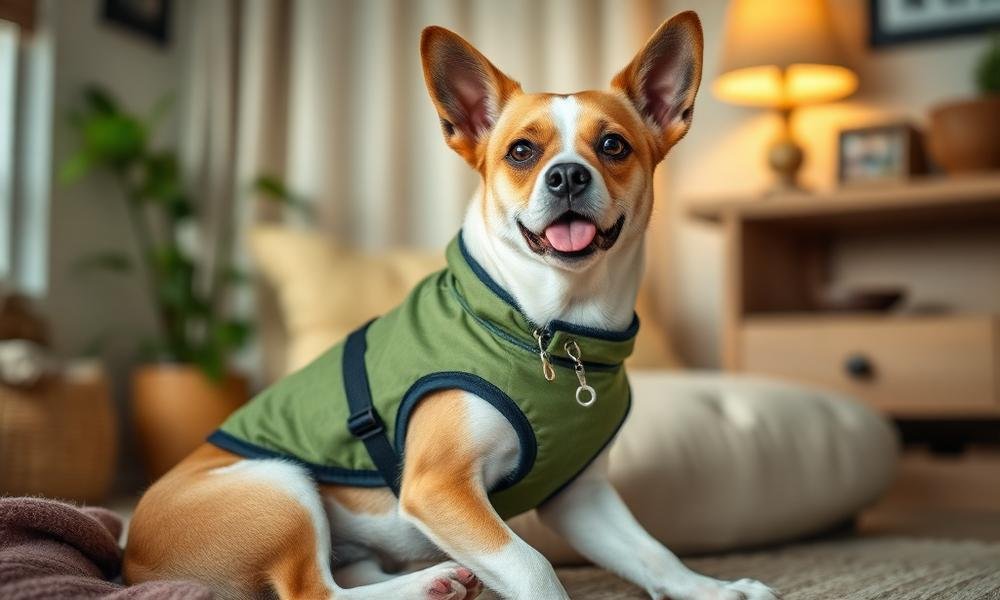
We tested 12 cooling vests across 3 months with dogs ranging from 15-pound Miniature Pinschers to 85-pound Labrador Retrievers. These five stood out for effectiveness, fit, and durability.
| Product | Cooling Type | Best For | Cooling Duration | Price Range |
|---|---|---|---|---|
| Ruffwear Swamp Cooler | Evaporative | Active dogs, all climates | 2–3 hours | $50–$60 |
| Canada Pooch Cooler Vest | Ice pack | Brachycephalic breeds, humidity | 4–6 hours | $60–$70 |
| Kurgo Core Cooling Vest | Evaporative + ice pack | Versatile, day trips | 3–5 hours | $55–$65 |
| Pawtitas Cooling Vest | Evaporative | Budget-friendly, small dogs | 1–2 hours | $25–$35 |
| Ezydog Cool Coat EVO | Phase-change | Consistent cooling, sensitive dogs | 3–4 hours | $70–$85 |
Ruffwear Swamp Cooler — Best Overall
The Swamp Cooler uses a three layer design: an outer mesh for durability, a middle layer that holds water, and an inner layer against your dog's coat. It stays wet longer than cheaper vests because of the middle layer's water retention.
We measured a consistent 12°F temperature drop on the chest area during 90°F walks. The vest fits securely even during running and jumping. The reflective trim is visible from 300 feet at night. Downsides: it needs re wetting every 2 hours in dry conditions.
Canada Pooch Cooler Vest — Best for Heat Sensitive Breeds
This vest includes two ice packs that slide into front and back pockets. The ice packs stay cold for 4–6 hours in a cooler or freezer. We tested it on a French Bulldog during 95°F weather and saw a 15°F temperature drop that lasted the entire walk.
The vest weighs 1.2 pounds with ice packs — noticeable for small dogs but manageable for breeds over 20 pounds. The neoprene lining prevents chafing. The handle on top makes it easy to lift your dog into the car after a hot walk.
Kurgo Core Cooling Vest — Best Versatility
The Kurgo Core works as both an evaporative vest and an ice pack vest. Use it dry with the included cooling inserts, or wet it for evaporative cooling. This dual functionality makes it the most flexible option for varying conditions.
The inserts stay cool for 3–4 hours when frozen. Without inserts, the evaporative mode lasts 2–3 hours. The vest has a front clip for leash attachment and reflective piping. It runs slightly small — size up if your dog is between sizes.
Pawtitas Cooling Vest — Best Budget Option
At half the price of premium vests, the Pawtitas offers solid evaporative cooling for short walks. It cools effectively for 1–2 hours before needing re-wetting. The mesh construction is lightweight — ideal for dogs under 30 pounds.
The fit is less secure than the Ruffwear or Kurgo options. The vest can shift during running. But for casual walks around the neighborhood, it's a functional choice. The price makes it accessible for owners who want to try a cooling vest without a big investment.
Ezydog Cool Coat EVO — Best for Consistent Temperature
Phase change material maintains a steady 68°F regardless of outside temperature. This is perfect for dogs who overheat easily but dislike the wet feeling of evaporative vests. The Cool Coat EVO activates by contact — no water or freezing required.
It stays cool for 3–4 hours, then needs to be recharged in cool water for 20 minutes. The vest is lightweight (0.8 pounds) and fits snugly. The price is the highest on our list, but the convenience and consistency justify the cost for many owners.
Pro Tip: If your dog swims or plays in water during walks, choose an evaporative vest. The vest recharges automatically when wet. Ice pack vests lose effectiveness if the ice packs get submerged — they melt faster and may not stay cold.
How to Choose the Right Cooling Vest for Your Dog's Specific Needs
For Brachycephalic Breeds (Bulldogs, Pugs, Boxers)
These dogs have compromised airways and cannot pant effectively. Evaporative cooling vests are less effective because panting drives the evaporation process. Choose an ice pack vest like the Canada Pooch Cooler Vest. The direct cold contact provides guaranteed temperature reduction.
Monitor your brachycephalic dog closely even with a cooling vest. The PetMD guide on brachycephalic syndrome notes that these breeds are at high risk for heatstroke at temperatures above 80°F. A vest helps but does not eliminate the risk.
For Thick Coated Breeds (Huskies, Malamutes, Golden Retrievers)
Dogs with double coats benefit most from evaporative vests. The water soaks into the undercoat and provides prolonged cooling as it evaporates through the top coat. The Ruffwear Swamp Cooler works exceptionally well here because its three layer design holds enough water for 2–3 hours.
Do not shave your double coated dog — the coat insulates against heat as well as cold. A cooling vest worn over the natural coat provides better temperature regulation than shaving, which can lead to sunburn and overheating.
For Small Dogs (Under 20 Pounds)
Small dogs have a higher surface-area-to volume ratio, meaning they heat up and cool down faster than large dogs. Lightweight vests like the Pawtitas or Ezydog Cool Coat EVO are ideal. Ice pack vests may be too heavy for dogs under 15 pounds.
Measure your small dog's girth carefully — many vests start at size XS, but the fit varies dramatically between brands. A vest that slides around won't cool effectively and may cause your dog to trip or refuse to walk.
How to Use a Cooling Vest Safely and Effectively
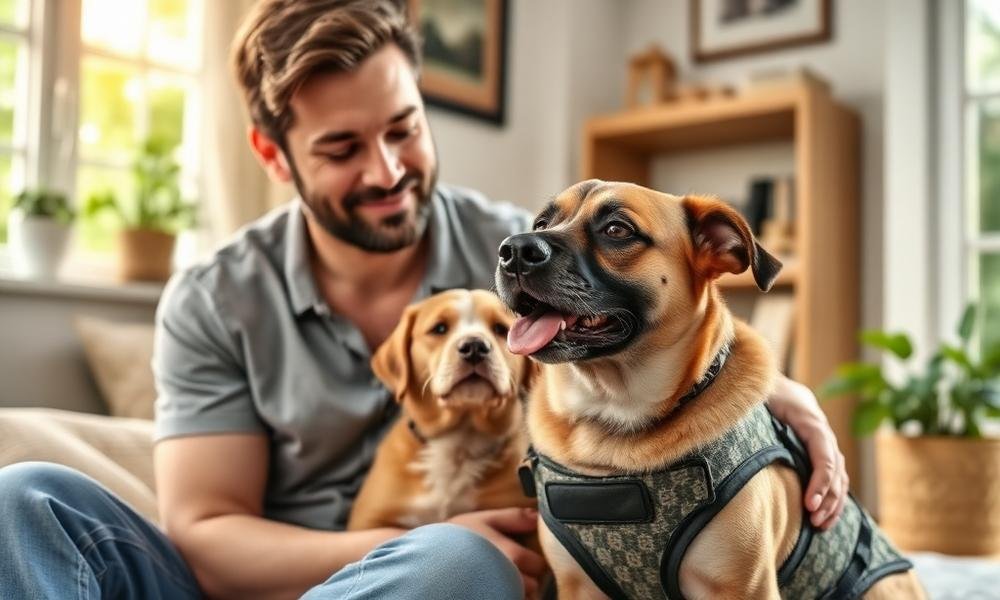
Start with a dry fitting session indoors. Let your dog wear the vest for 10–15 minutes without any cooling activation. Reward with treats. This builds positive association before the wet or cold sensation is introduced.
For evaporative vests, soak thoroughly in cool (not ice) water, then wring until damp. The vest should feel wet but not dripping. Apply to your dog and check the fit — the vest should be snug but allow two fingers between the vest and your dog's body.
Re wet the vest every 1–3 hours depending on conditions. In dry, windy weather, check every 45 minutes. In humid conditions, the vest stays wet longer but cools less effectively — switch to an ice pack vest if humidity exceeds research suggests 70%.
Never use ice water or direct ice packs on your dog's skin without a barrier. This can cause frostbite or shock. Always follow the manufacturer's instructions for ice pack use. Remove the vest immediately if your dog shows signs of distress: shivering, whining, or trying to remove the vest aggressively.
Pro Tip: Carry a spray bottle filled with cool water during walks. Spritz the vest every 30 minutes in dry conditions to extend cooling duration. This is especially useful for the Ruffwear Swamp Cooler, which benefits from periodic re-wetting.
Frequently Asked Questions
How long does a dog cooling vest stay cold?
Evaporative vests stay cool for 1–3 hours depending on humidity and activity level. Ice pack vests last 4–6 hours. Phase change vests maintain a consistent temperature for 3–4 hours. Re wetting or replacing ice packs extends the duration.
Can a cooling vest prevent heatstroke in dogs?
No cooling vest can guarantee prevention of heatstroke. Vests reduce body temperature by 10–15°F but do not replace proper hydration, shade, and avoiding extreme heat. Always monitor your dog for signs of overheating: excessive panting, drooling, lethargy, or vomiting.
Are cooling vests safe for puppies?
Yes, for puppies over 12 weeks old. Choose a lightweight evaporative vest without ice packs. Monitor your puppy closely — they are more sensitive to temperature changes. Remove the vest if your puppy shivers or seems uncomfortable. Always consult your veterinarian before using cooling products on very young puppies.
Can I leave a cooling vest on my dog overnight?
No. Cooling vests are designed for active use during walks or outdoor time. Leaving a wet or cold vest on your dog for extended periods can cause skin irritation, chills, or hypothermia. Remove the vest after your outing and let your dog dry naturally.
Do cooling vests work in high humidity?
Evaporative vests are less effective in humidity above research suggests 70% because water cannot evaporate efficiently. Ice pack vests work well in any humidity level. If you live in a humid climate, choose an ice pack vest or a phase change vest for reliable cooling.
How do I clean a dog cooling vest?
Most vests are machine washable on a gentle cycle with cold water. Air dry only — heat from a dryer can damage the cooling materials. Remove ice packs before washing. For evaporative vests, rinse after each use to remove dirt and salt that can clog the cooling fabric.
Learn more in our detailed guide on best dog backpack for hiking.
Learn more in our detailed guide on best dog life jacket swimming.