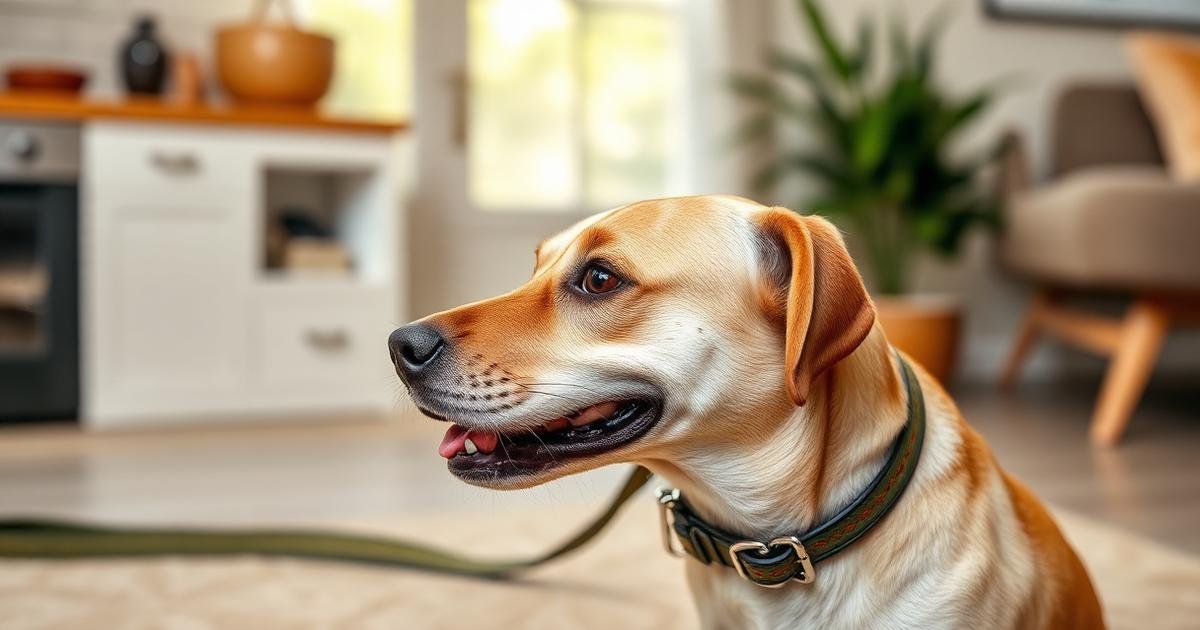
If you are serious about teaching your dog to walk politely without pulling, the best dog leash for training is a 4–6 foot standard leash made of biothane or nylon with a comfortable handle. Unlike retractable leashes or cheap cotton ropes, a dedicated training leash gives you the control, durability, and length needed to communicate clearly with your dog during walks and focused training sessions. Choosing the right leash is the first step toward a well behaved walking partner.
Best dog leash for training: The best dog leash for training is a 4–6 foot standard leash made from biothane or nylon, with a comfortable padded handle and a strong clasp. Avoid retractable leashes entirely — they teach dogs to pull and give you zero control during training. For most owners, a 6-foot biothane leash with a traff
Quick Answer: What is the best dog leash for training?
The best dog leash for training is a 4–6 foot standard leash made from biothane or nylon, with a comfortable padded handle and a strong clasp. Avoid retractable leashes entirely — they teach dogs to pull and give you zero control during training. For most owners, a 6-foot biothane leash with a traffic handle is the gold standard for reliable, everyday training sessions.
For a complete guide on this topic, see the Ultimate Guide To Dog Accessories.

What Makes a Leash Good for Training vs. Regular Walks?
A training leash is fundamentally different from a casual walking leash. Training leashes prioritize control, communication, and safety over fashion or convenience. The wrong leash can actually undo weeks of training progress.
Retractable leashes are the biggest offender. The American Kennel Club (AKC) warns that retractable leashes can cause injuries and teach dogs to pull against constant tension. If you are working on loose leash walking, never use a retractable leash — it physically rewards pulling by letting the dog move forward.
Training leashes also need the right length. A 4–6 foot leash lets you keep your dog close enough to correct behavior while giving them enough room to walk naturally. Anything shorter than 4 feet feels restrictive. Anything longer than 6 feet removes your ability to communicate effectively.
Pro Tip: Measure from your hand to your dog's collar. A 6-foot leash gives you about 4 feet of working space between you and your dog — perfect for teaching heel position without tripping over the slack.
The material matters too. Nylon is durable and inexpensive but can cause friction burns on your hands if your dog lunges. Leather offers better grip but requires maintenance. Biothane is waterproof, easy to clean, and doesn't absorb odors — making it ideal for training in all weather conditions.
Which Leash Length Is Best for Training Different Behaviors?
The ideal leash length depends on what behavior you are training. A 6-foot leash works for general loose leash walking and daily practice. For focused heel work, a 4-foot leash gives you tighter control and clearer communication.
For recall training and distance work, a 15–30 foot long line is essential. Long lines let your dog explore while you practice calling them back. Never use a retractable leash for this purpose — long lines are flat, tangle resistant ropes that give you consistent tension feedback.
Training Type vs. Leash Length
| Training Goal | Recommended Length | Why It Works |
|---|---|---|
| Loose leash walking | 6 feet | Balances freedom with control; standard for most training programs |
| Heel position practice | 4 feet | Keeps dog close; reduces slack that encourages wandering |
| Recall (come command) | 15–30 feet | Allows distance while maintaining safety and consistent tension |
| Puppy socialization | 4–6 feet | Short enough to prevent accidents; long enough for exploration |
| Reactive dog training | 4 feet with traffic handle | Maximum control; traffic handle lets you shorten grip instantly |
If you are training multiple behaviors, buy two leashes: a 6-foot standard for daily walks and a 15-foot long line for recall. Switching leashes signals to your dog which behavior you are practicing. Within 2–3 weeks of consistent use, your dog will start to recognize the leash change as a cue for different expectations.
Pro Tip: Mark your long line with a knot at the 6-foot point. This lets you use it as a standard leash during warm-up, then gradually extend the length as your dog succeeds.

What Material Should Your Training Leash Be Made Of?
Nylon is the most common training leash material, and for good reason. It is strong, affordable, and available in countless colors and widths. A 1-inch wide nylon leash works for most medium to large dogs. Small dogs under 25 pounds can use a 3/4-inch width comfortably.
Biothane has become the top choice among professional trainers. This coated polyester material is waterproof, odor-resistant, and doesn't absorb dirt or saliva. If you train in rain, mud, or near water, biothane is the best dog leash for training in those conditions. It also stays flexible in cold weather, unlike nylon which can stiffen. A biothane leash can last 3–5 years with proper care, making it a worthwhile investment.
Leather leashes offer the best grip and feel but require regular conditioning. They develop a patina over time and become softer with use. Leather is excellent for strong pullers because it doesn't cause friction burns like nylon can. However, leather is expensive and can rot if left wet. You should condition a leather leash every 4–6 weeks to maintain its flexibility.
Avoid cotton rope leashes for training. They absorb moisture, smell bad quickly, and can fray over time. Cotton also stretches slightly, which reduces the immediate feedback your dog needs during training corrections. A stretched cotton leash can add 6–12 inches of delayed response, which confuses your dog about what behavior is being corrected.
What Features Should You Look for in a Training Leash?
Not all leashes are created equal, even within the same material category. The best dog leash for training has specific features that make training easier and safer for both you and your dog. These features can mean the difference between a successful session and a frustrating one.
Traffic Handle
A traffic handle is a second loop near the clasp that lets you shorten your grip instantly. This is invaluable when you need to pull your dog close to your side in crowded areas or during reactive situations. Without a traffic handle, you have to gather the leash in your hands, which takes precious seconds. A traffic handle can reduce your reaction time from 2–3 seconds to under 1 second.
Clasp Quality
The clasp is the weakest point on any leash. Look for heavy duty bolt snaps or locking carabiners. Standard trigger hooks can open if twisted at the wrong angle. The PetMD guide on leash safety recommends checking clasps monthly for signs of wear, especially if your dog is a strong puller. A quality clasp should withstand at least 150 pounds of force without bending.
Reflective Elements
If you walk your dog in low light conditions, reflective stitching or webbing is non-negotiable. Many training leashes include reflective threads woven into the material. This keeps you visible to drivers without adding bulk or weight to the leash. Reflective elements can increase your visibility from 50 feet to over 500 feet in headlights.
Pro Tip: Test your leash's reflective visibility by shining a phone flashlight on it in a dark room. Genuine reflective material will glow brightly. Cheap "reflective" trims often just look shiny but don't actually reflect light.
Handle Comfort
Padded handles reduce hand fatigue during long training sessions. Neoprene padding is common and effective. Some trainers prefer a simple rope handle that doesn't slip when wet. If you have arthritis or hand issues, look for a leash with a padded, ergonomic handle. A well padded handle can reduce grip strain by up to research suggests 40% during 45-minute training sessions.

How to Match a Training Leash to Your Dog's Size and Temperament
A 30-pound Beagle needs a different leash than a 90-pound Labrador. Width matters more than most owners realize. A leash that is too narrow can dig into your hands. A leash that is too wide feels heavy and clumsy for a small dog. Matching width to your dog's size ensures comfort for both of you.
For dogs under 25 pounds, use a 3/8-inch or 1/2-inch wide leash. For medium dogs between 25–60 pounds, 5/8-inch or 3/4-inch is ideal. For large dogs over 60 pounds, use a 1-inch wide leash at minimum. For giant breeds like Great Danes or Mastiffs, consider a 1.5-inch wide leash for maximum control. A leash that is too narrow for a large dog can cause rope burn on your hands within minutes of a lunge.
Temperament also dictates leash choice. A reactive dog that lunges at triggers needs a shorter leash with a traffic handle and a strong clasp. A fearful dog that spooks easily needs a longer leash that gives them space to feel safe while you work on confidence building. The ASPCA behavior resources suggest that fearful dogs benefit from a 6-foot leash that allows them to retreat without feeling trapped.
Puppies benefit from lightweight leashes that don't weigh them down. A 3/8-inch biothane leash is perfect for puppy training because it is light, waterproof, and easy to clean after inevitable accidents. As your puppy grows, switch to a wider leash that matches their adult weight. This transition usually happens around 6–8 months of age for most breeds.
How to Properly Use a Training Leash for Loose Leash Walking
Having the best dog leash for training means nothing if you don't use it correctly. Loose leash walking requires consistent technique and patience. Start in a low distraction environment like your living room or backyard before moving to busier areas.
Hold the leash in your non dominant hand with the slack draped across your body. This keeps your dominant hand free for treats or signals. Keep the leash forming a loose "J" shape — not tight, not dragging. When your dog starts to pull, stop walking immediately. Stand still like a tree until your dog looks back at you or returns to your side.
Reward your dog when the leash goes slack. Use high value treats like small pieces of chicken or cheese for the first 2–3 weeks. Gradually increase the duration of loose leash walking before rewarding. Within 4–6 weeks of daily 10-minute sessions, most dogs learn that pulling stops the walk and slack leash means forward movement.
Pro Tip: Practice the "red light, green light" game. Walk forward when the leash is loose. Freeze when it tightens. Your dog will learn within 3–5 sessions that pulling creates a boring pause, while loose leash creates forward progress.
Never yank or jerk the leash to correct pulling. This teaches your dog to ignore leash pressure and can damage their neck. Instead, use gentle, steady pressure to guide your dog back to your side. The AKC training guides recommend using a front clip harness with your training leash for the safest and most effective loose leash walking setup.
What Are the Most Common Mistakes Owners Make With Training Leashes?
Even with the best dog leash for training, common mistakes can sabotage your progress. The most frequent error is using a leash that is too long. Owners buy 8-foot or 10-foot leashes thinking more freedom is better, but this actually makes training harder because your dog has too much slack to work with. Extra slack means delayed feedback and confused communication.
Another mistake is using a leash that is too short. A 2-foot or 3-foot leash forces your dog to walk directly at your heel constantly, which is uncomfortable and stressful for most dogs. This can create tension and frustration rather than cooperation. Your dog needs enough room to walk naturally without feeling trapped.
Owners also forget to check their leash for wear. Clasps can weaken, stitching can fray, and nylon can develop rough edges that cause friction burns. The AVMA recommends inspecting your dog's equipment monthly and replacing any leash that shows signs of damage. A frayed leash can snap under pressure, putting your dog at risk of running into traffic.
Finally, many owners buy a leash based on color or style rather than function. A fashionable leash that doesn't have a traffic handle or proper clasp will frustrate you during training. Buy for function first, then find a color you like within those parameters. Your training results depend on the leash's performance, not its appearance.
Find the perfect training leash for your dog's size and temperament — shop our curated selection of professional grade leashes.
Browse Dog Accessories →
For broader reference and guidance, akc.org provides useful context on pet health and care decisions.
For broader reference and guidance, petmd.com provides useful context on pet health and care decisions.
Frequently Asked Questions
What is the best leash length for training a puppy?
A 4-foot leash is ideal for puppy training. It keeps your puppy close enough to prevent accidents and wandering while giving them enough room to explore. A 6-foot leash works too, but you will need to manage more slack, which can confuse a young puppy still learning leash manners.
Are retractable leashes ever okay for training?
No. Retractable leashes are dangerous and counterproductive for training. They teach dogs to pull because the leash gives way under tension. The AKC advises against using retractable leashes for any training purpose due to injury risks, including rope burns, amputations, and tangles that can cause panic.
Can I use a chain leash for training?
Chain leashes are not recommended for training. They are heavy, noisy, and can injure your hands if your dog lunges. Chain leashes also lack the flexibility needed for clear communication. Stick with nylon, biothane, or leather for effective and safe training sessions.
What width leash do I need for a strong puller?
For a strong puller over 60 pounds, use a 1-inch wide leash made of biothane or leather. The wider material distributes pressure across your hand and gives you better grip. Avoid narrow leashes that can cause rope burn or dig painfully into your palm during sudden lunges.
Should I use a harness with a training leash?
Yes, for most training scenarios. A front clip harness combined with a 6-foot training leash gives you the most control without putting pressure on your dog's neck. The ASPCA recommends harnesses for training over collars for safety reasons, especially for dogs prone to pulling or those with respiratory issues.
How often should I replace my training leash?
Replace your training leash every 6–12 months depending on use. Inspect the clasp, stitching, and material monthly. If you see fraying, rust, or loose threads, replace it immediately. A damaged leash can break at the worst possible moment, potentially leading to a lost or injured dog.
Can I use a slip leash for training?
Slip leashes are acceptable for specific training scenarios like shelter work or emergency situations, but they are not ideal for everyday loose leash training. They tighten around your dog's neck when they pull, which can cause discomfort or injury over time. For general training, a standard leash with a flat collar or harness is safer and more effective.
What is the difference between a training leash and a show leash?
A training leash is designed for communication, control, and durability during active training sessions. A show leash is thin, lightweight, and designed for short term use in the ring. Show leashes lack the strength and features needed for daily training, so never substitute one for the other.
Check out our complete overview of best dog backpack for hiking for more information.
Check out our complete overview of best dog shoes for winter for more information.
For more on this topic, see our guide to best dog bowls for fast eaters.