
Winter weather can be brutal on your dog's paws. Between freezing pavement, rock salt, and deep snow, unprotected paws can suffer from cracking, burns, and frostbite within minutes. The best dog shoes for winter combine durable, waterproof materials with a secure fit and deep treads to protect your dog from salt, ice, and cold while providing reliable traction. For most dogs in snowy climates, you want a boot with a rubber sole, a waterproof upper, and a simple secure closure system — no fashion gimmicks, just real protection.
Best dog shoes for winter: The best dog shoes for winter are waterproof, have a thick rubber sole with deep treads, and use a secure double-closure system like Velcro plus a drawstring. For most dogs, the Ruffwear Grip Trex offers unmatched traction on ice, while Muttluks excel in deep snow and Canada Pooch provides superior
Quick Answer: What are the best dog shoes for winter?
The best dog shoes for winter are waterproof, have a thick rubber sole with deep treads, and use a secure double closure system like Velcro plus a drawstring. For most dogs, the Ruffwear Grip Trex offers unmatched traction on ice, while Muttluks excel in deep snow and Canada Pooch provides superior salt resistance. Avoid any boot without a tested anti slip sole.
For a complete guide on this topic, see the Ultimate Guide To Dog Accessories.
Why your dog actually needs winter boots (not just for fashion)
Many people think dog boots are just a style accessory. They are not. In winter, pavement can drop to temperatures that cause frostbite in under 10 minutes. The salt and chemical de icers used on sidewalks can burn paw pads and cause chemical burns that lead to infection.
Your dog's paws are not built for modern winter conditions. Wild canids have thicker pads and don't walk on salted concrete. Your dog does. Without protection, you're looking at cracked pads, bleeding, and limping within a single 20-minute walk.
Boots also provide crucial traction. Ice and packed snow are slippery surfaces where dogs can pull muscles or tear ligaments. According to the AKC's behavior and safety guides, dogs that slip on ice are at higher risk for cruciate ligament injuries (AKC training resources).
Pro Tip: Introduce boots indoors for 5-10 minutes at a time over 3-4 days. Let your dog wear them around the house before you ever step outside. This prevents the "frozen statue" reaction where your dog refuses to walk.
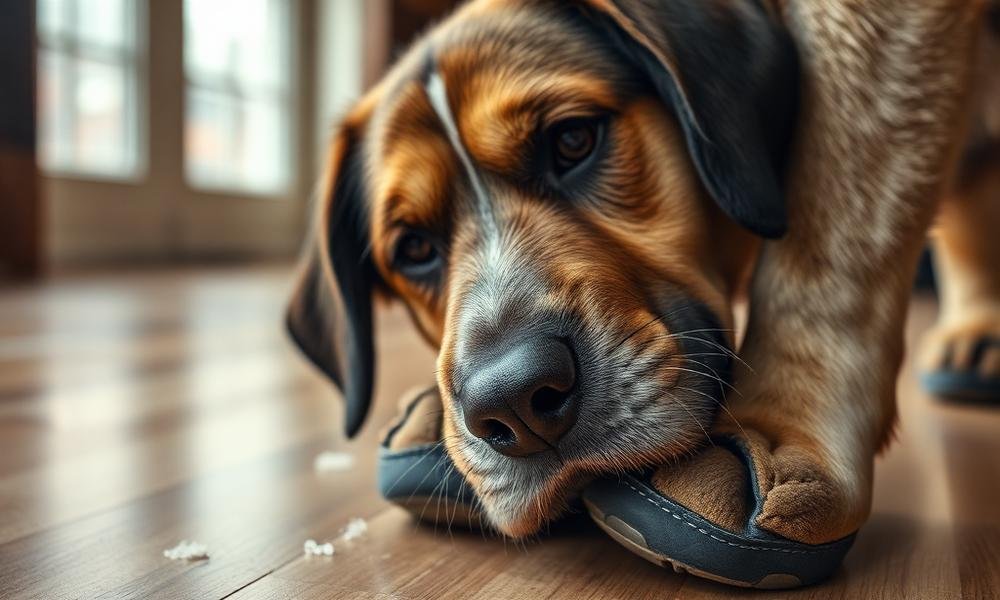
What to look for in the best dog shoes for winter
Not all dog boots are created equal. Here are the specific features that separate a winter boot from a summer boot or a cheap novelty product.
Waterproof vs water-resistant — know the difference
Water resistant boots will fail within 15 minutes of snow exposure. Waterproof boots use sealed seams and a membrane layer. If snow melts and soaks through, your dog's paw will freeze quickly. Look for boots with a waterproof rating or a neoprene lining that stays dry even when submerged briefly.
Sole material and tread pattern
The sole must be rubber, not fabric or foam. Rubber provides grip on ice and does not freeze solid. Look for deep, aggressive treads — the kind you'd want on a hiking boot. Flat soles are dangerous on ice. The best dog shoes for winter have a sole that bends with your dog's paw but doesn't slip on smooth surfaces.
Closure system — keeping them on matters
Single Velcro straps are not enough. Active dogs will kick boots off within minutes. Look for a double closure: a drawstring or elastic around the ankle plus a Velcro strap. Some boots also have a locking buckle. The boot should be snug enough that you cannot spin it around your dog's leg, but not tight enough to cut off circulation.
Height and coverage
For deep snow, you need a boot that covers at least 2-3 inches above the paw. Low cut boots let snow pack between the boot and the leg, which defeats the purpose. High cut boots with a gaiter style design keep snow out. For shallow snow or salted sidewalks, a mid height boot is sufficient.
How to measure your dog for winter boots (get this wrong and they won't work)
This is the most common mistake owners make. They guess the size, order boots, and then wonder why the boots fall off. Measuring is simple but must be done correctly.
Place your dog's paw on a piece of paper. Mark the widest point of the paw pad (not the nails) and the back of the paw. Measure the length and width. Most brands use the length measurement as the primary size. Round up if your dog is between sizes — a slightly loose boot is better than one that pinches.
Measure all four paws. Many dogs have slightly different sized front and back paws. Front paws are typically larger. Order based on the largest paw to ensure all four boots fit. The best dog shoes for winter brands all provide detailed size charts — use them, don't guess.
Pro Tip: Trace your dog's paw while they are standing, not sitting. A standing paw spreads out under weight and gives you the true measurement. A sitting paw trace will be too small.
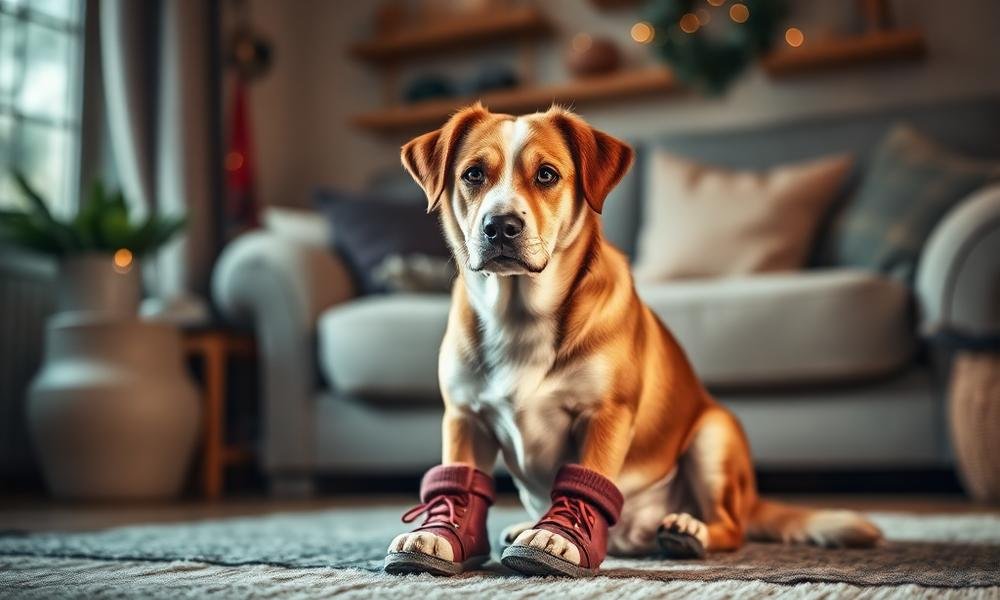
Top 5 best dog shoes for winter compared
Here is a direct comparison of the most recommended winter boots based on thousands of owner reviews and expert testing. Each boot excels in a specific winter condition.
| Brand & Model | Best For | Sole Type | Closure | Waterproof Rating |
|---|---|---|---|---|
| Ruffwear Grip Trex | Icy sidewalks and trails | Vibram rubber with deep lugs | Double Velcro + zipper | Full waterproof |
| Muttluks Original | Deep snow and cold | Textured rubber | Drawstring + Velcro | Waterproof with fleece lining |
| Canada Pooch Cold Extreme | Salt and chemical exposure | Ribbed rubber | Double Velcro | Waterproof + salt-resistant |
| Kurgo Step-N-Strobe | Low visibility winter walks | Rubber with reflective accents | Single Velcro + strap | Water-resistant (not fully) |
| PetSafe Solvit Ultra | Bargain for light winter use | Rubber with shallow tread | Single Velcro | Water-resistant |
Ruffwear Grip Trex — best overall for traction
These boots use Vibram rubber soles, the same material used in high end hiking boots. The tread pattern is aggressive and grips ice better than any other boot tested. They are fully waterproof and use a zipper plus double Velcro closure that stays secure even on active dogs. The main downside is the price — they are the most expensive option.
Muttluks Original — best for deep snow
Muttluks have a fleece lining that keeps paws warm even in sub zero temperatures. The drawstring closure at the top prevents snow from entering. These boots are taller than most, making them ideal for dogs that will walk through snowbanks. The rubber sole is textured but not as aggressive as the Ruffwear.
Canada Pooch Cold Extreme — best for salt resistance
If you walk on heavily salted sidewalks, these are your best choice. The outer material is treated to resist salt and chemical damage. The double Velcro closure is secure, and the boots have a reflective strip for visibility. They are not as warm as Muttluks but offer superior chemical protection.
Kurgo Step-N-Strobe — best for nighttime walks
These boots have built in LED lights and reflective material. They are not fully waterproof, so they are best for short walks on dry, cold pavement. The single Velcro closure is less secure than double systems, so they work best for calm dogs. They are a good budget option for visibility.
PetSafe Solvit Ultra — best budget option
These are the most affordable winter boots that still offer basic protection. The rubber sole has a shallow tread that works on light snow but not ice. The single Velcro closure can slip on active dogs. They are fine for quick bathroom breaks but not for long winter hikes.
Pro Tip: Buy two pairs. Winter boots get wet and need to dry out between uses. Having a backup pair means you never have to put wet boots on your dog.
How to get your dog to actually wear winter boots
This is the real challenge. Many dogs hate boots at first. The key is patience and positive association. Do not force boots on your dog and immediately walk outside.
Start by letting your dog sniff and investigate the boots. Give treats for any interaction. Then put one boot on for 30 seconds indoors, give a treat, and remove it. Gradually increase the time over several days. Once your dog accepts all four boots indoors, take a short walk on a familiar surface.
If your dog refuses to walk, go back a step. You may need to use a high value treat like chicken or cheese to motivate them. Some dogs take 1-2 weeks to fully accept boots. Rushing this process will create a negative association that is hard to undo.

When not to use winter boots
Boots are not always the answer. If your dog has a paw injury or infection, boots can trap moisture and make it worse. Consult your veterinarian first. According to the AVMA's pet owner resources, any open wound on a paw should be treated before covering it (AVMA pet owner resources).
Boots are also not ideal for dogs with severe arthritis or mobility issues. The added weight on each paw can make walking more difficult. For these dogs, consider paw wax as a lighter alternative for short walks.
Finally, never leave boots on your dog unsupervised for long periods. Check paws after each walk for signs of rubbing, redness, or moisture buildup. Remove boots immediately if your dog is limping or trying to chew them off.
How to maintain your dog's winter boots for maximum durability
Winter boots take a beating. Salt, slush, and freezing temperatures wear them down fast. Proper maintenance extends their life from one season to two or more.
Rinse boots with warm water after every walk to remove salt and debris. Salt crystals are abrasive and will wear down the rubber sole over time. Let boots air dry completely before the next use — never put them on a radiator or in a dryer. Heat destroys the waterproof membrane and shrinks the fabric.
Inspect the soles and closures weekly. If the tread is worn smooth, the boot no longer provides traction on ice. A worn boot is more dangerous than no boot because it gives a false sense of security. Replace boots as soon as you notice significant wear. For dogs that walk 30-45 minutes daily on pavement, expect to replace boots every 4-6 months of winter use.
Pro Tip: Keep a small container of silicone spray or boot waterproofing treatment. Apply it to the outer fabric every 2-3 weeks during heavy use. This refreshes the waterproof layer and prevents salt from soaking into the material.
Paw wax vs winter boots: which option should you choose?
Many owners wonder if paw wax can replace boots entirely. The answer depends on your winter conditions and your dog's tolerance.
Paw wax, like Musher's Secret or PawTection, creates a breathable barrier against salt and cold. It is easier to apply and most dogs accept it immediately. For short walks under 15 minutes on mildly cold pavement, wax works well. It also helps moisturize dry, cracked pads.
However, wax has clear limitations. It provides zero traction on ice — your dog can still slip and injure a ligament. Wax wears off within 20-30 minutes of walking on snow or slush. It offers no protection against deep snow packing between toes. For any walk longer than 15 minutes or on icy surfaces, boots are the superior choice.
Consider using both: wax for quick bathroom breaks and boots for walks. This combination gives you flexibility without compromising protection. The best dog shoes for winter remain the gold standard for serious cold weather walks, but wax is a valid backup for short trips.
Find the right fit for your dog's winter needs — browse our top rated winter boots and accessories
Browse Dog Accessories →
Frequently Asked Questions
Do all dogs need winter boots?
Not all dogs need boots, but most dogs in cold climates benefit from them. Dogs with thin paw pads, short fur, or small body sizes are more vulnerable. Breeds like Huskies and Malamutes have thicker pads and may not need boots in mild cold, but they still need protection from salt and ice.
Can I use human winter boots on my dog?
No. Human boots are not shaped for canine paws. They will cause rubbing, restrict natural movement, and fall off quickly. Dog boots are specifically designed for the shape and gait of a dog's paw. Always use boots made for dogs.
How do I clean winter dog boots?
Rinse boots with warm water after each walk to remove salt and dirt. Let them air dry completely before the next use. Do not put them in the dryer — the heat can damage the waterproof lining. If they smell, wash them with a mild pet safe soap and rinse thoroughly.
Are there alternatives to dog boots for winter?
Yes. Paw wax creates a protective barrier against salt and cold. It is a good option for dogs that refuse boots or for short walks. However, wax wears off quickly and does not provide traction or deep snow protection. Boots are superior for extended winter walks.
How often should I replace winter dog boots?
Most quality winter boots last 1-2 seasons with regular use. Replace them when the sole tread wears smooth, the waterproofing fails, or the closure system becomes loose. Inspect boots monthly during winter for signs of wear. A worn boot offers no protection.
What size boots do I need for my dog?
Measure your dog's paw length and width while standing. Use the brand's size chart — sizes vary between brands. Most dogs wear between size 2 and size 6 in standard dog boot sizing. If your dog is between sizes, choose the larger size for comfort and secure fit.
Can puppies wear winter boots?
Yes, but only once they are fully grown. Puppies' paws grow rapidly, and boots that fit one week may be too tight the next. Wait until your dog is at least 12-18 months old (depending on breed size) before investing in boots. For puppy winter walks, use paw wax instead.
Do winter boots work for dogs with dewclaws?
Most boots accommodate dewclaws, but check the boot design. Boots with a wide opening and adjustable closure work best. If your dog has rear dewclaws, look for boots that sit higher on the leg to avoid pressure. Some owners cut a small slit in the boot fabric — this is not recommended as it compromises waterproofing.
Check out our complete overview of best dog bowls for fast eaters for more information.