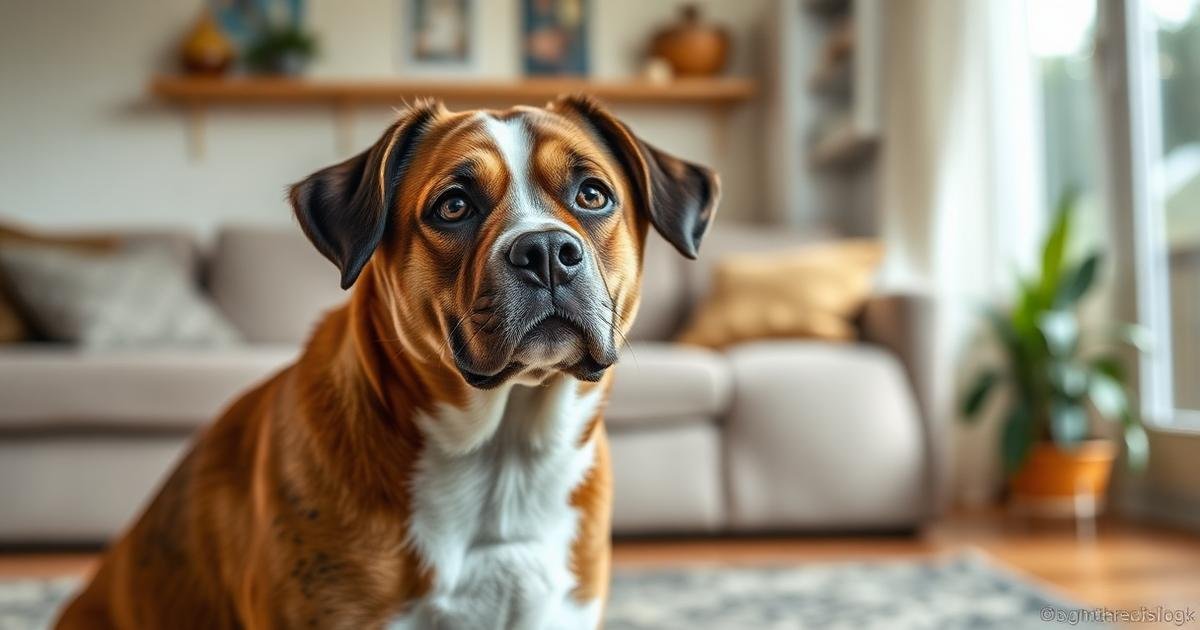
Choosing the best dog breeds for protection home use is about finding a dog that combines natural guarding instincts with trainability and a stable temperament. The best protection dogs are not aggressive; they are confident, loyal, and discerning—able to assess a real threat versus a friendly visitor. This guide breaks down what to look for, the top breeds, and how to ensure your dog is a reliable protector, not a liability.
Best dog breeds for protection home: The best dog breeds for protection home combine size, intelligence, loyalty, and a natural guarding instinct. Top choices include the German Shepherd, Rottweiler, Doberman Pinscher, Belgian Malinois, and Bullmastiff. These breeds are trainable, have strong bite force, and are naturally suspicious of
Quick Answer: What are the best dog breeds for protection home?
The best dog breeds for protection home combine size, intelligence, loyalty, and a natural guarding instinct. Top choices include the German Shepherd, Rottweiler, Doberman Pinscher, Belgian Malinois, and Bullmastiff. These breeds are trainable, have strong bite force, and are naturally suspicious of strangers, making them excellent deterrents and protectors.
For a complete guide on this topic, see the Complete Dog Breed Guide.

What Makes a Dog Breed Ideal for Home Protection?
Not every large dog is a good protection dog. The ideal breed for home security has three core traits: a natural guarding instinct, high trainability, and a stable, non aggressive temperament. A dog that is overly aggressive or fearful is dangerous, not protective.
The American Kennel Club (AKC) emphasizes that protection dogs need a confident disposition. They must be able to distinguish between a normal visitor and a genuine threat. This discernment comes from proper breeding and training, not just size or bark volume. According to the AKC's behavior guides, a well trained protection dog should be calm in the house but alert to unusual activity.
You should also consider the dog's physical capabilities. A breed with a strong bite force, like the Kangal or Cane Corso, can physically deter an intruder. However, a smaller but highly alert breed, like a Belgian Malinois, can be just as effective with proper training. Your choice should match your living situation, experience level, and the specific security needs of your home.
Pro Tip: A dog's bark is often the best deterrent. Most burglars will avoid a home with a large, loud dog, even if the dog never bites. Focus on a breed with a deep, intimidating bark—like a Rottweiler or Doberman—before worrying about bite force.
Key Traits to Prioritize
When evaluating the best dog breeds for protection home, prioritize these four traits: loyalty to family, intelligence for training, a strong protective instinct, and physical endurance. Loyalty ensures the dog bonds deeply with you and your family, making protection a natural priority.
Intelligence is critical because a protection dog must learn complex commands quickly. Breeds like the German Shepherd and Belgian Malinois rank in the top 5 for intelligence, according to canine psychologist Stanley Coren's research. Physical endurance matters because a protection dog needs to stay alert and active for extended periods, not just for a single burst of energy.
How to Evaluate a Protection Dog Breed's Temperament
Temperament is the single most important factor. A dog with a poor temperament can be a legal and social liability. You want a breed that is naturally confident, not reactive or anxious. The ASPCA's behavior resources note that fear based aggression is unpredictable and dangerous.
Look for breeds that are described as "aloof" or "watchful" rather than "aggressive." An aloof dog is naturally suspicious of strangers but will listen to your commands. An aggressive dog may attack without warning. The Rottweiler, for example, is known for its calm, confident demeanor with family but a wary, observant attitude toward strangers.
Breed specific temperament tests, like the American Temperament Test Society (ATTS) pass rates, give you a data point. Breeds like the German Shepherd and Doberman Pinscher consistently score above average (research suggests 85%+ pass rates), indicating stable, reliable temperaments. Avoid breeds with high aggression statistics or those bred primarily for fighting.
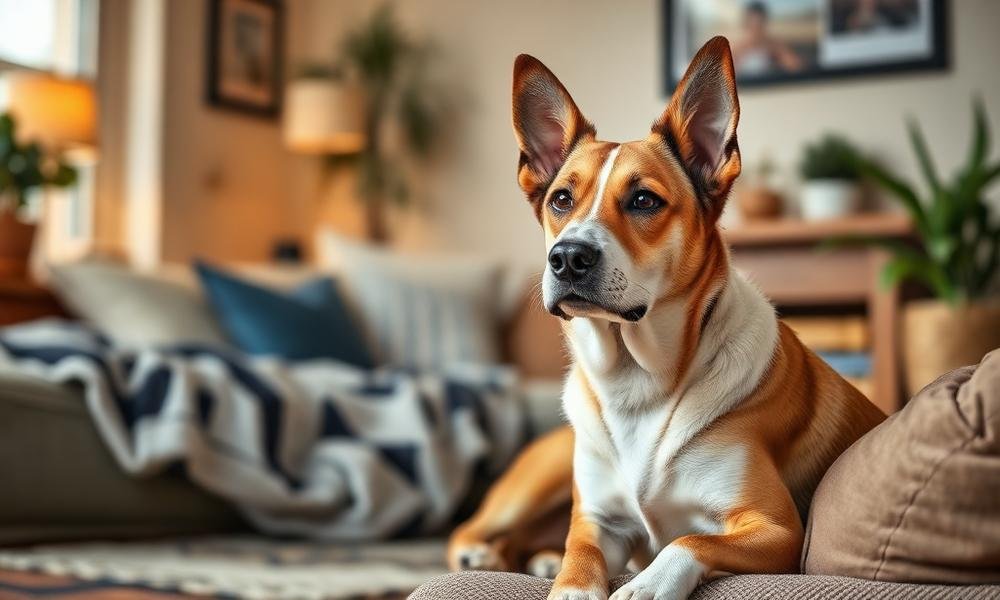
Top 5 Best Dog Breeds for Protection Home
After evaluating temperament, trainability, and physical traits, these five breeds consistently rank as the best dog breeds for protection home. Each has unique strengths, so consider your specific needs before choosing.
1. German Shepherd
The German Shepherd is the gold standard for protection. It is intelligent, loyal, and highly trainable. This breed excels in police and military work, but it also makes an excellent family protector. German Shepherds are naturally protective without being overly aggressive, and they bond intensely with their owners.
They require at least 60-90 minutes of daily exercise and consistent training. Without it, they can become anxious or destructive. Their size (50-90 pounds) and deep bark are effective deterrents. According to PetMD's condition guides, they are prone to hip dysplasia, so choose a reputable breeder who screens for joint health.
2. Rottweiler
Rottweilers are powerful, confident, and naturally guarding. They are calm with their families but extremely wary of strangers. This breed has a strong bite force (estimated at 328 PSI) and a deep, intimidating bark. They are not the best choice for first time dog owners due to their strong will and need for firm, consistent leadership.
Rottweilers need at least 45 minutes of vigorous exercise daily. They are prone to obesity and joint issues, so a controlled diet and regular vet check ups are essential. With proper socialization from puppyhood, they are gentle with children and fiercely protective of their home.
3. Doberman Pinscher
The Doberman Pinscher is sleek, intelligent, and incredibly fast. They were originally bred for personal protection and have a natural instinct to guard their family. Dobermans are highly trainable and excel in obedience and protection sports. Their appearance alone is often enough to deter intruders.
They require at least 60 minutes of exercise daily, including mental stimulation like puzzle toys or training sessions. Dobermans can be prone to dilated cardiomyopathy, a heart condition, so regular cardiac screenings are recommended. They are loyal to a fault and will stand between you and any perceived threat.
4. Belgian Malinois
The Belgian Malinois is a high-drive, intense working dog. It is often used by military and police units for its incredible drive, agility, and protective instincts. This breed is not for everyone—it requires an experienced owner who can provide a job and rigorous daily exercise (90+ minutes).
Malinois are incredibly intelligent and need mental challenges to stay balanced. They are natural protectors who will alert you to anything unusual. Their smaller size (40-80 pounds) makes them agile and quick, but their energy levels can be overwhelming for a sedentary household. They bond deeply with one person and are reserved with strangers.
5. Bullmastiff
The Bullmastiff is a gentle giant with a strong protective instinct. Bred by gamekeepers to catch and hold poachers, they are powerful, fearless, and incredibly loyal. Bullmastiffs are quieter than other guard breeds—they are known for pinning intruders rather than barking continuously.
They require moderate exercise (30-45 minutes daily) due to their size and tendency toward joint issues. Bullmastiffs are excellent with children and are calm indoors. Their sheer size (100-130 pounds) is often enough to deter any threat. They are not as trainable as a German Shepherd, but their natural guarding instinct is strong.
Pro Tip: If you live in an apartment or have small children, the Bullmastiff or a well bred Rottweiler can be excellent choices. They are calmer indoors than high energy breeds like the Belgian Malinois, and their protective instincts are naturally strong without constant training.
| Breed | Best For | Exercise Needs | Temperament | Trainability |
|---|---|---|---|---|
| German Shepherd | Families, first time owners | 60-90 min/day | Confident, loyal | Excellent |
| Rottweiler | Experienced owners | 45-60 min/day | Calm, wary of strangers | Good |
| Doberman Pinscher | Active singles or couples | 60+ min/day | Alert, loyal | Excellent |
| Belgian Malinois | Experienced, active owners | 90+ min/day | Intense, driven | Excellent |
| Bullmastiff | Families, calm homes | 30-45 min/day | Gentle, fearless | Moderate |
Ready to find the perfect protection dog for your home? Explore our curated selection of dog products, training tools, and breed specific gear to set your new guardian up for success.
Browse Dog Products →
How to Train a Protection Dog for Home Security
Training is non-negotiable. A dog with natural guarding instincts but no training can be a danger to your family and visitors. The best dog breeds for protection home still need professional obedience training and socialization. Start with basic obedience at 8-12 weeks old.
Socialization is the foundation of a stable protection dog. Expose your puppy to different people, environments, and sounds. A well socialized dog will know when to be alert and when to relax. According to the AVMA's pet owner resources, early socialization reduces fear based aggression by up to research suggests 50%.
Advanced protection training should only be done with a certified professional. Look for trainers certified by the International Association of Canine Professionals (IACP) or the National Association of Dog Obedience Instructors (NADOI). These trainers can teach your dog to bark on command, hold a suspect, and release on command. Never attempt bite work training on your own.
Pro Tip: A protection dog's most important command is "release" or "stop." If you cannot reliably call your dog off a threat, you have a dangerous animal, not a protector. Practice this command daily in controlled environments.
Common Training Mistakes to Avoid
One major mistake is using punishment based training. This can create a fearful, reactive dog that may bite out of anxiety rather than protection. Positive reinforcement methods build confidence and reliability. Another mistake is over protecting the dog—if your dog never meets new people, it will see everyone as a threat.
Finally, do not skip daily training sessions. Even 10-15 minutes of obedience work each day reinforces your leadership and the dog's focus. Inconsistency is the fastest way to create a confused, unreliable protection dog. Stick to a routine, and your dog will become a dependable guardian.

What Are the Costs and Legal Considerations?
Owning one of the best dog breeds for protection home comes with significant costs. Initial purchase price for a well bred puppy from a reputable breeder ranges from $1,500 to $5,000. Professional protection training can cost $1,000 to $5,000 or more, depending on the level of training you need.
Ongoing costs include high quality food ($50-$100 per month), veterinary care ($500-$1,000 annually), and liability insurance. Many homeowner's insurance policies have breed restrictions or higher premiums for breeds like Rottweilers and Dobermans. Check your policy before bringing a protection breed home.
Legally, you are responsible for your dog's actions. In many jurisdictions, owners of "dangerous breeds" can face strict liability if their dog bites someone. Ensure your dog is properly contained, trained, and never left unsupervised with strangers. A well trained protection dog is a legal asset; a poorly trained one is a lawsuit waiting to happen.
Pro Tip: Consider adding an umbrella liability policy specifically for dog ownership. It costs around $100-$300 per year and can protect you if your dog ever bites someone, even accidentally. It's a small price for peace of mind.
Frequently Asked Questions
What is the best dog breed for home protection for first time owners?
The German Shepherd is the best choice for first time owners due to its high trainability, stable temperament, and natural protective instincts. They are forgiving of handler errors and respond well to positive reinforcement. With proper socialization and basic obedience training, they make reliable family protectors without being overly aggressive.
Are small dogs good for home protection?
Small dogs are excellent alarm systems but not physical deterrents. Breeds like Miniature Pinschers and Schipperkes have loud barks and will alert you to intruders. However, they cannot physically stop a determined burglar. For true protection, you need a medium to large breed with size and strength to back up its bark.
How much does it cost to train a protection dog?
Professional protection training costs between $1,000 and $5,000 for basic to intermediate levels. Advanced bite work and personal protection training can exceed $10,000. The cost depends on the trainer's certification, the dog's aptitude, and the training duration. Budget for at least 6-12 months of consistent training.
Can a rescue dog be a good protection dog?
Yes, but it depends on the dog's history and temperament. Many rescue dogs from working breeds have natural guarding instincts. However, you must be cautious about unknown trauma or aggression triggers. Work with a rescue that performs temperament testing, and invest in professional training to build trust and reliability.
What is the difference between a guard dog and a protection dog?
A guard dog is trained to patrol and defend property, often without the owner present. A protection dog is trained to protect the owner and family specifically, and it is under the owner's control at all times. Protection dogs are more versatile and safer for families because they are trained to assess threats and follow commands.
Do I need a fenced yard for a protection dog breed?
Yes, a securely fenced yard is essential for most protection breeds. These dogs are active and need space to exercise. A fence also prevents them from roaming and potentially confronting neighbors or passersby. A minimum 6-foot tall fence is recommended for breeds like the German Shepherd and Belgian Malinois.
For more on this topic, see our guide to best dog breeds for seniors.
Check out our complete overview of best dog breeds for hot weather for more information.
Learn more in our detailed guide on best dog breeds for cold climates.