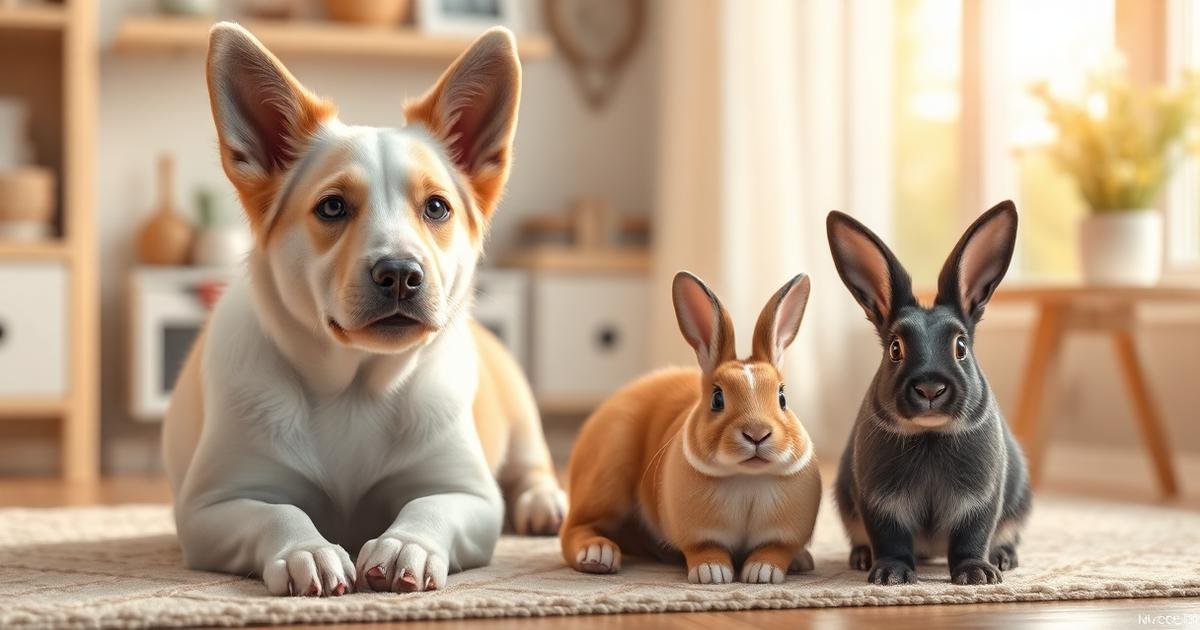
Thinking about bringing a fluffy bundle of energy into your home? You might be wondering, do rabbits/">rabbits make good house pets? The answer is yes, for the right owner. Rabbits can be wonderful, affectionate, and entertaining companions, but they require specific care, space, and a significant time commitment that differs greatly from a cat or dog. This guide will walk you through everything you need to know before making that decision.
Do rabbits make good house pets: Yes, rabbits can make excellent house pets for dedicated owners who understand their needs. They are intelligent, social animals that can be litter-box trained and form strong bonds with their humans. However, they require at least 3-4 hours of supervised exercise daily, a specialized diet of unlimi
Quick Answer: Do Rabbits Make Good House Pets?
Yes, rabbits can make excellent house pets for dedicated owners who understand their needs. They are intelligent, social animals that can be litter box trained and form strong bonds with their humans. However, they require at least 3-4 hours of supervised exercise daily, a specialized diet of unlimited hay, and regular veterinary care from an exotic vet. Rabbits are not low maintenance pets, but for the right person, they are incredibly rewarding companions.
For a complete guide on this topic, see the Small Pet Care Guide.

What Makes Rabbits Good House Pets?
Rabbits are far more interactive than many people assume. They learn their names, respond to cues, and even perform tricks like spinning in circles for a treat. Their quiet nature makes them ideal for apartments or homes where noise is a concern.
Unlike some small pets, rabbits are not nocturnal. They are crepuscular, meaning they are most active at dawn and dusk, which aligns well with most human schedules. You will have quality time to play and bond before and after work.
Their clean habits are another major plus. With proper training, most rabbits will use a litter box consistently within 1-2 weeks. This makes keeping them as free roaming house pets much more manageable than confining them to a cage.
Pro Tip: Spaying or neutering your rabbit is crucial for litter box success and behavior. Altered rabbits are significantly more reliable with their bathroom habits and less likely to spray or mark territory.
Rabbits also have distinct personalities. Some are bold and playful, while others are cuddly and reserved. This variety means you can find a companion that truly fits your lifestyle, whether you want a lap bunny or an adventurous explorer.
Their lifespan of 8-12 years means you are making a long term commitment. This is not a short lived pet like a hamster. You will have a decade or more to build a deep, trusting relationship with your rabbit. Many owners describe this bond as uniquely rewarding because it is earned through patience and gentle care.
What Are the Biggest Challenges of Owning a House Rabbit?
Rabbits are not low maintenance pets. Their housing, diet, and medical care require real effort and expense. Many owners underestimate the daily commitment and the potential for destruction.
The most common issue is chewing. Rabbits have continuously growing teeth and must chew constantly to keep them trimmed. This means your baseboards, furniture legs, electrical cords, and even drywall are at risk. You must rabbit proof every room they access.
Veterinary care is another significant challenge. Rabbits are considered exotic pets, so you need a veterinarian who specializes in them. Routine checkups cost $50-$100, but emergencies like GI stasis can easily run $500-$1,500. Finding an experienced exotic vet can be difficult in rural areas.
Their diet is also specific and non-negotiable. A rabbit's diet must be research suggests 80% grass hay (timothy, orchard, or meadow hay). Pellets should be limited, and sugary fruits or vegetables can cause serious digestive upset. This is not a pet you can feed table scraps.
Finally, rabbits are social animals that can become depressed if left alone for long hours. They need daily interaction and enrichment. If you work 10-hour days, a single rabbit may struggle without a bonded companion.
How Much Space Does a House Rabbit Really Need?
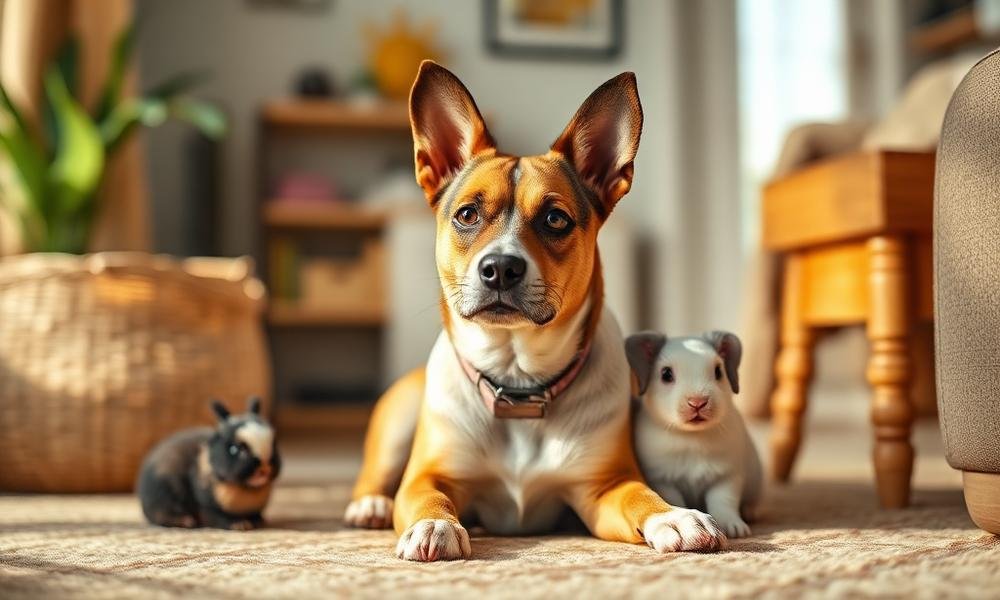
A cage is not enough. The minimum enclosure size for a single rabbit is 4 feet by 2 feet, but this is only for sleeping and eating. Your rabbit needs a dedicated exercise area of at least 32 square feet (4 feet by 8 feet) for daily roaming.
Many owners use exercise pens (x-pens) to create a safe zone. These pens provide ample space for binkying (happy jumps), zoomies, and stretching. A 48-inch tall pen prevents escapes, as rabbits are excellent jumpers.
If you plan to let your rabbit free roam your entire home, you must rabbit proof every room. This means covering all electrical cords with split tubing, blocking access to baseboards with furniture or barriers, and removing toxic houseplants. The ASPCA has a helpful guide on pet-proofing, though it applies to rabbits as well.
Pro Tip: Use a large, low sided litter box (like a cat litter box) filled with paper based pellet litter and a layer of hay on top. Rabbits naturally eat hay while using the bathroom, so this setup encourages good habits.
Rabbits also need vertical space. Provide a ramp, a low shelf, or a cat tree so they can perch and observe their environment. This satisfies their natural instinct to survey for predators and reduces stress.
What Is the Daily Commitment for a House Rabbit?
Expect to spend at least 1-2 hours of direct interaction with your rabbit daily. This includes playtime, training, grooming, and health checks. You also need 15-30 minutes for cleaning their enclosure and litter box.
Grooming requirements vary by breed. Short haired rabbits need brushing once a week, while long haired breeds like Angoras need daily brushing to prevent matting. During heavy shedding seasons (spring and fall), you may need to brush every day to prevent hairballs.
Nail trimming is needed every 4-6 weeks. If you are not comfortable doing this yourself, your vet or a rabbit savvy groomer can handle it. Untrimmed nails can snag on carpets or cause foot injuries.
Health monitoring is a daily task. Check their appetite, poop output, and behavior. Rabbits hide illness well, so any change in eating or droppings is an emergency. A rabbit that stops eating for even 12 hours can develop life threatening GI stasis.
Pro Tip: Keep a small first aid kit for your rabbit with critical care formula (for syringe feeding), simethicone (for gas), and a digital scale. Weighing your rabbit weekly helps catch weight loss early.
What Are the Best Breeds for House Rabbits?
Breed selection matters when considering rabbits as house pets. Not all breeds have the same temperament, size, or care needs. Smaller breeds like the Netherland Dwarf are energetic and can be skittish, while larger breeds like the Flemish Giant are often calmer and more docile.
The Mini Lop and Holland Lop are among the most popular house rabbit breeds. They are friendly, adaptable, and tend to be less destructive than some other breeds. Their floppy ears and compact size make them appealing for indoor living.
Lionhead rabbits are also good candidates for house pets. They are curious and social, but their woolly mane requires regular grooming to prevent matting. Rex rabbits have a plush, velvety coat that sheds less, making them a good choice for owners with mild allergies.
Larger breeds like the French Lop or Checkered Giant need more space and food but are often more laid-back. They are less likely to dart around frantically, which can make them easier to handle for families with children. Always research the specific breed's personality before adopting.
How Do You Rabbit Proof Your Home Effectively?
Rabbit proofing is non negotiable for any house rabbit. Start by getting down on your hands and knees to see your home from a rabbit's perspective. Any cord, wire, or cable within reach must be covered with split loom tubing or moved completely out of sight.
Baseboards are a favorite target for chewing. You can protect them with plastic corner guards, wooden molding covers, or even clear packing tape applied to the edges. Some owners use baby gates to block off rooms that cannot be fully rabbit-proofed.
Toxic plants must be removed. Common houseplants like lilies, philodendron, and aloe vera are dangerous to rabbits. The PetMD website has a comprehensive list of toxic plants that applies to rabbits as well. Stick to safe options like wheatgrass or basil for your rabbit to nibble.
Furniture legs can be wrapped with cardboard or plastic guards. Provide plenty of acceptable chew toys like apple sticks, willow balls, and cardboard boxes. If your rabbit has a legal outlet for chewing, they are far less likely to target your belongings.
Pro Tip: Rotate your rabbit's toys every week to prevent boredom. A bored rabbit is a destructive rabbit. Simple items like empty toilet paper rolls stuffed with hay can provide hours of entertainment.
How Do Rabbits Compare to Other Small Pets?
Rabbits are not like hamsters or guinea pigs. They have longer lifespans (8-12 years), larger space requirements, and a more complex social structure. Unlike hamsters, rabbits are not solitary and thrive with companionship.
Compared to guinea pigs, rabbits are more destructive and require more intense exercise. Guinea pigs are generally more content in a large cage with daily floor time, while rabbits need several hours of supervised roaming to stay healthy.
Rabbits are also more trainable than most small pets. Many learn to come when called, use a litter box, and even navigate simple agility courses. This makes them more interactive and rewarding for owners who enjoy training.
However, rabbits are more fragile than cats or dogs. Their spines are delicate, and improper handling can cause paralysis or death. Children must be taught to sit on the floor and let the rabbit approach, never to pick them up by the ears or scruff.
What Should You Know Before Getting a House Rabbit?
Do not impulse buy a rabbit from a pet store. Many rabbits from pet stores are not socialized, may have health issues, and are often not spayed or neutered. Instead, adopt from a rabbit rescue or shelter where the rabbits are already evaluated and vetted.
Adopting a bonded pair is often easier than a single rabbit. Two rabbits keep each other company, reducing the risk of loneliness and destructive behavior. They still bond with you, but they have a companion when you are away.
Prepare your home before bringing a rabbit home. Set up their enclosure, stock up on hay and pellets, and choose a rabbit savvy vet. The House Rabbit Society recommends finding a vet before you need one, as emergencies can happen quickly.
Understand the financial commitment. Initial setup costs (enclosure, supplies, spay/neuter) can range from $300-$600. Ongoing monthly costs for hay, litter, pellets, and fresh veggies are approximately $50-$100. Veterinary visits add another $200-$500 annually for routine care.
Finally, consider your future plans. Rabbits live 8-12 years. Will you have time for them if you move, change jobs, or start a family? Rehoming a rabbit is stressful for the animal, so think long term before committing.
Ready to find the perfect small pet for your home? Explore our curated selection of rabbit supplies, enclosures, and accessories.
Browse Small Pet Options →
Frequently Asked Questions
Do rabbits make good house pets for beginners?
Rabbits are not ideal for absolute beginners. They require specialized knowledge about diet, housing, and health. A beginner should research extensively, join rabbit owner forums, and consider adopting an adult rabbit that is already spayed/neutered and litter-trained.
Do rabbits make good house pets for children?
Rabbits are generally not good pets for young children. They are fragile and easily frightened by loud noises or rough handling. Children under 8 years old may accidentally injure a rabbit. Older children can be good rabbit owners with close adult supervision and guidance.
Do rabbits make good house pets for apartments?
Yes, rabbits are excellent for apartments. They are quiet, do not bark or meow, and can be litter-trained. However, you must rabbit proof the space and provide enough exercise area. Neighbors will not complain about noise, but they might hear thumping if your rabbit is startled.
Do rabbits make good house pets if I have other animals?
Rabbits can coexist with other pets, but never leave them unsupervised. Cats and rabbits can sometimes bond, but dogs with high prey drive are dangerous. Always introduce animals slowly and in neutral territory. Rabbits are prey animals and can die from stress alone.
Do rabbits make good house pets for people who work full-time?
It is challenging but possible. A single rabbit left alone for 9-10 hours daily may become lonely and destructive. Consider adopting a bonded pair so they have company. Provide plenty of enrichment like tunnels, chew toys, and foraging puzzles to keep them occupied.
Do rabbits make good house pets for small spaces?
Rabbits can adapt to small apartments if given enough exercise time. A 500-square foot apartment can work if the rabbit has a dedicated x pen area and gets 3-4 hours of free roam time daily. Vertical space is important—use shelves or cat trees to maximize usable area.
How long does it take to litter train a rabbit?
Most rabbits learn to use a litter box consistently within 1-2 weeks. Spaying or neutering is essential for success, as unaltered rabbits are more likely to mark territory. Place hay directly in the litter box to encourage them to use it while eating.
Can rabbits be left alone for a weekend?
Rabbits should not be left alone for more than 24 hours without a check-in. They need fresh hay, water, and daily monitoring for health issues. If you must travel, arrange for a pet sitter who understands rabbit care. A bonded pair can handle a weekend better than a single rabbit.