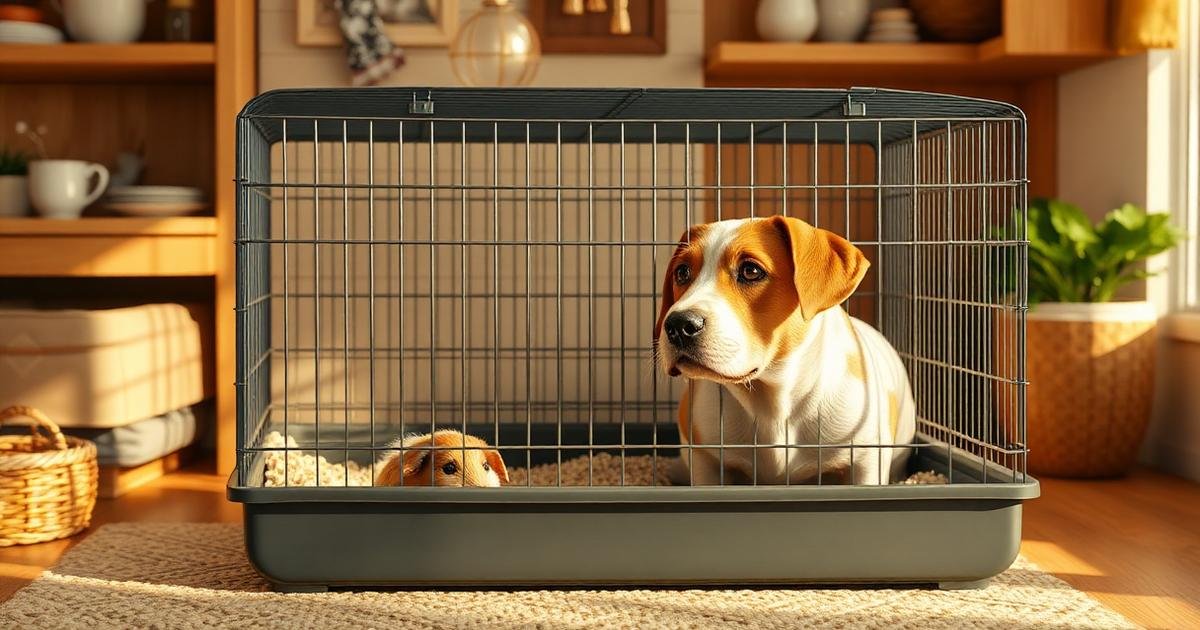
Finding the best guinea-pig-food/">guinea pig cage means prioritizing floor space, safety, and ease of cleaning above all else. The ideal home for one to two guinea pigs provides at least 7.5 square feet of uninterrupted floor area, solid flooring (never wire), and secure sides. A C&C (cube and coroplast) cage or a large, flat bottomed pet playpen consistently outperforms traditional pet store cages for your cavy's health and happiness.
Best guinea pig cage: The best guinea pig cage for 2 guinea pigs is a 2x4 C&C cage, offering 10.5 square feet of floor space. This meets the minimum recommendation from the Humane Society and allows for proper running, hiding, and social interaction. Avoid wire-bottom cages entirely and choose solid coroplast or plastic
Quick Answer: What is the best guinea pig cage for 2 guinea pigs?
The best guinea pig cage for 2 guinea pigs is a 2x4 C&C cage, offering 10.5 square feet of floor space. This meets the minimum recommendation from the Humane Society and allows for proper running, hiding, and social interaction. Avoid wire bottom cages entirely and choose solid coroplast or plastic bases instead.
For a complete guide on this topic, see the Small Pet Care Guide.
What size cage does a guinea pig actually need?
Size is the single most important factor. A cage that's too small leads to obesity, boredom, and fighting between cage mates. The standard recommendation from most cavy rescue organizations is a minimum of 7.5 square feet for one guinea pig, and 10.5 square feet for two.
That's roughly 30 inches by 50 inches. Many commercial cages labeled "guinea pig" are barely half that size. Your guinea pig needs room to run zoomies, have separate sleeping and eating areas, and stretch out fully. A larger cage also stays cleaner because waste is more spread out.
Pro Tip: Measure your available floor space before shopping. A 2x4 C&C grid setup (about 28" x 56") fits most standard tabletops and is the gold standard for a bonded pair. If you have the room, a 2x5 grid is even better.
Don't be fooled by multi level cages. While ramps add visual interest, guinea pigs are not agile climbers like rats or ferrets. A single, spacious level is far more valuable than a tall cage with cramped floors. The American Veterinary Medical Association emphasizes that horizontal floor space is the priority for guinea pigs.
Why are wire bottom cages dangerous for guinea pigs?
Wire flooring is the most common mistake new owners make. Guinea pigs have delicate feet with no protective pads. Walking on wire causes a painful condition called bumblefoot, which is a bacterial infection and ulceration of the foot pads. It's difficult to treat and easily preventable.
Solid flooring is non-negotiable. C&C cages use coroplast (corrugated plastic) for the base, which is waterproof, easy to wipe down, and safe for feet. Large plastic storage bins also work as a solid base. If you buy a cage with a wire top, ensure the entire floor is a solid, smooth pan.
Fleece bedding over a waterproof layer (like U Haul moving pads or incontinence pads) is the most popular and comfortable option. It's soft, washable, and doesn't create dust like wood shavings. Avoid cedar and pine shavings entirely as the phenols can cause respiratory issues.
What features make a cage easy to clean?
Cleaning a guinea pig cage is a twice weekly chore. If the cage is hard to clean, you'll skip it, and your pets will suffer. Look for a cage where you can access every corner without disassembly. A top that lifts off completely or a front door that opens wide makes a huge difference.
The best guinea pig cage designs use a simple tray base. For C&C cages, the coroplast base can be wiped down with a 50/50 vinegar water solution. For pre built cages, look for a deep plastic base (at least 6 inches high) to contain bedding and prevent messes from scattering.
Pro Tip: Use a handheld vacuum or a small dustpan and brush for daily spot cleaning. Remove wet fleece patches and uneaten vegetables every evening. This takes 2 minutes and keeps the cage fresh for a full week between deep cleans.
Consider the cage's location. Avoid placing it in direct sunlight or near drafty windows. Guinea pigs are sensitive to temperature extremes. A stable room temperature between 65-75°F is ideal. The cage should also be in a high traffic area where your guinea pigs can see and hear you, as they are social animals.
For more on maintaining a healthy environment, see our guide on odor control — the principles of ammonia management apply to small pets too.
How do I set up the perfect cage layout for my guinea pigs?
Your cage layout directly affects your guinea pigs' mental health and activity levels. Start with a designated kitchen area where you place the hay rack, water bottle, and food bowl. This contains most of the mess to one corner and makes spot cleaning faster.
Place at least two hideys on opposite ends of the cage. This prevents one pig from guarding all the resources. A tunnel connecting the two sides encourages exercise and gives shy pigs a safe travel route. Add a fleece forest (strips of fleece hanging from a grid) in a quiet corner for burrowing.
Rotate toys and tunnels every 1-2 weeks. Guinea pigs get bored with the same layout. A simple cardboard box with two doors cut out can become a favorite hidey overnight. Change the position of the hay rack occasionally to encourage exploration.
Veterinarians generally recommend avoiding plastic tubes and small enclosed spaces. These can trap heat and moisture, and some guinea pigs get stuck. Stick to open, well ventilated hides made of wood, fleece, or cardboard. A well planned layout reduces stress and fighting within 2-3 weeks.

What is the best guinea pig cage for beginners?
For beginners, the best guinea pig cage is a pre made C&C cage kit. These come with all the coroplast and grids you need, plus clear instructions. Brands like GuineaDad and Kavee offer complete kits with fleece liners specifically designed to fit. The upfront cost is higher than a pet store cage, but it lasts for years.
Avoid the common "starter" cages sold at big box pet stores. These are usually too small, have wire floors, and come with unnecessary accessories like tiny wheels or bowls that don't work. You'll end up replacing them within weeks. Invest in the right size from day one.
C&C Cage vs. Pet Store Cages: A Comparison
| C&C Cage (2x4 Grids) | Typical Pet Store Cage | |
|---|---|---|
| Floor Space | 10.5 sq ft | 4-6 sq ft |
| Solid coroplast | Often wire or shallow plastic | |
| High (add levels, lofts) | ||
| Full access, easy | Awkward corners, harder | |
| $80-$150 | $40-$100 | |
| 5+ years | 1-2 years (plastic warps) |
The upfront investment in a C&C cage saves money and frustration over time. The coroplast base is replaceable, and the grids can be reconfigured if you move or get additional guinea pigs.
How do I choose the right cage for my guinea pig's personality?
Every guinea pig has a personality. Some are bold explorers, others are shy burrowers. The best guinea pig cage accommodates both types. Provide at least two hideys (one at each end of the cage), tunnels, and a fleece forest for burrowing. This prevents territory disputes and gives shy pigs a place to retreat.
For active guinea pigs, add a second level as a loft (not a ramp to a small upper floor). A loft provides a change of scenery and a place for a hay feeder. For lazy or elderly guinea pigs, keep everything on one level. Make sure all hides have two exits so one pig can't trap another.
Pro Tip: Watch your guinea pigs for the first week in a new cage. If one is constantly hiding or chasing the other, add more visual barriers and hideys. Sometimes you just need one more tunnel to solve a behavioral issue.
Consider your guinea pig's age. Young guinea pigs (under 6 months) are more active and benefit from a larger cage with more enrichment. Senior guinea pigs (over 5 years) may need lower entry points and softer bedding. Adjust the cage setup as your pet ages to maintain comfort and mobility.
What accessories are essential for a guinea pig cage?
The cage is just the beginning. You need a water bottle (not a bowl — it gets dirty), a heavy ceramic food bowl that can't be tipped, and a hay rack or feeder. Guinea pigs need unlimited timothy hay, so the hay feeder should be large and easy to refill.
Fleece liners are the most practical bedding choice. They wick moisture away from the surface, keeping your guinea pigs dry. You'll need at least two sets so you can wash one while the other is in use. Wash them in hot water with unscented detergent. Avoid fabric softeners as they reduce absorbency.
Don't forget floor time. No cage is big enough to replace daily exercise. Set up a playpen on a fleece blanket for at least 1-2 hours daily. This is crucial for their physical and mental health. The cage is their home base, not their entire world.
What are common cage mistakes and how do I fix them?
The most common mistake is buying a cage that's too small. Owners often underestimate how much space two guinea pigs need. If your guinea pigs are fighting, not eating, or sleeping in the same spot all day, the cage is likely too small. Upgrade to a 2x4 C&C cage immediately.
Another frequent error is using the wrong bedding. Wood shavings like cedar and pine release phenols that damage guinea pig lungs. Aspen shavings are safer but still dusty. Fleece liners over a waterproof layer are the healthiest and most cost effective option in the long run.
Poor ventilation is a silent killer. Cages with solid plastic sides (like aquariums or storage bins used as full enclosures) trap ammonia fumes. Always ensure at least two sides of the cage have open grid or wire for airflow. This prevents respiratory infections within 1-2 weeks of poor ventilation.
| Likely Cause | ||
|---|---|---|
| Fighting between cage mates | Cage too small or too few hideys | Upgrade to 10.5+ sq ft, add 2+ hideys |
| Guinea pig not moving much | Cage too small or no enrichment | Add tunnels, rotate toys weekly |
| Bad odor within 2 days | Poor ventilation or wrong bedding | Switch to fleece, improve airflow |
| Red, swollen feet | Wire flooring or dirty bedding | Switch to solid floor, clean more often |
| Excessive sneezing | Dusty bedding or poor ventilation | Use fleece, increase airflow |
If you notice any of these issues, act within 48 hours. Guinea pigs hide illness until it's advanced. A cage change or bedding switch often resolves problems within 3-5 days. Always consult a veterinarian if symptoms persist.
Ready to give your guinea pig the spacious, safe home they deserve?
Browse Small Pet Options →
For broader reference and guidance, akc.org provides useful context on pet health and care decisions.
For broader reference and guidance, petmd.com provides useful context on pet health and care decisions.
Frequently Asked Questions
What is the minimum cage size for 2 guinea pigs?
The minimum for two guinea pigs is 10.5 square feet, which is a 2x4 C&C grid cage. The Humane Society recommends this as the absolute minimum. For a more comfortable life, aim for 13 square feet (2x5 grids) or larger.
Are Midwest Guinea Pig Habitats good cages?
The Midwest cage is a decent budget option at 8 square feet, but it's too small for two guinea pigs. It works for a single pig if you remove the top and use it as an open playpen. The canvas bottom can also be chewed through within weeks.
Can guinea pigs live in a glass aquarium tank?
No. Aquariums have poor ventilation, which traps ammonia from urine and causes respiratory infections. The glass also overheats quickly. Always choose a cage with open wire or grid sides for airflow. Solid bottoms are fine, but sides must be ventilated.
How often should I clean a guinea pig cage?
Spot clean daily by removing wet bedding and uneaten vegetables. Do a full bedding change and cage wipe down every 5-7 days. If you use fleece, wash the liners weekly. A dirty cage causes respiratory issues and bumblefoot within days.
What is the best guinea pig cage for a small apartment?
For small apartments, prioritize a single level C&C cage that fits on a table or desk. A 2x3 grid (7.5 sq ft) works for one guinea pig. Use a fleece liner to minimize dust and odor. Avoid tall cages that take up vertical space inefficiently.
Can I build my own guinea pig cage?
Yes. Building your own C&C cage from wire storage grids and coroplast is cost effective and customizable. You can buy grids at hardware stores and coroplast at sign shops. Total cost is around $50-$70. Just ensure the grids have 1.5-inch spacing or smaller to prevent escapes.
Do guinea pigs need a lid on their cage?
Most guinea pigs don't need a lid unless you have other pets like cats or dogs. Guinea pigs rarely jump out of cages with sides at least 6 inches high. If you use a C&C cage without a lid, ensure the grids are securely connected to prevent tipping.
What bedding is safest for guinea pigs?
Fleece liners over a waterproof layer are the safest and most comfortable option. Paper based bedding (like Carefresh) is a good alternative. Avoid cedar and pine shavings entirely. Aspen shavings are acceptable but dusty. Change bedding at least once weekly to prevent ammonia buildup.
Learn more in our detailed guide on best hamster cage.