
Finding the best bedding-for-hamsters/">bedding for guinea pigs is one of the most important decisions you'll make as a pet owner. The right bedding keeps your cavy healthy, controls odor, and makes cage cleaning manageable. The best options are paper based or fleece liners, which are highly absorbent, dust-free, and safe for your guinea pig's sensitive respiratory system. Choosing poorly can lead to chronic health issues, so getting this right from day one matters more than you might think.
Best bedding for guinea pigs: The best bedding for guinea pigs is paper-based bedding like Oxbow Pure Comfort or Carefresh for superior odor control and absorbency, or a fleece liner system for long-term cost savings. Both are dust-free and safe. Avoid pine and cedar shavings entirely — they release phenols that cause respirator
Quick Answer: What is the best bedding for guinea pigs?
The best bedding for guinea pigs is paper based bedding like Oxbow Pure Comfort or Carefresh for superior odor control and absorbency, or a fleece liner system for long term cost savings. Both are dust free and safe. Avoid pine and cedar shavings entirely — they release phenols that cause respiratory damage within 2–4 weeks. Your choice depends on cage size, number of pigs, and cleaning routine.
For a complete guide on this topic, see the Small Pet Care Guide.

What Makes Bedding Safe for Guinea Pigs?
Guinea pigs have extremely sensitive respiratory systems. According to the AVMA pet owner resources, small animals like guinea pigs are prone to pneumonia and upper respiratory infections when exposed to dust, ammonia, or volatile organic compounds.
Safe bedding must be dust-free, highly absorbent, and free from aromatic oils. Your guinea pig spends nearly all its time in its cage, so the bedding directly impacts its lung health, skin condition, and overall comfort. A single day on damp or dusty bedding can trigger sneezing, wheezing, or eye discharge in sensitive individuals.
Unsafe bedding can cause bumblefoot (pododermatitis), a painful foot infection caused by prolonged contact with wet or abrasive surfaces. The ASPCA behavior resources (while focused on dogs, their principles on safe living environments apply across species) emphasize that any pet's primary enclosure must be dry, clean, and free from irritants. Moisture trapped against the feet for more than 24 hours can start the infection process.
Temperature regulation is another factor. Guinea pigs cannot sweat or pant efficiently, so bedding that stays cool and dry helps prevent heat stress. Paper and fleece both allow airflow, while compressed wood shavings can trap heat and moisture. Stick to materials that breathe.
Pro Tip: Before buying any bedding, perform the "shake test." Scoop a handful and shake it over a dark surface. If you see visible dust particles floating in the air, that bedding is too dusty for your guinea pig. Even "dust-free" brands can vary between batches.
What Are the Best Bedding Types for Guinea Pigs?
The best bedding for guinea pigs falls into two main categories: disposable paper bedding and reusable fleece systems. Each has distinct advantages depending on your cleaning routine and budget. A third option, aspen shavings, works for some owners but requires careful selection.
Paper Based Bedding
Paper bedding is the gold standard for odor control and absorbency. Brands like Oxbow Pure Comfort, Carefresh, and Kaytee Clean & Cozy are widely recommended by veterinarians. These products are made from recycled paper fibers and processed to remove dust, inks, and contaminants. The fibers create a soft, nestable texture that guinea pigs love to burrow into.
Paper bedding absorbs urine quickly and traps ammonia odors for 5–7 days before needing a full change. You can spot clean daily by removing soiled patches. A 50-liter bag typically lasts 2–3 weeks for a standard 8-square foot cage with one or two guinea pigs. For three or more pigs, expect to replace it every 10–14 days.
One underrated advantage of paper bedding is its ability to cushion feet. Guinea pigs are prone to pressure sores on hard surfaces, and a 2–3 inch layer of soft paper prevents that. It also provides enrichment — many pigs love to dig, tunnel, and rearrange their bedding throughout the day.
Fleece Liners
Fleece liners work on a different principle. A layer of absorbent material (like U Haul moving pads or Zorb fabric) sits beneath a top layer of anti pill fleece. Urine passes through the fleece and gets trapped in the absorbent layer, keeping the surface dry. The fleece itself stays clean to the touch, which prevents urine scald on feet and bellies.
Fleece systems require more upfront work but save money over time. You'll need to vacuum or sweep droppings daily and wash the liner every 3–5 days. Many owners use a litter box with paper bedding in one corner to simplify cleaning. Expect to spend $40–$80 on a quality fleece setup, but it can last 1–2 years with proper care. Washing with unscented detergent and a splash of white vinegar keeps odors in check without irritating your pig's skin.
The biggest challenge with fleece is ammonia management. Because urine sits in the absorbent layer, ammonia can build up faster if you don't wash frequently enough. A good rule: if you smell ammonia at cage level, you've waited too long. Set a calendar reminder for wash day to stay consistent.
Aspen Shavings (Use With Caution)
Aspen is the only wood shaving considered safe for guinea pigs. It contains lower levels of phenols than pine or cedar. However, aspen is less absorbent than paper and can be dusty. If you choose aspen, look for kiln-dried, dust extracted varieties. Even then, many veterinarians recommend paper bedding over aspen for guinea pigs due to the residual risk of respiratory irritation.
Aspen works best as a base layer topped with paper bedding or hay. This combination improves absorbency while keeping costs down. But for pigs with any history of respiratory issues, skip aspen entirely and go straight to paper or fleece.
Pro Tip: Never use pine or cedar shavings. The phenols in these woods can cause liver damage and respiratory distress in guinea pigs within 2–4 weeks of exposure. This is a non negotiable safety rule. Even "pet-safe" pine products at big box stores are dangerous — read labels carefully.
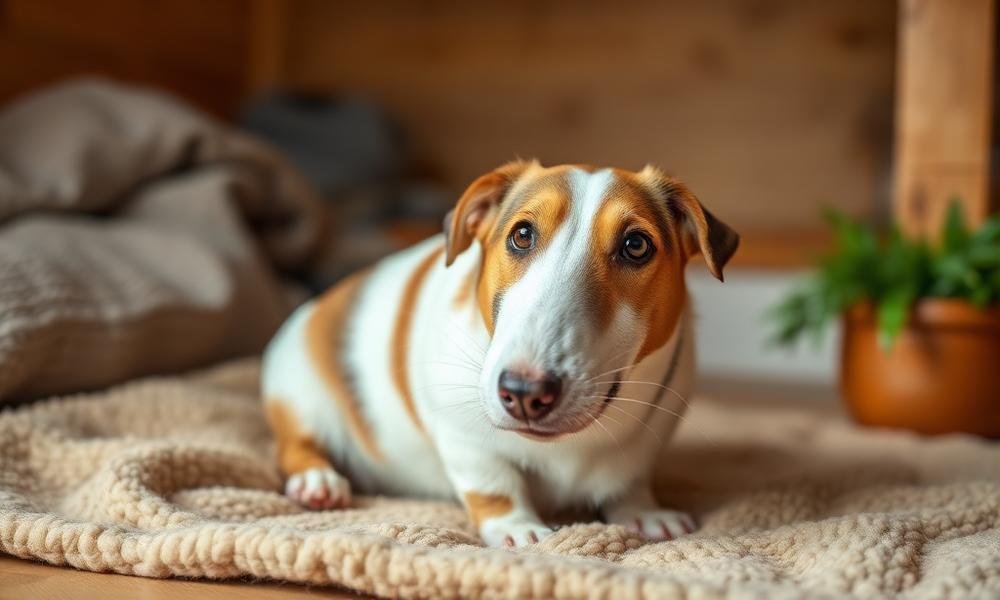
How to Choose the Best Bedding for Guinea Pigs Based on Your Setup
Your choice depends on three factors: cage size, number of guinea pigs, and your cleaning schedule. Here's a decision tree to help you choose the right system from the start.
| Your Situation | Recommended Bedding | |
|---|---|---|
| 1–2 guinea pigs, 8 sq ft cage, clean weekly | Paper bedding (Oxbow or Carefresh) | Best odor control for weekly deep cleans; easy spot-cleaning; minimal setup |
| 3+ guinea pigs, 10+ sq ft cage | Fleece liner with paper litter box | Cost effective for large groups; reduces disposal volume by research suggests 80% |
| Sensitive guinea pig (respiratory issues) | Paper bedding only (dust-free) | Zero dust = lowest respiratory risk; most veterinary-recommended |
| Budget-conscious, willing to wash | Fleece system | $40–80 upfront vs. $15–25/month for paper; pays for itself in 3–4 months |
| Allergies in owner | Paper bedding (unscented) | No wood oils, minimal dust, hypoallergenic for humans too |
| Busy schedule, minimal daily time | Paper bedding | Spot clean in 5 minutes; full change in 15 minutes; no laundry required |
If you have a single guinea pig in a smaller cage, paper bedding is simpler. For multiple guinea pigs in a large C&C (cube and coroplast) cage, fleece becomes more practical. Many owners start with paper and switch to fleece after a few months once they establish a cleaning routine. Either way, consistency matters more than the specific brand you choose.
Consider your living situation too. If you're in a small apartment without laundry facilities, paper bedding may be more practical since fleece requires regular washing. If you have a washer and dryer in your home, fleece becomes much more convenient. Factor in your space and equipment before committing.
How to Set Up a Fleece Liner System Step by Step
If you decide on fleece, proper setup is critical. A poorly assembled fleece system leads to wet surfaces, odors, and frustrated owners. Follow these steps for a system that works from day one.
Step 1: Choose Your Materials
You need three components: anti pill fleece for the top layer, an absorbent core (Zorb, U Haul moving pads, or towel layers), and a waterproof bottom layer (vinyl tablecloth or a cage liner). Avoid cheap fleece from craft stores — it may not wick properly. Stick to anti pill fleece from fabric stores or pre made guinea pig cage liners.
Step 2: Prepare the Fleece
New fleece must be washed 3–4 times before use to remove the factory coating that repels liquid. Wash it in hot water with unscented detergent, no fabric softener. After the initial washes, test it by pouring a small amount of water on the surface — it should pass through immediately. If water beads up, wash it again.
Step 3: Assemble the Layers
Place the waterproof layer on the cage floor. Add the absorbent core — aim for at least 1 inch of thickness. Top with the fleece, tucking edges under or securing with binder clips. The layers should fit snugly without wrinkles, which can trap moisture against your guinea pig's feet.
Step 4: Add a Litter Box
Place a small litter box filled with paper bedding in one corner of the cage. Guinea pigs often choose a designated bathroom corner. A litter box catches the bulk of urine and droppings, reducing how often you need to wash the fleece. Empty it daily and replace the paper bedding every 2–3 days.
Step 5: Establish a Routine
Vacuum or sweep droppings twice daily — morning and evening. Wash the fleece every 3–5 days, or sooner if you notice odor. Rotate between two sets of liners so you always have a clean one ready. This system keeps your cage fresh with about 10 minutes of daily maintenance.
Pro Tip: Buy two complete fleece setups from the start. Having a backup liner means you never have to rush a wash cycle or leave your guinea pig on a soiled surface. Rotate them on wash day for a seamless routine.

What Bedding Should You Avoid for Guinea Pigs?
Several common bedding types are dangerous for guinea pigs. Knowing what to avoid is just as important as knowing what to use. Some products marketed for small animals are actually unsafe, so always research before buying.
Pine and Cedar Shavings
These are the most dangerous options. Pine and cedar contain aromatic hydrocarbons called phenols that can damage a guinea pig's liver and respiratory tract. The AKC behavior guides (while dog-focused, their safety principles apply to all small pets) warn against any bedding with strong aromatic oils. Even kiln dried pine is not safe for guinea pigs — the drying process reduces but does not eliminate phenols.
Cat Litter (Clay or Clumping)
Clay and clumping cat litter contain sodium bentonite, which expands when wet. If ingested, it can cause intestinal blockages. Guinea pigs often nibble on bedding, making this a serious risk. The dust from clay litter also causes respiratory problems within days. Never use any cat litter product in a guinea pig cage, even as a base layer.
Corn Cob Bedding
Corn cob bedding is highly absorbent but poses a mold risk. If it gets damp, mold can develop within 24–48 hours. Guinea pigs are extremely sensitive to mold spores, which can trigger fatal respiratory infections. The rough texture can also cause foot irritation over time. Skip it entirely.
Hay or Straw as Primary Bedding
Hay and straw are not absorbent enough for bedding. They trap moisture against the guinea pig's skin, leading to urine scald and bumblefoot. Use hay only for eating and nesting, not as a substrate. A layer of hay on top of paper bedding is fine for burrowing, but the base layer must be absorbent.
Recycled Newspaper Pellets (Some Types)
While some recycled paper pellets are marketed for small animals, many are too hard and abrasive for guinea pig feet. They also lack the soft, nestable texture pigs need. Stick to fluffy paper bedding or fleece instead. If you must use pellets, choose ones specifically labeled for guinea pigs and provide a soft top layer.
Pro Tip: If you're unsure about a bedding product, call your veterinarian's office. Most vet clinics recommend specific brands they've tested. A 2-minute phone call can save your guinea pig from weeks of health problems. Keep a list of vet approved brands on your phone for easy reference when shopping.
How Often Should You Change Guinea Pig Bedding?
Cleaning frequency depends on your bedding type and how many guinea pigs you have. A consistent schedule prevents ammonia buildup and keeps your pet healthy. Missing even one cleaning cycle can trigger respiratory issues in sensitive pigs.
Paper Bedding Schedule
For 1–2 guinea pigs: spot clean daily (remove wet spots and droppings), do a full bedding change every 5–7 days. For 3+ guinea pigs: full change every 3–5 days. A deep clean of the entire cage (washing with vinegar and water) should happen weekly. Use a 50/50 vinegar and water solution to neutralize ammonia and disinfect surfaces.
Fleece Liner Schedule
Vacuum or sweep droppings twice daily. Wash the fleece liner every 3–5 days using unscented detergent and a splash of white vinegar (no fabric softener or dryer sheets — these clog the fleece fibers). Replace the absorbent layer every 3–4 months or when it starts to smell despite washing. Rotate between two liner sets to extend their life.
Signs You Need to Clean More Often
Strong ammonia smell at cage level is the most obvious sign. Your guinea pig sneezing, coughing, or rubbing its eyes indicates trouble. Wet patches on the fleece surface mean the absorbent layer is saturated. If your pig avoids certain areas of the cage, that's a red flag. If you notice any of these, increase your cleaning frequency immediately and consider switching to a more absorbent bedding type.
PetMD condition guides note that guinea pigs can develop respiratory infections within 48 hours of exposure to high ammonia levels. A clean cage is not optional — it's essential for survival. Set a recurring reminder on your phone to stay on track, especially during busy weeks.
How to Manage Odor Between Bedding Changes
Even with the best bedding, odor can build up between full changes. A few simple strategies keep your cage fresh and your home comfortable. Odor management is especially important if your guinea pig lives in a shared living space like a living room or bedroom.
Use a Litter Box
Guinea pigs often choose one corner for urination. Place a small litter box filled with paper bedding in that corner. Clean it daily and replace the bedding every 2–3 days. This single change can reduce cage odor by 50–research suggests 70% because you're removing the highest concentration waste before it spreads.
Add a Layer of Hay on Top
A thin layer of fresh hay on top of your bedding absorbs surface moisture and provides foraging enrichment. Replace it daily. Hay acts as a natural odor absorber and gives your guinea pig something to nibble and burrow in throughout the day.
Use Activated Charcoal Filters
Place a small activated charcoal filter near the cage (not inside it) to absorb airborne odors. These filters are inexpensive and last 2–3 months. They won't replace proper cleaning, but they help between changes. Avoid scented air fresheners or essential oil diffusers near the cage — these can irritate your guinea pig's respiratory system.
Ventilate the Room
Good airflow reduces ammonia concentration. Keep the cage in a well ventilated area away from drafts. A small fan on low speed across the room (not pointing directly at the cage) helps circulate air and reduce humidity. Lower humidity means less odor and slower bacterial growth in the bedding.
Pro Tip: Sprinkle a thin layer of baking soda under the fleece or at the bottom of the paper bedding to neutralize odors. Use about 1 tablespoon per square foot of cage space. Baking soda is non toxic and safe if ingested in small amounts, but avoid letting your guinea pig eat large quantities.
Frequently Asked Questions
Can I use puppy pads under guinea pig bedding?
No. Puppy pads contain absorbent gel that can cause intestinal blockages if chewed or ingested. Guinea pigs explore with their mouths, making this a serious choking and toxicity hazard. Stick to paper bedding or fleece only. If you need extra waterproofing, use a vinyl tablecloth beneath the bedding instead.
How much bedding should I put in my guinea pig's cage?
For paper bedding, use 2–3 inches of depth. This provides enough absorbency and allows your guinea pig to burrow and dig. Shallow bedding (under 1 inch) won't control odor and can cause foot sores. For fleece, the liner should be thick enough that urine doesn't pool on the surface — at least 1 inch of absorbent material beneath the fleece top layer.
Is kiln dried pine safe for guinea pigs?
No. Even kiln dried pine contains phenols that can harm guinea pigs. The drying process reduces but does not eliminate these compounds. The AVMA pet owner resources recommend avoiding all softwood shavings for small animals. Stick to paper or aspen. There is no safe level of pine exposure for guinea pigs.
What's the most cost effective bedding for guinea pigs?
Fleece liners are the most cost effective over time. A $60 fleece setup lasts 1–2 years, compared to $200–$300 for paper bedding in the same period. However, fleece requires more daily maintenance and regular washing. Paper is cheaper upfront but costs more annually. If you have 3+ guinea pigs, fleece saves significant money within 6 months.
Can guinea pigs be allergic to certain beddings?
Yes. Guinea pigs can develop contact allergies to specific materials, especially scented or dyed beddings. Signs include sneezing, scratching, red skin, or hair loss. If you notice these, switch to an unscented, undyed paper bedding immediately and consult your veterinarian. Allergies to paper bedding are rare, but reactions to wood shavings or scented products are common.
How do I reduce dust from guinea pig bedding?
Choose bedding labeled "dust-free" or "99.research suggests 9% dust-free." Before adding it to the cage, shake the bedding outside or in a well ventilated area to remove loose particles. You can also sift it through a mesh colander. For extremely sensitive guinea pigs, fleece is the dust free option since it produces no airborne particles. If using paper, open the bag outdoors and shake vigorously before bringing it inside.
Can I mix different bedding types together?
Yes, mixing can work well. A common combination is a base layer of paper bedding topped with hay for foraging. Some owners use aspen as a base with paper on top for extra absorbency. Avoid mixing clay or corn cob with other beddings, as the risks remain. Stick to safe materials and test a small area first to see how your guinea pig responds.
How do I dispose of used guinea pig bedding?
Paper bedding can be composted if it's free from hay and droppings from a healthy pig. Otherwise, bag it and dispose of it in your regular trash. Fleece liners should be washed, not disposed of — they last for years. Never flush bedding down the toilet, as it can clog pipes and harm septic systems. Check local regulations for composting guidelines in your area.
Ready to upgrade your guinea pig's living space? Find the perfect bedding and accessories for a cleaner, healthier cage.
Browse Small Pet Options →