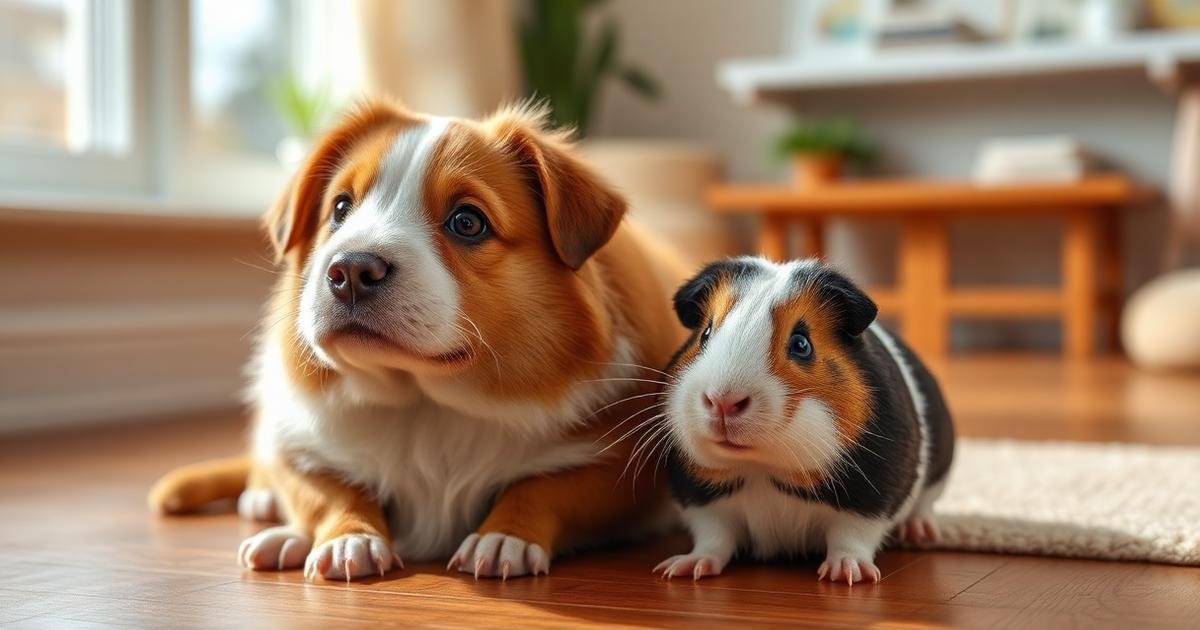
If you've recently adopted a single guinea pig or are considering getting one, you're probably wondering: do guinea pigs need a companion? The short, science backed answer is yes — guinea pigs are highly social herd animals that thrive with at least one same species companion. Without a cage mate, they often develop depression, stress related illness, and behavioral issues within 2–4 weeks of isolation. This isn't a preference — it's a biological requirement rooted in thousands of years of evolution as a prey species that relies on group safety.
Do guinea pigs need a companion: Yes. Guinea pigs are obligate social animals — they require the company of at least one other guinea pig to live a healthy, happy life. Solitary guinea pigs show measurable increases in stress hormones and are at higher risk for depression, overeating, and weakened immune function. Pairs or small gr
Quick Answer: Do Guinea Pigs Need a Companion?
Yes. Guinea pigs are obligate social animals — they require the company of at least one other guinea pig to live a healthy, happy life. Solitary guinea pigs show measurable increases in stress hormones and are at higher risk for depression, overeating, and weakened immune function. Pairs or small groups of 2–3 are ideal for meeting their social needs.
For a complete guide on this topic, see the Small Pet Care Guide.
Why Guinea Pigs Need a Companion — The Science Behind Herd Mentality
In the wild, guinea pigs live in herds of 10–15 individuals. They communicate constantly through sounds, body language, and scent marking. This isn't just social preference — it's survival wiring. The ASPCA notes that social animals experience real physical stress when isolated, and guinea pigs are no exception.
When you ask do guinea pigs need a companion, you're really asking about their biological baseline. Studies indicate that solitary guinea pigs produce higher cortisol levels within 72 hours of isolation. This stress response can suppress appetite initially, then trigger overeating and lethargy within 1–2 weeks.
Veterinarians generally recommend keeping guinea pigs in same sex pairs or small groups of 2–3 animals. The AVMA's pet owner resources emphasize that guinea pigs should never be housed alone unless under specific veterinary orders for medical isolation. Even then, the isolation period should be as short as possible — typically 10–14 days for treatment, not a permanent living situation.
Pro Tip: Watch for "popcorning" — joyful hops and twists. A guinea pig with a companion will popcorn far more frequently than a solitary one. If your single guinea pig is quiet and still most of the day, loneliness may be the cause.

What Happens When a Guinea Pig Lives Alone?
Solitary guinea pigs don't just get bored — they suffer. Within 2–3 weeks of living alone, many guinea pigs develop clear behavioral changes. You might notice your pig spending more time hiding, eating less, or losing interest in treats and toys they once loved. These changes are not subtle once you know what to look for.
Common signs of loneliness in guinea pigs include:
- Excessive sleeping or lethargy (more than 14–16 hours per day)
- Loss of appetite or sudden weight loss (weigh your guinea pig weekly)
- Over grooming or barbering (chewing their own fur)
- Aggression toward humans when handled
- Repetitive behaviors like pacing or cage bar chewing
- Decreased vocalization — a lonely guinea pig stops wheeking and chutting
PetMD's condition guides confirm that chronic stress in small animals can weaken immune function, making guinea pigs more susceptible to respiratory infections and gastrointestinal stasis — both potentially fatal conditions. A lonely guinea pig is a sick guinea pig waiting to happen.
Can a Human Be Enough? Why You're Not a Substitute
This is the question most owners struggle with. You love your guinea pig, spend hours with them daily, and provide enrichment. But the truth is: you cannot replace another guinea pig. You speak a different language, move at a different speed, and can't provide the constant physical contact guinea pigs need. Even the most dedicated owner sleeps, works, and leaves the house.
Guinea pigs communicate through a complex vocabulary of 10+ distinct vocalizations — rumbling, purring, chutting, wheeking, and more. They also use scent glands and body postures that humans simply can't replicate. When you ask do guinea pigs need a companion, understand that the answer isn't about your effort — it's about species specific needs that no human can fulfill.
That said, human interaction is still valuable. A guinea pig with a companion will still benefit from daily handling and lap time with you. But a solitary guinea pig with maximum human attention will still lack the 24/7 social presence of a cage mate. Think of it this way: you're their friend, not their species.
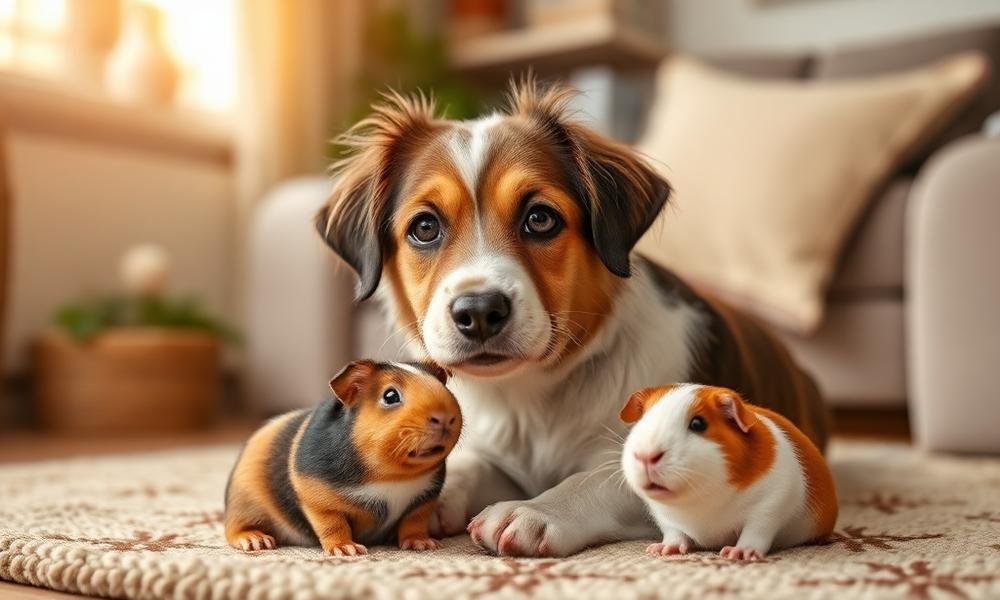
The Hidden Costs of a Lonely Guinea Pig — Health and Lifespan
Loneliness doesn't just affect behavior — it shortens lives. Research suggests that chronically stressed guinea pigs have a 15–research suggests 25% higher risk of developing life threatening conditions like pneumonia, urinary tract infections, and gut stasis. These aren't rare problems; they're the top three causes of premature death in pet guinea pigs.
When you ask do guinea pigs need a companion, consider the financial and emotional cost of a sick, isolated pet. A single vet visit for a respiratory infection can cost $100–$300, and treatment may take 2–4 weeks. Adding a second guinea pig costs far less than treating stress related illness once or twice a year.
Beyond illness, solitary guinea pigs often develop stereotypic behaviors — repetitive, purposeless movements like pacing or head bobbing. These behaviors are signs of poor welfare and rarely resolve without adding a companion. Once established, they can persist even after bonding, so early intervention matters.
Pro Tip: Weigh your guinea pig weekly using a kitchen scale. A solitary pig that loses more than research suggests 10% of body weight in 2 weeks needs a vet visit and a companion. Track weight in a notebook — trends reveal problems before symptoms appear.
How to Introduce a New Companion — Step-by-Step
Adding a second guinea pig isn't as simple as dropping them in the same cage. Proper introductions take 1–3 weeks and require patience. Rushing this process can lead to serious fighting and injury. Take your time — a slow introduction builds a bond that lasts years.
Step 1: Quarantine (7–14 days)
Keep the new guinea pig in a separate cage in a different room for at least one week. This prevents disease transmission and lets you observe the new animal's health. Watch for sneezing, discharge, or diarrhea. Quarantine also lets both pigs get used to each other's scent through the air.
Step 2: Neutral Territory Meetings
After quarantine, introduce them in a neutral space neither pig has claimed. A clean bathtub or large cardboard box works well. Place fresh hay and a few veggies in the center. Let them explore for 15–20 minutes while you supervise closely.
Expect some teeth chattering, rumble strutting, and chasing — this is normal dominance behavior. Separate them only if you see actual biting or blood. Do this neutral meeting 3–5 times over 3–5 days before moving to shared housing. Each session should end on a calm note.
Step 3: Shared Housing Setup
Move them into a thoroughly cleaned cage with new bedding, new hideys, and two of everything — two water bottles, two food bowls, two hidey houses. This prevents resource guarding. The cage should be at least 10.5 square feet for a pair (larger for boars). Never use the old cage without deep cleaning — territory scent triggers aggression.
Pro Tip: Boar (male) pairs can be trickier than sow (female) pairs. If bonding two males, choose a younger and an older pig — this establishes a clear hierarchy faster. Neutered males can also bond well with females. Avoid pairing two dominant boars of the same age.

Best Companion Pairings — Matching Temperaments and Ages
| Pairing Type | Success Rate | Best Setup |
|---|---|---|
| Two females (sows) | Very High | Any age combination works; easiest pairing |
| Two males (boars) | One younger, one older; larger cage (12+ sq ft) | |
| Neutered male + female | Very High | Best option if you want mixed sex harmony |
| Single + baby | Adult accepts baby easily; baby grows up with social skills |
When you ask do guinea pigs need a companion, the answer is yes — but the companion matters. Avoid pairing two dominant boars of the same age. Sows are almost always easier to bond. And never house guinea pigs with rabbits — rabbits can seriously injure guinea pigs with their powerful hind legs, and their dietary needs differ completely. Rabbits also carry Bordetella bronchiseptica, which can cause fatal respiratory infections in guinea pigs.
Troubleshooting Bonding Problems — When It's Not Working
| Likely Cause | ||
|---|---|---|
| Constant chasing, no rest | Incompatible personalities | Separate and try different pairing or add a third pig |
| Blood drawn during meetings | Serious aggression | Permanent separation; these pigs cannot live together |
| One pig hides all day | Intimidation or bullying | Add more hideys with two exits; ensure both can eat |
| Fighting after 2+ weeks together | Hormonal shift (boars) | Neutering may help; otherwise separate permanently |
Not every bonding attempt succeeds. If you've tried neutral introductions, a large cage, and 3+ weeks of supervised cohabitation with no improvement, it's kinder to house them separately (side by side) than to force a dangerous pairing. Side-by side housing still provides social contact through bars, and many guinea pigs thrive with a neighbor they can see and hear but not touch.
Pro Tip: A single guinea pig can still live a good life if you provide extensive enrichment — floor time, foraging toys, and a predictable routine — but this is a backup plan, not the ideal. Aim for a companion first. If bonding fails, side-by side housing is a valid compromise.
Setting Up the Perfect Social Cage — Space and Enrichment
Once you've successfully bonded your guinea pigs, the cage setup matters just as much as the pairing itself. A cramped or poorly designed cage is the number one cause of bonded pairs falling out. Give them room to establish separate territories within the same space.
For a pair of guinea pigs, the absolute minimum is 10.5 square feet — but 13+ square feet is far better. Boar pairs need the larger end of this range. Use a C&C (cube and coroplast) cage or a large pet store cage like the Midwest Guinea Pig Habitat, which measures 8 square feet (add a second level or extension for the full 10.5+).
Enrichment is non negotiable for bonded pairs. Provide:
- At least two hidey houses with two exits each (prevents trapping)
- Multiple hay stations and water bottles (spaced apart)
- Tunnels, fleece forests, and cardboard boxes to explore
- Daily floor time in a safe, enclosed area (at least 30–45 minutes)
- Foraging toys like hay balls or treat puzzles
Without enrichment, even bonded guinea pigs can become bored and start fighting. Rotate toys weekly to keep the environment novel. A stimulating cage reduces stress and strengthens the bond between cage mates.
Pro Tip: Place food bowls and water bottles at opposite ends of the cage. This forces both pigs to move across the territory, reducing resource guarding. Two of everything isn't optional — it's essential for peace.
Frequently Asked Questions
Can a single guinea pig be happy alone?
No. Guinea pigs are biologically programmed for social living. A solitary guinea pig may appear fine, but research shows elevated stress hormones and reduced lifespan. Even with maximum human attention, they lack the constant social interaction only another guinea pig provides. Happiness requires a companion.
Do guinea pigs need a companion of the same sex?
For easiest bonding, yes — two females or two males work well. A neutered male and female pair is also excellent. Unneutered mixed sex pairs will breed rapidly, producing litters every 60–70 days, which is dangerous and irresponsible. Always confirm sex before pairing.
How do I know if my guinea pig is lonely?
Watch for lethargy, loss of appetite, excessive hiding, over-grooming, or repetitive behaviors like cage bar chewing. A lonely guinea pig also stops popcorning and becomes less responsive to treats. These signs usually appear within 2–3 weeks of isolation and worsen over time.
Is it cruel to keep one guinea pig?
Veterinarians and animal welfare organizations generally consider solitary housing of guinea pigs to be inadequate. In some countries like Switzerland, it's illegal to sell a single guinea pig without an adoption companion. Unless under veterinary orders for medical isolation, yes — it is considered substandard care.
Can guinea pigs live with other animals instead?
No. Guinea pigs should never cohabitate with rabbits, hamsters, or other species. Rabbits can seriously injure guinea pigs, and different species have incompatible diets, communication styles, and disease risks. Only another guinea pig provides appropriate social contact. Rabbits also carry Bordetella, which is deadly to guinea pigs.
How much bigger should the cage be for two guinea pigs?
A single guinea pig needs a minimum of 7.5 square feet. For two guinea pigs, the minimum increases to 10.5 square feet — ideally 13+ square feet for boars. More space reduces fighting and allows each pig to establish personal territory. Never double up in a cage sized for one.
What if my guinea pig is old and set in their ways?
Older guinea pigs can still bond successfully, especially with a calm, younger companion. Introduce slowly over 2–3 weeks. Some seniors prefer a same age companion. If bonding fails, side-by side housing is still beneficial. Never isolate a senior pig just because they're old — they need companionship more than ever.
How long does it take for guinea pigs to bond?
Most pairs bond within 1–3 weeks with proper introductions. Some bond in days, others take months. Signs of successful bonding include sleeping together, grooming each other, and sharing food bowls without aggression. If you see these behaviors, the bond is forming well.
Ready to find the perfect friend for your guinea pig? Explore our recommended housing and bonding supplies.
Browse Small Pet Options →