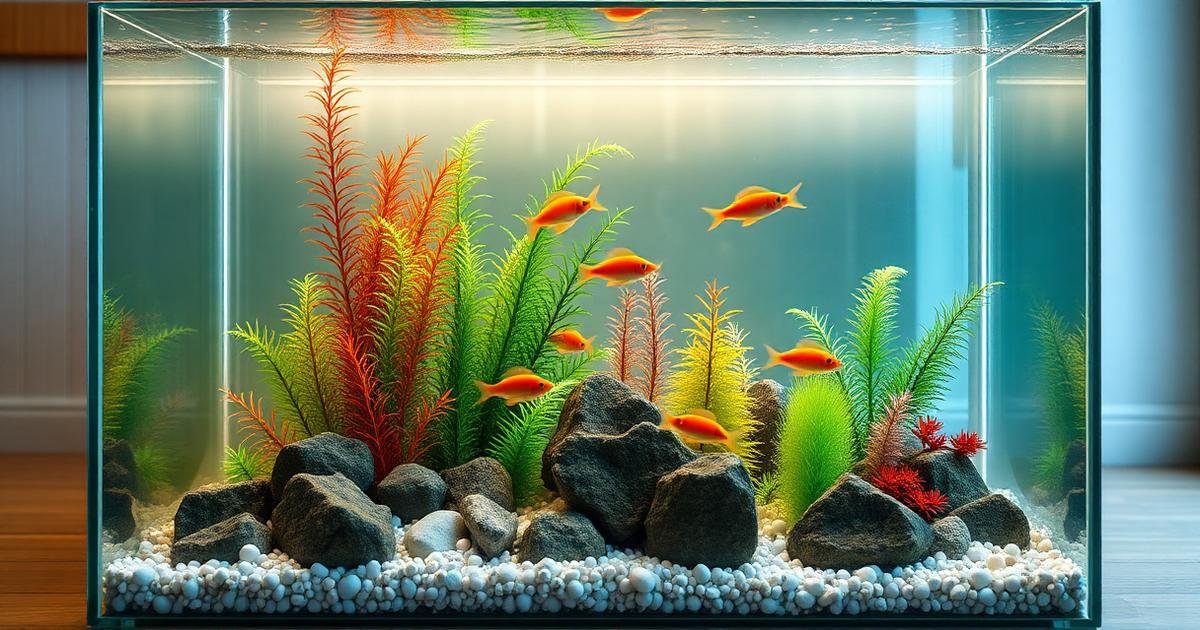
Choosing the best gravel for aquarium-heater/">aquarium-filter/">aquarium isn't just about looks. It directly impacts your fish's health, water chemistry, and how easy your tank is to maintain. The best gravel for aquarium use is a natural, inert substrate like smooth river pebbles or quartz based gravel that is 2–5 mm in size, which allows for healthy biological filtration without altering your water parameters.
Best gravel for aquarium: The best gravel for aquarium use is a natural, inert gravel with smooth, rounded edges and a grain size between 2-5 mm. Seachem Flourite Black Sand and CaribSea Peace River Gravel are top recommendations for planted tanks and community fish, respectively. For cichlids, choose CaribSea Cichlid Sand.
Your choice affects everything from plant rooting to waste management. A poor substrate can trap debris, spike ammonia levels, and stress your fish. This guide breaks down exactly what to look for, the top options available, and how to match gravel to your specific tank setup.
Quick Answer: What is the best gravel for aquarium?
The best gravel for aquarium use is a natural, inert gravel with smooth, rounded edges and a grain size between 2-5 mm. Seachem Flourite Black Sand and CaribSea Peace River Gravel are top recommendations for planted tanks and community fish, respectively. For cichlids, choose CaribSea Cichlid Sand.
For a complete guide on this topic, see the Aquarium Setup Guide.
What should I look for when buying gravel for my aquarium?
Gravel isn't one-size-fits-all. You need to match it to your specific fish species, plants, and maintenance preferences. The wrong gravel can cause water quality issues within 2-3 weeks of setup.
Grain size matters more than you think
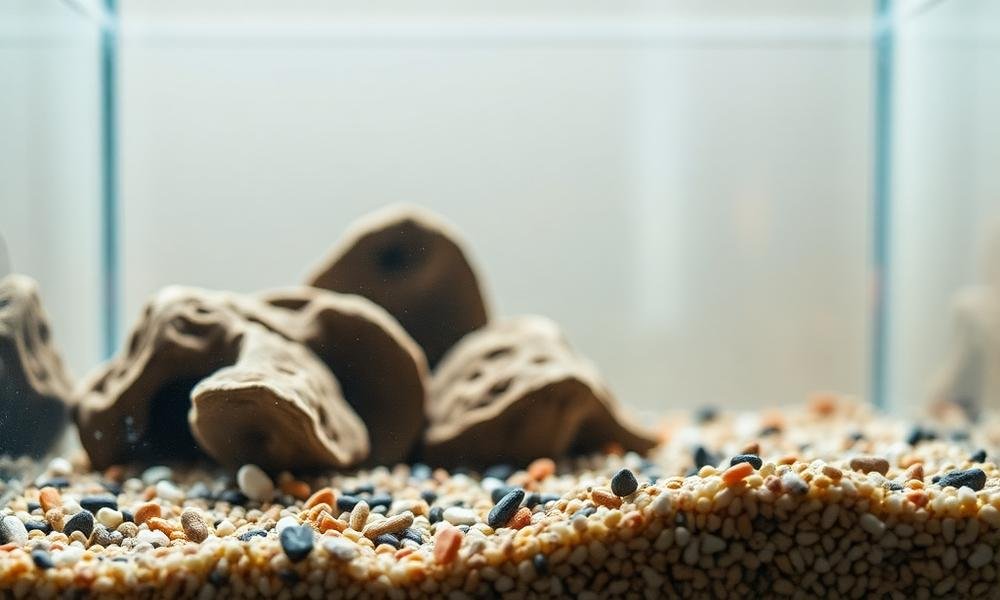
Gravel between 2-5 mm is the sweet spot. Smaller grains (like sand) pack too tightly, creating anaerobic dead zones where harmful bacteria thrive. Larger gravel (6-10 mm) lets too much food and waste fall through, making it nearly impossible to clean thoroughly.
For bottom dwellers like corydoras or loaches, choose smooth, sand like gravel (1-2 mm). Their barbels are delicate, and rough gravel can cause infections within days. For most community tanks, 3-5 mm gravel works perfectly.
Inert vs. active substrates
Inert gravel (like quartz, river pebbles, or silica sand) doesn't change your water chemistry. This is the safest choice for most freshwater fish. Active substrates (like aquasoils or laterite) buffer pH and release nutrients, which is great for planted tanks but can stress sensitive fish like discus or South American cichlids.
If you're new to the hobby, start with inert gravel. You can always add root tabs later for plants. The ASPCA recommends inert substrates for general community setups because they provide the most stable environment (ASPCA pet care resources).
Pro Tip: Always rinse gravel thoroughly before adding it to your tank. Even pre washed gravel contains dust and debris. Rinse in a bucket until the water runs clear — this takes about 5-7 rinses. Skipping this step can cloud your tank for up to 48 hours.
Color and aesthetic considerations
Dark gravel (black, dark brown, or natural earth tones) makes fish colors pop and reduces stress. Light colored gravel reflects more light, which can make fish feel exposed and skittish. Avoid brightly colored artificial gravel — the dyes can leach into the water over time, and research suggests they don't provide the natural environment fish need to thrive.
Natural looking gravel also helps beneficial bacteria colonize more effectively. The rough surface area of natural stones provides 10-15 times more surface area for biofilm growth compared to smooth, polished artificial gravel.
What are the top 5 best gravel for aquarium picks?
After testing and researching dozens of options, these five consistently perform best across different tank types. Each has a specific strength, so match your choice to your setup.
| Best For | Grain Size | Key Feature | |
|---|---|---|---|
| Seachem Flourite Black Sand | Planted tanks | 1-2 mm | Nutrient-rich, won't cloud water |
| CaribSea Peace River Gravel | Community tanks | 3-5 mm | Natural brown tones, smooth edges |
| CaribSea Cichlid Sand | African cichlids | 1-2 mm | Buffers pH to 7.6-8.0 |
| Imagitarium Black Aquarium Sand | Budget-friendly | 1-2 mm | Inert, safe for most fish |
| Fluval Plant and Shrimp Stratum | Shrimp and nano tanks | 1-3 mm | Lightweight, supports plant roots |
Seachem Flourite Black Sand — Best for planted tanks
This is the best gravel for aquarium setups with live plants. It's a porous clay based substrate that holds nutrients without needing frequent replacement. The black color makes plant greens and fish colors look vibrant.
One downside: it's dusty. Plan on 3-5 extra rinses compared to standard gravel. But once settled, it provides excellent root anchorage for plants like Amazon swords and crypts. Expect visible plant growth improvement within 2-3 weeks.
CaribSea Peace River Gravel — Best for community tanks
This natural gravel mimics riverbeds perfectly. The 3-5 mm grain size is ideal for most community fish like tetras, rasboras, and gouramis. It's inert, so it won't alter your pH or hardness.
It's also one of the easiest gravels to clean. The smooth, rounded edges prevent waste from getting trapped, and the natural brown color hides debris between water changes. This is the best gravel for aquarium owners who prioritize low maintenance.
CaribSea Cichlid Sand — Best for African cichlids
African cichlids need hard, alkaline water. This sand is made from crushed aragonite, which buffers your pH to 7.6-8.0. It also contains minerals that support cichlid health and coloration.
The fine grain size (1-2 mm) is perfect for cichlids that like to dig and sift. Just be aware that it will raise your pH, so it's not suitable for soft water fish like tetras or discus. Use this only if you're keeping rift lake cichlids.
Pro Tip: For a mixed community tank with live plants and fish, layer your substrate. Put a 1-inch layer of nutrient rich aquasoil at the bottom, then cap it with 2 inches of inert gravel. This gives you the benefits of both without the water chemistry swings.
Ready to find the perfect gravel for your tank? Compare prices and read customer reviews on top rated aquarium substrates.
Browse Aquarium Options →
How much gravel do I need for my aquarium?
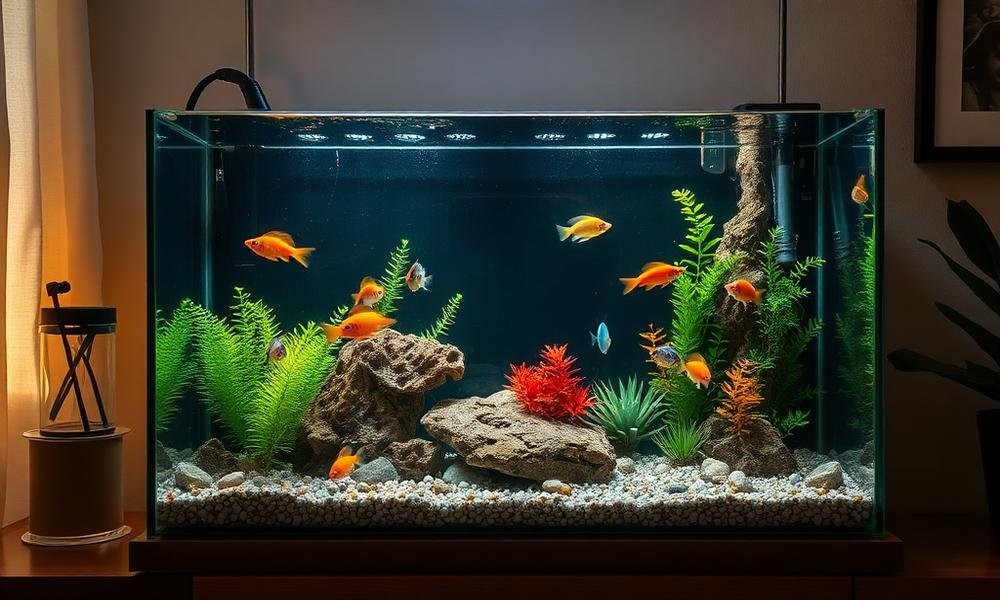
You need enough gravel to create a 2-3 inch deep layer. For most tanks, this means about 1-1.5 pounds of gravel per gallon of water. A 20-gallon tank needs roughly 20-30 pounds of gravel.
Calculating volume by tank size
Use this simple formula: (Tank length in inches × width in inches × desired depth in inches) ÷ 231 = gallons of gravel needed. Then multiply by 8.5 (pounds per gallon of dry gravel) to get total pounds.
For a standard 10-gallon tank (20″ × 10″), a 2-inch depth requires about 15 pounds. A 55-gallon tank (48″ × 13″) needs roughly 45-50 pounds. Always buy 10-15% extra to account for slopes and decorations.
Depth considerations by tank type
Planted tanks need at least 3 inches for root growth. Community tanks with a few plants can work with 2 inches. Bare bottom tanks or quarantine setups need no gravel at all — this actually makes cleaning easier for hospital tanks.
For cichlid tanks that dig, go with 3-4 inches. They'll rearrange it constantly, and too little gravel can stress them. For shrimp tanks, 1-2 inches of fine sand is ideal — any deeper and food can get trapped and rot.
Pro Tip: Slope your gravel from back to front. Put 3-4 inches at the back and 1-2 inches at the front. This creates depth perception, makes the tank look larger, and keeps waste visible at the front for easy spot-cleaning.
Can I use gravel from outside in my aquarium?
No. Outdoor gravel often contains limestone, which will raise your pH and hardness unpredictably. It can also carry pesticides, heavy metals, and parasites that can kill your fish within hours.
How to test outdoor gravel safely
If you're determined to use natural stones, test them first. Drop a few drops of vinegar on the gravel. If it fizzes or bubbles, it contains calcium carbonate and will alter your water chemistry. Discard any that react.
Even if it passes the vinegar test, you need to boil the gravel for 10-15 minutes to kill pathogens. Then soak it in dechlorinated water for 48 hours, changing the water daily. This is time consuming and risky — store bought gravel is far safer and cheaper in the long run.
Risks of using non aquarium gravel
Play sand and construction sand contain silica dust that can irritate fish gills. Colored craft gravel often uses toxic dyes. Even "natural" pea gravel from garden centers may have been treated with herbicides or fertilizers.
The AVMA recommends using only substrates specifically designed for aquariums (AVMA pet owner resources). The few dollars you save aren't worth the risk of losing your fish.
How do I clean and maintain aquarium gravel?
Use a gravel vacuum during water changes. This siphons out debris trapped in the gravel without removing the beneficial bacteria. Vacuum 25-30% of the gravel each week, alternating sections so you don't disturb the entire biological filter at once.
Proper vacuuming technique
Insert the vacuum tube into the gravel until you feel resistance. Lift it slightly to let water and debris flow through, then push it back down. Work in small sections, covering about one square foot every 2-3 minutes. Don't dig too deep — you want to remove waste, not the bacteria living in the lower layers.
For sand substrates, hover the vacuum just above the surface. Sand is lighter and gets sucked up easily. You'll still remove waste without losing your substrate. Expect to lose about 5-10% of your sand per cleaning — this is normal and you'll need to top it off every 3-6 months.
When to replace gravel completely
Gravel doesn't need regular replacement. If you maintain it properly, it can last for years. Replace it only if you notice persistent cloudiness, foul odors, or if you're changing tank types (e.g., switching from cichlids to planted community fish).
Signs your gravel needs replacement: water tests show persistent high nitrates despite regular changes, gravel looks compacted and black below the surface, or you smell a rotten egg odor when disturbing it. These indicate anaerobic conditions that can crash your cycle.
Frequently Asked Questions
Is black or white gravel better for aquariums?
Black gravel is better for most tanks. It makes fish colors pop, reduces stress by creating a darker environment, and hides debris between cleanings. White gravel shows every speck of waste, requires constant cleaning, and can reflect too much light, stressing shy fish.
Can I mix different types of gravel in my aquarium?
Yes, but keep grain sizes similar. Mixing 1 mm sand with 5 mm gravel creates gaps where food and waste get trapped and rot. Stick to gravel within 2 mm of each other in size. Layering different colors can look natural if you create a gradient, not a sharp line.
How often should I replace aquarium gravel?
You don't need to replace gravel regularly if you maintain it properly. Replace it only if it becomes compacted, smells rotten, or if you're changing your tank setup. With proper vacuuming, quality gravel can last 5-10 years or more without issues.
Does gravel affect pH in aquariums?
Only if it contains calcium carbonate (limestone, crushed coral, aragonite). Inert gravels like quartz, river pebbles, and silica sand do not affect pH. Test any gravel with vinegar before buying — if it fizzes, it will raise your pH and hardness.
What size gravel is best for planted aquariums?
For rooted plants, use 1-3 mm gravel. This allows roots to spread easily while still providing enough weight to hold plants down. Fine sand (under 1 mm) compacts too much, and large gravel (over 5 mm) doesn't provide enough root anchorage.
How deep should gravel be in a fish tank?
2-3 inches is ideal for most tanks. Placed tanks need 3 inches for root growth. Cichlid tanks that dig need 3-4 inches. Shrimp and bare bottom tanks can use 1-2 inches. Anything over 4 inches risks creating anaerobic dead zones that produce harmful gases.