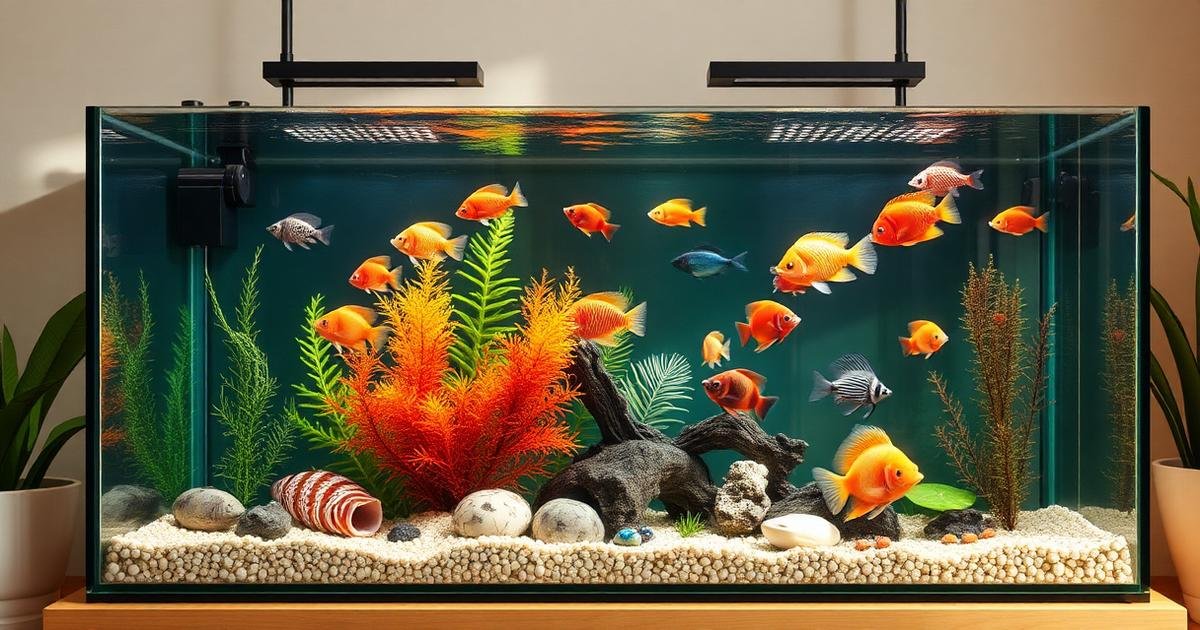
Starting your first aquarium is exciting. But with so many species to choose from, it's easy to feel overwhelmed. The best fish for beginners are hardy, adaptable species that forgive minor water quality mistakes and thrive in a standard 10-20 gallon tank. For a new aquarist, prioritizing resilience over rarity is the smartest move you can make. You want fish that survive your learning curve, not ones that die from a single mistake.
Best fish for beginners: The best fish for beginners are hardy, peaceful community species that tolerate fluctuating water parameters. Top choices include the Betta splendens, White Cloud Mountain Minnows, and Corydoras catfish. For the easiest start, choose a single Betta in a 5-gallon tank or a school of 6 Neon Tetras in
Quick Answer: What are the best fish for beginners?
The best fish for beginners are hardy, peaceful community species that tolerate fluctuating water parameters. Top choices include the Betta splendens, White Cloud Mountain Minnows, and Corydoras catfish. For the easiest start, choose a single Betta in a 5-gallon tank or a school of 6 Neon Tetras in a 10-gallon setup.
For a complete guide on this topic, see the Aquarium Setup Guide.
What makes a fish truly "beginner-friendly"?
Not every fish sold at the pet store is easy to keep. Many popular species like the Common Pleco or Oscar cichlid grow massive and require expert level filtration. Beginner friendly fish share three key traits: they tolerate a pH range of 6.5–7.5, they eat standard flake or pellet food, and they don't need a heater if your room stays above 68°F.
Hardiness matters more than color. A duller fish that survives a cycle crash is far better than a stunning fish that dies within a week. The American Veterinary Medical Association (AVMA) notes that most first time fish deaths stem from ammonia spikes, not disease. Hardy species handle these spikes better while your tank matures.
Pro Tip: Always quarantine new fish for 2 weeks in a separate tank before adding them to your main display. This prevents introducing parasites that could wipe out your entire setup.
Size is another critical factor. The best fish for beginners rarely exceed 3 inches as adults. Smaller fish produce less waste, which means your filter works less hard. You also get to keep more fish in a smaller space without overloading the biological load. A 2-inch fish produces roughly half the waste of a 4-inch fish, making water quality much easier to manage.
How to choose the right tank size for your first fish
Bigger tanks are actually easier for beginners. A 20-gallon long tank provides more stable water chemistry than a 5-gallon bowl. Temperature fluctuates less, ammonia dilutes faster, and you have more room for error. The ASPCA recommends at least a 10-gallon tank for any fish keeping setup.
Here's a quick rule of thumb: one inch of adult fish per gallon of water. A school of 6 Neon Tetras (1.5 inches each) needs at least 9 gallons. Add a small Corydoras catfish (2 inches), and you're at 11 gallons. A 10-gallon tank works perfectly for this combination.
| Tank Size | Best Beginner Fish Options | Heater Needed? |
|---|---|---|
| 5 gallons | Single Betta, 1 Nerite Snail | Yes (78–80°F) |
| 10 gallons | 6 Neon Tetras, 1 Pygmy Corydoras | Yes (76–80°F) |
| 20 gallons long | 8 White Cloud Minnows, 4 Harlequin Rasboras | Optional (64–72°F) |
| 29 gallons | 6 Zebra Danios, 6 Cherry Barbs, 2 Mystery Snails | Yes (72–78°F) |
Never start with a bowl or a nano tank under 2.5 gallons. These setups require daily water changes and expert level maintenance. Stick with a rectangular tank that has a proper lid and filter. The Aquarium Setup Guide covers how to cycle your tank before adding fish.
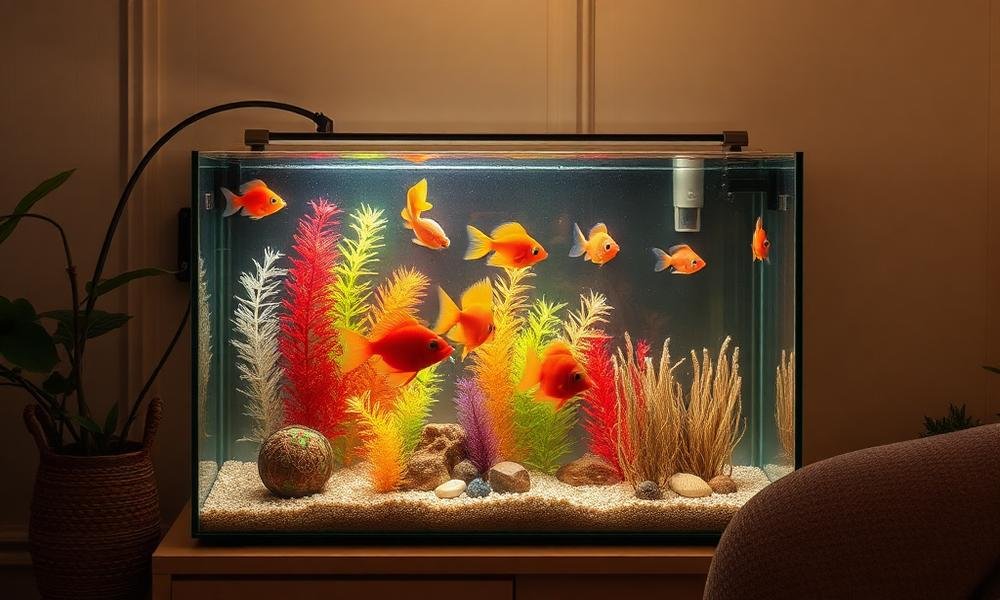
Top 5 best fish for beginners and why they work
1. Betta splendens (Siamese Fighting Fish)
The Betta is the most popular beginner fish for good reason. It breathes air directly from the surface using its labyrinth organ, so it tolerates low oxygen levels that would kill other fish. A single male Betta thrives in a 5-gallon heated tank with gentle filtration. They come in stunning colors like royal blue, deep red, and metallic turquoise.
Bettas are territorial, so never house two males together. They can live peacefully with small snails or shrimp. Feed them 3–4 pellets twice daily and perform a research suggests 25% water change weekly. With proper care, they live 3–5 years.
2. White Cloud Mountain Minnow
These hardy fish don't need a heater. They thrive at 64–72°F, making them perfect for unheated rooms. White Clouds are peaceful schooling fish that do best in groups of 6 or more. They reach 1.5 inches and display a beautiful red stripe when happy.
They eat standard flake food and accept frozen brine shrimp as a treat. A 10-gallon tank with a sponge filter works perfectly. They breed easily in captivity, which can be a fun bonus for new owners.
3. Corydoras catfish (Pygmy or Panda)
Corydoras are bottom dwellers that clean up leftover food. They're social fish that need groups of 4–6. Pygmy Corydoras stay under 1 inch, while Panda Corys reach 2 inches. Both are peaceful and safe with any community fish.
Use sand substrate instead of gravel — their barbels are delicate. Feed them sinking pellets or wafers once daily. They're active during the day and add movement to the lower third of your tank.
4. Neon Tetra
Neon Tetras are classic beginner fish with an electric blue stripe and red tail. They're schooling fish that need groups of 6 minimum. In a 10-gallon tank, they create a stunning shimmering effect. They eat micro pellets or crushed flake food.
Neons prefer soft, slightly acidic water (pH 6.0–7.0). They're sensitive to large water changes, so drip acclimate them for 30 minutes before adding to your tank. With stable conditions, they live 5–8 years.
5. Zebra Danio
Zebra Danios are the toughest fish on this list. They survive temperature swings from 64–78°F and tolerate ammonia spikes better than any other species. They're active swimmers that dart around the tank, adding energy and movement.
They need a 10-gallon tank with a tight fitting lid — they jump. Feed them flake food or small pellets. They're egg scatterers that breed readily, so you might see fry in a planted tank.
Pro Tip: For the absolute easiest start, combine 6 White Cloud Mountain Minnows with 4 Panda Corydoras in a 20-gallon unheated tank. This setup requires no heater, minimal maintenance, and costs under $50 for the fish.
How to cycle your tank before adding any fish
Cycling is the single most important step in fishkeeping. Without a cycled tank, ammonia from fish waste builds up and burns their gills within hours. The nitrogen cycle takes 4–6 weeks to establish, and rushing it kills fish. You must test your water regularly during this period.
Start by setting up your tank with dechlorinated water, substrate, filter, and heater. Add a source of ammonia — either a pinch of fish food daily or pure liquid ammonia from a bottle. Test ammonia every 48 hours using a liquid test kit. Within 1–2 weeks, ammonia will spike, then drop as nitrite rises.
Nitrite is equally toxic. Continue testing until both ammonia and nitrite read 0 ppm and nitrate appears. This signals a fully cycled tank. The AKC behavior guides don't cover fish, but the principles of patience and observation apply here too. Wait the full cycle before adding your first fish.
Using a liquid test kit like the API Freshwater Master Kit is non-negotiable. Test strips are cheaper but notoriously inaccurate — they can show 0 ppm when ammonia is actually 1.0 ppm. Invest in the liquid kit for reliable readings every time.
Common mistakes beginners make with their first fish
The biggest mistake is stocking too quickly. Your tank needs 4–6 weeks to cycle before adding fish. During this time, beneficial bacteria grow that convert toxic ammonia into safer nitrates. Adding fish before the cycle completes causes ammonia poisoning and death.
Another mistake is overfeeding. Uneaten food rots and spikes ammonia levels. Feed only what your fish can eat in 2 minutes, once daily. Skip one feeding day per week to prevent digestive issues. The AVMA recommends fasting fish weekly to mimic natural feeding patterns.
Mixing incompatible species is also common. Aggressive fish like Tiger Barbs will nip the fins of slower fish like Bettas. Always research temperament before buying. A peaceful community tank works best for the best fish for beginners.
Neglecting water changes is another trap. Some new owners think filters do all the work. But filters only convert ammonia to nitrate — they don't remove nitrate itself. Weekly research suggests 25% water changes are essential to keep nitrate below 20 ppm. Without them, algae blooms and stressed fish are inevitable.
How to set up your tank for success in 7 days
Day 1: Set up your tank with substrate, filter, and heater. Fill with dechlorinated water. Day 2: Add a source of ammonia (fish food or pure ammonia) to start the cycle. Test ammonia levels daily. Days 3–7: Monitor ammonia and nitrite spikes. When both drop to 0 ppm and nitrates appear, your tank is cycled.
Use a liquid test kit, not test strips. Strips are less accurate and can give false readings. The API Freshwater Master Kit is the gold standard for beginners. Test your water every 3 days during cycling.
Once cycled, add 2–3 hardy fish first. Zebra Danios or White Clouds are ideal starter fish. Wait 2 weeks before adding more. This staggered approach prevents overwhelming your new biological filter.
Pro Tip: Add live plants like Java Fern or Anubias to your tank. They absorb nitrates, provide hiding spots, and make your fish feel secure. Plants also compete with algae for nutrients, keeping your glass cleaner.
How to maintain your tank after the first month
After your tank stabilizes, maintenance becomes routine. Perform a research suggests 25% water change every 7 days using a gravel vacuum to remove debris from the substrate. This takes about 15 minutes for a 10-gallon tank. Test your water monthly to catch any parameter shifts before they harm your fish.
Clean your filter media once per month — but never use tap water. Rinse sponge filters in a bucket of old tank water to preserve beneficial bacteria. Replacing media entirely crashes your cycle and forces you to start over. Most beginner fish thrive with a simple sponge filter or hang-on back filter rated for your tank size.
Algae is normal and even beneficial in small amounts. If you see excessive algae, reduce lighting to 6–8 hours daily and avoid overfeeding. Adding a Nerite snail or two helps control algae naturally. They're hardy, peaceful, and one of the best cleanup crew members for any beginner tank.
Ready to set up your first tank? Find the right filter, heater, and starter kit for your beginner fish.
Browse Aquarium Options →
For broader reference and guidance, petmd.com provides useful context on pet health and care decisions.
Frequently Asked Questions
Can I keep a Betta in a bowl without a filter?
No. Bettas need a 5-gallon tank with a gentle filter and heater. Bowls lack filtration, causing ammonia buildup. Without a filter, you'd need daily research suggests 100% water changes, which stresses the fish and shortens its lifespan to under 1 year.
How many fish can I put in a 10-gallon tank?
Follow the one-inch-per gallon rule. A 10-gallon tank holds 10 inches of adult fish. A school of 6 Neon Tetras (9 inches total) plus 1 Pygmy Corydoras (1 inch) fits perfectly. Never exceed 12 inches total to maintain stable water quality.
Do I need a heater for every freshwater tank?
No. Some fish like White Cloud Mountain Minnows and Zebra Danios thrive at room temperature (64–72°F). Tropical fish like Bettas and Tetras need a heater set to 76–80°F. Research each species' temperature range before buying equipment.
How often should I clean a beginner fish tank?
Perform a research suggests 25% water change weekly using a gravel vacuum. Clean the filter media once monthly in old tank water (never tap water). This schedule keeps ammonia and nitrates low while preserving beneficial bacteria colonies.
What is the easiest fish to keep alive for a child?
The White Cloud Mountain Minnow is the easiest. It tolerates cooler temperatures, eats flake food, and doesn't need a heater. A group of 6 in a 10-gallon tank with a sponge filter is nearly foolproof. They live 3–5 years with minimal care.
Can I mix different species of beginner fish together?
Yes, as long as they're peaceful and similar size. Good combinations include Neon Tetras with Corydoras catfish, or White Clouds with Cherry Barbs. Avoid mixing aggressive fish like Tiger Barbs with slow swimmers like Bettas. Always research temperament first.
How long does it take to cycle a new tank?
A full nitrogen cycle takes 4–6 weeks. Ammonia spikes first around day 3–5, then nitrite spikes around day 10–14. Both must reach 0 ppm before adding fish. Using bottled bacteria can shorten this to 2–3 weeks but isn't guaranteed.
What water conditioner should I use for tap water?
Use a dechlorinator like Seachem Prime or API Tap Water Conditioner. These neutralize chlorine, chloramine, and heavy metals instantly. Never use untreated tap water — chlorine kills beneficial bacteria and fish gills within minutes.
Check out our complete overview of best fish food for goldfish for more information.