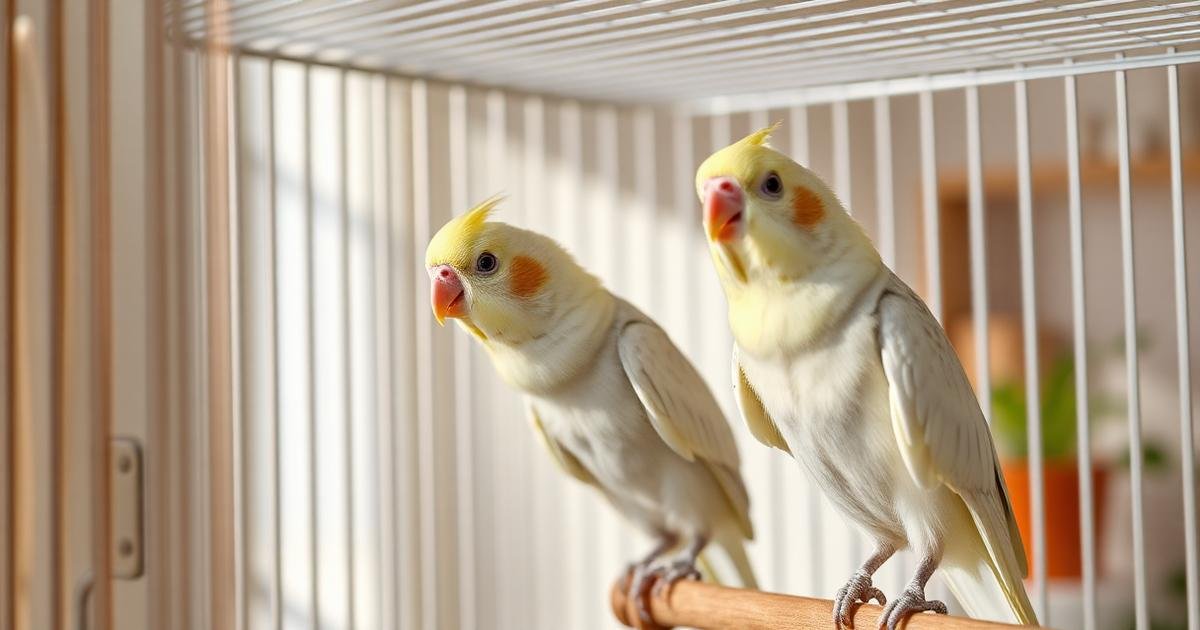
Choosing the best bird cage for cockatiels is the single most important purchase you will make for your feathered friend. The right cage is not just a home; it is the foundation for your cockatiel's physical health, mental stimulation, and overall happiness. A cage that is too small, poorly constructed, or difficult to clean can lead to boredom, feather plucking, and even injury. This guide will walk you through exactly what to look for, why each feature matters, and the top rated cages on the market today.
Best bird cage for cockatiels: The best bird cage for cockatiels is a spacious, powder-coated metal cage with bar spacing of 1/2 to 5/8 inch, measuring at least 24 inches wide, 24 inches deep, and 36 inches tall. Prioritize a cage with a pull-out tray for easy cleaning, secure locking mechanisms, and horizontal bars for climbing.
Quick Answer: What is the best bird cage for cockatiels?
The best bird cage for cockatiels is a spacious, powder coated metal cage with bar spacing of 1/2 to 5/8 inch, measuring at least 24 inches wide, 24 inches deep, and 36 inches tall. Prioritize a cage with a pull out tray for easy cleaning, secure locking mechanisms, and horizontal bars for climbing.
For a complete guide on this topic, see the Pet Bird Care Guide.
Why Cage Size Matters More Than You Think
Cockatiels are active, curious birds. In the wild, they fly miles each day. A cramped cage restricts that natural movement, leading to muscle weakness and obesity. The absolute minimum for a single cockatiel is a cage that is 24 inches long, 24 inches wide, and 36 inches tall. Bigger is always better.
This best bird cage for cockatiels decision works best when the owner compares daily fit, tolerance, and practical consistency together.
Think of it this way: your cockatiel will spend most of its life inside this cage. A flight cage, which is longer horizontally than it is tall, allows your bird to actually fly from perch to perch. This is far superior to a tall, narrow tower where the bird can only climb vertically. The AVMA recommends that a bird's cage should be large enough for it to fully extend its wings without touching the sides (AVMA pet owner resources).
For many homes, the right best bird cage for cockatiels choice is the one that stays reliable under ordinary daily conditions.
Pro Tip: Measure your available floor space before you start shopping. A 30" x 30" footprint is a fantastic starting point for a single cockatiel and gives you room for perches, toys, and food bowls without crowding your bird.
If you have two cockatiels, double the minimum dimensions. You will need a cage at least 36 inches wide and 36 inches tall. A larger cage also reduces territorial disputes and gives each bird its own space to retreat.
A well matched best bird cage for cockatiels option should support the pet clearly without making the routine harder to maintain.
Bar Spacing: The Safety Feature Most Owners Overlook
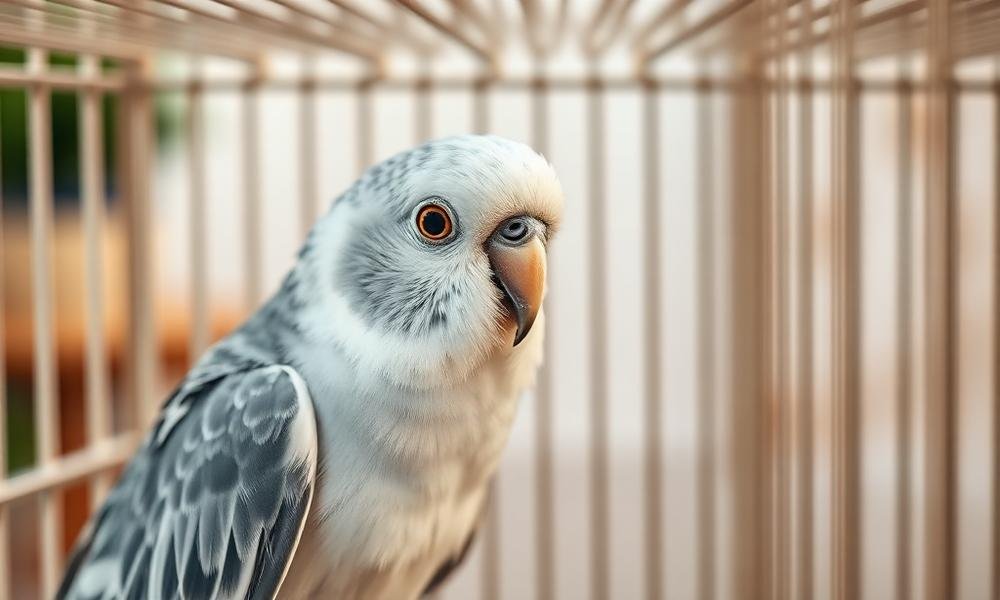
Bar spacing is a critical safety factor. The bars must be close enough together that your cockatiel cannot get its head stuck between them. For cockatiels, the ideal bar spacing is 1/2 inch to 5/8 inch. Anything wider than 5/8 inch is dangerous, especially for smaller cockatiels or young birds.
Most owners get better long term results when best bird cage for cockatiels is judged through routine use rather than a single product claim.
If the spacing is too wide, your bird risks injury or even strangulation. If it is too narrow (like 1/4 inch), your bird can still climb, but it may be harder for it to grip and maneuver. Stick to the 1/2 to 5/8 inch range for the best balance of safety and climbing ease.
The strongest best bird cage for cockatiels choice usually becomes clearer when comfort, consistency, and practical use are reviewed together.
Pro Tip: Avoid cages with vertical bars only. Cockatiels love to climb, and horizontal bars give them a natural foothold. A cage with horizontal bars on at least two sides will encourage healthy exercise and exploration.
Also check the bar thickness. Look for bars that are at least 2mm thick (about 1/16 inch). Thinner bars can bend or break over time, creating gaps that your bird can escape through. A sturdy, well constructed cage is an investment in your bird's safety.
Material and Finish: What to Look For and What to Avoid
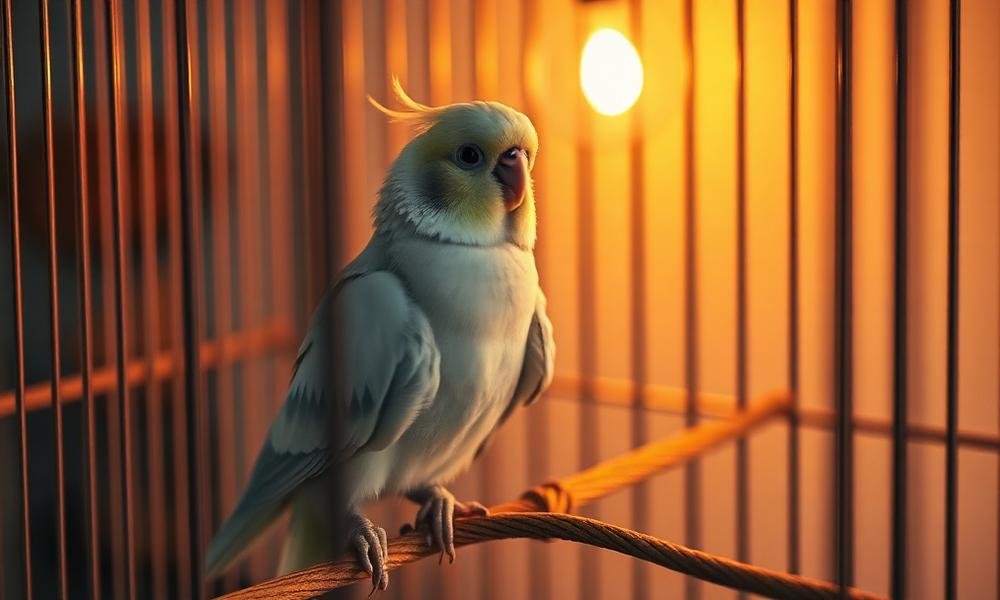
The material of the cage directly impacts your cockatiel's health. The safest choice is a powder coated metal cage. This non toxic finish is durable, easy to clean, and resists chipping. Stainless steel cages are the gold standard — they are incredibly durable, rust-proof, and completely safe if your bird chews on the bars. However, they are significantly more expensive.
What you must avoid is any cage with a galvanized or zinc coating. These metals are toxic to birds. If your cockatiel chews on a galvanized bar, it can ingest zinc, leading to heavy metal poisoning. Also, never buy a cage with lead based paint or any chipping paint. Always check the manufacturer's description to confirm the cage is bird safe and non-toxic.
The ASPCA behavior resources (while focused on dogs, the principles of safe containment apply) emphasize that any enclosure must be free of sharp edges and toxic materials. Run your hand along the cage bars and corners to feel for any burrs or sharp points that could cut your bird's feet or beak.
Ease of Cleaning: A Feature You Will Thank Yourself For
A dirty cage is a breeding ground for bacteria, mold, and parasites. A cockatiel's cage needs to be cleaned thoroughly at least once a week, with daily spot cleaning of the tray and food bowls. The best bird cage for cockatiels will make this chore as easy as possible.
Look for these cleaning friendly features:
- Pull out tray: This is non-negotiable. A tray that slides out allows you to remove soiled paper or liner without sticking your arm inside the cage.
- Removable grate: A grate that lifts out lets you access the bottom of the cage for deep scrubbing.
- Large front door: A wide door makes it easier to reach every corner of the cage for cleaning and rearranging perches.
- Dishwasher safe parts: Some cages have plastic components that can go in the dishwasher for a thorough sanitization.
Pro Tip: Avoid cages with complex decorative scrollwork or hard-to reach crevices. These areas trap dust and droppings, making cleaning a nightmare. A simple, clean design is always better for hygiene.
Daily cleaning takes only 5-10 minutes if your cage is well-designed. A poorly designed cage can turn a 5-minute job into a 30-minute struggle, which means you are less likely to do it consistently.

Security and Door Design: Keeping Your Cockatiel Safe
Your cockatiel is a clever escape artist. The cage must have secure, reliable latches. Simple hook-and eye latches are not enough — many cockatiels learn to lift them open. Look for cages with slide bolt locks or double locking mechanisms. Some high end cages even come with padlock hasps for an extra layer of security.
The door itself should be large enough for you to reach in and interact with your bird, but not so large that it becomes a hazard. Many cages have a "play top" or "dometop" design, where the top of the cage opens into a play area. This is a great feature, but make sure the main cage door also has a secure latch that cannot be popped open from the inside.
Consider the cage's placement in your home. If you have other pets like cats or dogs, the cage needs to be on a sturdy stand that cannot be tipped over. A cage with a locking mechanism on the stand itself is an excellent safety feature. The AKC behavior guides (while for dogs) teach us that a secure environment reduces stress and anxiety — the same principle applies to your bird.
How to Position the Cage for Maximum Comfort
Where you place the cage matters as much as the cage itself. Cockatiels are social flock animals that need to feel part of the family. Put the cage in a room where you spend most of your time, like the living room or home office. This prevents your bird from feeling isolated, which can lead to screaming or depression.
Keep the cage away from direct sunlight, drafts from windows or air conditioning vents, and the kitchen. Non stick cookware releases fumes that are lethal to birds within minutes. The ideal spot is against a wall, at eye level, in a corner that provides a sense of security. Cover the back of the cage with a cloth if it is in a high traffic area to give your bird a safe retreat.
Pro Tip: Place the cage on a sturdy stand that is at least 3 feet off the ground. This makes your cockatiel feel safer from predators (real or perceived) and allows you to interact with your bird at eye level, which strengthens your bond.
Also consider the lighting in the room. Cockatiels need 10-12 hours of sleep each night. If the room has bright lights or a television on late, cover the cage with a breathable cover at night to ensure your bird gets uninterrupted rest.
Common Mistakes Owners Make When Buying a Cage
Even experienced bird owners sometimes fall into these traps. The most common mistake is buying a cage that is too tall and too narrow. A tall tower looks impressive, but your cockatiel cannot fly horizontally in it. A flight cage with a longer width is always better for exercise and wing stretching.
Another mistake is ignoring the bar spacing. Many owners assume all bird cages are the same. A cage designed for a macaw has bar spacing of 1 inch or more, which is a death trap for a cockatiel. Always verify the spacing is 1/2 to 5/8 inch before purchasing. The PetMD condition guides (while for dogs) remind us that prevention is always better than treatment — the same logic applies to cage safety.
Finally, do not buy a cage with a plastic base that is permanently attached. Plastic absorbs bacteria and odors over time. A metal or removable plastic tray is far more hygienic. And never buy a cage with a seed guard that is too shallow — you will be sweeping seeds off your floor every single day.
Comparison Table: Top Recommended Cockatiel Cages
| Cage Model | Dimensions (L x W x H) | Bar Spacing | Key Feature | Best For | |
|---|---|---|---|---|---|
| Prevue Hendryx 3100 | 30" x 18" x 36" | 5/8 inch | Powder coated metal | Large front door, pull out tray | Budget-friendly, single bird |
| Yaheetech 61-Inch Flight Cage | 30" x 19" x 61" | 1/2 inch | Powder coated metal | Tall, with stand and wheels | Owners wanting vertical space |
| Vision Bird Cage Model M01 | 27" x 21" x 33" | 5/8 inch | Powder coated metal | Deep base with seed guard | Messy eaters |
| HQ Large Flight Cage | 36" x 24" x 48" | 1/2 inch | Stainless steel | Durable, rust-proof, horizontal bars | Long term investment, two birds |
| King's Cages Aluminum Flight Cage | 36" x 24" x 48" | 5/8 inch | Lightweight, easy to move | Frequent cage movers |
This table compares five of the most popular and highly rated cages for cockatiels. Each model meets the minimum size requirements and has safe bar spacing. Your final choice should depend on your budget, the number of birds you own, and your specific space constraints.
Essential Accessories for Your Cockatiel's Cage
The cage is just the shell. What you put inside it determines your bird's quality of life. Every cage needs multiple perches of varying diameters (1/2 to 1 inch) to exercise your bird's feet. Natural wood perches are better than uniform dowels. Add stainless steel or ceramic food and water bowls that are easy to access and clean.
Toys are non-negotiable. Cockatiels are intelligent and need mental stimulation. Provide a mix of shredding toys, bells, and foraging toys. Rotate the toys every 1-2 weeks to keep your bird engaged. Without enrichment, your cockatiel may develop destructive behaviors like feather plucking or screaming.
Place the cage in a high traffic area of your home, like the living room. Cockatiels are social and need to feel part of the flock. Avoid placing the cage in direct sunlight, near drafts, or in the kitchen (where fumes from non stick pans can be lethal). A well-placed, well accessorized cage is a happy home.
How to Budget for a Quality Cage
A good cage is an investment that lasts 15-20 years. You can find a decent powder coated cage for $100-$200. Mid range options with better construction and larger dimensions range from $200-$400. Stainless steel cages start at $400 and can go over $1,000 for large flight models.
Do not skimp on the cage to save $50. A cheap cage with thin bars, poor welds, or toxic paint will cost you more in vet bills and frustration. Think of the cage as your bird's home for life. Spending an extra $100 now means a safer, happier bird and fewer replacements down the road.
Pro Tip: Watch for sales around major holidays like Black Friday or after Christmas. Many online pet retailers offer 20-30% off on bird cages during these periods. You can often get a premium cage for the price of a mid range model.
Also factor in the cost of accessories. A good cage is useless without proper perches, bowls, and toys. Budget an additional $50-$100 for initial setup items. This ensures you are not rushing to buy cheap, unsafe accessories that could harm your bird.
Ready to find the perfect home for your cockatiel? We have curated a selection of top-rated, bird safe cages that meet all the criteria discussed above.
Browse Bird Care Options →
Frequently Asked Questions
Can a cockatiel live in a parakeet cage?
No. A parakeet cage is typically too small for a cockatiel. Cockatiels are larger, more active birds that need at least 24 inches of width and 36 inches of height. A parakeet cage would restrict their movement and cause health problems like obesity and muscle atrophy.
What is the best shape for a cockatiel cage?
A rectangular or square cage is best. Round cages are not recommended because they lack corners, which birds use as safe retreats. Rectangular cages also provide more usable space and make it easier to arrange perches and toys without crowding the bird.
How often should I clean my cockatiel's cage?
Spot clean the tray and change the liner daily. Deep clean the entire cage, including perches and toys, at least once a week. Use a bird safe disinfectant or a 50/50 vinegar and water solution. A clean cage prevents bacterial and fungal infections.
Is a stainless steel cage worth the extra cost?
Yes, if you can afford it. Stainless steel cages are non-toxic, rust-proof, and extremely durable. They last for decades without chipping or corroding. For owners who plan to keep their cockatiel for its entire lifespan (15-20 years), a stainless steel cage is a wise investment.
Can I use a cage with vertical bars only?
You can, but it is not ideal. Cockatiels love to climb, and horizontal bars give them a natural foothold. A cage with at least two sides of horizontal bars is much better for your bird's exercise. If a cage has only vertical bars, add plenty of climbing toys and rope perches.
What should I put on the bottom of the cage?
Use paper based bedding or newspaper. Avoid cedar or pine shavings, as the fumes can be toxic to birds. Never use corn cob bedding, which can grow mold. The best option is plain, unprinted newspaper or specific paper cage liners available at pet stores.
How do I know if the cage is too small for my cockatiel?
If your cockatiel cannot fully extend its wings without touching the bars, the cage is too small. Other signs include your bird sitting on the floor of the cage, excessive pacing, or feather damage from rubbing against the bars. Upgrade to a larger cage immediately if you notice these signs.
Can I put two cockatiels in one cage?
Yes, but only if the cage is large enough. For two cockatiels, you need a cage at least 36 inches wide and 36 inches tall. Provide multiple perches, food bowls, and toys to reduce competition. Watch for signs of aggression and separate the birds if necessary.