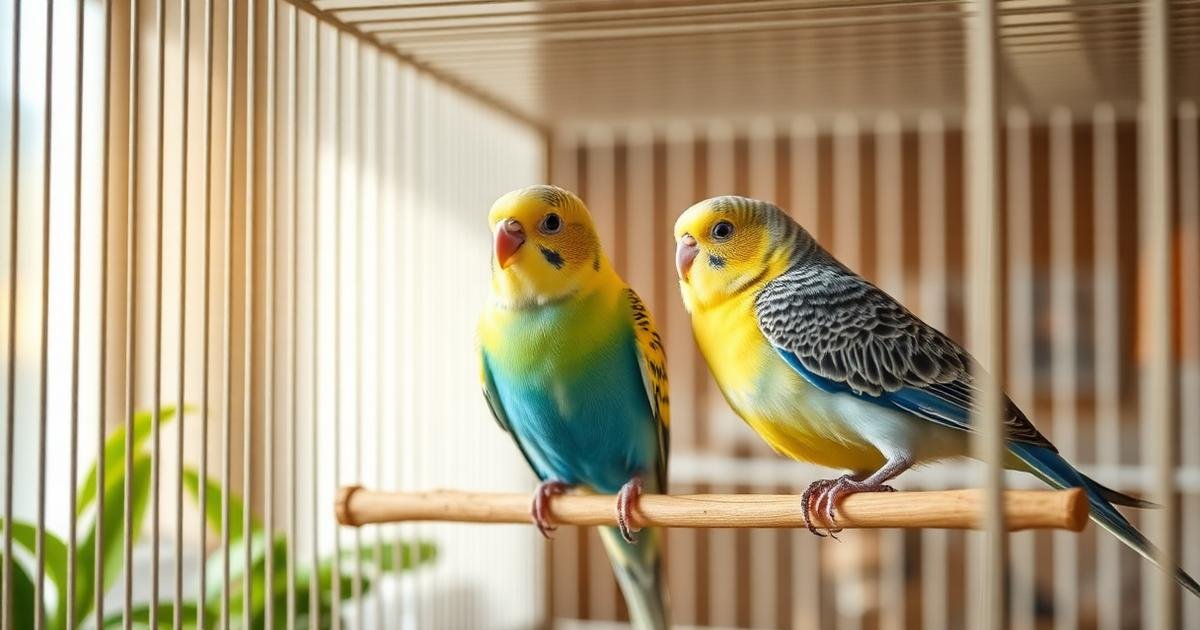
Finding the best bird cage for budgies isn't just about picking the prettiest or cheapest option — it's about giving your budgie a safe, spacious home that supports its health and happiness. The best cage for a budgie is a rectangular bar cage at least 18 inches wide, 18 inches deep, and 24 inches tall, with horizontal bars spaced no more than ½ inch apart, made from non-toxic, powder coated metal. Your budgie will spend most of its life in this cage, so getting the right one is the single most important purchase you'll make.
Best bird cage for budgies: The best bird cage for budgies is a rectangular, powder-coated metal cage with bar spacing no wider than ½ inch, minimum dimensions of 18" x 18" x 24", and at least two horizontal bars per side for climbing. Avoid round cages entirely — they cause psychological stress and restrict wing movement. Pri
Quick Answer: What is the best bird cage for budgies?
The best bird cage for budgies is a rectangular, powder coated metal cage with bar spacing no wider than ½ inch, minimum dimensions of 18" x 18" x 24", and at least two horizontal bars per side for climbing. Avoid round cages entirely — they cause psychological stress and restrict wing movement. Prioritize cage width over height, as budgies fly horizontally.
For a complete guide on this topic, see the Pet Bird Care Guide.
What size cage does a budgie actually need?
Budgies are active, social birds that need room to fly, climb, and stretch their wings. The absolute minimum for a single budgie is 18 inches wide, 18 inches deep, and 24 inches tall. But bigger is always better — a 30-inch wide cage gives your budgie enough space for short flights, which is critical for muscle health and mental stimulation.
For two budgies, double the width. A cage that's 30 to 36 inches wide gives each bird enough personal space to avoid territorial stress. The ASPCA recommends cages that allow at least two full wing flaps in any direction — that means width matters more than height.
Pro Tip: Measure your budgie's wingspan (about 12 inches for an adult) and multiply by two. That's your minimum cage width. Anything less, and your bird cannot properly exercise its flight muscles.
Never buy a cage that's taller than it is wide. Tall, narrow cages trick inexperienced owners into thinking they're spacious, but budgies fly horizontally, not vertically. A tall cage with little floor space is like a staircase with no landing — your budgie will feel trapped, not free.
Why bar spacing matters more than you think
Bar spacing is the most overlooked factor when choosing the best bird cage for budgies. If the bars are too far apart, your budgie can squeeze through and escape — or worse, get its head stuck between the bars, causing injury or death. The safe range for budgies is ⅜ inch to ½ inch. Anything wider than ½ inch is dangerous.
Bar spacing that's too narrow (¼ inch or less) can trap your budgie's feet or beak. Budgies are curious and will stick their heads between bars to investigate. If the gap is too small, they can get stuck. Stick to ⅜ inch spacing for the safest balance between safety and visibility.
Horizontal bars are non-negotiable. Budgies love to climb, and horizontal bars give them a natural ladder system. Vertical only bars force them to fly or hop from perch to perch, which limits their movement and enrichment. Check every cage you consider — if it doesn't have at least two horizontal bars on each side, keep looking.
What materials are safe and unsafe for budgie cages?
Powder coated metal is the gold standard for budgie cages. It's durable, easy to clean, and non toxic when properly cured. Stainless steel is even better — it won't rust, chip, or peel, and it's completely safe if your budgie chews on the bars. However, stainless steel cages are significantly more expensive, often 2-3 times the cost of powder coated options.
Avoid galvanized wire cages at all costs. Galvanized metal contains zinc, which is toxic to birds. When budgies chew on galvanized bars, they ingest zinc particles, leading to heavy metal poisoning — symptoms include vomiting, lethargy, and seizures. The AVMA warns that even small amounts of zinc can be fatal to small birds like budgies.
Cheap painted or plastic coated cages are also risky. Paint can chip and be ingested, while plastic coatings peel off over time and create sharp edges. Stick to powder coated or stainless steel — these materials are tested for bird safety and will last for years.
Pro Tip: When shopping online, look for cages labeled "bird safe powder coating" or "non toxic finish." If best bird cage for budgies description doesn't mention safety certifications, email the manufacturer before buying. Your budgie's health isn't worth guessing.
What features make a cage truly budgie-friendly?
A great cage isn't just about size and material — the small features make the biggest difference in your budgie's daily life. Look for cages with a removable bottom grille and a deep slide out tray. This makes cleaning fast and thorough, which is critical because budgies produce a lot of droppings and dander. A cage that's hard to clean will get cleaned less often, and that means respiratory problems for your bird.
Door design matters more than you'd expect. Small, circular doors make it difficult to reach inside for cleaning or to retrieve a scared budgie. Look for cages with full width doors or multiple access points. Some premium cages have doors that swing down to create a landing platform — this is excellent for out-of cage time.
Perch placement is built into the cage design. The best bird cage for budgies will have bars that allow you to install perches at different heights and angles, not just at the same level. Budgies need variety — different perch diameters (½ inch to 1 inch) exercise their feet and prevent bumblefoot, a painful condition caused by constant pressure on the same spots.
Feeder doors and cup placement should be accessible from outside the cage. You don't want to reach inside every time you refill water or seed. External feeder doors let you change food without stressing your budgie, and they make daily maintenance feel effortless.

What cage shapes should you absolutely avoid?
Round cages are the worst possible choice for budgies. Despite their aesthetic appeal, round cages cause serious psychological harm. Birds in round cages have no corners to retreat to, which eliminates their sense of security. Without a corner to hide in, budgies become chronically stressed — feather plucking, screaming, and self mutilation are common in round cage birds.
Dome topped cages are almost as bad. The curved top creates a dead space that budgies cannot use for perching or climbing. It also makes it impossible to hang toys or swings from the top, which removes a key enrichment area. Stick to flat topped rectangular cages — they maximize usable space and give your budgie a natural, predictable environment.
Pro Tip: If you see a "cute" round or novelty shaped cage at a pet store, walk away. These cages are designed for human aesthetics, not bird welfare. Your budgie doesn't care about the shape — it cares about having space to fly and corners to feel safe.
Hexagonal or octagonal cages fall into the same trap. While they have corners, the angles are too sharp and the shape creates visual distortion for birds. Budgies rely on clear sight lines to feel safe — irregular shapes confuse their spatial awareness and increase anxiety. Rectangular is the only shape that works for budgie psychology.
Ready to find the perfect home for your budgie? We've curated the safest, most spacious cages that meet every budgie need.
Browse Bird Care Options →
How do you compare the best bird cage for budgies?
When you're comparing specific products, focus on these five criteria in order: bar spacing, width, material, ease of cleaning, and perch versatility. A cage that scores high on all five is worth the investment. A cage that compromises on any of the first three is not safe, regardless of price.
Use this comparison framework to evaluate any cage you're considering:
| Ideal for Budgies | Do Not Buy | ||
|---|---|---|---|
| Bar spacing | ⅜ inch | ½ inch | Over ½ inch or under ¼ inch |
| Cage width | 30 inches or more | 18–24 inches | Under 18 inches |
| Stainless steel | Powder coated metal | Galvanized, painted, plastic-coated | |
| Bar orientation | Horizontal bars on all sides | At least 2 horizontal bars per side | Vertical only bars |
| Tray access | Slide out tray, removable grille | Slide out tray only | Fixed bottom, no tray |
This table isn't theoretical — it's based on standards from the ASPCA's pet care guidelines and avian veterinary recommendations. Every cage you evaluate should pass all five checks before you consider buying it.
What about cage placement and setup?
Even the best bird cage for budgies will fail if placed in the wrong spot. Budgies are social flock animals that need to be part of family life, but they also need quiet time. Place the cage in a room where your family spends time during the day — like the living room or home office — but away from direct sunlight, drafts, and kitchen fumes.
Kitchens are dangerous for budgies. Non stick cookware releases fumes that are lethal to birds within minutes. The AVMA specifically warns against keeping birds in kitchens due to the risk of Teflon toxicity. Keep your budgie's cage at least 15 feet from any cooking area, and never use non stick pans near your bird.
Cage height matters for your budgie's sense of security. Place the cage so that your budgie's perch height is at eye level or slightly above yours. Budgies feel safer when they can see their surroundings from above. A cage on the floor makes them feel vulnerable and exposed, which leads to stress behaviors.
Pro Tip: Place the cage against a wall, not in the center of a room. One solid side gives your budgie a sense of security and reduces the number of directions it needs to watch for threats. This simple placement change can dramatically reduce stress in nervous birds.
How much should you spend on a budgie cage?
A quality cage is an investment that lasts 10-15 years — the lifespan of a well-cared for budgie. Expect to spend between $80 and $200 for a good powder coated cage that meets all safety and size requirements. Stainless steel cages start around $250 and can go over $500 for large, well designed models.
Cheap cages under $50 are almost always dangerous. They use thin wire that bends easily, unsafe coatings, and bar spacing that's either too wide or too narrow. You'll end up replacing them within a year, which costs more in the long run and stresses your bird with multiple moves. Buy the best cage you can afford the first time.
Used cages can be a good option if you inspect them carefully. Check for rust, chipped paint, bent bars, and any signs of previous bird illness. Disinfect thoroughly with a bird safe cleaner — a research suggests 10% bleach solution works, but rinse extremely well and air dry for 48 hours before introducing your budgie.
For broader reference and guidance, akc.org provides useful context on pet health and care decisions.
Frequently Asked Questions
What is the best bird cage for budgies for beginners?
A 30-inch wide, powder coated rectangular cage with ⅜ inch bar spacing and horizontal bars is the best choice for beginners. Look for models with slide out trays and external feeder doors. This size gives a single budgie room to fly while being easy to clean and maintain.
Can a budgie live in a cage that's too big?
No, a budgie cannot have a cage that's too big. Larger cages provide more flight space, more enrichment opportunities, and better mental stimulation. The only risk is bar spacing — ensure bars are no wider than ½ inch even on large cages. Big is always better for budgie welfare.
Is a round cage okay for a budgie if it's large enough?
No, round cages are never safe for budgies regardless of size. Round cages eliminate corners where budgies hide to feel secure, causing chronic stress. They also distort the bird's visual field and make it impossible to install perches and toys properly. Always choose rectangular cages.
How often should I clean my budgie's cage?
Spot clean the bottom tray and food bowls daily. Replace cage liner paper every 2-3 days. Do a full deep clean — scrubbing bars, perches, and toys — once per week. Use a bird safe disinfectant or a research suggests 10% vinegar solution. Regular cleaning prevents respiratory infections and bacterial buildup.
What bar spacing is safe for a baby budgie?
Baby budgies have smaller heads and bodies, so use ⅜ inch bar spacing maximum. A baby budgie can squeeze through ½ inch gaps, risking escape or injury. As your budgie grows to full adult size (around 4-6 months), ½ inch spacing becomes safe, but ⅜ inch remains ideal for life.
Can I use a parrot cage for a budgie?
Only if the bar spacing is ½ inch or less. Many parrot cages have ¾ inch or 1 inch bar spacing, which is dangerous for budgies. If the cage passes the bar spacing test and has horizontal bars, it can work — but ensure perches and toy sizes are appropriate for a budgie's smaller beak and feet.