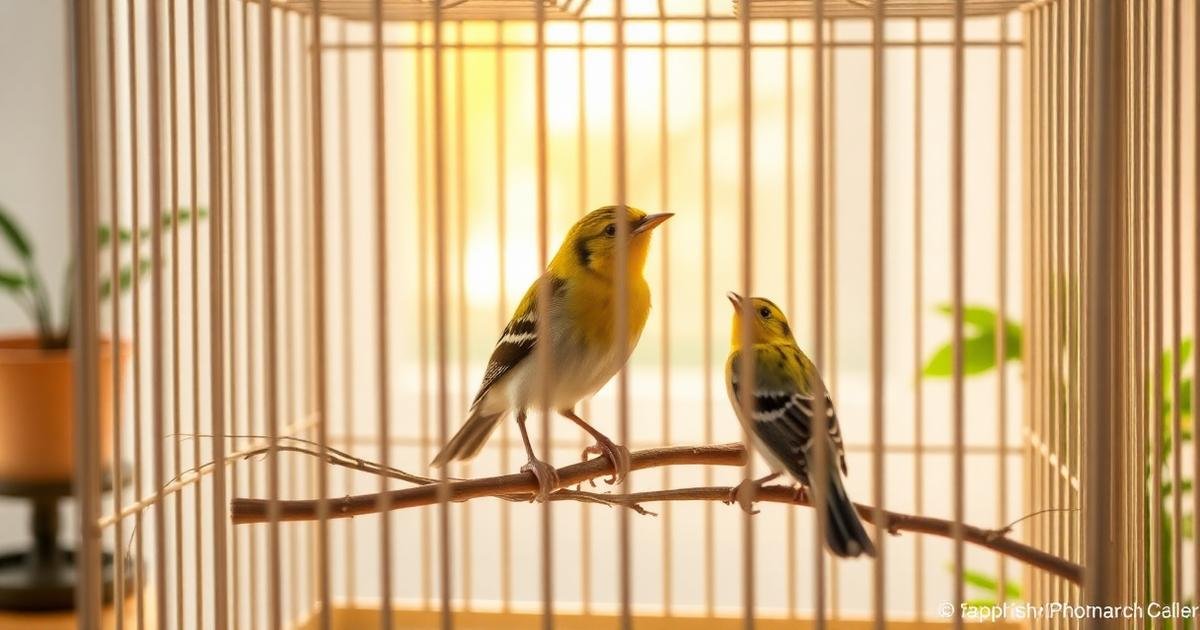
Choosing the the best option comes down to prioritizing bar spacing, material safety, and overall dimensions. A cage that is too small or poorly constructed can lead to health problems and behavioral issues. For most small birds like budgies, cockatiels, and finches, look for a cage that is at least 18 inches wide, 18 inches deep, and 24 inches tall with bar spacing no wider than ½ inch.
Best bird cage for small birds: The best bird cage for small birds is one with horizontal bars, a removable tray for easy cleaning, and bar spacing of ½ inch or less to prevent escape and injury. A minimum size of 18" x 18" x 24" is recommended for a single budgie or cockatiel, while finches need more horizontal flight space. Prio
Quick Answer: What is the best bird cage for small birds?
The the right choice is one with horizontal bars, a removable tray for easy cleaning, and bar spacing of ½ inch or less to prevent escape and injury. A minimum size of 18" x 18" x 24" is recommended for a single budgie or cockatiel, while finches need more horizontal flight space. Prioritize powder coated or stainless steel over painted or plastic coated wire.
For a complete guide on this topic, see the Pet Bird Care Guide.
Why Bar Spacing Matters More Than You Think
The single most critical safety feature in any cage for small birds is bar spacing. If the spacing is too wide, your bird can get its head stuck or escape. For budgies, cockatiels, and parrotlets, bar spacing should never exceed ½ inch. For finches and canaries, ¼ to ⅜ inch is safer.
Horizontal bars are also essential. They allow small birds to climb and exercise their feet and beaks. A cage with only vertical bars limits natural movement and can lead to foot and joint problems over time.
Pro Tip: When measuring bar spacing, use a quarter as a gauge. If the quarter fits through the bars easily, the spacing is too wide for a budgie or smaller bird.
Consider the material of the bars as well. Powder coated steel is durable and safe, while painted cages can chip and be ingested. Stainless steel is the gold standard but comes at a higher price point. Avoid cages with zinc or lead based finishes entirely.
Bar spacing also affects your bird's ability to socialize with you. With wider bars, your bird cannot comfortably press its face against the cage to interact. This might seem minor, but it can reduce bonding opportunities over weeks and months. For the a strong pick, always measure the gap between bars yourself rather than trusting product descriptions alone.
Minimum Cage Size: Bigger Is Always Better
Many cages marketed as "starter" cages are far too small for a bird to thrive. The minimum dimensions for a single budgie are 18 inches wide by 18 inches deep by 24 inches tall. For a pair of finches, you need at least 30 inches of horizontal length since they fly side to side, not up and down.
Cockatiels require more vertical space — at least 24 inches wide and 36 inches tall. A cage that is too small can lead to feather plucking, obesity, and aggression. The American Veterinary Medical Association (AVMA) recommends the largest cage your space and budget allow.
When evaluating the a reliable option, always check the interior dimensions, not the overall footprint. Some cages have bulky exteriors with small usable interior space. Measure the inside width, depth, and height before purchasing.
Flight space is especially critical for species like canaries and zebra finches. These birds evolved to fly horizontally across distances, not vertically. A tall, narrow cage is essentially useless for them. You need a long, rectangular flight cage — at least 30 inches in length — to let them stretch their wings properly. Within 2-3 weeks of upgrading to adequate flight space, you will likely notice your birds becoming more active and less irritable.
Material Safety: What to Look For and What to Avoid
Powder Coated Steel: The Best Value
Most high quality cages use powder coated steel. This finish is non-toxic, durable, and resists chipping. It is also easier to clean than raw metal. Look for a cage with a thick, even coating and no sharp edges where the coating might peel.
Stainless Steel: The Premium Choice
Stainless steel cages are non-porous, rust-proof, and completely safe for birds. They are the easiest to sanitize and last for decades. The downside is cost — a good stainless steel cage can cost 3-5 times more than a powder coated equivalent.
Materials to Avoid
Never buy a cage made from galvanized wire, as it can contain zinc and lead that are toxic to birds. Painted or plastic coated cages are also risky — birds can chew off the coating and ingest harmful chemicals. Stick to powder coated or stainless steel only.
Pro Tip: Check the welds on any cage you consider. Poor welds can create sharp points that injure your bird's feet. Run your hand along every bar joint before your bird moves in.
Another hidden danger is the cage's finish on the interior of the bars. Some manufacturers only coat the exterior, leaving raw metal inside where your bird will climb. This is unacceptable. The entire cage — inside and out — must be properly finished. If you see uneven coloring or bare spots, move on to a different model. Your bird's health depends on this detail.
Cleaning and Maintenance: Features That Save You Time
A cage that is difficult to clean will quickly become a health hazard. Look for a cage with a removable bottom tray that slides out without having to open the main door. The tray should be deep enough to contain scattered seed hulls and droppings.
Grill guards over the tray are important — they keep your bird from walking in its own waste. The grill should be easy to remove and dishwasher safe if possible. Avoid cages with decorative scrollwork or hard-to reach corners where bacteria can build up.
Door design also matters. Small doors make it frustrating to change food bowls and perches. Look for a cage with at least one large front door or multiple smaller doors for easy access. Some of the the best option options include side access doors for feeding without disturbing your bird.
Consider the tray material as well. Plastic trays are standard but can warp or stain over time. Stainless steel trays are more expensive but last indefinitely and clean up with minimal effort. If you have multiple birds, you will appreciate a tray that can be fully submerged in hot soapy water once a week. A deep tray — at least 2 inches — also prevents seed hulls from scattering onto your floor, saving you sweeping time.

Perch and Toy Placement: Setting Up for Success
Even the best cage is only as good as its setup. Place perches at different heights and diameters to promote foot health. Natural wood perches are superior to sandpaper covers, which can cause abrasions. Position food and water bowls away from perches to prevent contamination.
Toys should be rotated weekly to prevent boredom. For small birds, choose toys made from safe, destructible materials like paper, wood, and leather. Avoid toys with small metal parts that could be swallowed.
The cage should be placed in a room where your bird can see family activity but not in direct sunlight or near drafts. Birds are social creatures — isolation can lead to depression and screaming behaviors. The ASPCA pet care resources emphasize that environmental enrichment is as important as nutrition for captive birds.
Perch placement also affects cage cleanliness. Do not put perches directly above food or water bowls. Droppings will fall into them, forcing you to change food and water multiple times a day. Instead, scatter perches around the cage so waste falls to the tray. Foraging toys placed at different levels encourage your bird to move around, which burns calories and keeps muscles strong. Within 1-2 weeks of a well enriched cage, expect to see less screaming and more natural foraging behavior.
Door Security and Escape Prevention
Small birds are surprisingly clever at opening cage doors. A simple latch that works for a dog or cat is no match for a determined parrotlet or lovebird. You need doors with locking mechanisms that require two steps to open — a slide plus a twist, or a spring loaded clip.
Check the gap between the door and the cage frame when closed. Some cages have gaps wide enough for a small bird to squeeze through. If you can fit your pinky finger between the door and the frame, your bird can probably escape. For the a good choice, look for doors that sit flush against the bars with no visible gaps.
Also consider the number of doors. A single large door is convenient for cleaning but creates a big opening if left ajar. Multiple smaller doors reduce the risk of accidental escape. Some owners add extra security with small padlocks or carabiners, especially if their bird has a history of Houdini like escapes.
Pro Tip: Test every latch at the store or immediately after unboxing. If a latch feels flimsy or requires too much force, it will fail over time. Replace it before your bird figures out how to work it.
Noise and Location: Where to Place Your Bird's Cage
Birds are sensitive to their environment. A cage placed in a high traffic hallway can cause constant stress, while one tucked in a dark corner can lead to depression. The ideal location is a room where your family spends time but that is not directly next to a television or loud appliance.
Kitchens are particularly dangerous for birds. Cooking fumes from non stick pans release PTFE and PFOA gases that are lethal to birds within minutes. Even self cleaning ovens can emit deadly fumes. The AVMA warns that birds have extremely sensitive respiratory systems. Keep the cage at least 15 feet away from the kitchen entrance.
Birds also need a consistent day night cycle. Place the cage near a window for natural light, but ensure at least one side of the cage has a visual barrier — a wall or a piece of furniture — so your bird can retreat when feeling overwhelmed. Covering the cage at night with a breathable fabric helps regulate sleep. Aim for 10-12 hours of uninterrupted darkness each night for optimal health.
Ready to find the perfect home for your feathered friend? Browse our curated selection of safe, spacious cages.
Browse Bird Care Options →
Comparison: Top Cage Types for Small Birds
| Cage Type | Best For | Key Feature | Price Range |
|---|---|---|---|
| Flight Cage | Finches, Canaries | Long horizontal space (30-40 inches) | $80-$200 |
| Corner Cage | Budgies, Parrotlets | Fits in corners, saves floor space | $60-$150 |
| Stainless Steel | All small birds | Non-toxic, easy to sanitize | $200-$600 |
| Playtop Cage | Cockatiels, Lovebirds | Integrated play area on top | $100-$250 |
Troubleshooting Common Cage Issues
| Likely Cause | ||
|---|---|---|
| Bird escapes frequently | Bar spacing too wide | Replace cage with ½ inch or smaller spacing |
| Birds fight constantly | Cage too small | Upgrade to a larger flight cage |
| Feather plucking | Lack of enrichment | Add toys, perches, and foraging activities |
| Rust on bars | Low quality metal | Switch to stainless steel or powder coated cage |
| Bad odor within 2 days | Inadequate tray depth | Use deeper tray or line with newspaper |
| Bird refuses to enter cage | Negative association | Make cage inviting with treats and positive reinforcement |
For broader reference and guidance, akc.org provides useful context on pet health and care decisions.
Frequently Asked Questions
What is the the right choice that are escape artists?
For escape prone birds like parrotlets or lovebirds, choose a cage with bar spacing of ⅜ inch or less. Ensure all doors have secure, locking mechanisms — many small birds can learn to slide simple latches. A stainless steel cage with tight welds is ideal.
Can I use a hamster cage for my small bird?
No. Hamster cages have plastic bases and wire tops with bar spacing that is often unsafe for birds. The plastic can be chewed and ingested, and the ventilation is usually poor. Always use a cage designed specifically for birds.
How often should I clean my bird's cage?
Spot clean droppings and change food parrots-daily-diet/">daily. Do a full cage cleaning — including washing the tray, perches, and toys — at least once a week. Deep clean the entire cage with a bird safe disinfectant once a month.
What size cage do I need for two budgies?
For two budgies, you need a cage at least 30 inches wide and 24 inches tall. More horizontal space is better than vertical space for budgies. A flight cage or rectangular cage is ideal. Never house two birds in a cage smaller than 18" x 18" x 24".
Are round cages safe for small birds?
No. Round cages are not recommended by avian veterinarians. They lack corners where birds feel secure, and the curved bars can damage tail feathers. Birds in round cages often become disoriented and stressed. Always choose a rectangular or square cage.
What is the best material for a bird cage tray?
Removable plastic trays are standard and easy to clean, but they can be chewed. Stainless steel trays are more durable and completely chew-proof. For the a strong pick, look for a tray that is deep, removable, and dishwasher-safe.
How can I tell if my bird's cage is too small?
Watch your bird's behavior. If it paces back and forth along one bar repeatedly, flaps its wings without taking off, or shows aggression when you approach, the cage is likely too small. A properly sized cage allows your bird to fully extend its wings without touching the bars in any direction.
Should I cover my bird's cage at night?
Yes, covering the cage at night provides darkness and security for 10-12 hours of uninterrupted sleep. Use a breathable fabric like cotton or fleece — never plastic or vinyl. Leave a small gap for ventilation. Birds that do not get enough darkness often become hormonal and aggressive.
Check out our complete overview of best bird treats for training for more information.