

This dog normal temperature heart rate guide covers everything you need to make confident decisions about your pet. Knowing your dog’s normal temperature, heart rate, and respiratory rate is the foundation of at home health monitoring. In this , you will learn that a healthy adult dog has a body temperature of 101°F–102.5°F, a resting heart rate of 60–140 beats per minute (depending on size), and a respiratory rate of 10–30 breaths per minute. These three vital signs give you a direct, immediate snapshot of your dog’s health, allowing you to detect fever, pain, or distress before serious problems develop. Mastering these measurements takes only 60 seconds once you know the technique, and it can save you costly emergency visits by catching issues early.
Dog normal temperature heart rate guide: A healthy adult dog’s normal temperature is 101°F–102.5°F (38.3°C–39.2°C), heart rate is 60–140 beats per minute (smaller dogs = faster), and respiratory rate is 10–30 breaths per minute at rest. Puppies and toy breeds may have slightly higher ranges. Always measure these values when your dog is cal
Quick Answer: What Are the Normal Vital Signs for a Dog?
A healthy adult dog’s normal temperature is 101°F–102.5°F (38.3°C–39.2°C), heart rate is 60–140 beats per minute (smaller dogs = faster), and respiratory rate is 10–30 breaths per minute at rest. Puppies and toy breeds may have slightly higher ranges. Always measure these values when your dog is calm and relaxed for the most accurate baseline. Record them weekly in a log to establish your dog’s personal normal range.
For a complete guide on this topic, see the Ultimate Guide To Dog Health.
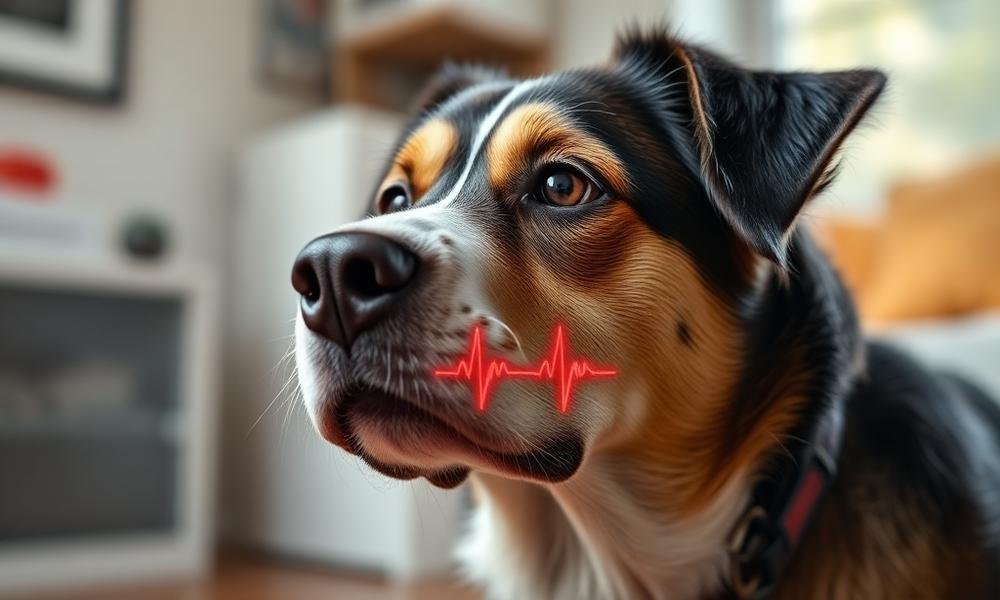
What Is a Dog’s Normal Body Temperature?
A dog’s normal body temperature ranges from 101°F to 102.5°F (38.3°C–39.2°C). This is higher than the human average of 98.6°F, so a warm feeling dog is not necessarily feverish. Puppies under 8 weeks old may run slightly cooler, around 100°F–101°F, until their thermoregulation matures.
For many homes, the right dog normal temperature heart rate guide choice is the one that stays reliable under ordinary daily conditions.
Temperatures above 103°F indicate a fever and warrant a call to your veterinarian. If the temperature exceeds 106°F, this is a life threatening emergency that requires immediate veterinary intervention. Conversely, a temperature below 99°F signals hypothermia, which is equally dangerous.
A well matched dog normal temperature heart rate guide option should support the pet clearly without making the routine harder to maintain.
How to Take Your Dog’s Temperature Accurately
Use a digital rectal thermometer designed for pets. Lubricate the tip with petroleum jelly or KY jelly, insert it about 1 inch into the rectum, and hold it in place until it beeps (usually 10–60 seconds). Ear thermometers are available but less reliable—studies indicate they can be off by 0.5°F–1.5°F compared to rectal readings.
Pro Tip: Take your dog’s temperature at the same time each day for 3–5 days when they are healthy. This gives you a personalized baseline, so you’ll immediately recognize when something is off.
What Is a Normal Heart Rate for a Dog?
A dog’s resting heart rate varies significantly by size and breed. Small dogs (under 20 lbs) typically have heart rates of 100–140 beats per minute (bpm). Medium dogs (20–50 lbs) range from 80–120 bpm, while large breeds (over 50 lbs) are usually 60–100 bpm. Puppies of any size can have rates up to 220 bpm during play.
To check heart rate, place your hand on the left side of the chest just behind the elbow, or feel the femoral artery on the inner thigh. Count the beats for 15 seconds and multiply by 4. A heart rate consistently above or below these ranges at rest may indicate arrhythmia, pain, or underlying cardiac disease.
What Affects a Dog’s Heart Rate?
Exercise, excitement, fear, pain, and heat all raise heart rate temporarily. A dog’s heart rate should return to its resting range within 10–15 minutes after mild activity. Medications like beta blockers or thyroid treatments can also alter heart rate. If your dog’s resting heart rate is irregular (skipping beats or racing), record a video and show your veterinarian.
Pro Tip: For brachycephalic breeds like Bulldogs and Pugs, normal heart rates often sit at the higher end of their size range due to increased respiratory effort. Always compare against breed specific norms, not generic charts.
Track your dog’s vital signs with confidence. Get the right tools for accurate at home monitoring.
Browse Dog Health Options →

What Is a Normal Respiratory Rate for a Dog?
A healthy dog at rest takes 10–30 breaths per minute. One breath equals one complete inhale and exhale. Puppies and small breeds tend to breathe faster (up to 35 breaths per minute), while large breeds are often at the lower end (10–20 breaths per minute). Panting is normal after exercise or in heat but should not continue for more than 30 minutes at rest.
To measure respiratory rate, watch your dog’s chest or flank rise and fall while they are sleeping or lying calmly. Count breaths for 30 seconds and multiply by 2. A rate above 40 breaths per minute at rest is called tachypnea and warrants a veterinary check, as it can indicate pain, fever, heart failure, or respiratory disease.
When to Worry About Breathing Patterns
Labored breathing (abdominal effort, noisy inhalation, or blue tinged gums) is always an emergency. Coughing, especially at night or after lying down, may signal heart disease. Rapid shallow breathing combined with a tucked belly or reluctance to lie down suggests pain or pancreatitis. The American Veterinary Medical Association (AVMA) recommends immediate ER evaluation if your dog cannot catch its breath within 5 minutes of rest.
How Do I Combine These Vital Signs for a Complete Health Check?
Monitoring temperature, heart rate, and respiratory rate together gives you a “vital sign triangle” that reveals how your dog is compensating. For example, a fever (103°F+) with an elevated heart rate (20+ bpm above normal) and rapid breathing (40+ breaths per minute) strongly suggests infection or systemic inflammation.
Conversely, a low temperature (below 100°F) with a slow heart rate and shallow breathing may indicate hypothermia or metabolic shock. The key is to establish baseline numbers for your individual dog when they are healthy, then compare against those same values when you suspect illness.
How to Perform a 60-Second At Home Check
Follow this sequence once weekly: (1) Observe breathing rate for 30 seconds while dog is asleep. (2) Gently wake them and take heart rate for 15 seconds. (3) Take rectal temperature. (4) Check gum color (should be bubble gum pink) and capillary refill time (should be under 2 seconds). Record all values in a notebook or app. Within 2–3 weeks, you’ll have a reliable baseline.
Pro Tip: Use a pet specific health tracking app like DogLog or PetDesk to log vital signs. These apps can flag abnormal trends and share reports directly with your veterinarian for telemedicine consults.

How Can I Tell If My Dog’s Vital Signs Are Abnormal Without Equipment?
You can detect many abnormalities without a thermometer or stethoscope by observing your dog’s behavior and physical appearance. A dog with a fever often has warm, dry ears and nose, red gums, and may shiver or seek cool surfaces. A dog with an abnormal heart rate might have pale or bluish gums, weakness, or collapse during mild activity.
For respiratory issues, watch for open mouth breathing at rest, exaggerated belly movements with each breath, or a “puffing” sound on exhalation. If your dog’s gums are pale, white, or blue, or if capillary refill time exceeds 2 seconds (press the gum and count how long it takes to return to pink), this indicates poor circulation and requires immediate veterinary attention. These observational checks are especially useful when your dog resists being handled for measurements.
What Are the Most Common Vital Sign Emergencies in Dogs?
Heatstroke is one of the most common emergencies that affects all three vital signs. A dog with heatstroke will have a temperature above 104°F, a heart rate over 160 bpm, and rapid, loud panting that does not subside within 10–15 minutes of rest. Immediate cooling with room temperature water (not ice) and veterinary transport is essential.
Other common emergencies include toxin ingestion (raisins, xylitol, chocolate) which can cause tachycardia or bradycardia, and bloat (GDV) which presents with a racing heart rate, shallow breathing, and a distended abdomen. The American College of Veterinary Emergency and Critical Care advises that any combination of abnormal temperature, heart rate, and breathing rate—especially with lethargy or collapse—should be treated as a potential emergency. Do not wait to see if symptoms resolve on their own.
When Should I Contact a Veterinarian About Vital Signs?
Contact your veterinarian immediately if your dog’s temperature exceeds 103°F or drops below 99°F. For heart rate, seek advice if resting rate is consistently below 50 bpm (bradycardia) or above 160 bpm (tachycardia) in an adult dog. For breathing, any rate above 40 breaths per minute at rest requires evaluation.
Additional red flags include: heart rate that does not slow down after 15 minutes of rest, irregular heart rhythm (skipping or double beats), blue or pale gums, collapse, or if your dog cannot settle into a normal sleeping position. The American Kennel Club (AKC) recommends calling your vet for guidance rather than waiting—early intervention improves outcomes in conditions like heatstroke, heart failure, and pneumonia.
Frequently Asked Questions
What is the normal temperature for a dog in this dog normal temperature heart rate guide?
A healthy adult dog’s normal body temperature is 101°F–102.5°F (38.3°C–39.2°C). Puppies may be slightly lower, around 100°F–101°F. Temperatures above 103°F indicate fever, while below 99°F signals hypothermia.
How do I take my dog’s temperature at home?
Use a digital rectal thermometer lubricated with petroleum jelly. Insert it about 1 inch into the rectum and hold until it beeps (10–60 seconds). Ear thermometers are less accurate. Never use a glass mercury thermometer—it can break and cause injury.
What is a normal heart rate for a small dog?
Small dogs under 20 pounds typically have a resting heart rate of 100–140 beats per minute. Toy breeds like Chihuahuas and Yorkies can reach 160 bpm when excited but should return to normal within 15 minutes of rest.
What is a normal heart rate for a large dog?
Large breeds over 50 pounds, such as Labradors and German Shepherds, have a resting heart rate of 60–100 beats per minute. Giant breeds like Great Danes may be as low as 50–80 bpm at rest.
How many breaths per minute is normal for a sleeping dog?
A sleeping dog takes 10–30 breaths per minute. Puppies and small breeds breathe faster (up to 35). If your dog takes more than 40 breaths per minute while sleeping, this is abnormal and requires veterinary attention.
What does it mean if my dog’s heart rate is irregular?
An irregular heart rhythm (arrhythmia) can be harmless (sinus arrhythmia) or serious. Sinus arrhythmia—where the heart rate speeds up on inhale and slows on exhale—is normal in dogs. However, skipped beats, racing, or a consistently irregular pattern may indicate heart disease and needs a veterinary ECG.
Can I use a human thermometer on my dog?
Yes, a digital human thermometer works fine for rectal use in dogs. Do not use oral or ear thermometers designed for humans—they are not calibrated for animal anatomy. Always label the thermometer “dog only” to avoid cross-use.
How often should I check my dog’s vital signs?
Check vital signs weekly when your dog is healthy to establish a baseline. Increase to daily checks if your dog is sick, recovering from surgery, or has a chronic condition like heart disease or Cushing’s syndrome. Always record the values for trend analysis.
Owners who compare options based on daily routine fit, tolerance, and observable outcomes usually make better decisions than those who rely on label claims alone.
That broader view matters because a good product choice should support the full pattern of daily care. A calmer, more dependable routine is often the strongest sign that the choice is working.
For authoritative reference on canine health and care standards, the American Kennel Club (AKC) provides breed-specific guidance trusted by veterinary professionals. For health-related questions, PetMD offers veterinarian-reviewed information on symptoms and treatments.