
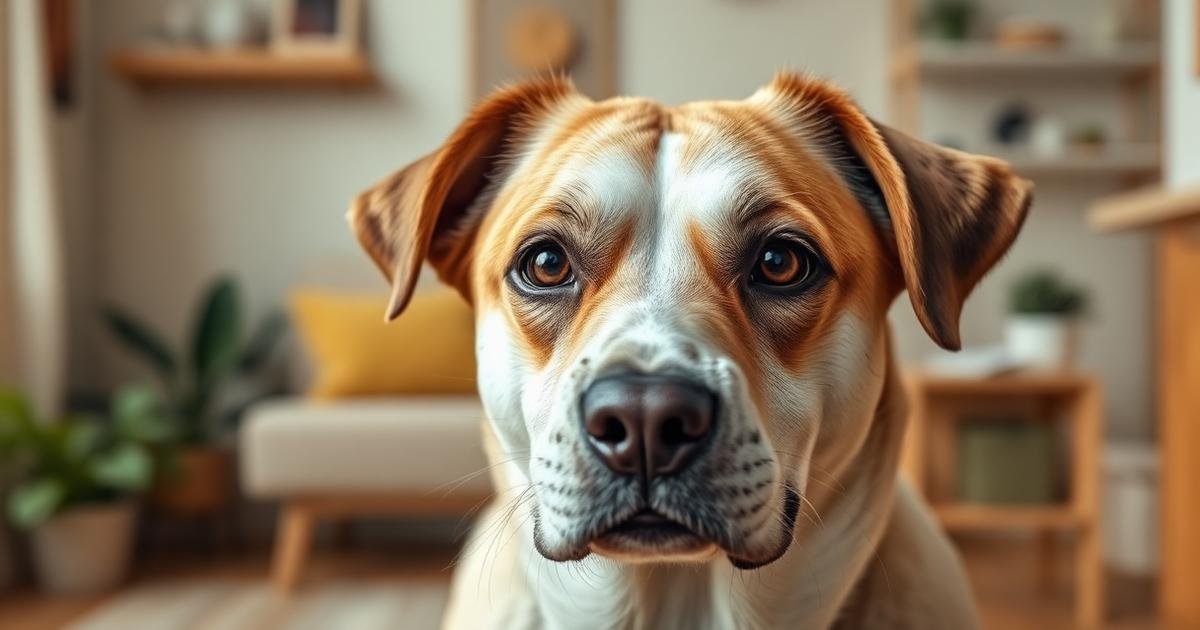
Dog eye discharge can come from something as simple as dust or allergies, or it could signal something more serious like an infection, a corneal ulcer, or even glaucoma. Clear or slightly reddish brown goop? That’s usually no big deal. But if you see thick, yellow-green pus, or your dog is squinting and tearing up like crazy, get them to the vet within 24 to 48 hours. Pay attention to what that gunk looks like—it’s your first clue for deciding if a warm washcloth will do the trick, or if you need professional help right away.
Dog eye discharge causes: Dog eye discharge causes include allergies, blocked tear ducts, conjunctivitis, dry eye (keratoconjunctivitis sicca), corneal injuries, and breed-specific anatomical issues like shallow eye sockets in brachycephalic breeds. Clear discharge is often normal; yellow-green mucus or discharge with squint
Quick Answer: What Causes Eye Discharge in Dogs and When Should You Worry?
Dog eye breath-causes-treatment/”>breath-causes/”>breath-causes-treatment/”>breath-causes/”>causes-treatment/”>discharge causes include allergies, blocked tear ducts, conjunctivitis, dry eye (keratoconjunctivitis sicca), corneal injuries, and breed specific anatomical issues like shallow eye sockets in brachycephalic breeds. Clear discharge is often normal; yellow green mucus or discharge with squinting signals infection or injury requiring a vet visit within 24 hours. For persistent discharge without other symptoms, try sterile saline rinses twice daily for 48 hours before seeking veterinary advice.
For a complete guide on this topic, see the Ultimate Guide To Dog Health.
What Are the Normal Types of Dog Eye Discharge?
Normal dog eye discharge is typically clear, watery, or slightly reddish-brown (from porphyrin pigments in tears). This is especially common in small breeds like Maltese and Shih Tzus, where tear staining is a cosmetic issue rather than a health problem. The reddish brown color comes from iron containing molecules in tears that oxidize when exposed to air and light.
A small amount of dried “sleep” in the inner corner after naps is normal. You can gently wipe this away with a damp, soft cloth once daily. Excessive tearing that soaks the fur around the eyes, however, may indicate blocked tear ducts or allergies. If you notice the fur around the eyes staying wet for more than a few hours after cleaning, schedule a vet appointment to check tear duct patency.
For many homes, the right dog eye discharge causes choice is the one that stays reliable under ordinary daily conditions.
Pro Tip: Use a warm, damp microfiber cloth to clean eye discharge daily. Avoid sharing washcloths between eyes to prevent cross-contamination. For tear stains, use a veterinarian recommended tear stain remover, not hydrogen peroxide. Hydrogen peroxide can cause corneal burns if accidentally splashed into the eye.
What Abnormal Discharge Colors Indicate Serious Health Issues?
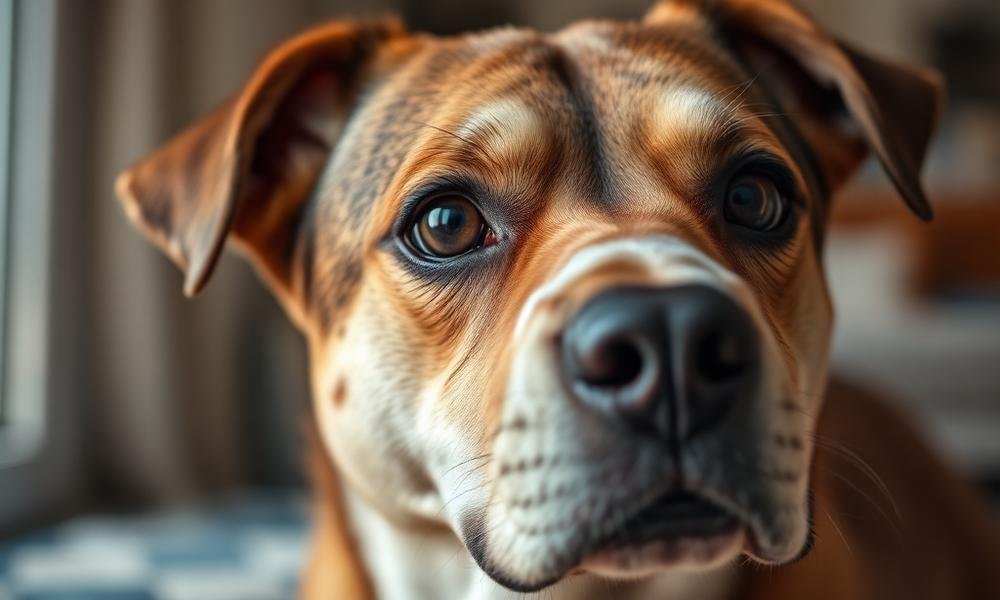
Yellow green or thick mucus discharge strongly suggests bacterial conjunctivitis or a corneal ulcer. This requires a vet exam and often topical antibiotic drops. According to the American Kennel Club (AKC), untreated infections can lead to vision loss within days. The discharge in bacterial infections often has a distinct odor and may crust over the eyelids, making it difficult for your dog to open the eye.
Blood tinged discharge (red or pink) may indicate trauma, a foreign body, or glaucoma. If you see blood in the discharge, check for visible scratches on the cornea and seek veterinary care immediately. Blood tinged tears can also result from eyelid tumors or severe inflammation of the conjunctiva, both of which require prompt diagnosis.
White or gray stringy discharge is a classic sign of dry eye (keratoconjunctivitis sicca), where tear production drops below normal levels. The AVMA notes that this condition affects 1 in 22 dogs and requires lifelong treatment with immunosuppressive eye drops like cyclosporine. Without treatment, dry eye leads to corneal scarring and vision loss within 6–12 months.
Pro Tip: Keep a pet safe eye wash (like sterile saline) in your first aid kit. Flush the eye immediately if you see sudden onset of discharge with pawing or squinting. This can dislodge foreign bodies before they cause corneal damage. For chronic dry eye, ask your vet about at home Schirmer tear test kits to monitor tear production between visits.
What Breed Specific Factors Cause Eye Discharge?
Brachycephalic Breeds (Pugs, Bulldogs, Boston Terriers)
These breeds have shallow eye sockets and prominent eyes that don’t blink fully, leading to dry spots and chronic irritation. Dog eye discharge causes in these breeds often include exposure keratitis and pigmentary keratitis, where corneal pigmentation develops from chronic irritation. The protruding eyes also collect more dust and debris during walks, increasing the risk of foreign body entrapment.
Regular artificial tear application (1–2 drops per eye, 2–3 times daily) can prevent corneal damage. The American College of Veterinary Ophthalmologists recommends using preservative free lubricants for dogs that need multiple daily applications. For brachycephalic breeds, also consider using a harness instead of a collar to reduce pressure on the neck and eyes during walks.
Long Haired Breeds (Poodles, Cocker Spaniels, Shih Tzus)
Hair rubbing against the cornea causes reflex tearing and entropion (inward rolling eyelids). Trimming the facial hair every 2–3 weeks reduces mechanical irritation. For Cocker Spaniels, epiphora (excessive tearing) is a common breed predisposition linked to shallow tear drainage systems. In these breeds, tear staining often requires both topical treatments and dietary changes to reduce porphyrin production.
Large Breeds (Labradors, Golden Retrievers)
These breeds are prone to ectropion (outward rolling lower eyelids), which allows debris and dust to accumulate in the exposed conjunctiva. This leads to chronic redness and mucoid discharge. Surgical correction may be needed if medical management fails. Large breeds also have higher rates of third eyelid gland prolapse (“cherry eye”), which causes persistent discharge and requires surgical replacement of the gland.
What Medical Conditions Cause Eye Discharge in Dogs?
Conjunctivitis (Pink Eye)
Conjunctivitis causes red, swollen conjunctiva with watery or mucoid discharge. Bacterial, viral, and allergic forms exist. Bacterial conjunctivitis typically produces yellow green pus, while allergic conjunctivitis causes clear, watery discharge with itching. Treatment varies: antibiotics for bacterial, antihistamines for allergic, and supportive care for viral. Viral conjunctivitis, often associated with distemper or canine herpesvirus, can take 2–3 weeks to resolve and may require antiviral medications.
Dry Eye (Keratoconjunctivitis Sicca)
This immune mediated condition destroys tear producing glands. Symptoms include thick, stringy mucus, redness, and corneal scarring. The Schirmer tear test (normal: 15–25 mm/min) confirms diagnosis. Treatment with cyclosporine or tacrolimus drops stimulates tear production within 4–6 weeks. Some dogs require additional lubricating drops 4–6 times daily during the initial treatment phase.
Corneal Ulcers
Ulcers result from trauma, foreign bodies, or infection. They cause intense pain (squinting, pawing), excessive tearing, and discharge. Fluorescein staining reveals the ulcer as a green area. Superficial ulcers heal in 3–7 days with antibiotic drops and pain relief; deep ulcers require surgery. Indolent ulcers (non-healing) are common in Boxers and require debridement or grid keratotomy to stimulate healing.
Glaucoma
Increased intraocular pressure (normal: 10–25 mmHg) damages the optic nerve. Early signs include cloudy cornea, dilated pupil, and watery discharge. Acute glaucoma is a medical emergency requiring immediate pressure reduction (within hours) to save vision. Breeds like Cocker Spaniels and Basset Hounds are genetically predisposed. Chronic glaucoma often requires lifetime medication and regular tonometry monitoring every 3–6 months.
Pro Tip: If your dog squints, keeps one eye closed, or avoids bright light, check for a corneal ulcer. Apply a sterile saline flush and cover the eye with a soft cone (E-collar) until you see a vet. Pawing at the eye can turn a minor scratch into a ruptured cornea. Always keep a spare E collar at home for emergency use.
What Environmental and Lifestyle Factors Trigger Eye Discharge?
Allergies
Seasonal pollen, dust mites, mold, and certain foods trigger allergic conjunctivitis. Symptoms include clear, watery discharge, red eyes, and pawing at the face. Oral antihistamines (like cetirizine at 0.5 mg/kg once daily) can help, but always consult your vet first. Studies indicate that up to 15% of dogs with chronic eye discharge have undiagnosed environmental allergies. Keeping a symptom diary that tracks discharge type, weather conditions, and diet changes can help identify triggers.
Foreign Bodies
Grass seeds, foxtails, sand, and small debris can lodge under the third eyelid. This causes sudden onset of pawing, squinting, and profuse tearing. If you see a visible foreign body, flush with sterile saline. Do not use tweezers unless the object is clearly visible and loose—pushing it deeper can worsen the injury. Foxtails are particularly dangerous because they migrate through tissue and can cause corneal perforation within 24–48 hours.
Poor Grooming and Hygiene
Matted fur around the eyes traps moisture and bacteria, leading to conjunctivitis. Trim the hair around the eyes every 2–4 weeks using rounded tip scissors. For dogs with facial folds (like Bulldogs), clean the folds daily with a vet recommended wipe to prevent skin fold dermatitis from spreading to the eyes. Accumulated debris in facial folds can cause secondary yeast infections that exacerbate eye discharge.
Air Quality and Irritants
Smoke, dust, household cleaners, and air fresheners can irritate your dog’s eyes and trigger reflex tearing. Dogs exposed to secondhand smoke have a 30–40% higher incidence of chronic eye discharge according to veterinary studies. Use air purifiers in rooms where your dog spends the most time, and avoid spraying cleaning products near your dog’s face. Cigarette smoke contains over 7,000 chemicals that can damage the corneal epithelium with prolonged exposure.
How Does Age Affect Dog Eye Discharge Patterns?
Puppies and Young Dogs
Puppies are more prone to conjunctivitis from viral infections (like distemper) and congenital issues like distichiasis (extra eyelashes). Distichiasis causes chronic irritation and discharge from birth, requiring electrolysis or cryotherapy for permanent removal. Puppies with persistent discharge should have a thorough ophthalmic exam before 6 months of age to rule out developmental abnormalities.
Senior Dogs
Older dogs develop dry eye and cataracts more frequently, both of which cause discharge. Dry eye in seniors often accompanies other immune mediated conditions like hypothyroidism or Cushing’s disease. Senior dogs also have higher rates of eyelid tumors (meibomian gland adenomas), which can cause secondary discharge by blocking tear drainage. Annual eye exams after age 7 help catch these age related problems early.
When Should You Take Your Dog to the Vet for Eye Discharge?
Seek veterinary care within 24 hours if you observe any of these signs: yellow green or bloody discharge, squinting or keeping the eye closed, cloudiness or bluish tint to the cornea, pawing at the eye, or sudden vision changes (bumping into furniture). These symptoms indicate conditions that can progress rapidly, with glaucoma causing irreversible damage within hours.
For clear discharge without other symptoms, try home care for 24–48 hours: flush with sterile saline 2–3 times daily, keep the face clean and dry, and monitor for changes. If discharge persists beyond 3 days or worsens, schedule a vet appointment. The PetMD recommends an ophthalmic exam including Schirmer tear test, fluorescein staining, and intraocular pressure measurement for any discharge lasting more than 48 hours.
Delaying treatment for conditions like glaucoma or corneal ulcers can lead to irreversible vision loss within hours to days. Early intervention saves sight. If your dog has a history of eye problems, keep a log of discharge patterns, medications used, and vet visit dates to help your veterinarian track progression.
Pro Tip: Take a clear photo of the discharge and your dog’s eye before cleaning it. Showing your vet the original appearance helps them diagnose the cause faster. Also, note when the discharge started and any recent changes in activity or environment. Smartphone photos with flash often reveal corneal irregularities not visible to the naked eye.
Keep your dog’s eyes healthy with vet approved products designed to manage discharge and irritation.
Browse Dog Health Options →
Frequently Asked Questions
What does it mean if my dog’s eye discharge is brown?
Brown or reddish brown discharge is usually normal tear staining caused by porphyrin pigments in tears. It’s cosmetic and not harmful. However, if the discharge becomes thick or the eye looks red, have a vet rule out blocked tear ducts or secondary yeast infections in the tear stains.
Can allergies cause dog eye discharge?
Yes, environmental allergies are a common cause of dog eye discharge. They typically produce clear, watery discharge with red, itchy eyes. Oral antihistamines or prescription eye drops can manage symptoms, but a vet should confirm the diagnosis first. Food allergies can also cause eye discharge, often alongside skin itching and ear infections.
Is green eye discharge in dogs an emergency?
Green discharge usually indicates bacterial infection, which needs treatment but isn’t always an emergency. However, if it’s accompanied by squinting, cloudiness, or pawing, see a vet within 24 hours. Untreated infections can lead to corneal ulcers that may require surgical intervention within 3–5 days.
Why does my dog have eye discharge only in one eye?
Unilateral discharge suggests a local problem like a foreign body, corneal ulcer, or blocked tear duct on that side. Bilateral discharge is more common with allergies or systemic conditions. A vet exam with fluorescein staining can identify the cause. Unilateral discharge that persists for more than 3 days has a 70% chance of being a corneal ulcer.
What home remedies are safe for dog eye discharge?
Sterile saline flush (like contact lens solution) is safe for rinsing eyes. A warm, damp cloth can gently wipe away discharge. Never use human eye drops, hydrogen peroxide, or vinegar, as these can damage the cornea. Always consult a vet before starting any treatment. Chamomile tea compresses (cooled, not hot) can soothe mild irritation but should not replace veterinary care.
How do vets diagnose the cause of eye discharge in dogs?
Vets perform a Schirmer tear test (measures tear production), fluorescein staining (detects corneal ulcers), and tonometry (measures eye pressure). They also examine the eye with an ophthalmoscope and may take swabs for bacterial culture if infection is suspected. In chronic cases, blood work may be recommended to check for underlying autoimmune conditions.
Can dog eye discharge be prevented?
Regular grooming (trimming facial hair), cleaning facial folds daily, using sterile saline rinses after walks in dusty areas, and keeping up with allergy management can reduce discharge. Annual vet eye exams help catch breed specific issues early. Dogs with recurrent discharge benefit from omega-3 fatty acid supplements (1000 mg per 10 lbs daily) to support tear film quality.
What does thick, white, stringy eye discharge indicate?
This is a classic sign of dry eye (keratoconjunctivitis sicca), where tear production is insufficient. The thick mucus is a compensatory response. A Schirmer tear test confirms the diagnosis, and lifelong treatment with cyclosporine or tacrolimus drops is typically needed. Without treatment, 50% of affected dogs develop corneal scarring within 1 year.
Is it normal for my dog to have eye discharge after sleeping?
Yes, small amounts of dried discharge in the inner corner after sleep is normal. This is simply tears and debris that accumulated during rest. If the discharge is excessive, crusty, or prevents the eye from opening, it may indicate infection or dry eye that needs veterinary attention.
Can diet affect my dog’s eye discharge?
Yes, diet can influence eye discharge. Low quality proteins and artificial additives may trigger allergic responses that manifest as eye discharge. Switching to a limited ingredient or hypoallergenic diet can reduce discharge in food sensitive dogs. Also, make sure adequate water intake—dehydration thickens tear film and increases discharge visibility.
For authoritative reference on canine health and care standards, the American Kennel Club (AKC) provides breed-specific guidance trusted by veterinary professionals. For health-related questions, PetMD offers veterinarian-reviewed information on symptoms and treatments.