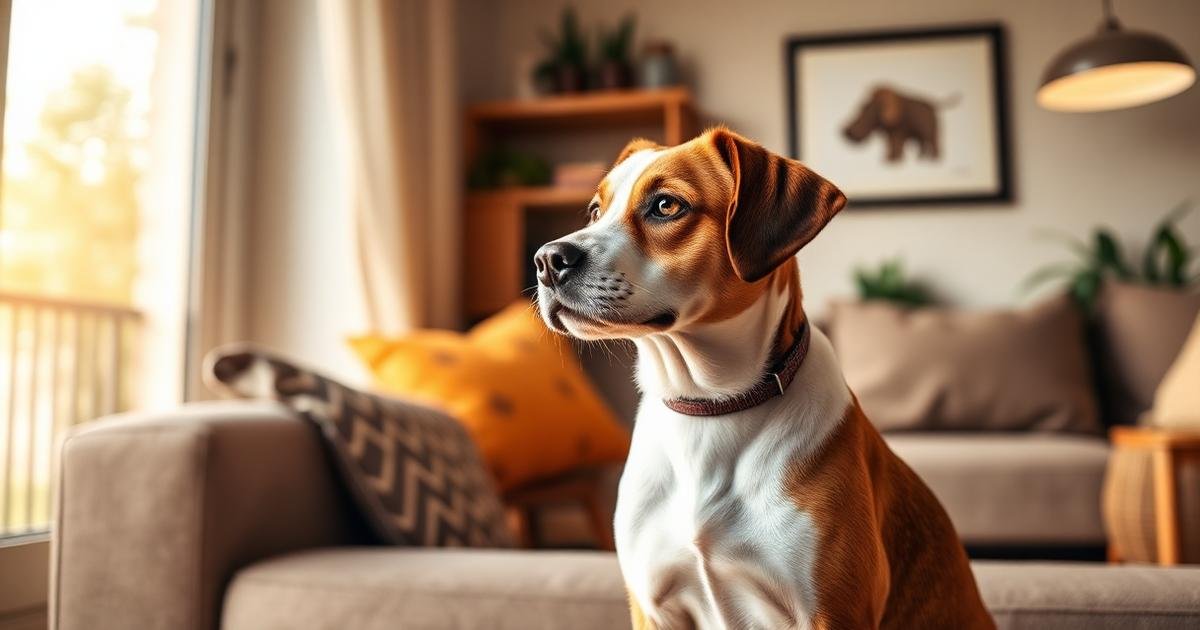
Finding the right companion for your apartment living situation requires more than just picking a cute face. The best pets for apartments combine low noise levels, manageable exercise needs, and adaptability to smaller spaces — with cats and smaller dog breeds often topping the list. This guide breaks down the specific traits to look for and compares the top contenders so you can make an informed, confident choice. We'll also cover landlord policies, space preparation, and long term care so you're fully equipped.
Best pets for apartments: The best pets for apartments are cats, small dog breeds like the French Bulldog or Cavalier King Charles Spaniel, and low-maintenance animals like guinea pigs or betta fish. These pets thrive in confined spaces due to their lower energy needs, quieter temperaments, and smaller size. Prioritize breed
Quick Answer: What are the best pets for apartments?
The best pets for apartments are cats, small dog breeds like the French Bulldog or Cavalier King Charles Spaniel, and low maintenance animals like guinea pigs or betta fish. These pets thrive in confined spaces due to their lower energy needs, quieter temperaments, and smaller size. Prioritize breeds and species that don't require constant outdoor access or large territories.
For a complete guide on this topic, see the Complete Pet Care Guide.

What defines a good apartment pet? 5 key criteria to evaluate
Before you browse adoption profiles or breeder lists, you need a clear set of standards. Not every small animal is apartment-friendly, and size alone doesn't guarantee a good fit. These five factors will save you from a mismatch that leads to rehoming or lease violations.
1. Noise level — your neighbors will thank you
Excessive barking, meowing, or chirping can strain relationships with neighbors and violate lease terms. The AKC notes that breeds like the Basenji are known for being barkless, while others like the Shih Tzu are naturally quiet. Cats generally vocalize less than dogs, though some breeds like the Siamese are chatty.
Pro Tip: Spend at least 30 minutes with a potential pet in a quiet room before committing. This helps you gauge their baseline noise level without the excitement of a shelter environment.
2. Exercise needs — can they thrive in 800 square feet?
High energy breeds like Border Collies or Huskies need 60–90 minutes of vigorous exercise daily. Without it, they develop destructive behaviors. The best apartment pets require only 20–40 minutes of daily activity, which can be split between indoor play and short walks. Cats often self regulate with short bursts of activity.
3. Size and space requirements
Contrary to popular belief, small dogs don't always make the best apartment pets. Many terriers were bred to hunt, making them high energy and prone to digging. Look for breeds originally developed as companion animals — they were literally designed for indoor life. The ASPCA recommends providing vertical space (cat trees, shelves) for cats to compensate for limited floor area.
4. Shedding and dander — allergy considerations
Apartment air circulation is limited, so allergens concentrate quickly. Hypoallergenic breeds like Poodles and Bichon Frises produce less dander. For cats, the Siberian and Balinese breeds are known for lower allergen levels. Regular grooming and HEPA air purifiers can help manage this in any apartment.
5. Independence and alone time
Most apartment dwellers work outside the home. The best pets for apartments handle 6–8 hours alone without developing separation anxiety. Cats excel here — they're naturally independent. Among dogs, the Greyhound is surprisingly low maintenance and content to lounge while you're away. Avoid breeds like the Labrador Retriever or German Shepherd if you're gone all day.
Top 5 best pets for apartments — comparison table
Here's a side-by side look at the most apartment friendly pets. Use this as your starting point for research. Each entry includes specific care requirements you'll need to budget for.
| Pet | Noise Level | Daily Exercise | Alone Time | Shedding | Best For |
|---|---|---|---|---|---|
| Cat (Domestic Short Hair) | Low | 15–30 min play | 8–10 hours | Moderate | Busy professionals |
| French Bulldog | Low | 20–30 min walks | 4–6 hours | Low | Small apartments, first time owners |
| Cavalier King Charles Spaniel | Low | 30–40 min walks | 4–6 hours | Moderate | Families with children |
| Guinea Pig | Moderate (squeaking) | Minimal (cage + floor time) | 12+ hours | Low | Renters with limited space |
| Betta Fish | None | None | 24+ hours | None | Ultra small spaces, minimal commitment |
Each of these pets can thrive in an apartment with proper setup. The key difference lies in your daily availability and willingness to maintain their environment. The betta fish requires a 5-gallon tank minimum, not a bowl — a common myth that shortens their lifespan.
Why cats dominate the apartment pet scene
Cats check nearly every box. They're quiet, self-cleaning, and use a litter box so you never need to rush home for bathroom breaks. The PetMD condition guide confirms that indoor only cats live significantly longer — 12–18 years on average — than outdoor cats. Their vertical nature means they use shelves and cat trees more than floor space.
Pro Tip: If you choose a cat, provide at least one vertical climbing area per cat. A tall cat tree near a window satisfies their need to perch and observe without taking up valuable floor space.
Small dog breeds that actually work in apartments
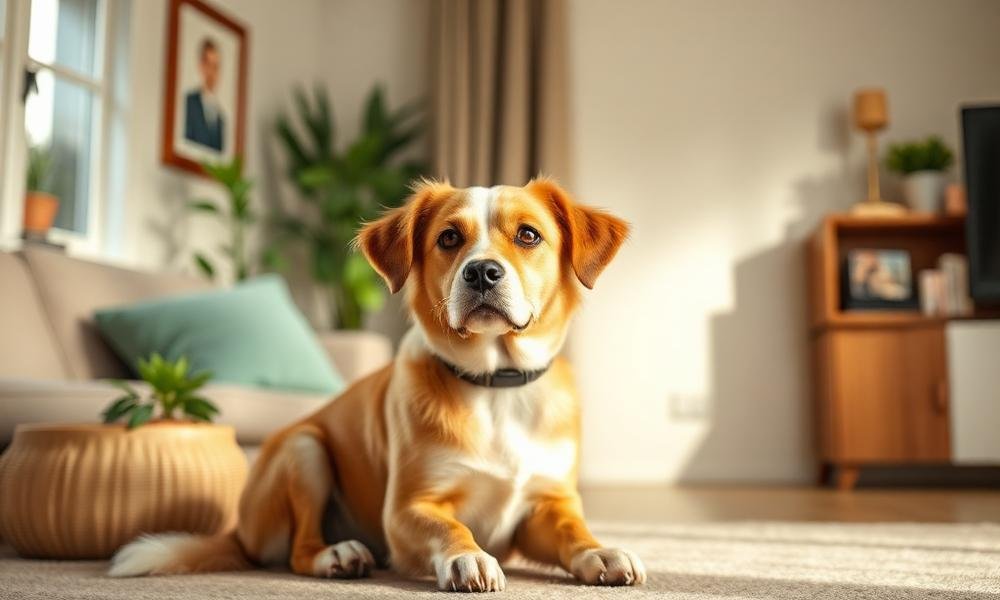
Not all small dogs are apartment-friendly. The Chihuahua, for example, is tiny but often yappy and high-strung. The best small apartment dogs combine small size with a calm temperament. The French Bulldog rarely barks, the Cavalier King Charles Spaniel was bred to be a lap dog, and the Greyhound (despite its size) is famously lazy indoors. The AVMA pet owner resources emphasize that breed temperament is more important than size when choosing an apartment dog.
What about exotic pets — are they good for apartments?
Exotic pets like hamsters, gerbils, and reptiles are increasingly popular among apartment dwellers. They require minimal space and are silent. However, they come with specific husbandry needs that can be challenging in small spaces. You'll need to plan for temperature control and specialized diets.
Hamsters and gerbils — small but not simple
A single hamster needs a cage at least 24x12 inches with 6+ inches of bedding for burrowing. Gerbils are social and should be kept in pairs. Both are nocturnal, meaning they're active when you're trying to sleep. Place their cages away from bedrooms to avoid disrupted sleep. They're among the best pets for apartments in terms of space, but their odor control requires weekly deep cleaning.
Reptiles — silent but specialized
Leopard geckos and bearded dragons are popular choices. They need heat lamps, UVB lighting, and specific humidity levels. In a small apartment, these setups can raise your electricity bill and require careful placement away from drafts. They're excellent for people with allergies since they produce no dander. The AVMA recommends researching lifespan — many reptiles live 10–20 years, a significant commitment.
How to prepare your apartment for a new pet
Once you've chosen from the best pets for apartments, proper preparation prevents problems. Follow these steps before bringing your pet home. A weekend of setup can save you months of stress.
Pet proofing checklist for small spaces
- Secure all toxic plants — lilies are fatal to cats, and many common houseplants are dangerous
- Hide electrical cords behind furniture or use cord covers
- Install window screens — cats and small dogs can fall from open windows
- Check for gaps behind appliances where small pets could hide
- Store cleaning supplies, medications, and human food in locked cabinets
Creating a pet zone in your apartment
Designate a specific area for your pet's bed, food, and water. This helps them feel secure and establishes routine. For dogs, place the crate in a quiet corner where they can retreat. For cats, set up their litter box in a low traffic area — a bathroom or laundry closet works well. Keep the food and water at least 3 feet from the litter box to prevent contamination.
Soundproofing strategies for noise sensitive pets
Apartment noise from neighbors can stress pets. Use white noise machines or fans to mask sudden sounds. For dogs, the AKC behavior guides suggest desensitization training — play recordings of common apartment sounds (doorbells, footsteps) at low volume and gradually increase it. Cats benefit from high perches where they feel safe from unexpected noises.

What about apartment pet policies and landlord considerations?
Before you commit to any pet, review your lease and local laws. Many apartments restrict certain breeds, especially pit bulls, Rottweilers, and Dobermans. Some have weight limits under 25 pounds. Always get written permission from your landlord. Verbal agreements won't hold up if a dispute arises.
Emotional support animals (ESAs) and service animals are protected under the Fair Housing Act. If you have a documented need, your landlord must provide reasonable accommodation even if they have a no pets policy. However, this doesn't apply to all housing types — check with your local housing authority. Some buildings with fewer than 4 units are exempt.
Pro Tip: Offer to pay a pet deposit or monthly pet rent upfront. This often convinces hesitant landlords. A refundable deposit of $200–500 is standard in most markets. Consider getting pet liability insurance ($10–15/month) to further reassure your landlord.
How much does it actually cost to keep a pet in an apartment?
Many people underestimate the monthly cost of pet ownership in an apartment. Beyond food and vet care, you'll face pet rent, deposits, and specialized equipment. Budgeting accurately prevents financial strain that leads to rehoming.
Monthly cost breakdown by pet type
| Pet | One Time Setup Cost | Monthly Cost | Annual Vet Cost |
|---|---|---|---|
| Cat | $150–$400 (litter box, scratching post, carrier) | $50–$100 | $150–$300 |
| Small Dog | $200–$600 (crate, bed, leash, toys) | $80–$150 | $200–$500 |
| Guinea Pig | $100–$200 (cage, bedding, hideouts) | $30–$50 | $100–$200 |
| Betta Fish | $50–$100 (tank, filter, heater) | $10–$20 | $0–$50 |
These figures assume you're adopting from a shelter rather than buying from a breeder. Adoption fees typically range from $50–$200 and include initial vaccinations and spay/neuter. Factor in an additional $200–$500 annual emergency fund for unexpected illnesses.
What are the best apartment pets for children?
If you have kids, your choice narrows further. You need a pet that's tolerant of handling, patient with noise, and unlikely to bite when startled. The best pets for apartments with children combine durability with a gentle temperament.
Guinea pigs — the ideal starter pet
Guinea pigs rarely bite, are active during the day, and enjoy being held once bonded. They vocalize with happy squeaks when they see their owners, which children find delightful. Supervise all interactions with kids under 6 to prevent accidental drops. They need daily floor time and a companion guinea pig — never keep one alone.
Cavalier King Charles Spaniels — patient and playful
This breed was literally developed as a companion dog. They're gentle with children, rarely aggressive, and content with moderate exercise. Their silky coat requires brushing 2–3 times weekly, which can become a bonding activity for kids. They do shed moderately, so prepare for vacuuming every other day.
Cats and children — setting boundaries
Adult cats with known temperaments are safer than kittens for families with young children. Teach kids to pet gently and never pull tails or ears. Provide escape routes — cat trees and high shelves where the cat can retreat when overwhelmed. The ASPCA recommends adopting a cat that's at least 2 years old for homes with children under 5.
For broader reference and guidance, akc.org provides useful context on pet health and care decisions.
For broader reference and guidance, petmd.com provides useful context on pet health and care decisions.
Frequently Asked Questions
What is the single best pet for a small apartment?
An adult domestic short hair cat is the best overall choice. They're quiet, independent, use a litter box, and adapt well to small spaces. Their exercise needs are minimal, and they typically tolerate being alone for 8–10 hours while you're at work.
Are hamsters good pets for apartments?
Yes, hamsters are excellent for apartments because they need very little space and are completely silent. However, they are nocturnal and can be noisy at night with their wheel running. Place their cage in a living area, not a bedroom, to avoid sleep disruption.
Can I have a dog in a studio apartment?
Yes, but only certain breeds. French Bulldogs, Cavalier King Charles Spaniels, and adult Greyhounds adapt well to studio living. The key is ensuring you can provide 20–40 minutes of daily walks and mental stimulation. Avoid high energy or anxious breeds like Border Collies or Australian Shepherds.
What is the quietest pet for an apartment?
Fish are the quietest pets — they make no noise at all. Among mammals, the French Bulldog and the British Shorthair cat are known for their silence. The Basenji dog breed is also famously barkless, though it does make other vocalizations like yodels.
How do I know if my apartment is big enough for a cat?
A 500-square foot apartment is sufficient for one cat if you provide vertical space. Install cat shelves, a tall cat tree, and window perches. The ASPCA recommends at least 18 square feet of vertical climbing area per cat to compensate for limited floor space.
What small dog breeds are NOT good for apartments?
Jack Russell Terriers, Miniature Pinschers, and Chihuahuas are often poor choices despite their small size. They tend to be high-energy, bark excessively, and can develop destructive behaviors when bored. These breeds were developed for hunting or guarding, not indoor companionship.
Can I have two cats in a small apartment?
Yes, but you need at least 600 square feet of floor space and multiple vertical zones. Provide one litter box per cat plus one extra, placed in separate locations. Cats that are littermates or introduced as kittens adapt best to shared spaces.
How do I handle pet odors in an apartment?
Clean litter boxes daily and deep clean weekly with enzymatic cleaners. Use HEPA air purifiers with carbon filters placed near the litter area. For dogs, bathe them every 4–6 weeks and wash bedding weekly. Open windows for 10–15 minutes daily when weather permits.
For more on this topic, see our guide to best pets for kids.
Learn more in our detailed guide on best pets for seniors.
Ready to find the perfect apartment companion? Start with these proven options.
Browse Pet Care Options →