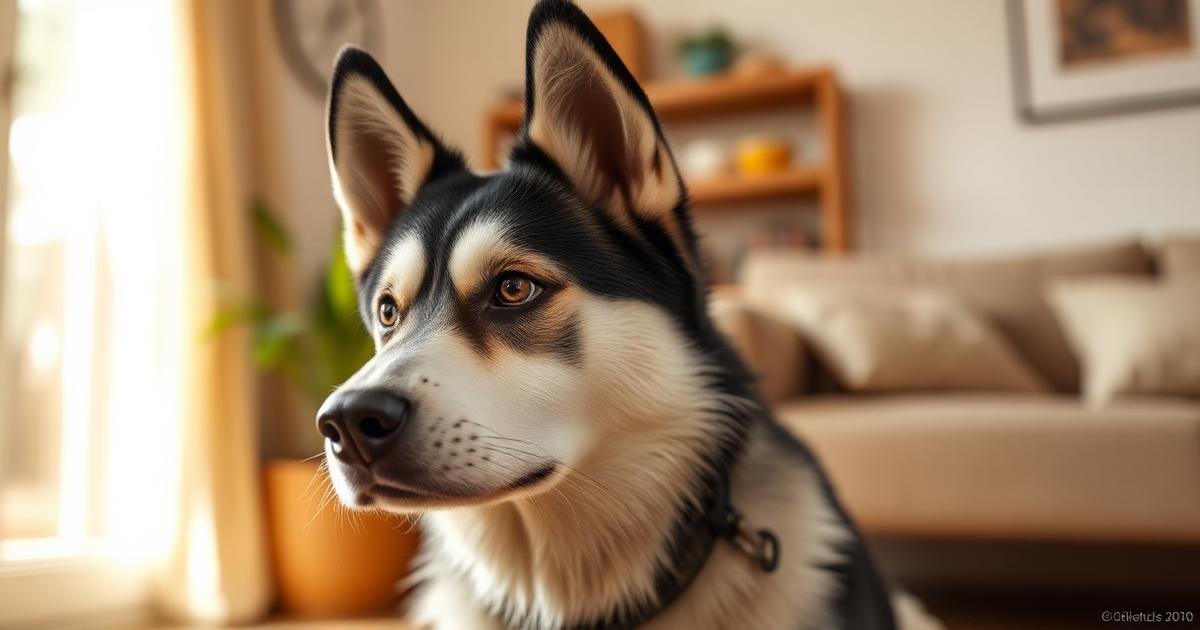
The Siberian Husky is a beautiful, intelligent, and energetic breed that demands an owner who can match their high exercise needs and independent spirit. This husky breed guide will give you the honest, practical information you need to decide if this stunning dog is the right fit for your life. If you cannot commit to at least 2 hours of vigorous daily exercise and are not prepared for a master escape artist, a Husky is likely not for you.
Husky breed guide: A Siberian Husky is best for highly active owners who can provide 2+ hours of daily exercise, secure 6-foot fencing, and have patience for their stubborn, independent nature. They are not ideal for first-time dog owners or those with small pets like cats. If you can meet their needs, you get a loyal
Quick Answer: Is a Siberian Husky the right dog for me?
A Siberian Husky is best for highly active owners who can provide 2+ hours of daily exercise, secure 6-foot fencing, and have patience for their stubborn, independent nature. They are not ideal for first time dog owners or those with small pets like cats. If you can meet their needs, you get a loyal, goofy, and stunning companion.
For a complete guide on this topic, see the Complete Dog Breed Guide.
This husky breed guide decision works best when the owner compares daily fit, tolerance, and practical consistency together.
What is the Siberian Husky's history and original purpose?
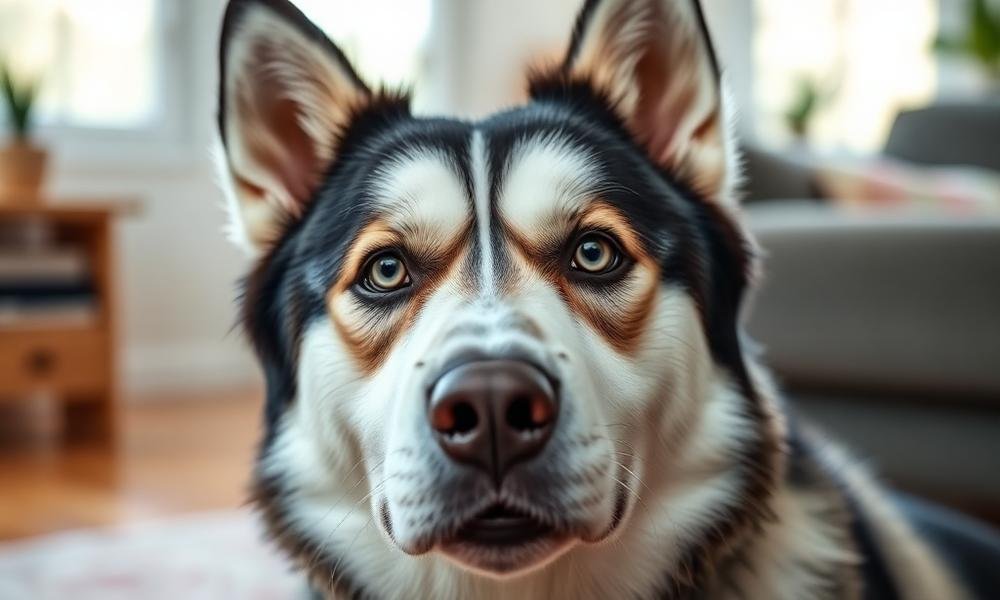
The Siberian Husky was developed by the Chukchi people of northeastern Asia as a sled dog capable of pulling light loads over vast distances in harsh Arctic conditions. This history explains nearly everything about their modern temperament. They were bred to work cooperatively, not to be subservient guard dogs.
For many homes, the right husky breed guide choice is the one that stays reliable under ordinary daily conditions.
Their endurance and speed brought them global fame during the 1925 serum run to Nome, Alaska, where teams of Huskies delivered life saving diphtheria antitoxin. This heritage means your Husky has an incredible work ethic and a deep seated need for a job to do. Without a purpose, they will find their own entertainment—often by redecorating your home.
A well matched husky breed guide option should support the pet clearly without making the routine harder to maintain.
According to the AKC's expert advice on training, understanding this breed's working background is critical to successful training. You are not commanding a pet; you are negotiating with a teammate.
Pro Tip: Give your Husky a "job" every day. A 30-minute structured training session, a puzzle toy with their breakfast, or a pull on a weighted sled harness can satisfy their need to work and prevent destructive behaviors.
How much exercise does a Husky really need?
This is the single most important question in any husky breed guide. A Siberian Husky needs a minimum of 2 hours of vigorous exercise every single day. This is not a suggestion—it is a requirement for their mental and physical health.
Think of it as a non negotiable daily appointment. This should include at least 45 minutes of off leash running in a secure area or pulling a sled, bike, or scooter. A simple 20-minute walk around the block will not cut it and will lead to a frustrated, destructive dog.
Without adequate exercise, Huskies become professional escape artists, diggers, and howlers. They will climb fences, chew through drywall, and destroy furniture. The ASPCA's dog care resources emphasize that behavioral issues in high energy breeds are almost always a symptom of unmet exercise needs.
Split the 2 hours into two sessions—one in the morning and one in the evening. A tired Husky is a happy Husky. If you work a desk job, consider hiring a dog walker or enrolling your dog in a daycare program that offers structured play and activities. Boredom is your Husky's worst enemy.
Pro Tip: Invest in a "bikejoring" attachment for your bicycle. This allows your Husky to safely pull you while you ride, giving them a full workout in half the time. Always use a proper harness, never a collar, for pulling activities.
What is the Husky temperament and are they good with families?
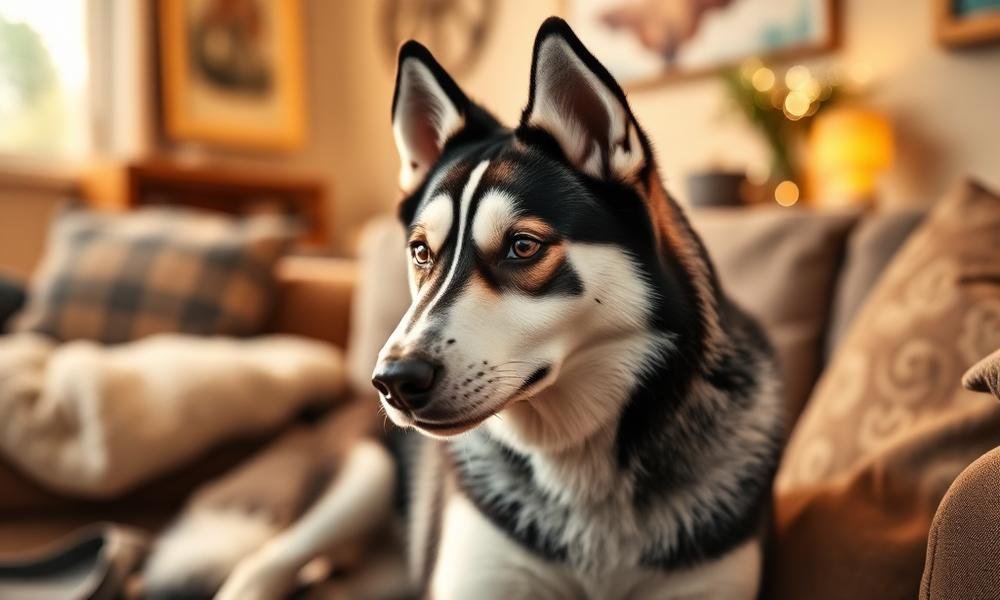
Huskies are famously friendly, outgoing, and affectionate with their families. They are not guard dogs—they will likely greet a stranger with a wagging tail and a happy howl. Their goofy, playful nature makes them wonderful companions for older children who understand how to interact respectfully with a dog.
However, their high prey drive is a major consideration. Small animals like cats, rabbits, and hamsters can trigger their instinct to chase. With proper socialization from puppyhood, some Huskies can live peacefully with cats, but it is never a guarantee. They are generally excellent with other dogs of similar size and energy.
Their independent nature means they can be stubborn during training. They are not eager to please like a Labrador. You must make training fun, varied, and rewarding. Repetitive drills will bore them, and they will simply walk away. Are rope toys safe for dogs? Yes, but always supervise play to prevent ingestion of fibers.
Huskies thrive in homes with a fenced yard where they can burn off steam between walks. But they are also known escape artists—check your fence daily for gaps, loose boards, or dig spots underneath. A 6-foot fence is the minimum, and some owners add coyote rollers or dig barriers for extra security.
How do I train a Husky effectively?
Start early and be consistent
Puppy socialization classes are non-negotiable. Expose your Husky to different people, sounds, surfaces, and other dogs before they are 16 weeks old. This builds a confident, well adjusted adult who is less likely to develop fear based reactivity.
Use positive reinforcement only
Huskies respond terribly to harsh corrections. They will shut down, become fearful, or actively rebel. Use high value treats, play, and enthusiastic praise. Keep training sessions short—5 to 10 minutes—and end on a success to keep them engaged.
Master the recall command
This is the most important command you will ever teach a Husky. Practice "come" in a long line (30-50 feet) in a safe, enclosed area. Reward them heavily every single time they return. Never call them to punish them. A Husky with a reliable recall can enjoy off leash freedom safely.
Use crate training for safety
Crate training is essential for a Husky, especially during their first 2 years. A properly introduced crate becomes a safe den where they can relax when you are not home. It also prevents destructive chewing and escapes while you are away. Never use the crate as punishment—make it a positive space with treats and a comfy bed.
Work on impulse control daily
Teach commands like "leave it," "wait," and "stay" from day one. Huskies have strong impulses to chase, grab, and run. Practicing these exercises for 5 minutes each day builds a dog who can make good choices even when their instincts scream otherwise.
What are common Husky health problems I should know?
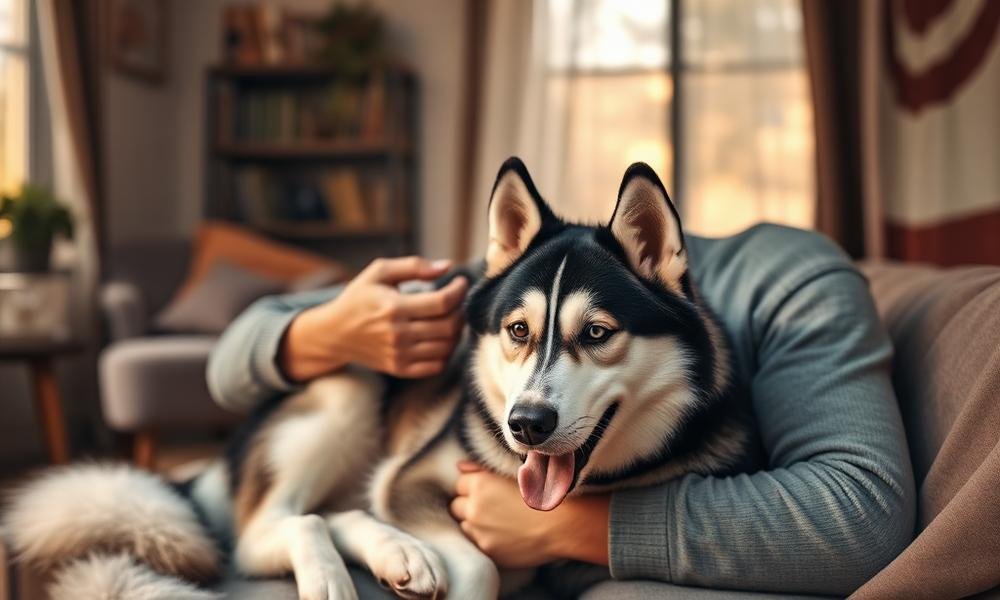
Siberian Huskies are generally a healthy, robust breed with a life expectancy of 12 to 15 years. However, there are specific health conditions to be aware of. Responsible breeders screen for these issues.
Hip Dysplasia: While less common than in larger breeds, it can occur. The PetMD condition guides note that maintaining a lean body weight and proper exercise can reduce symptoms. Ask your breeder for OFA (Orthopedic Foundation for Animals) certification.
Progressive Retinal Atrophy (PRA): This is an eye disease that can lead to blindness. Responsible breeders test their breeding dogs for the genetic markers. Annual veterinary eye exams are recommended for all Huskies.
Hypothyroidism: This condition affects the thyroid gland and can cause weight gain, lethargy, and skin issues. It is easily managed with daily medication and regular blood tests. Symptoms often appear between 2 and 6 years of age.
Exercise Induced Collapse (EIC): While rare in Huskies, some lines can be affected. This is a genetic condition where intense exercise triggers weakness, collapse, or muscle tremors. If your Husky shows these signs, stop exercise immediately and consult your veterinarian.
Zinc Deficiency: Huskies have a unique metabolism that can make them prone to zinc responsive dermatosis. Symptoms include hair loss, crusty skin, and poor coat quality. A high quality diet with adequate zinc or a vet recommended supplement usually resolves the issue within 4 to 6 weeks.
How do I groom a Husky and manage their shedding?
Huskies have a double coat that is incredibly efficient at regulating temperature. They shed heavily, and there is no way around it. You will find fur on your clothes, furniture, and in your food. Prepare for a relationship with your vacuum cleaner.
Brush your Husky at least 2-3 times per week with an undercoat rake or slicker brush. During shedding season (spring and fall), you will need to brush daily to manage the massive amount of loose fur. Never shave a Husky—their coat insulates them from both heat and cold.
Bathe them only 2-3 times per year, as over bathing strips their coat of natural oils. Their coat is self-cleaning, and a good brushing is usually all they need to look pristine. Nail trims should be done every 3-4 weeks, and ear checks should be weekly.
Expect two major "blowouts" per year where they shed their entire undercoat over 2-3 weeks. During these periods, you will need to brush daily and may want to use a grooming rake or deshedding tool. A professional groomer can also help manage the chaos with a high velocity blowout.
Pro Tip: Use a high velocity dryer (the kind groomers use) outdoors during shedding season. It will blow out the dead undercoat far more effectively than any brush, and your Husky will love the sensation.
What should I feed my Husky for optimal health?
Huskies have a unique metabolism that allows them to thrive on a high-protein, moderate fat diet. Look for a dog food with a named meat source as the first ingredient, such as chicken, salmon, or lamb. Avoid foods with excessive fillers like corn, wheat, and soy.
Adult Huskies typically eat 2 to 3 cups of high quality dry food per day, split into two meals. Puppies need 3 to 4 smaller meals daily. Adjust portions based on your dog's activity level—a working sled dog eats far more than a couch companion.
Some Huskies are prone to food allergies or sensitivities. Common triggers include chicken, beef, and grains. If your dog has chronic ear infections, itchy skin, or loose stools, talk to your vet about an elimination diet or a limited ingredient food. Switching foods should be done gradually over 7 to 10 days to avoid digestive upset.
Always provide fresh, clean water. Huskies are active and can dehydrate quickly, especially in warm weather. Consider adding wet food or bone broth to their meals for extra hydration and flavor.
How do I Husky proof my home and yard?
Huskies are escape artists. They dig under fences, climb over them, and even jump to clear 6-foot barriers. Inspect your yard thoroughly before bringing your Husky home. Bury chicken wire at the base of your fence or lay concrete pavers to prevent digging.
Inside, secure trash cans with locking lids. Huskies will counter surf for food and can open cabinets. Keep shoes, remote controls, and children's toys out of reach. A bored Husky with access to these items will destroy them within minutes.
Use baby gates to block off rooms you cannot supervise. Consider installing a dog door that only opens with your Husky's microchip—this prevents them from letting themselves out while keeping other animals from entering. Crating your Husky when you are not home is the safest option until they mature, which can take 2 to 3 years.
Is a Husky right for apartment living?
Living with a Husky in an apartment is challenging but not impossible. The key is meeting their exercise requirements before and after work. You must commit to at least 1 hour of vigorous exercise in the morning and another hour in the evening.
Apartment dwellers need to be extra vigilant about noise. Huskies howl, and thin walls mean your neighbors will hear it. Invest in soundproofing, white noise machines, or a fan to mask sounds when you are home. Consider a dog walker or daycare for midday exercise and mental stimulation.
Without a yard, you will need to take your Husky to a secure off leash dog park or find a fenced area for running. A long line (30 to 50 feet) can be used in open fields, but never let your Husky off leash in an unsecured area. Their recall is unreliable, and they can cover a mile in minutes.
Ready to gear up for your energetic Husky? Find durable toys, harnesses, and enrichment tools here.
Browse Dog Products →
Frequently Asked Questions
Are Siberian Huskies good for first time dog owners?
No, they are generally not recommended for first time owners. Their stubbornness, high energy, and escape artistry require an experienced handler who can provide consistent training and firm, positive leadership.
Do Huskies bark a lot?
Huskies do not typically bark, but they are famous for their vocalizations. They howl, whine, and "talk" with a wide range of sounds. If you live in an apartment with thin walls, this breed may not be the best choice for your neighbors.
Can a Husky live in a hot climate?
Yes, but with management. Their double coat actually insulates against heat, but they need constant access to shade, cool water, and air conditioning. Never exercise them during the heat of the day. They are much better suited to cooler climates.
How much does a Husky cost?
A well bred puppy from a reputable breeder typically costs between $1,000 and $3,000. Adoption fees from a rescue are much lower, usually $200 to $500. The ongoing costs for food, vet care, and supplies are significant, around $1,000 to $2,000 per year.
Are Huskies aggressive?
Huskies are not typically aggressive toward people. They are friendly and outgoing. However, they can be dog selective and have a strong prey drive toward small animals. Proper socialization from puppyhood is essential to manage these instincts.
How long do Huskies live?
The average lifespan of a Siberian Husky is 12 to 15 years. With excellent care, a healthy diet, and regular veterinary checkups, some Huskies can live even longer. This is a long term commitment of over a decade.
Do Huskies get along with cats?
It depends on the individual dog and the cat. Some Huskies raised with cats from puppyhood coexist peacefully. Others see cats as prey and will chase them. There is no guarantee, so always supervise introductions and keep small pets separate if needed.
How much do Huskies shed?
They shed heavily year round and experience two massive blowouts per year. Daily brushing during shedding season is non-negotiable. Expect to vacuum every day and invest in lint rollers for your clothes. This is not the breed for neat freaks.
For more on this topic, see our guide to poodle breed guide.
For more on this topic, see our guide to beagle breed guide.
Learn more in our detailed guide on chihuahua breed guide.
Check out our complete overview of dachshund breed guide for more information.