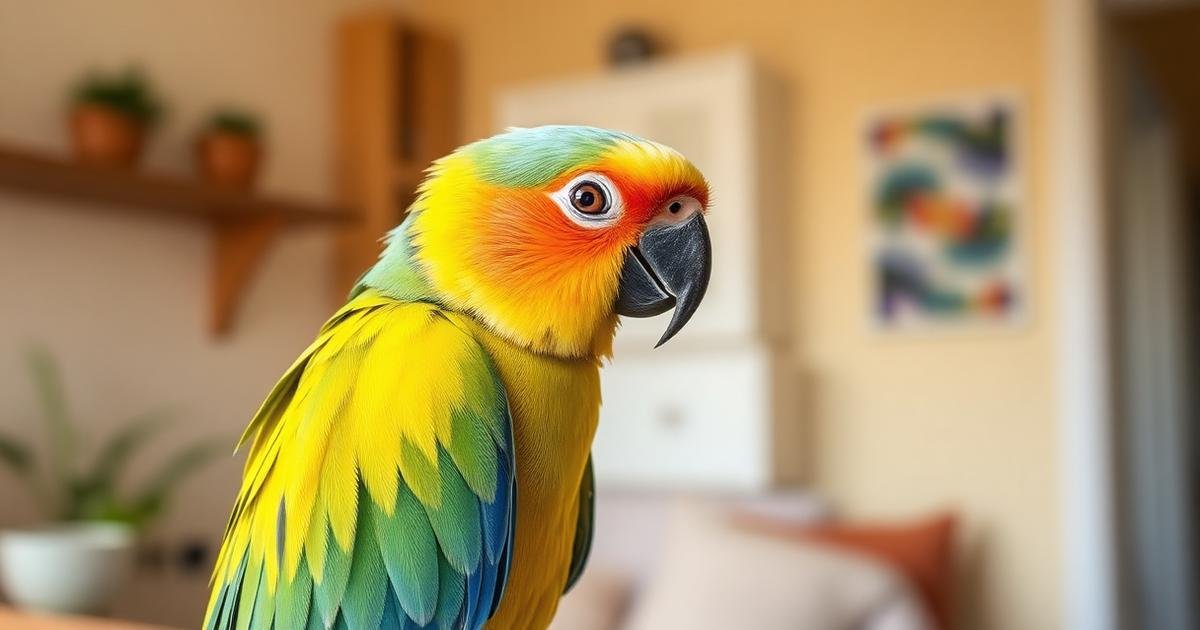
If you are wondering how to socialize a pet bird, the answer is simple: start with trust building in a quiet environment, then gradually introduce new people, sounds, and experiences using positive reinforcement. A well socialized bird is calm, confident, and less likely to develop feather plucking or aggressive behaviors. The entire process takes 4–8 weeks for most species, though individual birds vary significantly based on their history and personality.
How to socialize a pet bird: To socialize a scared pet bird, spend 10–15 minutes daily sitting quietly near its cage while speaking softly. Offer a favorite treat through the bars without forcing interaction. Once your bird eats near you, slowly open the cage door and let it approach you. This trust-building phase takes 1–3 wee
Quick Answer: How do you socialize a pet bird that is scared of you?
To socialize a scared pet bird, spend 10–15 minutes daily sitting quietly near its cage while speaking softly. Offer a favorite treat through the bars without forcing interaction. Once your bird eats near you, slowly open the cage door and let it approach you. This trust building phase takes 1–3 weeks for most parakeets, cockatiels, and conures. Never reach for the bird — let it come to you on its own terms.
For a complete guide on this topic, see the Pet Bird Care Guide.
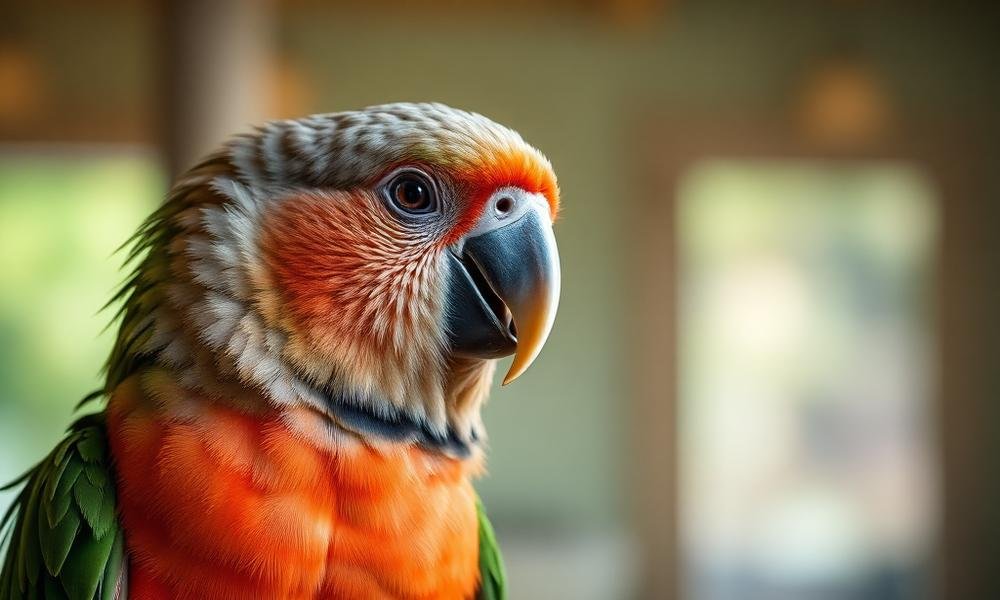
Why won't my bird let me touch it?
Birds are prey animals. Their first instinct is to flee from anything larger than them, including your hand. If your bird flinches, bites, or screams when you approach, it is not being stubborn — it is genuinely afraid. The
Common mistakes include moving too fast, staring directly at the bird (a predator signal), or reaching into the cage from above. These actions trigger the bird's survival response. You must unlearn human social cues and learn bird body language instead.
Pro Tip: Watch your bird's eyes. When a bird is relaxed, its pupils dilate and contract slowly (called "pinning"). When scared, the pupils stay constricted. Stop your approach if you see pinned, tight eyes.
A bird that has been previously handled roughly may take 3–4 weeks longer to trust. Rescue birds or those from pet stores with poor socialization need extra patience. Never rush the process — a setback from one bad experience can erase weeks of progress. If your bird bites you, do not punish it. Simply walk away and try again later with a slower approach.
What is the first step to socialize a pet bird?
The first step is stationary trust. Place your bird's cage in a high traffic area of your home where it can watch family members from a safe distance. Do not try to handle the bird for the first 3–5 days. Let it observe that you are not a threat.
During this phase, talk to your bird in a calm, soft voice every time you walk past. Use its name. Read aloud near the cage. The goal is for your bird to associate your presence with safety, not fear. The AVMA pet owner resources emphasize that birds recognize individual voices and facial features within 1–2 weeks.
Hand feeding for trust
Once your bird eats calmly while you stand near the cage, begin hand-feeding. Hold a small treat like millet spray or a sunflower seed between your thumb and forefinger. Push it through the cage bars. Do not pull away if the bird hesitates — wait silently.
Most birds will take the treat within 3–5 sessions. Once they do, you have crossed the first major trust barrier. Gradually move your hand closer to the perch over 5–7 days until your bird eats from your hand inside the cage.
Pro Tip: Use the same treat every time during trust-building. Birds learn by repetition. A consistent reward tells your brain "this hand = good things happen." Switch treats only after your bird is fully comfortable stepping up.
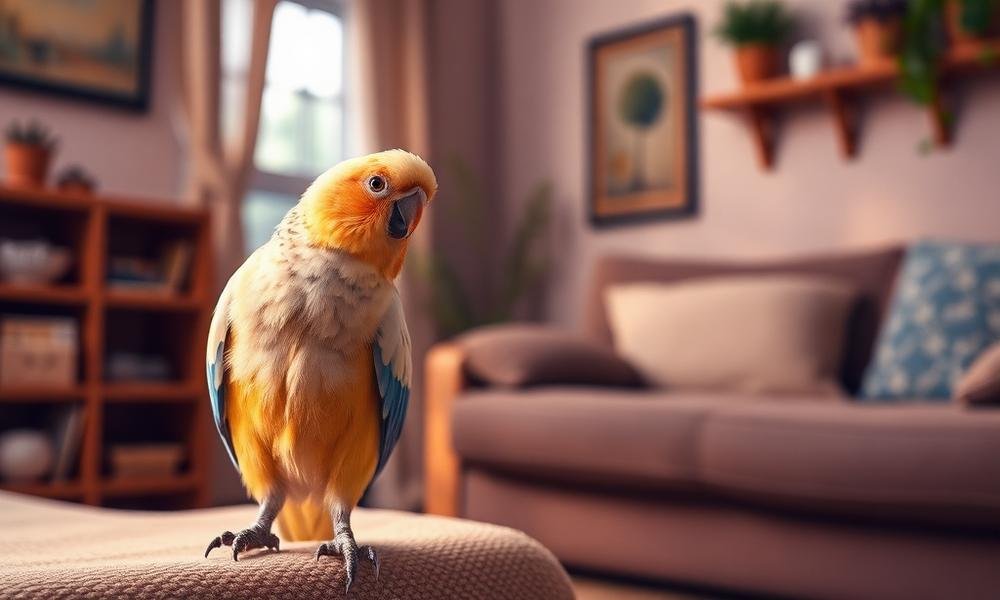
How to teach your bird to step up onto your hand
Once your bird eats from your hand inside the cage, you can teach the "step up" command. Place your hand flat against the bird's lower chest, just above the feet. Apply gentle, steady pressure. Most birds will instinctively step onto your hand to regain balance.
Say "step up" clearly each time. Reward immediately with a treat. Practice this 3–4 times per session, twice daily. Within 1–2 weeks, your bird should step up on verbal command alone. The AKC behavior guides note that this same pressure response technique works for parrots, cockatiels, and budgies alike.
What if your bird bites instead of stepping up?
If your bird bites when you offer your hand, do not pull away. Pulling back teaches the bird that biting makes you leave — which reinforces the behavior. Instead, stand still and say "gentle" in a firm but calm voice. Withdraw your hand slowly only after the bird releases.
Biting during step up usually means you moved too fast. Go back to hand feeding through the bars for 3–5 more days. Some birds need 2–3 weeks of consistent hand feeding before they feel safe enough to step up. If biting persists, check your bird's body language — pinned eyes or flattened feathers mean you need to slow down.
How to introduce your bird to new people and environments
Once your bird steps up reliably for you, start introducing it to one new person at a time. Have the new person sit quietly near the cage for 5 minutes before offering a treat. The bird should see that you trust this person — let the new person watch you handle the bird first.
After 2–3 sessions with a single new person, move to a different room in your home. Each new environment resets your bird's comfort level. Stay in each new room for 15–20 minutes before returning to the familiar cage.
Socializing to sounds and objects
Birds need exposure to household noises: vacuum cleaners, doorbells, televisions, and kitchen sounds. Start with low volumes from a distance. Gradually decrease the distance and increase the volume over 1–2 weeks. If your bird shows stress (panting, wing-flapping, screaming), back up and slow down.
Introduce new toys one at a time. Place them near the cage for 2–3 days before putting them inside. Birds that are learning how to socialize a pet bird successfully discover that novel objects are interesting, not frightening. Rotate toys weekly to prevent boredom and maintain curiosity.
Pro Tip: Play recordings of other birds chirping at a low volume during socialization sessions. Birds are social flock animals — hearing "friendly" sounds signals safety and encourages them to relax.
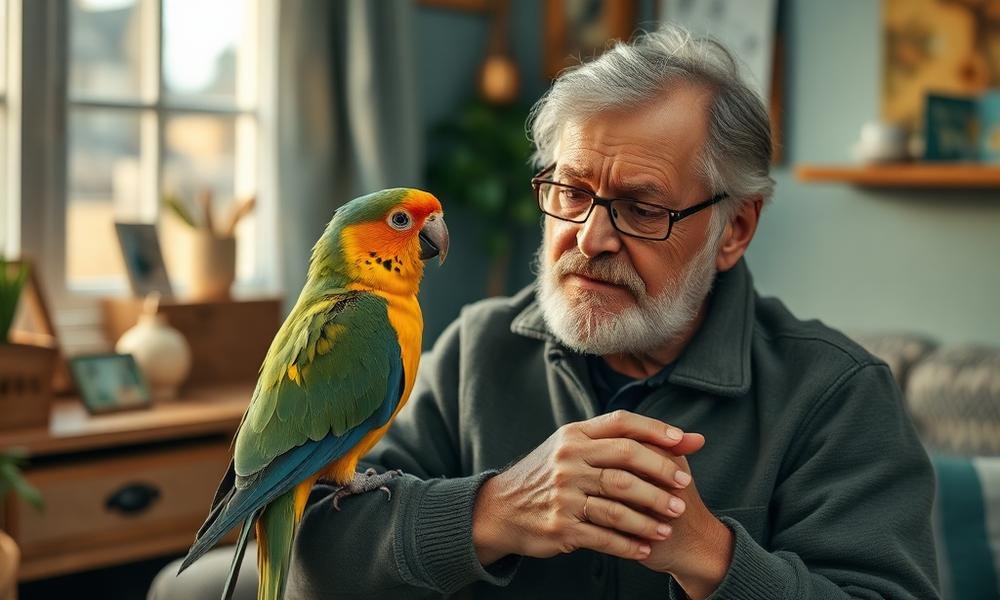
How to socialize a pet bird that was previously neglected
Neglected birds require a slower timeline. Expect 6–10 weeks instead of 4–8. These birds often have learned helplessness — they freeze instead of moving away. This is not calmness; it is fear so intense the bird has shut down.
Start with the cage in a quiet corner, not a busy room. Cover three sides of the cage with a light cloth to create a "safe zone." Uncover one side at a time over 2 weeks. Do not attempt any handling until the bird actively moves toward the front of the cage when you approach.
Neglected birds often have poor feather condition and may be underweight. Consult an avian veterinarian before starting intensive socialization. PetMD condition guides recommend a full health check for any rescue bird before beginning behavior work.
| Behavior | Likely Cause | Solution | Timeline |
|---|---|---|---|
| Biting when hand approaches | Fear of hands (previous trauma) | Hand feed through bars for 2 weeks | 2–4 weeks |
| Screaming when you leave room | Separation anxiety | Gradual departures (30 seconds to 5 minutes) | 3–6 weeks |
| Freezing in place | Learned helplessness | Slow exposure, safe zone setup | 6–10 weeks |
| Feather plucking during socialization | Overwhelming stress | Reduce session length, increase treats | Immediately adjust |
Pro Tip: Keep a daily journal of your bird's behavior. Note what time of day it is most relaxed, which treats it prefers, and how long it takes to calm down after a session. Patterns emerge within 5–7 days that guide your next steps.
How to socialize a pet bird that is hand shy or traumatized
Some birds develop extreme hand shyness after being grabbed, squeezed, or mishandled. These birds may lunge, scream, or flee the moment they see a hand approaching. You cannot fix this with faster movements or firmer commands — you must rebuild the bird's entire association with hands.
Start by keeping your hands completely out of sight for 3–5 days. Sit near the cage with your hands behind your back or in your pockets. Talk softly. Let the bird see that your presence does not automatically mean hands are coming. After 3–5 days, slowly bring one hand into view at a distance of 2–3 feet from the cage. Hold it still for 5 minutes. If the bird remains calm, move it 6 inches closer the next day.
Once your hand is within 6 inches of the cage without triggering fear, begin the treat-through bars method described earlier. Expect hand shy birds to take 4–6 weeks before they will eat from your palm inside the cage. Do not rush this phase — one grabby movement can set you back to week one.
Pro Tip: For hand shy birds, hold a treat in your open palm and look away from the bird. Direct eye contact increases their fear. Looking away signals "I am not a threat" and encourages the bird to approach faster.
How to socialize a pet bird that bites hard
Hard biting is different from testing bites. A hard bite draws blood, leaves bruises, or causes the bird to latch on and shake. This level of aggression usually stems from territorial behavior, fear, or hormonal aggression. You must identify the root cause before you can fix it.
Territorial biting happens most often when you reach into the cage. The bird sees the cage as its safe space. Solve this by never reaching into the cage to grab the bird — always let it step out on its own. If your bird bites when you approach its food bowl, use a separate feeding station outside the cage during training.
Hormonal biting occurs during breeding season (spring and early summer for most species). Reduce hormonal triggers by limiting daylight to 10–12 hours, removing nesting materials, and avoiding petting your bird anywhere below the neck. The AVMA pet owner resources advise that full body petting can stimulate breeding hormones and increase aggression.
| Biting Scenario | Root Cause | Your Response |
|---|---|---|
| Bites only inside the cage | Territorial aggression | Train outside cage only; use a perch to remove bird |
| Bites when you touch its back or belly | Hormonal aggression | Stop petting below neck; reduce daylight hours |
| Bites when you approach quickly | Fear based biting | Slow down; return to hand feeding phase |
| Bites and then shakes head | Redirected frustration | Remove trigger (loud noise, another pet); offer a toy |
Pro Tip: If your bird bites and latches on, do not scream or shake your hand. This excites the bird and reinforces the behavior. Instead, blow gently on its face — most birds will release to investigate the air current.
Build a stronger bond with your feathered friend — get the right socialization tools today.
Browse Bird Care Options →
Frequently Asked Questions
How long does it take to socialize a pet bird?
Most birds adjust within 4–8 weeks of consistent daily sessions. Budgies and cockatiels often socialize faster (3–5 weeks), while larger parrots like African greys may need 8–12 weeks. Rescue birds with trauma history can take 3–6 months. Progress depends entirely on your patience and consistency.
Can you socialize an older bird that has never been handled?
Yes, but it takes longer. Older birds have established fear patterns that require 8–16 weeks to reshape. The same step-by step trust-building process works, but each phase may take twice as long. Never force interaction — older birds are more likely to bite hard and hold on.
What treats work best for bird socialization?
Millet spray works for most small birds (budgies, cockatiels, finches). Sunflower seeds and pine nuts work for medium parrots. For large parrots, use unsalted almonds or cashews. The treat must be small, high-value, and only given during socialization sessions. Never use chocolate, avocado, or caffeine — these are toxic to birds.
Should I cover my bird's cage during socialization training?
Only during the first 1–2 weeks for fearful birds, and only partially. A fully covered cage can increase anxiety by blocking visual cues. Instead, cover one or two sides to create a safe corner. Remove all covers once your bird eats treats near you without stress.
How do I know if my bird is too stressed to continue training?
Signs of stress include rapid breathing with an open beak, wing flapping against cage bars, tail bobbing, and refusal to eat treats. If you see any of these, end the session immediately. Do not try again until the next day. A stressed bird cannot learn — you are only reinforcing fear.
Can I socialize two birds at the same time?
It is harder. Bonded pairs often reinforce each other's fear. Separate their cages during initial trust building sessions so you can work with each bird individually. Once both birds step up reliably, you can do joint sessions. Expect this process to take 2–3 times longer than with a single bird.
What if my bird is aggressive toward other family members?
Birds often bond strongly to one person and view others as threats. Have the less favored person do all the feeding and treat giving for 2–3 weeks. This shifts the bird's association from "stranger = danger" to "stranger = food source." The bird should become more accepting within 3–4 weeks.
Should I use gloves when handling a biting bird?
No. Gloves make your hand look larger and more threatening. They also reduce your sensitivity to the bird's body language. If you are afraid of being bitten, use a wooden perch to ask your bird to step up instead of your hand. Once the bird is calm on the perch, switch back to bare hand training.
Check out our complete overview of how to care for a pet bird for more information.
For more on this topic, see our guide to bird not eating how to help.