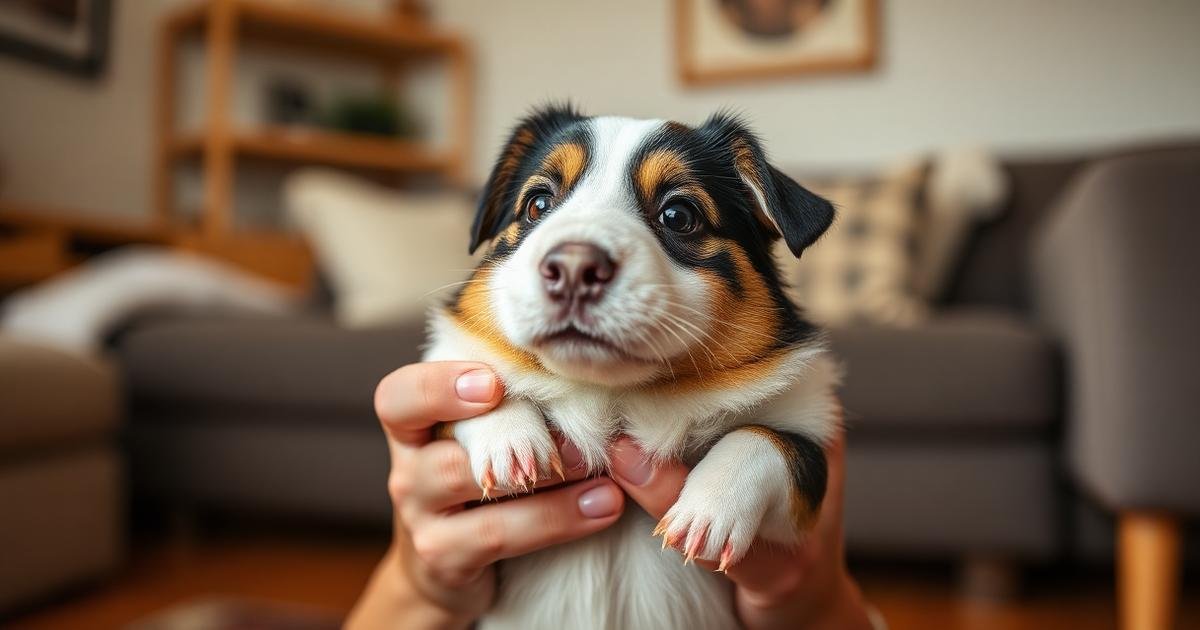
Learning how to hold a guinea pig correctly is the single most important skill for building trust and preventing injury. The correct method involves supporting their full body weight with one hand under their chest and the other under their hindquarters, keeping them secure against your body. This ensures your guinea pig feels safe and you avoid dropping them or causing spinal stress. Mastering this technique transforms handling from a stressful event into a bonding experience for both of you.
How to hold a guinea pig correctly: Always use two hands: place one hand under the chest just behind the front legs, and the other hand under the hindquarters to support the back end. Lift gently while keeping the guinea pig close to your body. Never grab them from above or squeeze their abdomen. This method prevents falls and reduces
Quick Answer: How do you hold a guinea pig correctly?
Always use two hands: place one hand under the chest just behind the front legs, and the other hand under the hindquarters to support the back end. Lift gently while keeping the guinea pig close to your body. Never grab them from above or squeeze their abdomen. This method prevents falls and reduces stress for your pet.
For a complete guide on this topic, see the Small Pet Care Guide.
This how to hold a guinea pig correctly decision works best when the owner compares daily fit, tolerance, and practical consistency together.
Why the right hold matters for your guinea pig’s safety
Guinea pigs are prey animals with fragile skeletons. Their spines are particularly vulnerable to injury if dropped or squeezed incorrectly. A fall from as little as 2–3 feet can cause fractures or internal damage.
For many homes, the right how to hold a guinea pig correctly choice is the one that stays reliable under ordinary daily conditions.
When you use the correct technique, you signal safety to your guinea pig. They learn that being picked up doesn't mean danger. This builds trust over time, making vet visits and daily handling much easier for both of you.
A well matched how to hold a guinea pig correctly option should support the pet clearly without making the routine harder to maintain.
The ASPCA emphasizes that proper handling reduces stress hormones in small pets (ASPCA behavior resources). Less stress means a healthier, happier guinea pig who willingly interacts with you.
Beyond physical safety, the correct hold prevents psychological trauma. A guinea pig that experiences a fall or rough handling may develop lasting fear of human contact. This can lead to hiding, aggression, or refusal to eat when you're near. Consistent gentle handling reverses these patterns within 1–2 weeks.
Pro Tip: Never let your guinea pig's legs dangle freely. If all four feet are unsupported, they will panic and try to kick free, increasing the chance of a fall. Keep them tucked against your body or a towel.
Step-by step guide: How to hold a guinea pig correctly
Step 1: Approach from the side, not above
Guinea pigs have a natural fear of predators swooping from above. Approach your guinea pig from the front or side, talking softly so they know you're there. Let them sniff your hand before you attempt to pick them up.
If your guinea pig runs away, don't chase. Wait a moment, then try again with a calm, slow movement. Rushing this step creates fear that makes future handling harder.
Step 2: Scoop with both hands
Place one hand under their chest, just behind the front legs. Your thumb should rest gently on one side of their chest, your fingers on the other. Do not squeeze — just provide a stable platform.
Simultaneously, slide your other hand under their hindquarters to support the back end. The rear hand is crucial because guinea pigs will kick backward if unsupported, which can strain their spine.
Step 3: Lift and secure against your body
Lift in one smooth motion, bringing the guinea pig directly against your chest or stomach. Their body should be horizontal or slightly tilted upward, not vertical. Keep their feet tucked against you.
Your arms should form a cradle around them. This position prevents them from wiggling free and gives them the security of feeling your warmth and heartbeat.
Step 4: Hold firmly but gently
Apply enough pressure to prevent slipping, but never enough to restrict breathing or movement. You should be able to feel your guinea pig's breathing without it feeling compressed.
If your guinea pig starts to squirm, don't tighten your grip — this makes them panic more. Instead, bring them closer to your body or gently sit down with them in your lap. The AVMA recommends keeping handling sessions under 10–15 minutes for young or nervous guinea pigs (AVMA pet owner resources).
Pro Tip: Practice over a soft surface like a bed or carpet until you and your guinea pig are comfortable. If you do drop them, the landing will be much safer than on a hard floor.
Make handling easier with the right supplies — from cozy hideouts to secure carriers.
Browse Small Pet Options →
Common mistakes when picking up a guinea pig
Grabbing from above
Reaching down from above triggers a fear response. Your guinea pig sees a shadow and assumes it's a hawk or other predator. This causes them to freeze or bolt, making the pick up stressful and dangerous.
Holding by the scruff
Never pick up a guinea pig by the scruff of the neck. Unlike cats or rabbits, guinea pigs do not have loose skin designed for this hold. Scruffing causes pain and can damage their neck muscles.
Letting them dangle
If you hold a guinea pig with only one hand under their belly, their back legs dangle. This makes them feel unstable, so they kick. Kicking plus dangling equals a high risk of spinal injury. Always use two hands.
Squeezing too hard
Nervous owners often grip too tightly. This restricts breathing and can bruise internal organs. A guinea pig's ribs are delicate — you should feel them, not compress them. If your guinea pig squeaks in protest, you're holding too tight.
For more on reading your guinea pig's body language, see our guide on Small Pet Care Guide.
| Mistake | Why it's dangerous | Correct alternative |
|---|---|---|
| Grabbing from above | Triggers predator fear response | Approach from side, let them sniff |
| Scruffing the neck | Damages neck muscles, causes pain | Two hand scoop method |
| Letting legs dangle | Spinal strain from kicking | Support hindquarters with second hand |
| Squeezing too hard | Restricts breathing, causes bruising | Firm but gentle pressure against body |
How to handle a guinea pig that hates being held
Start with trust building exercises
Some guinea pigs never enjoy being held at first. That's normal. Spend 5–10 minutes daily just sitting near their cage, talking softly and offering treats through the bars. Let them associate your presence with good things.
Once they approach you willingly, offer a treat from your open palm inside the cage. This teaches them that hands are safe. The AKC recommends this gradual desensitization approach for nervous small animals (AKC behavior guides).
Use the towel wrap method
For guinea pigs that panic during handling, try the "burrito wrap." Place a small, soft towel flat on a table. Scoop your guinea pig onto the center of the towel, then fold the sides gently over their body. Lift them with the towel supporting their entire weight.
The towel provides security and prevents slipping. Many guinea pigs calm down immediately when wrapped. You can then hold them against your body while the towel stays in place.
Keep sessions short and positive
For the first 1–2 weeks, limit handling sessions to 2–5 minutes. Always end on a positive note — a treat, a gentle scratch behind the ears, or returning them to their cage before they get upset. This teaches them that handling ends with something good.
Gradually increase the time as your guinea pig relaxes. Within 2–3 weeks of consistent, gentle handling, most guinea pigs will tolerate being held for 10–15 minutes at a time.
Pro Tip: Use a high value treat like a small piece of bell pepper or cilantro during and after handling. Guinea pigs are food-motivated, and positive reinforcement speeds up the trust building process significantly.
Age and breed considerations for handling
Baby guinea pigs (under 3 months)
Baby guinea pigs are more fragile than adults. Their bones are still developing, and their spines are especially delicate. Handle them even more gently, and always support their entire body with both hands.
Limit handling to 2–3 minutes at a time for the first few weeks. Babies tire easily and can become stressed faster than adults. Let them initiate interaction as they grow comfortable.
Pregnant or nursing guinea pigs
Pregnant guinea pigs should be handled as little as possible, especially in the last 2–3 weeks of pregnancy. The extra weight strains their spine, and stress can cause complications. If you must handle them, use extra support under the belly.
Nursing mothers may be protective of their pups. Handle them only when necessary, and always return them to their cage quickly. The PetMD condition guides recommend minimal handling during this period (PetMD condition guides).
Senior guinea pigs (5+ years)
Older guinea pigs often develop arthritis or joint stiffness. They may be less tolerant of handling and more prone to injury if dropped. Support their body fully, especially the hind end, and watch for signs of discomfort like flinching or squeaking.
Keep handling sessions shorter — 5–8 minutes maximum — and always provide a soft landing surface. Senior guinea pigs benefit from being held on a lap rather than standing.
Pro Tip: If your guinea pig has long hair (like a Peruvian or Silkie), be extra careful when holding them. Their fur can get caught under your fingers or in your clothing, causing pain. A quick brush before handling prevents tangles.
How to safely put a guinea pig back down
Putting your guinea pig down is just as important as picking them up. Lower them slowly toward their cage or playpen floor, keeping them supported with both hands until all four feet touch the surface. Never drop them from height or let them jump out of your arms.
If your guinea pig starts squirming as you lower them, pause and hold them steady. Letting go while they struggle increases the chance of a fall. Wait 5–10 seconds for them to calm down, then continue lowering them gently.
Place them on a soft surface like fleece or a towel rather than directly on bare wire cage flooring. This prevents foot injuries and gives them a comfortable landing. Always supervise them for 30–60 seconds after setting them down to ensure they don't panic and run into something sharp.
Reading your guinea pig's body language during handling
Your guinea pig communicates discomfort through subtle signals. Learning these cues helps you adjust your hold before they panic. A relaxed guinea pig breathes evenly, has soft eyes, and may make gentle purring or rumbling sounds.
Signs of stress include freezing in place, chattering teeth, loud squeaking, or trying to burrow into your arms. If you see flattened ears or wide eyes with visible whites, your guinea pig is scared. Return them to their cage immediately and try again later with a calmer approach.
A guinea pig that licks your fingers or gently nibbles is usually exploring, not being aggressive. This is a positive sign of curiosity. However, a hard bite accompanied by a head jerk means fear or pain — check your grip pressure and support.
| Behavior | What it means | Your response |
|---|---|---|
| Purring or rumbling | Content and relaxed | Continue holding gently |
| Freezing in place | Fear or uncertainty | Talk softly, reduce movement |
| Loud squeaking | Pain or extreme fear | Return to cage immediately |
| Teeth chattering | Irritation or warning | Release slowly, check grip |
| Licking or gentle nibbling | Exploration, trust | Positive sign — continue calmly |
Frequently Asked Questions
Can holding a guinea pig incorrectly cause injury?
Yes. Improper holding — especially letting legs dangle or squeezing the abdomen — can cause spinal fractures, muscle strains, or internal organ damage. A fall from even 2 feet can break a guinea pig's leg or back. Always use the two hand support method to prevent injury.
How do you know if your guinea pig is scared when being held?
A scared guinea pig may freeze, squeak loudly, try to bite, or struggle to escape. They might also chatter their teeth or flatten their ears against their head. If you see these signs, return them to their cage gently and try again later with more patience.
How long should you hold a guinea pig each day?
Start with 2–5 minute sessions for nervous guinea pigs, gradually increasing to 10–15 minutes as they relax. Most adult guinea pigs enjoy daily handling of 10–20 minutes total. Never force a guinea pig to be held for longer than they tolerate comfortably.
Is it safe to let children hold a guinea pig?
Children under 8 should only hold a guinea pig while sitting on the floor with adult supervision. Teach them the two hand scoop method and never let them walk around while holding the guinea pig. A supervised, seated hold is much safer than a standing one.
What should you do if your guinea pig bites you while being held?
Do not pull away or yell. Gently place the guinea pig back in their cage and check for signs of pain or illness. Biting often means fear or discomfort. Wait at least 30 minutes before trying again, and use a treat to rebuild trust.
How do you pick up a guinea pig that won't stop running?
Use a small hideout or tunnel to guide them into a corner. Place one hand over their back and the other under their belly, then lift gently. Alternatively, use a towel to scoop them up. Never chase or grab — this makes fear worse.
Should you wear gloves when handling a nervous guinea pig?
Gloves are not recommended because they reduce your sense of touch and can frighten your guinea pig further. Bare hands allow you to feel their breathing and body tension. If biting is a concern, use a towel wrap instead of gloves.
Can two people hold one guinea pig at the same time?
No. Two people holding one guinea pig creates conflicting pressure points and increases the risk of dropping them. Always let one person handle the guinea pig while the other supervises or prepares the landing area.
Learn more in our detailed guide on how to tame a hamster.