
Finding a veterinarian you trust is one of the most important decisions you will make for your pet. Learning how to find a good vet means looking for a professional who combines clinical expertise with genuine compassion, clear communication, and a convenient location. Start by asking for referrals from trusted sources, then schedule a visit to evaluate the clinic's cleanliness, staff demeanor, and whether they offer the services your pet needs now and in the future.
How to find a good vet: To find a good vet, ask your local animal shelter, trusted pet-owning friends, or breed-specific clubs for personal referrals. Then, schedule a "meet and greet" tour of at least two clinics. During the visit, evaluate the facility's cleanliness, the staff's communication style, and whether the vet e
Quick Answer: How do I find a good veterinarian I can trust?
To find a good vet, ask your local animal shelter, trusted pet owning friends, or breed specific clubs for personal referrals. Then, schedule a "meet and greet" tour of at least two clinics. During the visit, evaluate the facility's cleanliness, the staff's communication style, and whether the vet explains procedures clearly without rushing you.
For a complete guide on this topic, see the Complete Pet Care Guide.
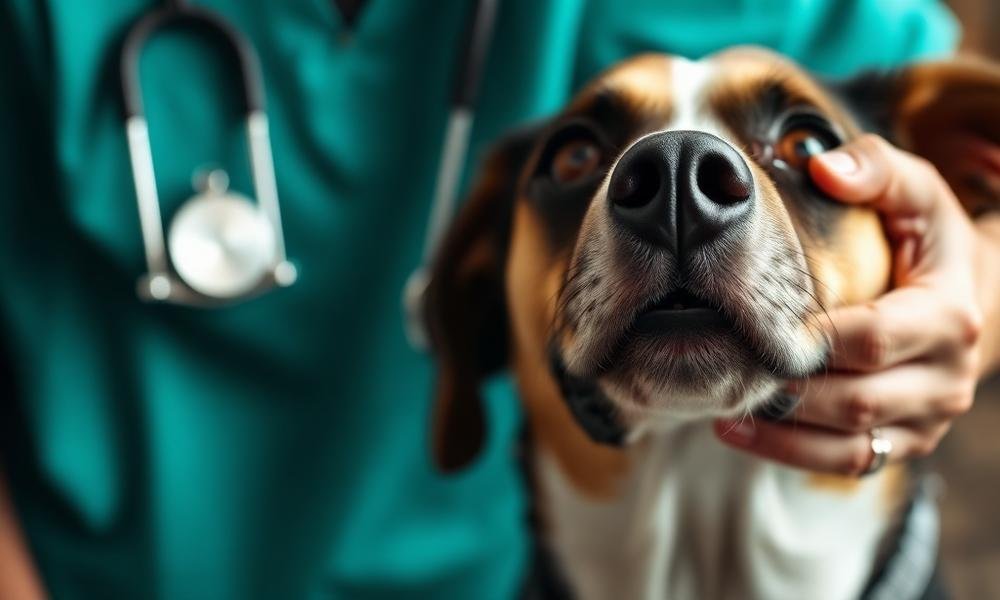
Why Choosing the Right Vet Matters More Than You Think
Your veterinarian is your partner in your pet's health for the next 10–20 years. A good vet doesn't just treat illnesses — they help prevent them through regular wellness exams, vaccinations, and nutritional counseling. According to the AVMA, pets who visit a veterinarian at least once a year live longer, healthier lives because issues are caught early.
Beyond medical skill, you need a vet who communicates in a way you understand. If you feel rushed, dismissed, or confused after an appointment, that's a red flag. The right vet will take time to explain treatment options, costs, and expected outcomes without making you feel pressured or judged.
A poor choice can lead to misdiagnosis, unnecessary procedures, or a breakdown in trust that keeps you from seeking timely care. This is why understanding how to find a good vet before an emergency is so critical.
Pro Tip: Don't wait until your pet is sick to choose a vet. Establish a relationship during a routine wellness exam. This way, your pet is already a patient, and the vet has a baseline of their normal health when an emergency strikes.
What Specific Qualities Should You Look For in a Vet Clinic?
Not all veterinary practices are created equal. You need a clinic that matches your pet's needs, your budget, and your personal values. Here are the non negotiable qualities to prioritize when figuring out how to find a good vet.
Accreditation and Credentials
Look for a clinic accredited by the American Animal Hospital Association (AAHA). AAHA accredited hospitals voluntarily meet over 900 standards for patient care, facility cleanliness, and medical recordkeeping. Only about research suggests 15% of veterinary hospitals in the U.S. hold this accreditation, according to AAHA's own data. It's a strong indicator of quality.
Also check that the veterinarians are licensed in your state and have no disciplinary actions on record. You can usually verify this through your state's veterinary medical board website.
Communication Style and Bedside Manner
Does the vet look at you and your pet during the exam, or are they glued to a computer screen? Do they explain medical terms in plain language? The best vets listen more than they talk. They ask about your pet's behavior at home, your daily routine, and any concerns you have — even if you feel silly bringing them up.
If a vet makes you feel stupid for asking a question, walk out. You deserve a partner, not a lecture.
Range of Services and Emergency Capabilities
Does the clinic offer in house diagnostics (bloodwork, X-rays, ultrasound)? Do they perform surgeries, dental cleanings, and dental X-rays? Can they handle emergencies during business hours? If your pet has a chronic condition like diabetes or allergies, you need a vet who can manage those conditions comprehensively.
For after hours emergencies, ask which 24-hour emergency hospital they refer to. A good clinic will have a clear relationship with a nearby emergency facility.
Cleanliness and Organization
Trust your nose. A clean clinic should not smell strongly of urine, feces, or harsh chemical disinfectants. Look at the waiting area, exam rooms, and especially the treatment area if you can see it. Are surfaces wiped down between patients? Is the staff wearing clean uniforms? These details matter.
Pro Tip: Call the clinic during a busy time and ask a simple question, like "What are your vaccination schedules for puppies?" How the receptionist handles your call — friendly, rushed, or dismissive — tells you a lot about the clinic's culture.

Where Should You Start Your Search for a Good Vet?
Knowing where to look is half the battle. Here are the most reliable sources for recommendations when you're learning how to find a good vet.
Ask Your Local Animal Shelter or Rescue Group
Shelter staff and volunteers work with multiple vets regularly. They know which clinics offer affordable care, which ones handle fearful or aggressive animals well, and which ones have the best surgical outcomes. A recommendation from a shelter is gold — they have no financial incentive to steer you wrong.
Ask Breed Specific Clubs or Online Communities
If you have a purebred dog or cat, reach out to the national breed club's local chapter. Breeders and owners of the same breed often share vet recommendations based on experience with breed specific health issues like hip dysplasia in German Shepherds or hypertrophic cardiomyopathy in Maine Coon cats.
Facebook groups and Reddit communities (like r/AskVet) can also be helpful, but take individual anecdotes with a grain of salt. Look for patterns — if multiple people recommend the same clinic, it's worth investigating.
Use the AVMA's "Find a Vet" Tool
The American Veterinary Medical Association offers a directory searchable by location and specialty. This is a great starting point to find licensed veterinarians in your area. You can then cross reference their names with online reviews and your own clinic visit.
Read Online Reviews — With a Critical Eye
Google Reviews and Yelp can be useful, but they're not the whole story. A single bad review might be from an owner whose pet needed a painful but necessary procedure. Look for patterns: multiple complaints about long wait times, rude staff, or misdiagnosis are red flags. Multiple mentions of compassionate care, thorough exams, and fair pricing are green flags.
Ready to find the best care for your pet? Start your search with these trusted resources.
Browse Pet Care Options →
How to Evaluate a Vet Clinic During a Visit
You've narrowed your list to two or three clinics. Now it's time to visit in person. This is the most important step in how to find a good vet — and most people skip it.
Schedule a "Meet and Greet" Tour
Most clinics are happy to give a short tour during a slow time. Call ahead and ask if you can bring your pet for a brief visit, no appointment needed. During the tour, observe the following:
- Is the waiting area clean and calm, or chaotic and loud?
- Do staff members greet you and your pet warmly?
- Are there separate waiting areas for dogs and cats to reduce stress?
- Does the vet seem genuinely interested in meeting your pet, or are they just going through the motions?
Ask Specific Questions During the Visit
Come prepared with a short list of questions. Good ones include:
- How do you handle pain management after surgery?
- What is your approach to dental care?
- Do you offer telemedicine consultations?
- What is your policy on same day sick appointments?
- How do you handle difficult or fearful patients?
Pay attention to how the vet answers. Are they confident and clear? Do they give you time to ask follow-ups? Or do they rush through your questions?
Observe How Staff Interact With Each Other
A toxic work environment often leads to high staff turnover, which means your pet won't see the same faces at each visit. Watch how the receptionist talks to the veterinary technicians. Do they seem stressed or burnt out? A happy, stable team is a sign of a well managed practice.
Pro Tip: Ask if you can see the treatment area and the kennel where pets are kept during the day. A good clinic will have clean, spacious kennels with soft bedding and a quiet environment. If they hesitate or refuse to show you, consider that a red flag.

What Are the Red Flags to Avoid When Choosing a Vet?
Knowing what to avoid is just as important as knowing what to look for. Here are the biggest warning signs that should send you looking elsewhere.
Pushy Sales Tactics or Unnecessary Procedures
If the vet pressures you into buying expensive food, supplements, or procedures you didn't ask for, be wary. A good vet will explain why a treatment is recommended and give you time to think it over. They won't guilt trip you into spending money you don't have.
Refusal to Discuss Costs or Provide Estimates
Veterinary care can be expensive. A trustworthy clinic will provide a written estimate before any major procedure or diagnostic test. If the staff is vague about pricing or refuses to give you a ballpark figure over the phone, consider it a red flag.
Dirty or Disorganized Facility
If the waiting room is cluttered, the floors are sticky, or the exam table looks like it hasn't been cleaned between patients, leave. A lack of basic cleanliness is a sign of poor infection control and low standards of care.
Dismissive Attitude Toward Your Concerns
You know your pet better than anyone. If a vet brushes off your concerns about a behavioral change or a lump you've noticed, find someone who will take you seriously. Trust your gut.
No After Hours Emergency Plan
Every clinic should have a clear protocol for after hours emergencies. If they don't have one, or if they just say "take your pet to the ER" without a specific recommendation, that's a problem. A good clinic has a working relationship with a nearby 24-hour emergency hospital.
| Red Flag | What It Suggests | What to Do |
|---|---|---|
| Rushed appointments (under 15 minutes) | High patient volume, low quality of care | Look for a clinic that schedules 30-minute wellness visits |
| High staff turnover | Poor management, stressed team | Ask how long the current vets and techs have been there |
| No written estimates | Lack of transparency, potential for surprise bills | Request an estimate in writing before any procedure |
| Vet doesn't make eye contact with you or your pet | Poor communication, lack of empathy | Trust your gut and find a vet who engages with you |
Pro Tip: If you have a pet with special needs — like a senior cat, a brachycephalic breed (pug, bulldog), or a fearful rescue dog — ask the vet directly about their experience with that specific situation. A general practitioner may not be the best fit for specialized care.
How Often Should You Change Vets if You're Unhappy?
There's no rule that says you must stick with a vet you don't trust. If you've given a clinic two or three visits and you still feel uneasy, it's time to move on. Your pet's health is too important to settle.
That said, switching vets too frequently can be counterproductive. Each new vet needs to start from scratch with your pet's medical history, which can delay diagnosis and treatment. Aim to find a vet you're comfortable with within 2–3 visits, then commit to building that relationship.
If you're moving to a new city, start your search at least 2–4 weeks before you move. This gives you time to visit clinics and transfer medical records without rushing. The AVMA recommends keeping a copy of your pet's complete medical records for exactly this reason.
For broader reference and guidance, akc.org provides useful context on pet health and care decisions.
For broader reference and guidance, petmd.com provides useful context on pet health and care decisions.
Frequently Asked Questions
How much does a typical vet visit cost?
A routine wellness exam for a dog or cat typically costs between $50 and $100 in the U.S., depending on your location and the clinic. Vaccinations, fecal tests, and heartworm tests are additional. Always ask for a price list before your first visit.
What is the difference between a general practice vet and a specialist?
A general practice vet handles routine care, vaccinations, and common illnesses. A specialist (like a veterinary cardiologist or dermatologist) has completed additional residency training and board certification. You usually need a referral from your general vet to see a specialist.
Should I choose a vet that is open on weekends?
Yes, if your schedule is tight or if you have a high energy pet prone to weekend accidents. Many clinics now offer Saturday hours. Some even offer Sunday hours for urgent care. This can save you a trip to the emergency room for non-life threatening issues.
How do I know if a vet is AAHA-accredited?
Visit the AAHA website and use their "Find a Hospital" tool. You can also look for the AAHA logo on the clinic's website or front door. Remember, only about research suggests 15% of U.S. veterinary hospitals hold this accreditation, so it's a mark of excellence.
What should I look for in a vet for a senior pet?
Look for a clinic that offers senior wellness panels (bloodwork, urinalysis), dental care, and pain management for arthritis. Ask if they have experience with conditions like kidney disease, hyperthyroidism, or cognitive dysfunction. A vet who specializes in geriatric care is ideal.
Can I switch vets if my pet has a chronic condition?
Yes, but request a complete copy of your pet's medical records (including lab results and imaging) from the old vet before the switch. This ensures continuity of care. It's also wise to schedule a consultation with the new vet before your pet's next medication refill is due.
For more on this topic, see our guide to how to care for a pet.
Learn more in our detailed guide on how to travel with a pet.
For more on this topic, see our guide to how to introduce a new pet to existing pets.