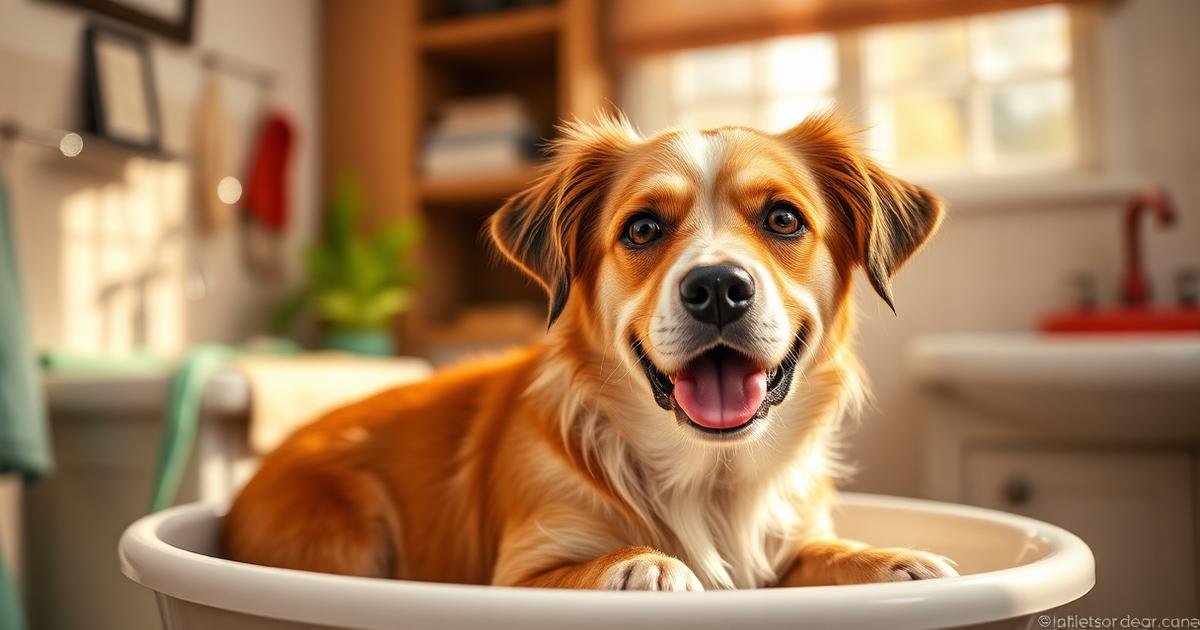
You're not alone if you've ever wondered whether you're bathing your pet too often or not enough. It's one of the most common questions new pet owners ask, and the answer isn't one-size-fits-all. How often bathe pets correctly depends on your pet's breed, coat type, skin condition, and lifestyle — but for most healthy dogs and cats, once every 4–6 weeks is a solid starting point. Bathing too frequently strips natural oils, while waiting too long can lead to matting, odor, and skin irritation. Here's exactly how to find the right rhythm for your pet.
How often bathe pets correctly: For most healthy dogs, bathe every 4–6 weeks with a pH-balanced pet shampoo. For cats, every 4–6 weeks unless they're hairless or have a medical condition requiring more frequent baths. The root causes of over-bathing include fear of odor, misinformation about coat health, and using human shampoo th
Quick Answer: How Often Should You Bathe Your Pet Correctly?
For most healthy dogs, bathe every 4–6 weeks with a pH balanced pet shampoo. For cats, every 4–6 weeks unless they're hairless or have a medical condition requiring more frequent baths. The root causes of over bathing include fear of odor, misinformation about coat health, and using human shampoo that strips natural oils. The root causes of under bathing include busy schedules, fear of stressing the pet, and not recognizing when a bath is actually needed. Adjust based on breed, coat type, and activity level — always prioritize coat health over a fixed schedule.
For a complete guide on this topic, see the Complete Pet Care Guide.
Why Your Pet's Bathing Needs Vary So Much
It feels like there should be a simple rule, but the truth is that how often you need to bathe your pet correctly depends on several factors working together. Understanding these root causes will help you stop guessing and start bathing with confidence.
Coat Type and Length
Double coated breeds like Golden Retrievers and Huskies need less frequent bathing — every 6–8 weeks is plenty. Over bathing damages their undercoat's insulation. Short coated breeds like Beagles and Boxers can go 4–6 weeks, but they may need more frequent baths if they have skin allergies.
Skin Oil Production
Some pets naturally produce more sebum than others. Basset Hounds and Cocker Spaniels are notorious for oily, smelly coats. These breeds may need baths every 3–4 weeks, while a cat with normal oil production can easily go 6–8 weeks between baths.
Lifestyle and Activity Level
An indoor cat who never goes outside needs far fewer baths than a dog who rolls in mud every weekend. Active dogs who swim frequently or spend time in wooded areas may need baths every 2–3 weeks during peak season, then stretch to every 6 weeks in winter.
Medical and Skin Conditions
Pets with allergies, dermatitis, or fungal infections often require medicated baths as prescribed by a veterinarian — sometimes twice weekly during flare-ups. Never assume more bathing helps. According to the
Using the Wrong Products
Human shampoo is too acidic for pet skin. It strips natural oils and causes dryness, itchiness, and dandruff — which makes owners think they need to bathe more often. This creates a vicious cycle. Always use a pH balanced pet shampoo.
Pro Tip: If your pet's skin looks flaky or feels greasy within a week of bathing, you're either bathing too often or using the wrong shampoo. Switch to an oatmeal based pet shampoo and stretch the interval by 2 weeks.
Root Cause Decision Tree: What's Driving Your Bathing Schedule?
Match your specific situation to find the fastest fix for how often bathe pets correctly:
| What you observe | Likely root cause | First fix to try |
|---|---|---|
| Pet smells within 3 days of bathing | Skin infection or yeast overgrowth | Visit vet for skin scrape test; use medicated shampoo as prescribed |
| Pet has dry, flaky skin after baths | Over bathing or wrong shampoo | Switch to moisturizing shampoo; extend bath interval by 2 weeks |
| Pet is an indoor cat with no odor | No need for frequent baths | Bathe only once every 8–12 weeks, or when visibly dirty |
| Dog rolls in mud every weekend | High activity lifestyle | Rinse with water only between baths; bathe every 2–3 weeks with gentle shampoo |
| Pet has allergies and scratches constantly | Underlying allergy, not lack of bathing | See vet for allergy testing; use hypoallergenic shampoo, not more frequent baths |
| Hairless cat or dog breed | High oil production without fur to absorb it | Bathe weekly with gentle, moisturizing shampoo; wipe down between baths |
When This Is NOT Just About Bathing Frequency
Sometimes a smelly or greasy coat signals something deeper than a simple scheduling problem. If you notice any of these red flags, stop adjusting your bath routine and see your veterinarian first.
Sudden change in odor or oiliness in an adult pet who previously had normal skin and coat could indicate a thyroid disorder, hormonal imbalance, or skin infection. According to the
Obsessive licking or scratching at one spot combined with a foul odor suggests a localized infection, abscess, or hot spot. Bathing won't fix this — it needs veterinary treatment including antibiotics or topical medication.
Limping or reluctance to be touched alongside skin changes points to arthritis or joint pain, not a bathing problem. Pets in pain may stop grooming themselves, leading to a matted, smelly coat that no amount of bathing will solve.
Pro Tip: If your pet suddenly starts smelling worse within 24 hours of a bath, that's a red flag for a yeast or bacterial infection. The moisture from bathing can trigger a flare-up. Stop bathing and call your vet.
Enrichment Protocol: Building a Healthy Coat Without Over-Bathing
You can keep your pet clean, comfortable, and smelling fresh without bathing more often. These five steps will reduce the need for frequent baths while improving coat health:
- Brush daily. Brushing removes dirt, distributes natural oils, and prevents matting. For double coated breeds, use an undercoat rake. For short coats, a rubber curry brush works wonders. Spend at least 5–10 minutes daily.
- Use waterless shampoo between baths. A foam or spray waterless shampoo can freshen your pet's coat in minutes without stripping oils. Use it weekly or as needed for spot cleaning.
- Wipe paws and belly after walks. A damp microfiber cloth removes mud, pollen, and allergens before they get ground into the coat. This single habit can extend your bath interval by 1–2 weeks.
- Feed a high quality diet. Skin health starts from the inside. Diets rich in omega-3 fatty acids (from fish oil or flaxseed) support a healthy, shiny coat that naturally repels dirt and odor.
- Address underlying allergies. If your pet scratches constantly, bathing won't fix it. Work with your vet to identify food or environmental triggers. Once allergies are managed, you'll bathe less often.
Pro Tip: A weekly "spa session" of brushing, ear cleaning, and paw wiping can replace one bath every month. Your pet stays clean, and you avoid stripping those precious natural oils.
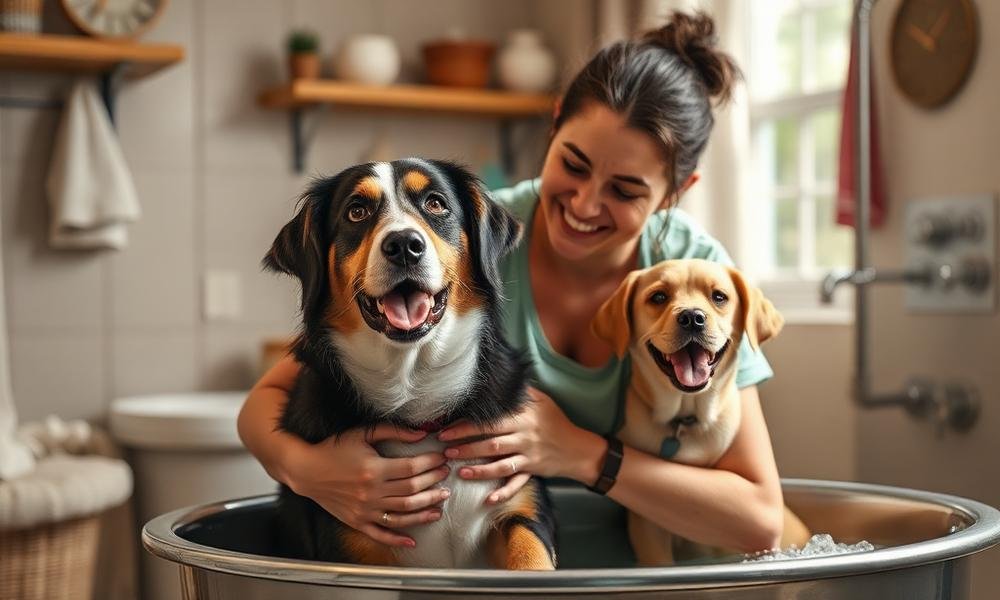
Product Buying Criteria: What to Look For in a Shampoo
When you do bathe your pet, the right shampoo makes all the difference. Here's what to look for before you buy:
- pH balanced for pets: Look for a pH between 6.5 and 7.5. Human shampoos are too acidic and cause irritation.
- Natural ingredients: Oatmeal, aloe vera, and coconut oil are gentle and moisturizing. Avoid sulfates, parabens, and artificial fragrances.
- Conditioner included: A 2-in-1 shampoo and conditioner helps restore moisture that bathing removes. This is especially important for double coated breeds.
- Medicated options only when needed: Don't use medicated shampoos without a vet's recommendation. They're formulated for specific conditions and can cause problems if used incorrectly.
- Waterless options for between baths: Keep a waterless shampoo on hand for spot cleaning. Look for one with aloe or vitamin E to moisturize while cleaning.
Pro Tip: Test any new shampoo on a small patch of skin first. Apply a dime sized amount, wait 10 minutes, and rinse. If there's redness or itching within 24 hours, that product isn't right for your pet.
Breed Specific Bathing Schedules You Can Follow
General guidelines help, but breed specific schedules give you a more precise answer. Here's a breakdown for common breeds so you know exactly how often bathe pets correctly for your specific companion.
Double Coated Breeds (Huskies, Golden Retrievers, German Shepherds)
These breeds have a dense undercoat that insulates them from heat and cold. Bathing every 6–8 weeks is ideal. More frequent baths ruin the undercoat's texture and can cause overheating. Brush them 3–4 times weekly to remove loose fur and distribute natural oils. Use a shampoo formulated for double coats that won't strip the undercoat.
Short Coated Breeds (Beagles, Boxers, Dalmatians)
Short coated dogs need baths every 4–6 weeks, but they often have sensitive skin. Beagles and Boxers are prone to allergies that cause itching and odor. If your short coated dog scratches after baths, switch to a hypoallergenic oatmeal shampoo. A rubber curry brush used twice weekly will keep their coat shiny between baths.
Oily, Wrinkly Breeds (Basset Hounds, Bulldogs, Shar-Peis)
These breeds produce excess oil and have skin folds that trap moisture and bacteria. Bathe them every 3–4 weeks with a gentle, moisturizing shampoo. Clean between skin folds with a damp cloth and dry thoroughly after every bath. According to the
Hairless Breeds (Chinese Crested, Sphynx Cats, Xoloitzcuintli)
Without fur to absorb oil, hairless breeds need weekly baths to prevent greasy buildup and acne. Use a moisturizing shampoo designed for hairless pets — their skin is more delicate than furred breeds. Wipe them down with a damp cloth between baths to remove excess oil and dirt.
Long Haired Breeds (Shih Tzus, Persians, Yorkies)
Long coats mat easily when dirt and oil accumulate. Bathe every 4 weeks to prevent matting, but brush daily to keep the coat tangle-free. Use a conditioner after every bath to maintain softness and prevent breakage. If your long haired pet develops mats near the skin, see a professional groomer rather than bathing more often — water tightens mats and makes them worse.
Pro Tip: Keep a grooming log for your pet. Note the date of each bath, the shampoo used, and how their skin and coat looked 1 week later. Within 2–3 months, you'll see clear patterns that tell you exactly what schedule works best.
Seasonal Adjustments: When to Bathe More or Less Often
Your pet's bathing needs change with the seasons. Here's how to adjust your schedule throughout the year to keep your pet comfortable and healthy.
Spring and Summer
Warmer weather means more outdoor time, more pollen, and more rolling in grass and dirt. Active dogs may need baths every 2–3 weeks during peak outdoor season. Rinse your dog with water after every swim to remove chlorine, salt, or lake bacteria — this prevents skin irritation and reduces the need for full baths. Cats who go outside may need an extra bath during spring shedding season to remove loose fur and allergens.
Fall and Winter
Cold, dry air strips moisture from your pet's skin. Bathing too often in winter worsens dryness and dandruff. Stretch your bath interval to every 6–8 weeks for most pets. Use a humidifier in your home to add moisture to the air. If your pet's coat looks dull or feels rough, add a fish oil supplement to their diet (ask your vet for the right dosage) rather than bathing more often.
Allergy Season (Spring and Fall)
Pets with environmental allergies suffer most during spring and fall pollen spikes. Weekly baths with a hypoallergenic or oatmeal shampoo can soothe itchy skin during these months. After the allergy season passes, return to your normal 4–6 week schedule. Wiping your pet's paws and belly after every walk during allergy season removes pollen before it triggers scratching.
Pro Tip: Mark your calendar with seasonal reminders. Every March and September, review your pet's coat condition and adjust your bath schedule. This simple habit prevents the most common mistakes in how often bathe pets correctly throughout the year.
Troubleshooting Matrix: Common Bathing Problems Solved
Use this table to solve specific problems related to how often bathe pets correctly:
| Behavior pattern | Likely cause | What to do |
|---|---|---|
| Pet smells fishy or yeasty within 2 days of bathing | Yeast or bacterial overgrowth | See vet for skin scrape; use prescription shampoo as directed. Stop bathing for 2 weeks. |
| Pet scratches intensely after every bath | Shampoo allergy or over-drying | Switch to hypoallergenic, oatmeal based shampoo. Rinse twice as long. Apply conditioner. |
| Pet's coat looks greasy within 3 days of bathing | Over bathing causing rebound oil production | Extend bath interval by 2 weeks. Use dry shampoo between baths. Brush daily. |
| Pet hates bath time — trembles or hides | Negative association from past trauma | Start with positive reinforcement: treats in the empty tub. Gradually add water. Keep sessions under 5 minutes. |
| Pet's skin is red and inflamed after bathing | Allergic reaction or chemical burn | Rinse thoroughly with cool water. Apply aloe vera gel. See vet if redness persists beyond 24 hours. |
| Cat grooms excessively after bath | Stress response or skin irritation | Use only cat specific shampoo. Keep bath water lukewarm. Dry thoroughly. Provide a quiet recovery space. |
| Pet develops dandruff within 1 week of bathing | Over bathing or dry air | Add a humidifier to your home. Use moisturizing shampoo. Add fish oil to diet (consult vet for dosage). |
Find the perfect bathing products for your pet's specific coat and skin needs
Browse Pet Care Options →
For broader reference and guidance, akc.org provides useful context on pet health and care decisions.
For broader reference and guidance, petmd.com provides useful context on pet health and care decisions.
Frequently Asked Questions
My dog only smells bad at night — why?
Dogs naturally produce more oil and sweat while sleeping, especially if they're warm under blankets. If the smell is mild, it's normal. If it's strong and yeasty, your dog may have a skin infection that needs veterinary attention. Try washing your dog's bedding weekly and see if the nighttime odor improves.
Will my cat's grooming habits change as they get older?
Yes. Senior cats often groom less due to arthritis or dental pain, leading to a matted, smelly coat. This isn't a signal to bathe more — it's a signal to see your vet. Pain management and daily brushing will help more than bathing. Most senior cats need baths only every 8–12 weeks if brushed regularly.
Is frequent bathing a sign of separation anxiety in dogs?
No. Separation anxiety doesn't cause odor or oiliness. If your dog smells bad when you return home, they may have rolled in something while anxious, or they may have a skin condition that flares with stress. Address the anxiety first with crate training or calming aids, then evaluate your bathing schedule separately.
How long until I see improvement in my pet's coat after changing my bathing routine?
Within 2–3 weeks you'll notice less dryness and dandruff. Full coat health improvement — shinier, less greasy, and better-smelling — typically takes 4–6 weeks. Be patient and consistent with brushing and diet changes. If you don't see improvement after 8 weeks, consult your veterinarian for underlying skin issues.
Should I punish my pet for smelling bad or rolling in dirt?
Never punish. Your pet doesn't understand why you're upset. Rolling in dirt is natural instinct. Instead, redirect with a toy or treat, and schedule a rinse or bath when needed. Punishment creates fear and stress, which can worsen skin problems and make future baths more traumatic for everyone involved.
My dog only gets smelly after swimming in the lake — should I bathe them every time?
Rinse with fresh water immediately after swimming to remove algae, bacteria, and debris. Use a gentle shampoo only if the smell persists after rinsing. Weekly lake swimmers can go 4–6 weeks between full baths if rinsed thoroughly each time. Add a vinegar rinse (1 part white vinegar to 3 parts water) after swimming to neutralize lake odors naturally.
Can I use baby shampoo on my pet in an emergency?
Baby shampoo is gentler than adult human shampoo, but it's still not pH balanced for pets. In an absolute emergency, use it once, then rinse extremely thoroughly. Don't make it a habit. Even one use can disrupt your pet's skin pH and cause itching for 3–5 days afterward. Always keep pet shampoo on hand for regular baths.
How do I know if my pet's skin is healthy between baths?
Healthy skin should be pink or light-colored (depending on breed), free of flakes, bumps, or redness. The coat should feel soft and look shiny. Run your hand against the fur grain — if you see white flakes or feel greasy residue, it's time for a bath. If the skin looks red, scabby, or has hot spots, see your vet before bathing.
Check out our complete overview of ultimate guide to pet care for more information.