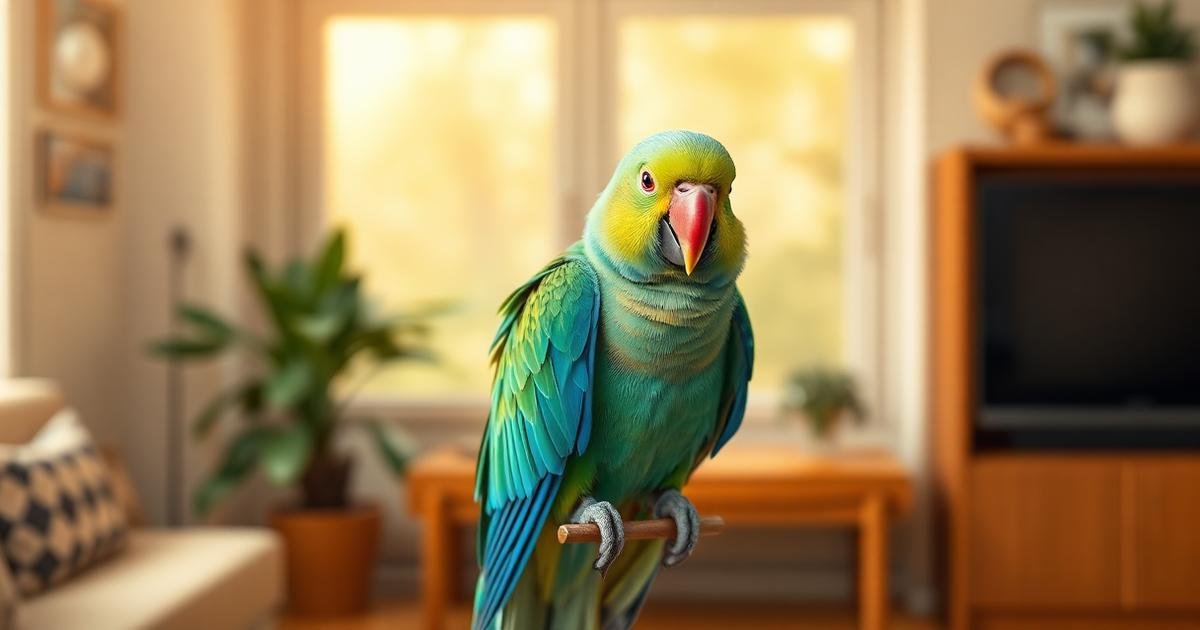
If you're considering bringing a parrot into your home, the first question on your mind is likely the best option. Parrots are not like dogs or cats—they are among the longest lived companion animals, with lifespans ranging from 15 years for smaller species to over 80 years for larger ones. The answer depends entirely on species, diet, environment, and the quality of care you provide.
How long do parrots live: Parrots live between 15 and 80+ years depending on the species. Small parrots like budgies and cockatiels typically live 15–25 years, medium parrots like conures and Senegal parrots live 25–35 years, and large parrots like macaws and African greys can live 50–80 years with proper care. Your single m
Quick Answer: how long do parrots live?
Parrots live between 15 and 80+ years depending on the species. Small parrots like budgies and cockatiels typically live 15–25 years, medium parrots like conures and Senegal parrots live 25–35 years, and large parrots like macaws and African greys can live 50–80 years with proper care. Your single most important decision for longevity is switching to a pelleted diet within 2–3 weeks of bringing your bird home.
For a complete guide on this topic, see the Pet Bird Care Guide.
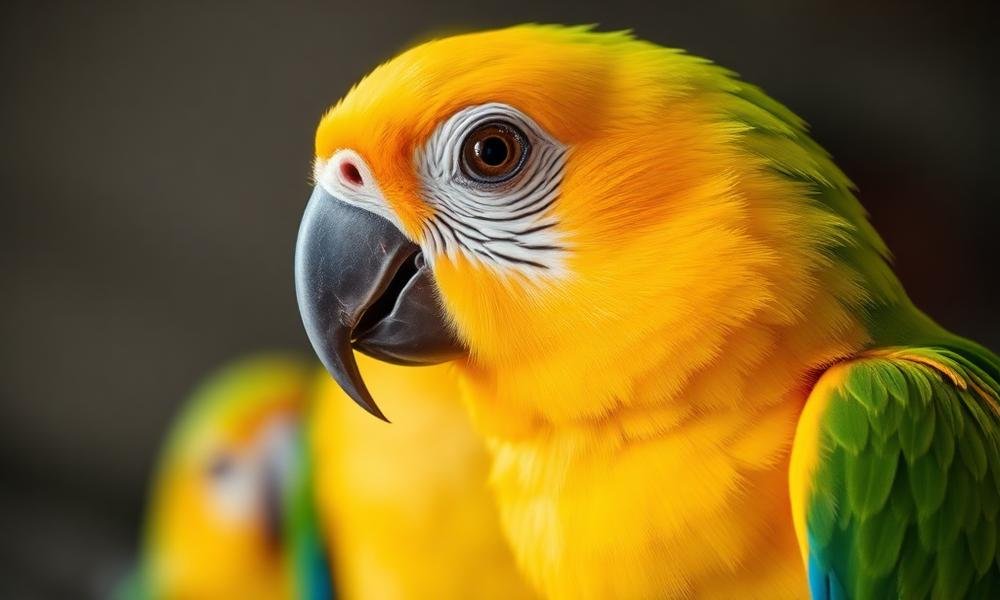
What Determines How Long a Parrot Lives?
Several factors influence parrot lifespan beyond just genetics. Your parrot's longevity is directly tied to the choices you make every day as an owner.
Species Matters Most
Species is the single biggest predictor of lifespan. Small parrots like budgies (parakeets) typically live 10–15 years, though some reach 20 with exceptional care. Cockatiels average 15–25 years. Medium parrots like conures and Senegal parrots live 25–35 years. Large parrots—macaws, African greys, cockatoos, and Amazon parrots—regularly reach 50–80 years.
Pro Tip: Before choosing a parrot, ask yourself honestly: can you commit to a pet that may outlive you? Large parrots often require a care plan that extends beyond your own lifetime. Consider adopting an older bird if you're unsure about a 50-year commitment.
Diet Quality Directly Affects Lifespan
Veterinarians at the AVMA emphasize that nutrition is the foundation of parrot health. A seed only diet dramatically shortens lifespan. Parrots fed a balanced diet of high quality pellets, fresh vegetables, fruits, and occasional nuts live significantly longer. Studies indicate that parrots on seed only diets show signs of malnutrition within 6–12 months, leading to organ failure and premature death.
Environment and Enrichment
Parrots are highly intelligent creatures. Without proper mental stimulation, they develop feather-plucking, screaming, and self mutilation behaviors that shorten lifespan. The ASPCA recommends at least 2–3 hours of daily out-of cage time for parrots, along with rotating toys and foraging opportunities. A bored parrot is a stressed parrot, and chronic stress reduces lifespan by 5–10 years on average.
Veterinary Care
Parrots hide illness extremely well—it's an evolutionary survival instinct. By the time you notice symptoms, your bird may be critically ill. Annual wellness exams with an avian veterinarian catch problems early. Blood work, fecal tests, and physical exams can add years to your parrot's life. The AVMA recommends wellness visits every 12 months for all pet birds.
How Long Do Small Parrots Live?
Small parrots are popular because they're easier to house and handle, but they still require significant commitment.
Budgies and Cockatiels
Budgies (parakeets) live 10–15 years on average, with some reaching 20. Cockatiels average 15–25 years. These birds are prone to obesity and fatty liver disease when fed all seed diets. Switching to a pellet based diet with 20–research suggests 30% fresh vegetables within 2–3 weeks can dramatically improve their health outlook.
Lovebirds and Parrotlets
Lovebirds typically live 15–25 years. Parrotlets, the smallest parrot species, live 15–20 years. Both species are energetic and need large cages relative to their size—at least 24 x 24 x 24 inches—to prevent muscle atrophy and obesity.
Pro Tip: Small parrots have fast metabolisms. They need food available at all times, not scheduled meals. Remove fresh foods after 2–3 hours to prevent spoilage, but keep pellets and water accessible 24/7.
Conures and Senegals
Green cheeked and sun conures live 20–30 years. Senegal parrots average 25–35 years. These medium small parrots are prone to vitamin A deficiency, which causes respiratory infections and shortened lifespan. Offer dark leafy greens, carrots, and sweet potatoes at least 4–5 times per week.
For more detailed species specific advice, check the Pet Bird Care Guide.
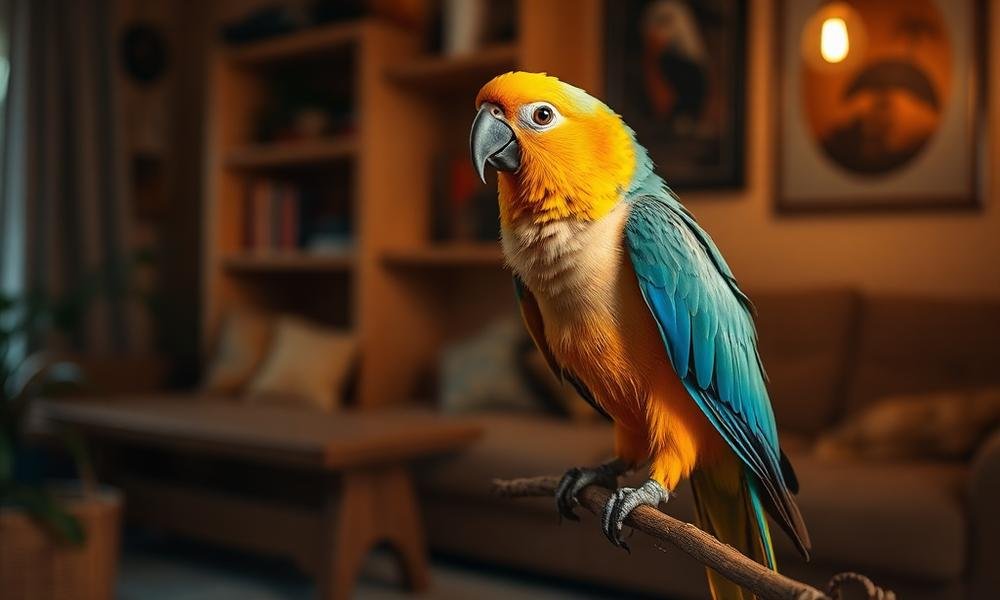
How Long Do Large Parrots Live?
Large parrots are a 50-year commitment—or longer. Understanding their true lifespan is essential before bringing one home.
Macaws
Blue-and gold macaws live 60–80 years. Scarlet macaws average 50–70 years. Hyacinth macaws, the largest parrot species, can reach 80+ years. These birds need massive cages—at least 36 x 48 x 60 inches—and daily out-of cage time of 3–4 hours minimum. Without this, they develop muscle wasting and behavioral issues that shorten their lives.
African Greys
African grey parrots live 50–70 years. They are considered the most intelligent parrot species, with cognitive abilities comparable to a 4–5 year old human child. Their intelligence comes with a price: they are prone to feather destructive behaviors when understimulated. Research suggests that African greys need at least 4–5 hours of direct interaction and enrichment daily to maintain mental health.
Cockatoos and Amazons
Umbrella and Moluccan cockatoos live 50–70 years. Amazon parrots average 50–60 years. Both species are prone to obesity and fatty tumors. The AVMA recommends limiting high fat seeds and nuts to no more than 10–research suggests 15% of total diet for these species.
Pro Tip: If you're adopting an older large parrot, ask for complete veterinary records. Many large parrots in rescues are actually middle-aged—30–40 years old—and have decades left. An older bird can be a wonderful companion if you understand their needs.
How Does Genetics Influence Parrot Lifespan Across Species?
Genetics set the ceiling for how long a parrot can live, but your care determines whether they reach it. Different parrot families have vastly different genetic programming for longevity.
The Psittacidae Family: True Parrots
This family includes Amazons, macaws, and conures. Their genetic makeup supports long lifespans, with many species living 50–80 years in captivity. Amazons are particularly hardy, with some individuals documented past 90 years. Their robust immune systems and slow aging rates give them this potential.
The Cacatuidae Family: Cockatoos
Cockatoos belong to a separate parrot family. They live 50–70 years but are genetically predisposed to behavioral disorders like feather plucking and screaming. These behaviors, if unchecked, lead to self mutilation and early death. Cockatoos need more social interaction than any other parrot type—at least 5–6 hours daily of direct attention.
The Psittaculidae Family: Old World Parrots
This group includes African greys, lovebirds, and parrotlets. African greys have the highest intelligence-to-body size ratio of any parrot, but their genetic wiring makes them prone to neurotic behaviors. They require consistent routines and mental challenges. Lovebirds and parrotlets, by contrast, have simpler genetic needs and adapt more easily to captivity.
Hybrid Parrots and Lifespan
Hybrid parrots—bred from two different species—often live shorter lives than purebred birds. Genetic incompatibilities can cause hidden health problems. A hybrid macaw, for example, may live 30–40 years rather than the 60–80 years of a purebred. Always ask your breeder about lineage before purchasing.
Pro Tip: If you're adopting a rescue parrot, you may not know the exact genetics. Ask the rescue to estimate age based on beak condition, eye ring clarity, and feather quality. These physical markers give a rough age range within 5–10 years.
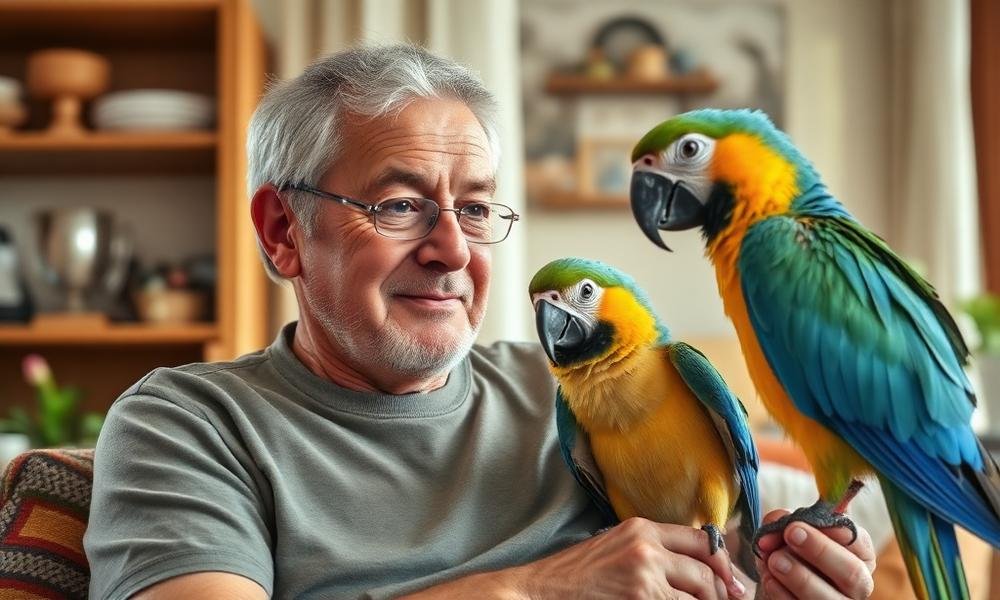
How Can You Extend Your Parrot's Lifespan?
You have more control over your parrot's lifespan than you might think. These five strategies make the biggest difference.
1. Optimize Nutrition Within 2–3 Weeks
Transition your parrot from seeds to a pelleted diet gradually. Mix research suggests 75% old food with research suggests 25% pellets for the first week, then 50/50 the second week, then 25/75. By week three, your bird should be eating mostly pellets. Offer fresh vegetables daily—dark leafy greens, bell peppers, broccoli, and carrots provide essential vitamins.
2. Provide At Least 45 Minutes of Daily Flight Time
Flight is natural exercise for parrots. If you can't allow free flight in a safe room, provide a flight cage at least 4 feet long. Wing clipping reduces exercise and contributes to obesity, heart disease, and shortened lifespan.
3. Create a Consistent Sleep Schedule
Parrots need 10–12 hours of uninterrupted sleep in complete darkness. Cover the cage with a breathable fabric at the same time every night. Inconsistent sleep patterns cause hormonal imbalances, feather plucking, and aggression—all of which shorten lifespan.
4. Eliminate Household Toxins
Parrots have extremely sensitive respiratory systems. Non stick cookware (Teflon), scented candles, air fresheners, cigarette smoke, and cleaning fumes can kill a parrot within minutes. Use only stainless steel or cast iron cookware, and keep your home fragrance-free.
5. Schedule Annual Avian Vet Visits
Find an avian veterinarian before you need one. The Association of Avian Veterinarians recommends annual wellness exams including blood work and fecal testing. These visits catch diseases like psittacosis, aspergillosis, and fatty liver disease early, when they're treatable.
Pro Tip: Weigh your parrot weekly on a kitchen scale. A research suggests 10% weight change is the earliest sign of illness—often visible weeks before any behavioral symptoms appear. Keep a log and share it with your vet.
What Shortens a Parrot's Lifespan Most?
Understanding what kills parrots prematurely helps you avoid those pitfalls. Here are the top causes of early death in pet parrots.
| Cause | Impact on Lifespan | Prevention |
|---|---|---|
| Seed only diet | Shortens life by 30–research suggests 50% | Transition to pellets within 2–3 weeks |
| Lack of veterinary care | Missed diseases reduce lifespan by 10–20 years | Annual avian vet visits |
| Household toxins | Sudden death within minutes | Eliminate Teflon, candles, scents |
| Insufficient sleep | Hormonal issues, shortened life by 5–10 years | 10–12 hours dark sleep nightly |
| Lack of enrichment | Behavioral destruction, early death | 2–3 hours daily interaction, rotating toys |
These five factors account for the majority of premature parrot deaths. Address them, and your parrot will likely reach—or exceed—its species' maximum lifespan.
How Do You Plan for a Parrot That May Outlive You?
This is the hardest question for any parrot owner. Large parrots can live 50–80 years, which means they often outlive their first owner. Planning ahead protects your bird from ending up in a shelter.
Create a Legal Care Plan
Write a will that names a specific person to take your parrot if you die or become incapacitated. Include a trust fund for the bird's care—at least $5,000–$10,000 for large parrots. Without this, your bird may end up in a rescue or euthanized.
Choose a Successor Caregiver
Select someone who already knows your parrot and understands parrot care. Introduce them gradually over 6–12 months. Leave detailed written instructions for diet, vet contacts, daily routine, and favorite toys. The ASPCA recommends establishing a pet care trust for long lived animals.
Consider Adoption Over Buying a Baby
Adopting an older parrot—say, a 30-year old macaw—gives you a wonderful companion without the full 50-year commitment. Many rescues have healthy, well adjusted birds in their prime. You give a second chance to a bird that needs one while avoiding the ethical burden of outliving your pet.
Pro Tip: Join a local parrot rescue or sanctuary as a volunteer before committing to ownership. You'll learn firsthand about the commitment, see birds of all ages, and often find your perfect match among the adoptable birds.
Ready to give your parrot the longest, healthiest life possible?
Browse Bird Care Options →
Frequently Asked Questions
the right choice in captivity compared to the wild?
Parrots in captivity typically live 2–3 times longer than wild parrots. Wild parrots face predators, disease, food scarcity, and environmental hazards that reduce average lifespan to 10–20 years for most species. Captive parrots with proper care routinely reach 30–80 years depending on species.
a strong pick as pets in homes?
Pet parrots live 15–80 years depending on species and care quality. Budgies average 10–15 years, cockatiels 15–25 years, conures 20–30 years, and large macaws 50–80 years. The most common reason pet parrots die early is poor diet—specifically, an all seed diet that causes fatty liver disease.
a reliable option with proper care?
With optimal care—pellet based diet, daily flight time, annual vet visits, 10–12 hours of sleep, and enrichment—parrots reach the upper end of their species' lifespan range. Small parrots can live 20–25 years, medium parrots 30–35 years, and large parrots 70–80 years.
the best option on a seed only diet?
Parrots on a seed only diet typically die 10–20 years prematurely. Seeds are high in fat and low in essential vitamins, leading to obesity, fatty liver disease, vitamin A deficiency, and calcium deficiency. Most seed only parrots die between ages 5–15, regardless of species.
a good choice in the wild?
Wild parrots live 10–20 years on average. Predation, disease, food shortages, and habitat loss keep wild populations young. The oldest wild parrot ever documented was a 35-year old Amazon parrot, but most die much younger. Captive care removes these threats, allowing parrots to reach their full genetic potential.
the right choice by species?
Budgies: 10–15 years. Cockatiels: 15–25 years. Lovebirds: 15–25 years. Conures: 20–30 years. Senegal parrots: 25–35 years. African greys: 50–70 years. Amazon parrots: 50–60 years. Cockatoos: 50–70 years. Macaws: 50–80 years. These ranges assume proper care; poor care shortens them significantly.
a strong pick if they have health problems?
Parrots with chronic health conditions like aspergillosis, psittacosis, or fatty liver disease may live 5–15 years less than healthy birds. Early detection through annual vet visits is critical. Many diseases are treatable if caught within 2–4 weeks of onset, but become fatal if ignored.
a reliable option in a rescue or sanctuary?
Parrots in well run rescues and sanctuaries often live as long as those in private homes—provided they receive proper diet, vet care, and enrichment. Some rescues specialize in geriatric birds and can extend lifespans by 5–10 years through targeted medical care and reduced stress.