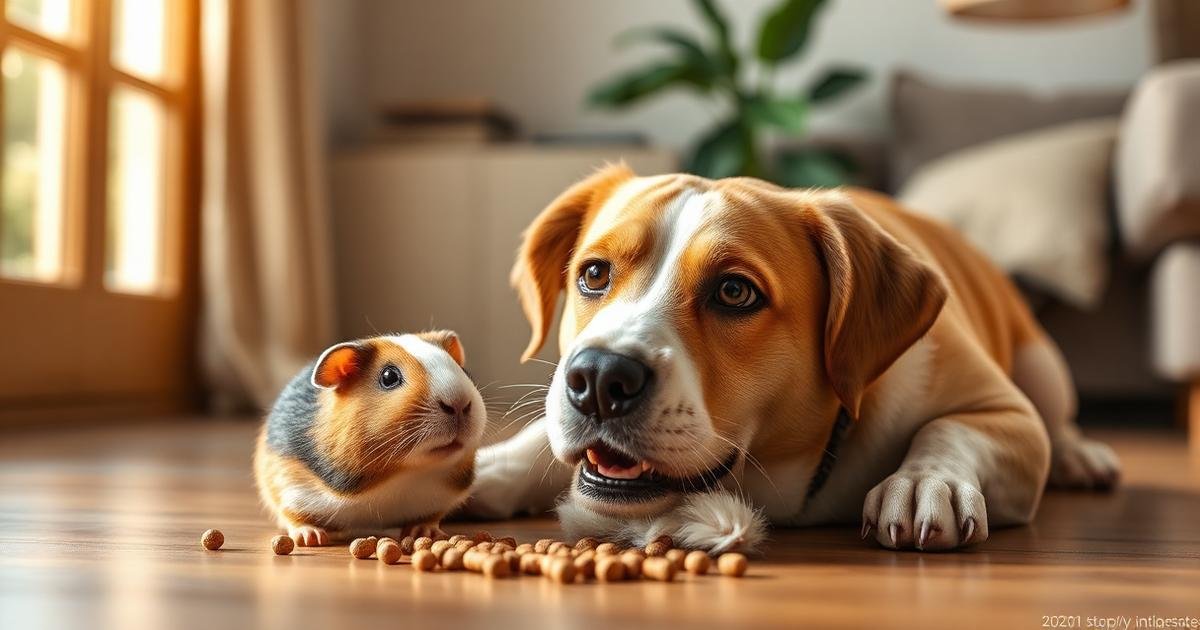
You've noticed your guinea-pig-care-guide/">guinea-pig-food/">guinea-pig-cage/">guinea pig pushing their pellet bowl aside or leaving it full. It's worrying — pellets are a cornerstone of their nutrition. You're not alone; this is one of the most common concerns small pet owners face. guinea pig not eating pellets is one of the most important decision points for long term daily fit.
Guinea pig not eating pellets: Your guinea pig stops eating pellets due to dental overgrowth, gastrointestinal stasis, selective feeding (preferring veggies or hay), stress from a new environment, or an underlying illness like a respiratory infection or vitamin C deficiency. Never force-feed pellets until you've ruled out pain or
If your guinea pig isn't eating pellets, it's usually a sign of dental pain, digestive upset, stress, or simply that they've filled up on other foods. The fix starts with ruling out health issues first, then adjusting their diet and environment. Here's exactly how to diagnose and solve the problem step by step.
Quick Answer: Why is my guinea pig not eating pellets?
Your guinea pig stops eating pellets due to dental overgrowth, gastrointestinal stasis, selective feeding (preferring veggies or hay), stress from a new environment, or an underlying illness like a respiratory infection or vitamin C deficiency. Never force feed pellets until you've ruled out pain or gut issues — that can make things worse. Start by checking their teeth and droppings.
This guinea pig not eating pellets decision works best when the owner compares daily fit, tolerance, and practical consistency together.
For a complete guide on this topic, see the Small Pet Care Guide.
For many homes, the right guinea pig not eating pellets choice is the one that stays reliable under ordinary daily conditions.
Why Your Guinea Pig Stops Eating Pellets
It feels personal when your guinea pig turns their nose up at food you carefully chose. But it's not pickiness — it's usually a physical or environmental signal. Here are the most common root causes.
Dental Overgrowth and Pain
Guinea pig teeth grow continuously — about 2–3 mm per week. If they don't wear down evenly, sharp points (spurs) form on the molars, cutting into the cheeks and tongue. Eating pellets, which require chewing, becomes painful. You might see drooling, dropping food, or weight loss.
Gastrointestinal Stasis (GI Stasis)
This is a medical emergency. When a guinea pig stops eating for even 12 hours, their gut motility slows or stops. Gas builds up, causing severe pain. They'll refuse all food, including pellets. Signs include a bloated belly, small or no droppings, and teeth grinding. According to
Selective Feeding and Food Preferences
Guinea pigs are smart. If you offer unlimited fresh veggies or particularly tasty hay, they may fill up on those and ignore pellets. This is common when you introduce new treats. Pellets should make up about 1/8 cup per day per adult pig — not the main course, but a critical source of vitamin C.
Stress and Environmental Changes
Guinea pigs are prey animals. A new cage location, loud noises, a new pet in the home, or even a change in your schedule can stress them into refusing food. They may hide more and eat less. This usually resolves within 2–3 days once they feel safe again.
Vitamin C Deficiency (Scurvy)
Guinea pigs, like humans, cannot produce their own vitamin C. Without enough from pellets or supplements, they develop scurvy. Symptoms include lethargy, reluctance to move, swollen joints, and loss of appetite. Pellets are the most reliable source of stabilized vitamin C — if they stop eating them, deficiency can develop in 1–2 weeks.
Illness or Infection
Respiratory infections, urinary tract issues, or even a simple ear infection can suppress appetite. Watch for discharge from eyes or nose, hunched posture, or labored breathing. Any illness requires a vet visit, especially if combined with guinea pig not eating pellets for more than 24 hours.
Root Cause Decision Tree
Match your guinea pig's specific behavior to find the fastest fix:
| What you observe | Likely root cause | First fix to try |
|---|---|---|
| Dropping pellets from mouth, drooling, chewing on one side | Dental spurs or overgrown molars | Vet check for teeth trimming; offer soft hay and critical care formula |
| No droppings for 6–12 hours, bloated belly, hunched posture | GI stasis | Emergency vet immediately; syringe feed water and critical care |
| Eating hay and veggies normally, ignoring pellets | Selective feeding or overfeeding treats | Reduce veggies to 1 cup per day; stop all treats for 1 week |
| New environment, recent move, or new pet introduced | Stress | Provide hiding spots, maintain quiet, cover cage partially for 2–3 days |
| Lethargic, hunched, not moving much, eating very little of anything | Vitamin C deficiency or illness | Vet check; offer vitamin C supplement (100 mg daily) after vet approval |
| Only stops eating pellets at night, fine during day | Temperature drop or draft | Check cage temperature stays 65–75°F; move away from windows or vents |
When This Is NOT Just Behavior — Health Red Flags
Sudden refusal of pellets in an adult guinea pig is always a red flag. Unlike puppies or kittens who might be picky, guinea pigs rarely refuse food without a physical reason.
Call your vet immediately if you see any of these signs:
- No droppings for 12 hours or more
- Grinding teeth (bruxism) — a sign of pain
- Weight loss of more than 50 grams in one week
- Discharge from eyes or nose, or labored breathing
- Hunched posture with fur standing up (piloerection)
- Limping or reluctance to move
According to the
Pro Tip: Weigh your guinea pig weekly. A drop of 50–100 grams is often the first sign of trouble, appearing days before they stop eating pellets entirely.
Enrichment Protocol to Restore Normal Eating
Once health issues are ruled out, use this protocol to rebuild healthy eating habits within 1–2 weeks. Consistency matters more than intensity.
- Physical exercise: Provide at least 2 hours of supervised floor time daily in a safe, enclosed area. Movement stimulates gut motility and appetite.
- Mental stimulation: Hide pellets inside toilet paper rolls or scatter them in hay. Use puzzle feeders designed for small pets. This mimics foraging behavior and makes eating fun again.
- Chew outlet: Offer apple branches, willow balls, or untreated wooden chews. Chewing wears down teeth naturally and reduces dental pain risk.
- Training session: Spend 5–10 minutes daily hand feeding a single pellet at a time. This rebuilds trust and encourages interest in pellets specifically.
- Social interaction: If your guinea pig lives alone, consider a bonded companion (same sex, neutered). Loneliness can suppress appetite in social prey animals.
Pro Tip: Warm pellets slightly (10 seconds in microwave, then cool to room temp) to release aroma. Guinea pigs rely heavily on smell — warm food is more enticing.
How to Check Your Guinea Pig's Teeth at Home
You can't fully diagnose dental disease without a vet, but you can spot early warning signs. Checking your guinea pig's teeth weekly catches problems before they stop eating completely.
What to look for: Sit your guinea pig on a flat surface facing you. Gently lift their lips to check the front incisors. They should be straight, even, and pale yellow-orange. White or discolored incisors suggest poor nutrition or illness. Next, feel along the jawline — any lumps, swelling, or resistance when you palpate means a vet visit.
The wet chin test: If you notice a damp chin or chest, that's drool. Healthy guinea pigs don't drool. Wet fur around the mouth almost always means dental spurs. The
Pro Tip: Offer a small piece of cucumber daily. A guinea pig with dental pain will avoid the crunchy skin but might eat the soft center. This is an easy at home test to catch early issues.
What to Do While Waiting for the Vet
You've spotted the signs and booked a vet appointment. The next 24–48 hours are critical. Your guinea pig needs nutrition and hydration to survive until treatment.
Syringe Feeding Critical Care
Buy a recovery food formula like Oxbow Critical Care from a pet store or online. Mix with warm water to a thin pancake batter consistency. Use a 1 ml or 3 ml syringe (no needle). Insert the tip from the side of the mouth, behind the front teeth. Give 0.5–1 ml per feeding, slowly, every 2–3 hours. Never shoot the syringe straight back — that causes aspiration.
Hydration First
Dehydration kills faster than starvation in guinea pigs. If they're not drinking, syringe feed water — 5–10 ml per 1 kg of body weight daily. Check their water bottle is working and not blocked. Offer a shallow bowl of water as well; some pigs prefer it.
Keep Hay Available
Even if they refuse pellets, keep unlimited timothy hay in the cage. The fiber and chewing motion stimulate gut motility. Soak hay in warm water to soften it if dental pain is suspected. Some guinea pigs will eat softened hay even when they reject dry pellets.
Reduce Stress
Cover three sides of the cage with a towel. Keep the room quiet and dim. Avoid handling unless necessary for feeding. Stress suppresses the immune system and slows recovery. Let them rest as much as possible.
Pro Tip: Set a timer for every 2 hours overnight. Guinea pigs deteriorate fast — a 6-hour gap in feeding can push them into irreversible GI stasis. Rotate shifts with a family member if possible.
Product Buying Criteria for Pellets
If your guinea pig is healthy but still refuses pellets, the problem may be the pellets themselves. Not all brands are equal. Here's what to look for when choosing or switching.
- Vitamin C content: Look for stabilized vitamin C (ascorbic acid or calcium ascorbate). Pellets should provide 100–200 mg per kg. Avoid brands that list "vitamin C" without specifying stabilization — it degrades quickly.
- No seeds, nuts, or dried fruit: These are choking hazards and cause selective feeding. Plain, uniform pellets are best.
- High fiber: Minimum research suggests 18% crude fiber. Fiber supports dental wear and gut health.
- Low calcium: Under research suggests 1% calcium for adult guinea pigs to prevent bladder stones.
- Freshness date: Check the expiration date. Pellets older than 3 months lose vitamin C potency.
Pro Tip: Never buy bulk pellets from open bins. Vitamin C degrades with exposure to light and air. Always choose sealed, opaque bags with a clear manufacturing date.
Troubleshooting Matrix
Use this table to match your guinea pig's exact pattern to the right solution:
| Behavior pattern | Likely cause | What to do |
|---|---|---|
| Stopped eating pellets suddenly, but still eats hay and drinks water | Selective feeding or pellet brand change | Return to previous brand; reduce veggies by half for 3 days. Offer pellets first thing in morning. |
| Stopped eating all food, including hay and water | GI stasis or serious illness | Emergency vet immediately. Syringe feed water and critical care every 2 hours until seen. |
| Only eats pellets if hand-fed, ignores bowl | Stress or dental discomfort | Check teeth at vet. Use shallow, wide bowl. Hand feed for 3 days to rebuild trust. |
| Eats pellets slowly, drops them, makes clicking sounds | Dental spurs or overgrown molars | Vet for molar trimming within 48 hours. Offer soft hay and critical care in meantime. |
| Refuses pellets after introducing new hay or treats | Overindulgence in preferred foods | Remove all treats and extra hay types for 1 week. Offer only timothy hay and plain pellets. |
| Stops eating pellets during hot weather | Heat stress or dehydration | Move cage to cool area (65–75°F). Offer cucumber or watermelon (no seeds) for hydration. Check water bottle works. |
| Young guinea pig (under 6 months) refuses pellets | Transition to solid food or dental issue | Offer alfalfa based pellets (higher calcium for growth). Soak pellets in warm water to soften. Vet check if persists over 24 hours. |
How to Transition Your Guinea Pig to New Pellets
Switching brands abruptly can cause more food refusal. Guinea pigs are creatures of habit — sudden changes stress them and upset their digestion. Follow this 7-day transition plan for a smooth switch.
Days 1–2: Mix research suggests 75% old pellets with research suggests 25% new pellets. Serve at the usual time. Don't change the bowl location. If they pick around the new pellets, crush them slightly to mix the textures.
Days 3–4: Go 50-50. Watch for any change in droppings. Loose stool means the new pellets are too rich or high in sugar. If that happens, go back to 75-25 for 3 more days before trying again.
Days 5–6: Shift to research suggests 25% old, research suggests 75% new. By now, most guinea pigs accept the change. If they still refuse, the new pellets may taste bad or have a different shape they dislike.
Day 7: Offer research suggests 100% new pellets. If they eat normally, you're done. If not, return to the previous brand and try a different new brand. Some guinea pigs are simply picky about texture — a uniform pellet shape works best.
Pro Tip: Store both old and new pellets in airtight containers with the original bag inside. This preserves vitamin C and prevents odor transfer. Never mix pellets in the same container — cross contamination can cause selective feeding.
Get your guinea pig back to healthy eating with the right pellets and enrichment tools
Browse Small Pet Options →
For broader reference and guidance, akc.org provides useful context on pet health and care decisions.
For broader reference and guidance, petmd.com provides useful context on pet health and care decisions.
Frequently Asked Questions
My guinea pig only stops eating pellets at night — why?
Guinea pigs are crepuscular, most active at dawn and dusk. If they refuse pellets at night, check the temperature — a drop below 60°F can suppress appetite. Also ensure the bowl is clean and pellets aren't stale from sitting all day. Offer fresh pellets at dusk instead of morning.
Will this stop on its own as they get older?
No. Refusing pellets is not a phase guinea pigs grow out of. Dental problems worsen with age, and selective feeding becomes a habit. If the root cause isn't addressed, it leads to malnutrition, vitamin C deficiency, and weight loss. Always investigate rather than wait.
Is this a sign of separation anxiety?
Guinea pigs are social but don't experience separation anxiety like dogs. However, a guinea pig living alone may become depressed and lose appetite. If your pig is solo, consider a bonded companion. Otherwise, focus on dental, digestive, and environmental causes first.
How long until I see improvement after changing their diet?
If the cause is selective feeding, you'll see improvement within 2–3 days of removing treats and reducing veggies. For dental issues, improvement comes within 24 hours of a vet trimming. For GI stasis, improvement takes 3–5 days with medication and syringe feeding.
Should I punish or force feed my guinea pig for not eating pellets?
Never punish or force feed a guinea pig that refuses food. Force feeding can cause aspiration pneumonia or worsen GI stasis. Instead, offer critical care formula via syringe only if a vet instructs you. Punishment increases stress and makes refusal worse.
My guinea pig only refuses pellets that contain vitamin C — why?
Some guinea pigs dislike the taste of stabilized vitamin C (calcium ascorbate). Try a different brand with a different form (ascorbic acid). You can also supplement vitamin C separately via liquid drops or fresh veggies like bell peppers (1–2 slices daily).
Can I mix pellets with water or baby food to make them eat?
Yes, but only temporarily. Soaking pellets in warm water softens them for dental pain. Mixing with plain vegetable baby food (no onion, garlic, or salt) can entice selective eaters. Do this for no more than 5 days — they need dry pellets for dental wear long-term.
How many pellets should a guinea pig eat daily?
Adult guinea pigs need about 1/8 cup (roughly 2 tablespoons) of pellets per day. Pregnant or nursing sows need double that. Young guinea pigs under 6 months need unlimited alfalfa based pellets. Overfeeding pellets causes selective feeding and obesity — measure every portion.