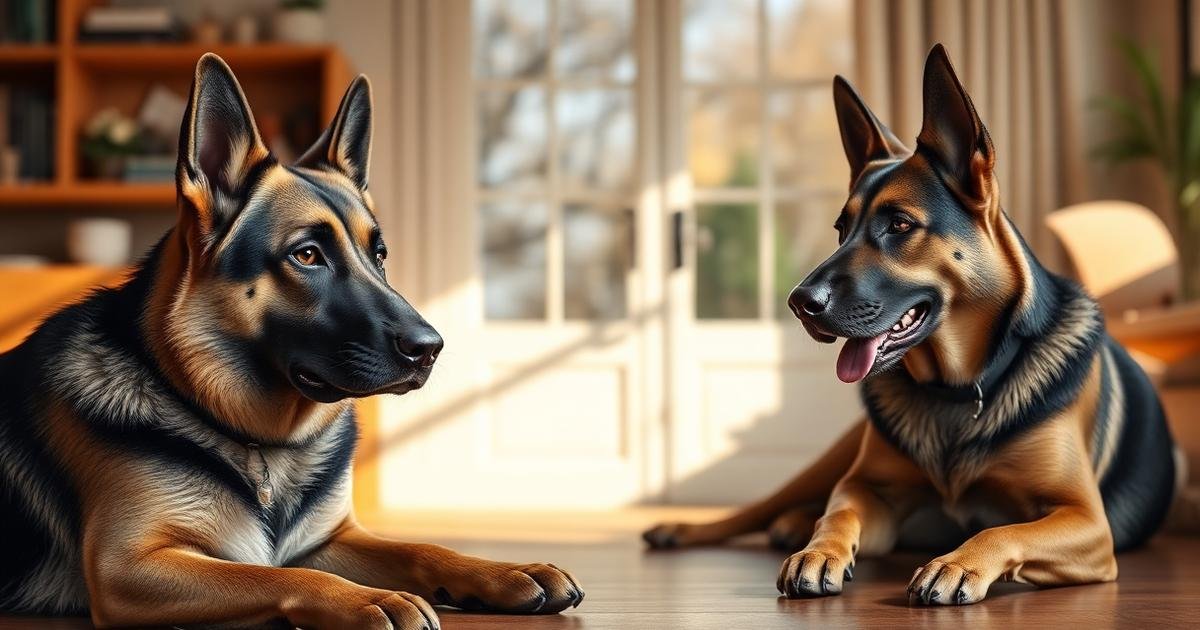
Choosing between a German Shepherd and a Belgian Malinois is one of the most significant decisions a potential dog owner can make. Both breeds are exceptionally intelligent, athletic, and loyal, but they have vastly different energy levels, temperaments, and care requirements. If you are considering a German Shepherd vs Belgian Malinois, the core difference is this: the German Shepherd is a versatile, steady working family protector, while the Belgian Malinois is a high-octane, driven working dog best suited for experienced handlers and active lifestyles.
German shepherd vs Belgian Malinois: Choose a German Shepherd if you want a loyal, trainable family guardian with moderate exercise needs (45-60 minutes daily) and a calmer off-switch. Choose a Belgian Malinois only if you have extensive dog experience, can provide 90+ minutes of intense daily exercise, and need a high-drive working pa
Quick Answer: Which breed is better for me, a German Shepherd or a Belgian Malinois?
Choose a German Shepherd if you want a loyal, trainable family guardian with moderate exercise needs (45-60 minutes daily) and a calmer off-switch. Choose a Belgian Malinois only if you have extensive dog experience, can provide 90+ minutes of intense daily exercise, and need a high drive working partner for sports or protection work. The Malinois demands far more time, structure, and mental stimulation than most owners can provide.
For a complete guide on this topic, see the Complete Dog Breed Guide.
This German shepherd vs Belgian Malinois decision works best when the owner compares daily fit, tolerance, and practical consistency together.
What are the key physical differences between a German Shepherd and a Belgian Malinois?
At first glance, these breeds look similar, but their builds tell different stories. The German Shepherd is larger and more substantial, standing 22-26 inches tall and weighing 50-90 pounds. They have a sloping back, a deeper chest, and a more robust, powerful frame built for endurance trotting.
For many homes, the right German shepherd vs Belgian Malinois choice is the one that stays reliable under ordinary daily conditions.
The Belgian Malinois is noticeably lighter and more agile. They stand 22-26 inches tall but weigh only 40-80 pounds, with a square, balanced profile and a more cat-like, athletic build. Their coat is shorter and denser than a German Shepherd's, requiring less grooming but offering less weather protection.
A well matched German shepherd vs Belgian Malinois option should support the pet clearly without making the routine harder to maintain.
Color is a clear differentiator. German Shepherds commonly come in black and tan, sable, or all black. Belgian Malinois are almost exclusively fawn to mahogany with a black mask and ears — this is so consistent that it's a breed standard requirement according to the AKC breed standards.
Look at their movement too. A German Shepherd moves with a smooth, ground covering trot designed for herding over long distances. The Malinois moves with explosive, springy energy — more like a sprinter than a marathon runner. These physical differences reflect their original breeding purposes.
Pro Tip: When evaluating puppies, look at the parents' structure. A Malinois should look like it could run all day. A German Shepherd should look like it could work all day. If a Malinois looks heavy or a German Shepherd looks delicate, reconsider the breeder.
How do their temperaments and energy levels compare?
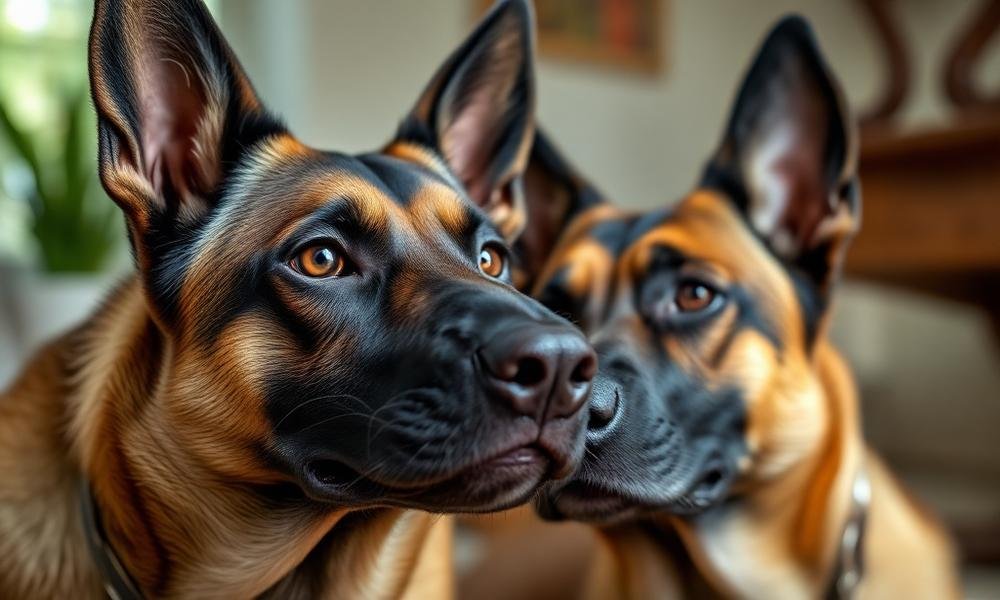
This is where the German Shepherd vs Belgian Malinois decision becomes critical. German Shepherds are confident, courageous, and steady. They bond deeply with their family and are naturally protective without being hyper-vigilant. They have an "off switch" — after a good walk or training session, they are content to lie at your feet.
Belgian Malinois are a different animal entirely. They are intensely driven, constantly alert, and need a job every single day. The ASPCA describes them as "high-energy, high drive dogs that thrive on activity." Without structured work, they can develop severe anxiety, destructive behaviors, and even aggression. They do not have a natural off-switch — you must teach them to settle.
Think of it this way: a German Shepherd is a reliable pickup truck. A Belgian Malinois is a Formula 1 race car. Both are excellent machines, but you wouldn't use a race car for grocery runs. The Malinois's intensity is too much for most families.
One often overlooked difference is sensitivity. German Shepherds are more forgiving of handler mistakes. If you give a wrong cue or miss a training session, they bounce back quickly. Malinois are incredibly sensitive to inconsistencies. A single mixed signal can create confusion that takes weeks to undo. This makes them far less forgiving for novice owners.
What training and exercise requirements do each breed have?
Both breeds are brilliant and eager to please, but their training needs differ significantly. A German Shepherd needs at least 45-60 minutes of exercise daily, plus basic obedience and ongoing socialization. They excel at agility, tracking, and protection sports, but they are also happy with a long hike and some fetch. According to ASPCA training resources, German Shepherds respond best to consistent, positive reinforcement methods.
A Belgian Malinois requires a minimum of 90 minutes of intense physical activity every single day. This isn't a leisurely walk — they need running, jumping, fetching, or structured training like bite work, agility, or scent detection. Without this output, they become destructive and difficult to manage within 2-3 weeks.
Mental stimulation is equally demanding for Malinois. You must provide puzzle toys, training sessions, or sport practice daily. A bored Malinois is a dangerous Malinois. German Shepherds also need mental work but are more forgiving if you miss a day.
Training methodology differs too. German Shepherds thrive on praise and play as rewards. Malinois often require a more structured approach with clear rules, consequences, and high value rewards like a tug toy or ball. They can become obsessive about their rewards, which is useful for sports but exhausting for casual owners.
Pro Tip: Before committing to a Malinois, try this test: can you commit to 90 minutes of vigorous exercise before work every day, plus another 30-60 minutes after work? If the answer is no, choose the German Shepherd. Your lifestyle will thank you.
How do their socialization needs differ in practice?
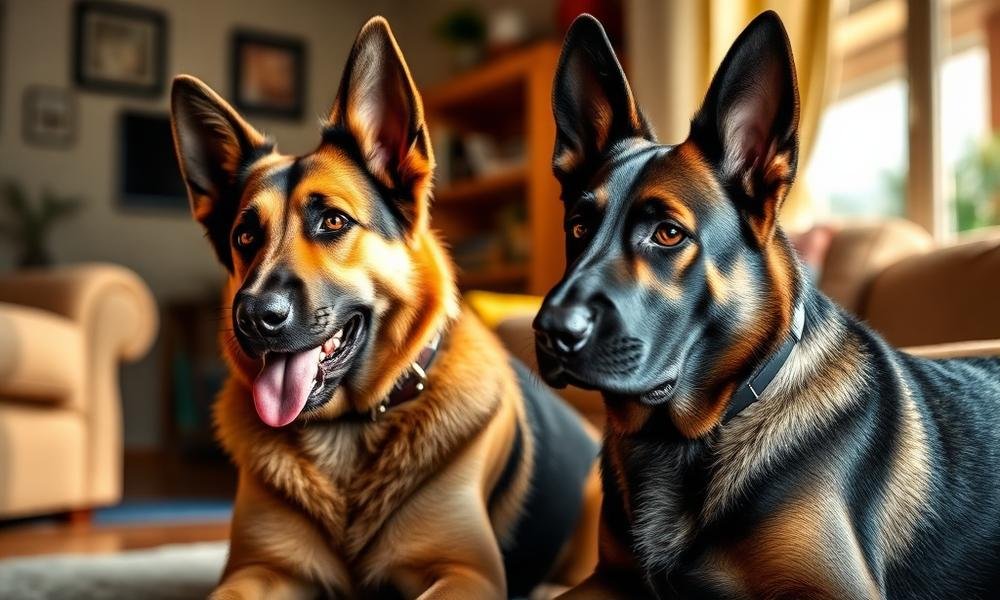
Socialization is critical for both breeds, but the approach differs. German Shepherds need exposure to new people, places, and situations to prevent fear based reactivity. Start socialization from 8 weeks old and continue through the first 18 months. Focus on neutral, calm introductions rather than overwhelming excitement.
Belgian Malinois require a different kind of socialization. They need to learn that not every person or dog is a potential threat or playmate. Without this training, they can become reactive or overly suspicious. The AVMA pet owner resources recommend structured, controlled exposures for Malinois to prevent them from developing obsessive behaviors.
For both breeds, socialization should include car rides, vet visits, grooming, different surfaces, and various sounds. German Shepherds typically handle these experiences with steady confidence. Malinois may become hyper focused or anxious if pushed too fast. Go slower with a Malinois — it's better to under socialize than to overwhelm them and create lifelong fears.
One practical difference: you can take a well socialized German Shepherd to a crowded farmers market and enjoy a relaxed outing. Taking a Malinois to the same setting requires constant management, training exercises, and vigilance. This isn't a judgment — it's a reality of their different wiring.
Ready to find the perfect gear for your high energy dog? From durable toys to training tools, we have everything you need.
Browse Dog Products →
How do health and lifespan compare between these breeds?
Both breeds are generally healthy but have different common issues. German Shepherds are prone to hip and elbow dysplasia, degenerative myelopathy, bloat, and certain skin conditions. Their average lifespan is 9-13 years. The PetMD condition guides note that German Shepherds are particularly susceptible to exocrine pancreatic insufficiency and perianal fistulas.
Belgian Malinois are generally healthier with fewer genetic problems, but they suffer from hip dysplasia, progressive retinal atrophy, and epilepsy. Their average lifespan is 14-16 years — notably longer than the German Shepherd. However, their high energy lifestyle can lead to orthopedic injuries like cruciate ligament tears or stress fractures.
Veterinarians generally recommend hip and elbow screening for both breeds before breeding. For German Shepherds, additional testing for degenerative myelopathy is wise. For Malinois, eye exams and thyroid testing are important. Both breeds benefit from a high quality diet and maintaining a lean body condition to reduce joint stress.
Watch for weight gain in German Shepherds. They are prone to becoming overweight if under-exercised, which worsens joint problems. Malinois rarely get fat — they burn everything they eat. But they can become underweight if their nutrition doesn't match their activity level. Feed a performance diet for working Malinois.
Which breed is better for families with children or other pets?
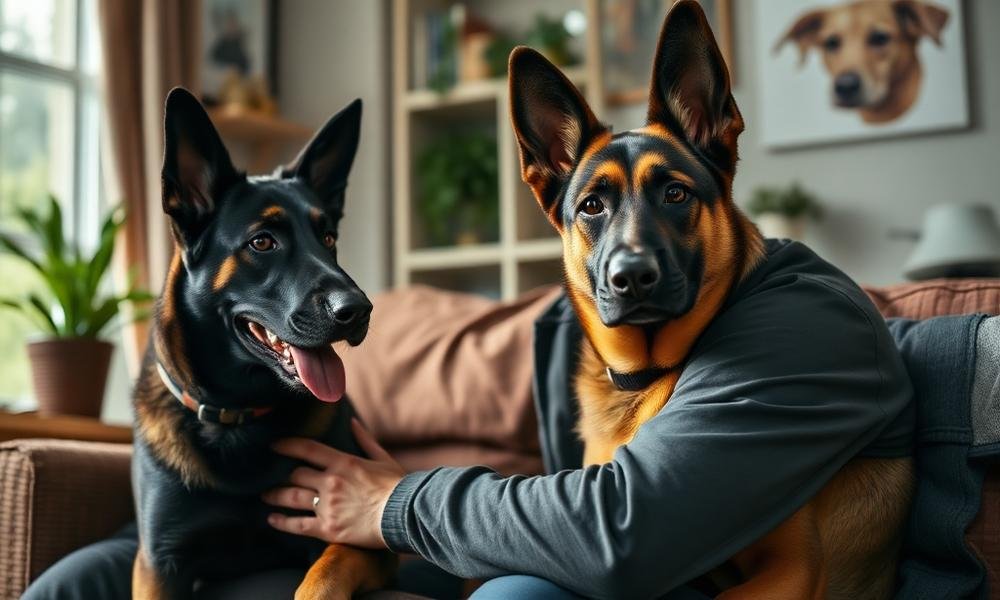
German Shepherds are typically excellent with children when properly socialized. They are patient, protective, and gentle with their family's kids. They generally get along well with other dogs and pets if raised together. Their steady temperament makes them a more predictable choice for families.
Belgian Malinois can be good with older children who understand dog behavior, but they are not ideal for homes with toddlers. Their high prey drive can cause them to chase small children or other pets. The AVMA pet owner resources caution that Malinois may be too intense for households with multiple pets or very young children.
If you have other dogs, consider the energy match. A Malinois may overwhelm a low energy dog. German Shepherds are more adaptable to different canine personalities. For first time dog owners with families, the German Shepherd is overwhelmingly the safer, more appropriate choice.
Consider the noise factor too. German Shepherds bark with purpose — to alert you to something. Malinois can become habitual barkers if under-stimulated. If you have neighbors close by, a barking Malinois can create serious tension. This is rarely an issue with a properly exercised German Shepherd.
What should I look for when buying a German Shepherd or Belgian Malinois puppy?
For either breed, find a responsible breeder who performs health testing on both parents. For German Shepherds, look for OFA or PennHIP hip and elbow scores, plus DNA testing for degenerative myelopathy. For Malinois, require hip and elbow scores, eye exams, and thyroid testing.
Meet both parents if possible. The mother should be calm, confident, and friendly — not fearful or aggressive. Puppies should be raised in a home environment, not a kennel, and should be exposed to household noises, surfaces, and gentle handling from 3-8 weeks old.
Be wary of breeders who emphasize "working line" or "protection trained" without discussing the challenges. A good breeder will ask about your experience level, living situation, and daily schedule. They may even discourage you from getting a Malinois if you're not prepared. This is a green flag.
Ask about the puppy's temperament. For German Shepherds, look for a balanced puppy that approaches you with confidence but settles when held. For Malinois, look for a puppy that is curious but not manic — a puppy that can focus on you for a few seconds is better than one bouncing off the walls. A Malinois puppy that seems "calm" at 8 weeks may actually be a better choice than the most energetic one in the litter.
| Factor | Choose German Shepherd if... | Choose Belgian Malinois if... |
|---|---|---|
| Experience level | First time or intermediate owner | Experienced handler only |
| Daily exercise | 45-60 minutes | 90+ minutes intense exercise |
| Family with kids | Excellent choice | Older children only |
| Living space | House with yard preferred | House with large yard required |
| Grooming needs | Moderate (brush 2-3x/week) | Low (brush 1x/week) |
| Off-switch | Yes, naturally calmer | Must be taught |
| Working drive | Moderate to high | Extremely high |
What does daily life look like with each breed?
Daily life with a German Shepherd follows a predictable rhythm. Morning walk or training session for 30-45 minutes, followed by breakfast and a calm morning while you work. Midday potty break if possible. Afternoon walk or play session for 20-30 minutes. Evening training or enrichment activity for 15-20 minutes. Your German Shepherd will settle on the couch with you in the evening.
Daily life with a Belgian Malinois is far more demanding. Wake up 60-90 minutes earlier than you normally would for intense exercise — running, fetch, or structured training. The Malinois needs this before you leave for work. Midday dog walker or daycare is almost mandatory for most owners. Evening requires another 60-90 minutes of intense activity. Your evenings will revolve around your dog's needs, not the other way around.
Vacations differ too. A German Shepherd can stay with a pet sitter or at a boarding facility with minimal issues. A Malinois needs a handler who understands the breed. Many boarding facilities refuse Malinois because of their intensity and drive. You may need specialized boarding or a breed experienced pet sitter, which costs significantly more.
Consider your work schedule honestly. If you work 9-5 and commute, a German Shepherd is manageable with a midday break. A Malinois in the same situation will likely develop destructive behaviors within 2-4 weeks. This is not the dog's fault — it's a mismatch between the breed's needs and your availability.
Frequently Asked Questions
Is a Belgian Malinois stronger than a German Shepherd?
In terms of bite force, the German Shepherd has a stronger bite (approximately 238 PSI) compared to the Belgian Malinois (approximately 195 PSI). However, the Malinois is more explosive and agile, making it faster and more tenacious in protection work. Strength isn't just about power — it's about how that power is applied.
Which breed sheds more, German Shepherd or Belgian Malinois?
German Shepherds shed significantly more. They have a double coat that blows heavily twice a year, requiring daily brushing during those periods. Belgian Malinois have a shorter, tighter coat that sheds moderately year round but is much easier to manage with weekly brushing.
Can a Belgian Malinois live in an apartment?
Generally no. Belgian Malinois need space to run and a yard to patrol. Apartment living is possible only if you can provide 2-3 hours of intense daily exercise and mental stimulation. Most apartment dwellers cannot meet these needs, leading to behavior problems within weeks.
Are German Shepherds good for first time dog owners?
German Shepherds can work for dedicated first time owners who commit to training and socialization. However, their size, intelligence, and protective nature require consistent leadership. First timers should work with a professional trainer and be prepared for a 1-2 year commitment to basic obedience and socialization.
Which breed is more expensive to own?
Both breeds have similar upfront costs ($1,500-$4,000 from reputable breeders). However, German Shepherds often have higher lifetime veterinary costs due to their increased risk of hip dysplasia and other genetic conditions. Malinois may cost more in exercise equipment, training classes, and sport fees.
Do Belgian Malinois get along with cats?
It depends on early socialization. Malinois have a strong prey drive, so they may chase cats. With careful introduction and training from puppyhood, some Malinois can coexist with cats. However, it's never guaranteed, and many Malinois owners choose to keep them as the only pet in the household.
How long does it take to train a German Shepherd vs a Belgian Malinois?
Both breeds learn commands quickly, often within 5-10 repetitions. However, Malinois require more ongoing training to maintain behaviors. A German Shepherd may remember a command after weeks without practice. A Malinois needs daily reinforcement or they will create their own "jobs" — usually ones you don't want.
Which breed is better for protection work?
Both breeds excel at protection, but they apply it differently. German Shepherds are natural guardians who assess threats before acting. Malinois are more likely to react instantly with full intensity. For personal protection, either breed works. For sport protection like IPO or PSA, the Malinois has a competitive edge due to their drive and speed.
Learn more in our detailed guide on golden retriever vs labrador.