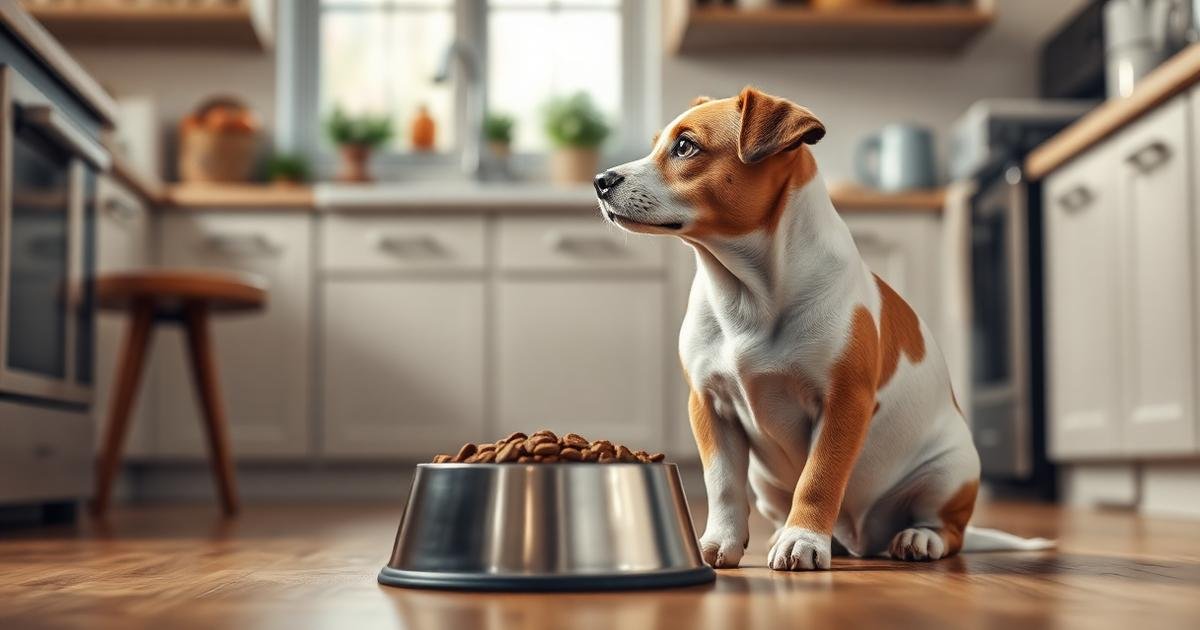
Nothing sends a jolt of panic through you quite like realizing your dog won’t eat. Sometimes it’s no big deal—a skipped meal here or there. But other times, it’s a red flag pointing to illness, pain, stress, digestive trouble, or something that needs a closer look.
Dog not eating food suddenly: If your dog suddenly stops eating, check for other symptoms, avoid forcing food, and watch hydration closely. Mild appetite dips can happen, but vomiting, lethargy, pain, or continued refusal usually means you should act quickly.
When you’re figuring out the best approach, focus on what actually fits into your daily life. A solution that works today but falls apart tomorrow isn’t much help.
The real trick is telling the difference between a minor appetite dip and a serious warning sign. Dogs skip meals for silly reasons all the time. But if you spot other symptoms—or the refusal drags on—it’s time to pay attention.
Support better feeding habits with the right food setup
Browse Dog Food Options →
Quick Answer
A dog not eating food suddenly is most often responding to stress, illness, a recent diet change, or a food aversion. Start by checking whether anything changed in the food, environment, or the dog’s physical condition.
The key is to look beyond the bowl. Appetite loss matters much more when it comes with vomiting, diarrhea, lethargy, trembling, obvious pain, or behavior changes.
For a broader framework on diet quality and feeding routine, the Ultimate Guide to Dog Food explains how food choice and digestion affect appetite overall.
The real question is not just why the meal was skipped. The more useful question is what else changed at the same time.
When Appetite Loss Is Mild vs Potentially Serious
A dog that skips one meal but still drinks, moves normally, and seems comfortable may simply be having a minor digestive or routine-related issue.
But appetite loss becomes more concerning when it lasts longer, happens with repeated vomiting, obvious weakness, abdominal discomfort, or major behavior changes.
That is why timing and context matter. Sudden refusal by itself is useful information, but sudden refusal plus other symptoms changes the risk level.
Owners often make better decisions when they stop asking only, “Did my dog eat?” and start asking, “What else changed at the same time?” Energy, posture, hydration, bathroom habits, and willingness to move all matter when a dog not eating food suddenly becomes the main concern.
Even if the appetite issue turns out to be mild, this broader observation helps prevent panic and also helps identify patterns if the problem repeats later.
Pro Tip: A dog that is not eating but still acting completely normal is a different situation from a dog that is not eating and also seems weak, restless, painful, or unusually quiet.
Common Reasons Dogs Suddenly Stop Eating
Digestive upset is one of the most common causes. Mild stomach irritation, something eaten outside, or a poor food reaction can temporarily reduce appetite.
Stress or environmental change can also affect eating. Travel, new routines, visitors, noise, or separation changes can all lower appetite in some dogs.
Pain is another major reason. Dogs with dental pain, abdominal discomfort, injury, or illness may avoid food because eating feels bad or exhausting.
Food aversion sometimes happens too. If the dog associates the food with nausea or repeatedly dislikes how it feels after eating, they may suddenly refuse it.
Illness matters as well. Infections, fever, systemic illness, and other medical issues often reduce appetite quickly.
Some dogs also stop eating because they associate food with a recent bad experience. If a meal was followed by nausea, stress, or stomach discomfort, appetite can drop even when the bowl itself is not the true problem.
That is why owners should treat appetite loss like a clue rather than a full diagnosis. The refusal matters, but the context around it matters just as much.
What to Check Right Away
Start with the obvious basics. Is your dog drinking water? Are they vomiting? Do they seem tired, painful, shaky, bloated, or unusually withdrawn?
Check whether the food itself changed, spoiled, or was recently switched. Also think about whether your dog may have eaten something unusual or gotten into treats, scraps, or non-food items.
Small details matter here. Appetite loss is easier to judge correctly when you look at the whole picture rather than focusing on the bowl alone.
- Still drinking normally
- No vomiting or repeated diarrhea
- No obvious pain
- No severe lethargy
- No major abdominal swelling
It also helps to think about timing. Did the refusal start after a food switch, a stressful event, medication, travel, or a day when your dog may have eaten something odd? Those details often matter more than owners expect.
If you notice repeated lip licking, swallowing, pacing, or turning away from food and then sniffing it again, mild nausea may also be part of the picture.
What You Should Do First at Home
Stay calm and avoid forcing the dog to eat. Watch hydration, behavior, and other symptoms first.
If your dog seems otherwise normal, a short watchful period may be reasonable. But continued refusal or worsening signs should move the situation into a more urgent category.
If your dog recently changed food, had a stressful routine shift, or seems mildly nauseous, that may explain the refusal. Even so, the situation still deserves careful monitoring instead of dismissal.
It also helps to avoid turning one missed meal into a frantic feeding experiment. The more random foods, toppers, and temptations owners introduce at once, the harder it becomes to understand what the dog is actually responding to.
Pro Tip: Appetite loss is usually easier to judge by what comes with it. Refusal plus normal behavior is very different from refusal plus pain, vomiting, or weakness.
When to Contact a Vet Quickly
You should act faster if appetite loss comes with vomiting, repeated diarrhea, weakness, pain, shaking, breathing changes, or signs of dehydration.
Puppies, seniors, and dogs with existing health problems generally deserve more caution because they can decline faster than healthy adult dogs.
If your dog refuses food for longer than expected or seems visibly unwell, it stops being a “wait and see” situation.
It is also worth acting faster if your dog may have eaten something dangerous, swallowed a foreign object, or has repeated episodes of appetite loss that do not seem tied to a simple routine issue.
In those cases, food refusal is not the only problem. It is part of a larger health picture that deserves medical judgment rather than repeated home guessing.
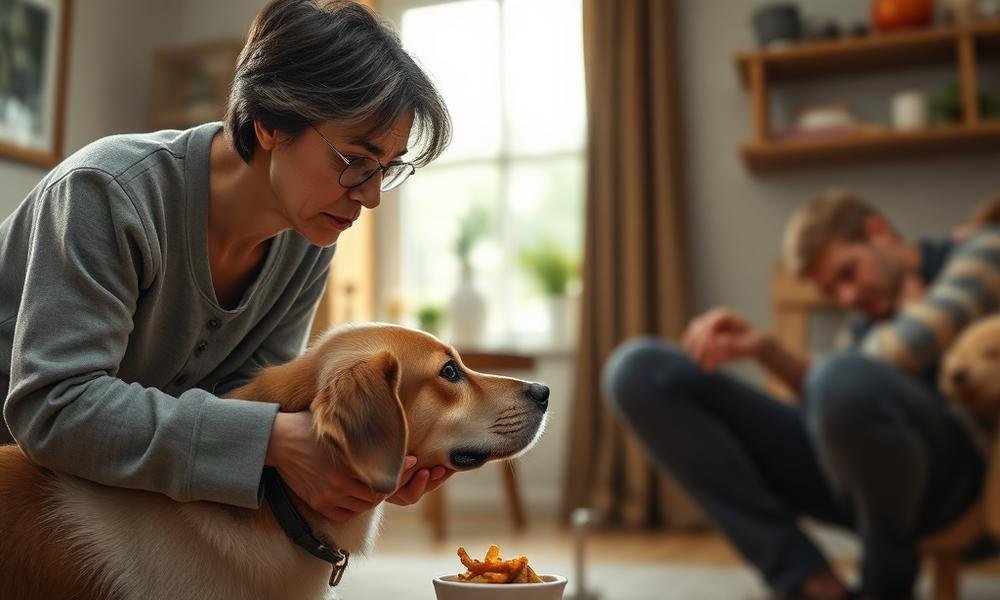
How Food Choice and Routine Can Affect Appetite
Sometimes the food itself is part of the issue. A dog may stop eating because the formula changed, the food spoiled, the texture feels wrong, or a recent diet switch upset the stomach.
Routine also matters. Dogs often do better with predictable feeding times and fewer random changes in treats, meal add-ons, and extras.
That does not mean every refusal is about food quality. But food mismatch and feeding inconsistency are common enough that they should always be considered.
Some dogs also become suspicious of food after a bad experience, especially if eating was followed by stomach discomfort. In those cases, improving the formula and the routine together often works better than changing only one thing.
A stable food schedule, fresher meals, and less random variation can sometimes restore appetite more effectively than constantly offering new food just to tempt the dog.
Common Mistakes Owners Make
Panic-switching foods immediately can make digestion even more unstable.
Ignoring other symptoms can delay needed care.
Over-focusing on one skipped meal without watching the dog’s overall behavior can also distort the situation.
Waiting too long when obvious warning signs are present is the bigger risk. If the dog seems truly unwell, appetite loss is just one part of the picture.
Offering too many random temptations can also confuse the situation. If owners keep rotating treats, toppers, and leftovers, it becomes harder to tell whether the dog is improving or simply reacting to novelty.
Assuming appetite loss is always behavioral is another mistake. Many dogs stop eating because they feel bad, not because they are being fussy or stubborn.
Pro Tip: Appetite matters most when paired with context. One skipped meal is information. In addition, one skipped meal plus serious symptoms is a warning.
What Recovery Usually Looks Like
When the cause is mild, recovery often shows up as gradual interest in food returning, steadier energy, and less digestive discomfort. Some dogs go from refusal to eating small amounts first before fully returning to normal meals.
That is why owners should look for a trend toward normal rather than expecting a perfect bounce-back immediately. What matters is whether the dog is moving in the right direction or continuing to decline.
If appetite improves but the dog still seems off in other ways, that still deserves attention. Better eating alone does not automatically mean the underlying problem is gone.
It also helps to compare recovery against your dog’s normal behavior. A dog that begins drinking, moving, and showing interest in routine again is usually easier to read than one that still seems uncomfortable even if a little food goes down.
Watching that full pattern helps owners decide whether the situation is settling or still needs more urgent attention. That extra context often prevents both panic and delay.
Recovery also tends to look steadier when owners resist overcorrecting. Calm observation, good hydration awareness, and attention to the whole dog usually lead to better decisions than reacting to every single skipped bite.
That does not mean waiting forever. It means watching for real direction: is your dog moving back toward normal, or drifting further away from it?
Why Context Matters More Than One Missed Meal
Owners often panic because food refusal is easy to notice quickly. But one missed meal means very different things depending on the rest of the dog’s condition.
A dog that skips breakfast but still drinks, walks, watches the room normally, and settles comfortably is a very different case from a dog that skips breakfast and then seems painful, weak, withdrawn, or nauseous.
This is why context matters more than the bowl alone. Appetite is important, but it becomes truly useful when read alongside behavior, hydration, comfort, energy, and digestive signs.
The better owners get at reading that full picture, the easier it becomes to respond quickly when needed without overreacting to every mild wobble.
Owners tend to get better results when they compare fit, tolerance, and routine consistency together.
In the end, the best response is the one that keeps working well under ordinary daily conditions.
For broader reference and guidance, akc.org provides useful context on pet health and care decisions.
Petmd.com also offers practical reference material on symptoms, feeding issues, and day-to-day care decisions.
For related guidance, see Best Dry Dog Food For Sensitive Stomach.
If a recent formula change may be involved, review How To Switch Dog Food Safely.
For related guidance, see Dog Food Causing Diarrhea Symptoms.
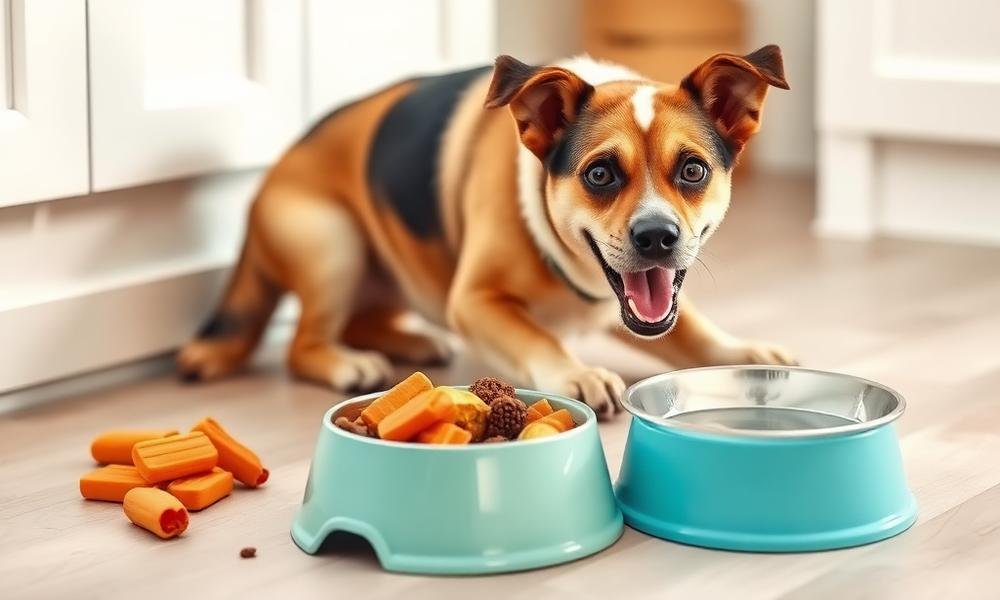
For guidance on when to seek veterinary care for appetite loss, the ASPCA provides reliable reference information on common causes.
The American Veterinary Medical Association offers practical guidance on recognizing when appetite changes in dogs require professional attention.
Learn more in our detailed guide on best orthopedic dog bed.
For more on this topic, see our guide to best washable dog bed.
For more on this topic, see our guide to dog bed smells bad.
Learn more in our detailed guide on dog chewing and tearing bed.
FAQ: Dog Not Eating Food Suddenly
Why did my dog stop eating all of a sudden? Common reasons include an upset stomach, stress, a sudden dislike for the food, pain, illness, or changes in their routine.
Should I worry if my dog skips one meal? Not always. If your dog acts normal otherwise, it’s probably mild. But throw in other symptoms, and the picture changes fast.
What if my dog is drinking but not eating? That can still happen with mild stomach upset or stress. But even then, if the refusal continues, you shouldn’t just wait it out.
When should I call a vet? Call sooner if the loss of appetite comes with vomiting, diarrhea, weakness, signs of pain, shaking, or if your dog just won’t eat for more than a day.
Can a food change make my dog stop eating? Yes, absolutely. Some dogs really don’t handle sudden switches well, and they’ll refuse a new formula that doesn’t sit right with their stomach.
Should I force my dog to eat? No. Just don’t. Take a step back and look at the whole situation first. Watch how your dog is acting overall — energy, mood, bathroom habits — then decide what to do.