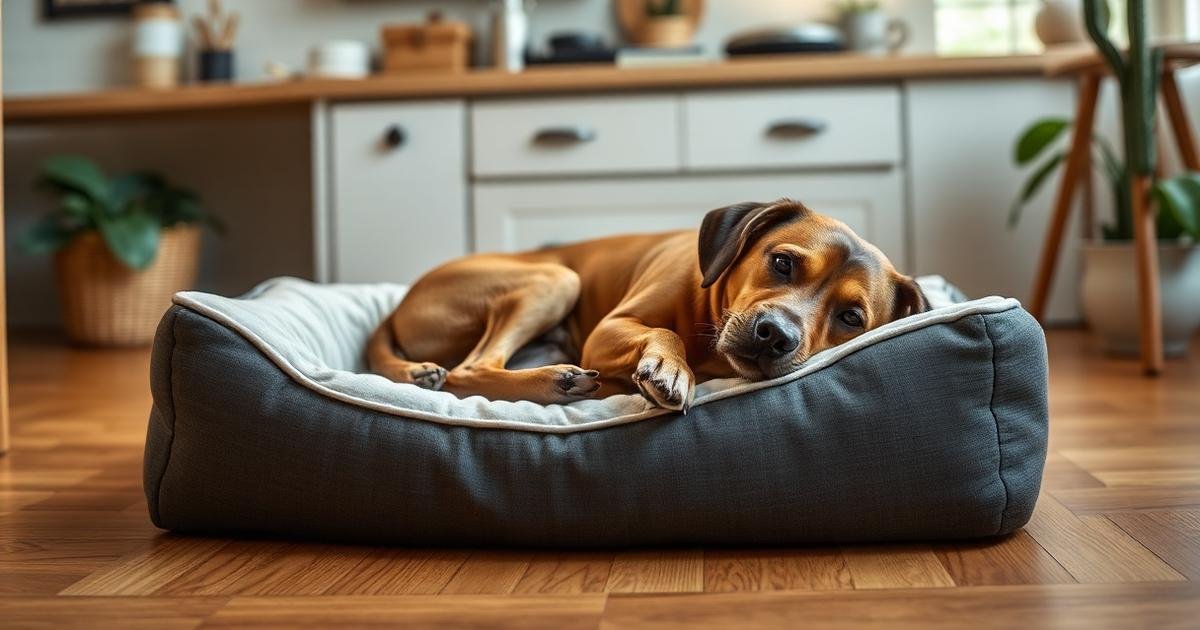
Why dog bed smells so bad: If your dog bed smells so bad, the odor is usually trapped oils, saliva, moisture, or bacteria inside the fabric and inner fill. The fastest fix is washing removable layers, drying everything completely, and replacing the bed if smell returns right away.
That funky smell coming from your dog’s bed? It’s usually a cocktail of body oils, saliva, moisture, trapped fur, bacteria, and plain old fabric buildup. A bed soaks up way more than most of us realize — especially when it’s used every single day.
Some odors creep up over weeks. Others hit you fast after an accident, wet fur, a skin flare-up, or just poor airflow. Either way, a stinky dog bed isn’t just gross. It’s a sign the bed is staying damp, dirty, or way overdue for a deep clean.
Upgrade your dog’s sleep setup with cleaner, easier-care bed options
Shop Dog Beds Now →
Quick Answer: Why Dog Beds Start Smelling Bad
The most common causes are trapped oils, saliva, wet fur, accidents, bacteria, and infrequent deep cleaning. Even if the surface looks fine, the inner fill and cover can hold odor long after the smell starts.
Some beds smell worse because they dry slowly or trap moisture in the core. Others keep odor because the cover washes easily but the inside never really gets cleaned. If your dog also drools, licks paws, sheds heavily, or comes in damp from outside, the smell can build even faster.
If you want the broader context for choosing easier-care materials and better bed types, the complete dog bed guide explains how fabrics, support, and washability affect long-term comfort and maintenance.
So the real fix is not spraying perfume over the smell. It is figuring out what is causing the odor to stay trapped, then cleaning the right layers or replacing the bed if it has gone too far.
What Makes Dog Beds Smell Worse Than Blankets or Rugs?
Dog beds hold odor differently because they combine soft fabric, body contact, trapped heat, and often thick inner stuffing or foam. That creates the perfect place for smells to settle in and stay there.
A blanket can usually be washed and dried all the way through. A dog bed often has seams, cores, bolsters, foam inserts, and low-airflow sections that hold moisture much longer.
That means a bed can smell bad even after the outside looks clean. The source is often deeper than the visible cover.
Pro Tip: If the smell comes back quickly after washing the cover, the odor is usually trapped in the inner fill, foam, or seams rather than on the outer surface alone.
Dogs also return to the same sleep spot every day, which creates a stronger buildup of oils, dander, and saliva than you would usually see on a couch throw or spare blanket.
Most Common Reasons a Dog Bed Smells So Bad
Moisture and Dirt
1. Wet fur or damp paws — moisture gets trapped and creates musty odor.
2. Outdoor dirt buildup — mud, debris, and environmental grime stay in the fabric over time.
Body and Health Factors
3. Body oils and dander — regular use slowly loads the bed with natural skin and coat residue.
4. Saliva and licking — drool and paw-licking leave damp spots that smell stronger over time.
Bed Construction Problems
5. Poor airflow in thick fill — dense or slow-drying interiors trap odor.
6. Incomplete cleaning — washing only the cover leaves the inner odor source behind.
7. Age and wear — once odor gets deep into old foam or stuffing, it becomes much harder to remove completely.
These causes often overlap. A dog with oily skin sleeping on a thick bed in a humid room will create smell faster than a dog on a breathable washable mat.
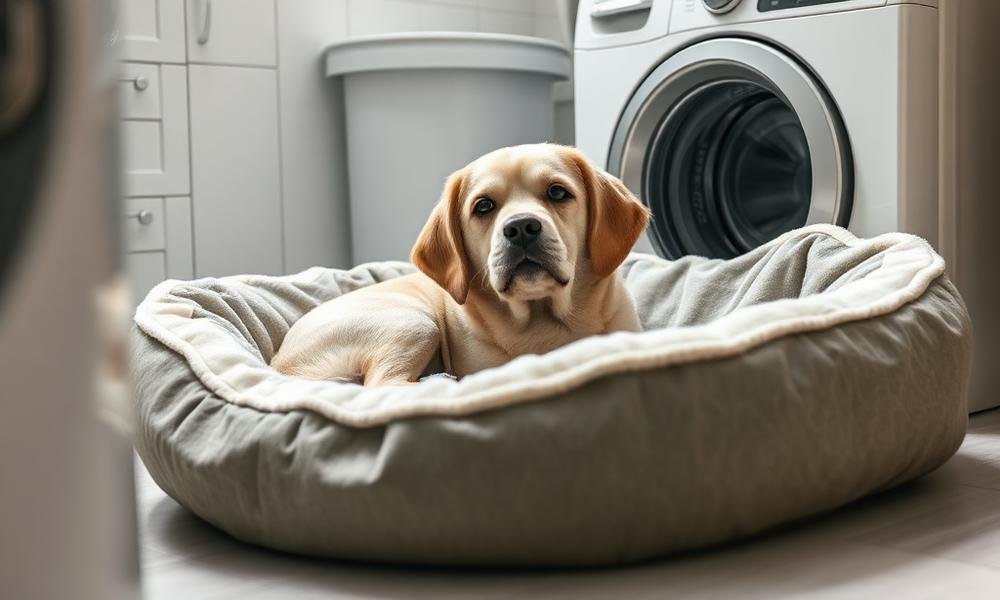
How to Tell Whether the Smell Is From the Cover or the Inside
Start by separating the removable cover from the inner bed if possible. If the cover smells mild but the insert smells strong, the core is the real problem.
If both smell equally bad, you may be dealing with long-term buildup throughout the entire bed. In that case, simple surface cleaning will not solve it for long.
Look for clues like these:
- Cover problem: odor improves noticeably after washing the outer layer
- Core problem: smell returns fast after washing or stays strongest in the center
- Moisture problem: bed smells musty, sour, or worse in humid weather
The better you identify the source, the easier it is to decide whether deep cleaning is enough or replacement makes more sense.
What Actually Helps Remove Dog Bed Odor
Getting why dog bed smells so bad right is less about perfection and more about staying consistent with a proven approach.
Wash removable covers properly. Use a pet-safe wash routine and make sure the fabric dries fully before reassembly.
Clean the insert or foam if the bed allows it. A fresh cover over a dirty inner core will not solve the smell.
Dry the bed completely. Lingering dampness is one of the biggest reasons odor returns quickly.
Vacuum and remove hair first. Washing a bed full of hair and debris makes cleaning less effective.
Use sunlight and airflow when possible. Good drying conditions help reduce stale trapped odor.
Clean on a regular schedule. Waiting until the smell becomes obvious usually means the buildup is already deep.
Pro Tip: If a bed smells fresh only for 1–2 days after cleaning, the odor source is probably still inside the core or trapped under seams and bolsters.
When the Smell Means the Bed Should Be Replaced
Some beds reach a point where cleaning is no longer worth it. If odor is deeply embedded in old foam, flattened stuffing, or damaged fabric, replacement is often the smarter option.
You should also replace the bed if it has tears, persistent dampness, broken seams, or trapped smell that returns immediately after a full wash and dry cycle.
A replacement can make even more sense if the current bed is also uncomfortable, unstable, or hard to clean properly. That way you solve both the odor problem and the sleep-surface problem at once.
The best replacement choice is usually one with a removable washable cover, better airflow, and materials that dry more completely after cleaning.

Bed Types That Stay Fresher Longer
Washable cover beds are easier to maintain because the dirtiest outer layer can be cleaned regularly.
Lower-profile beds often dry faster than bulky stuffed beds with deep corners and thick bolsters.
Water-resistant liners help if accidents, drool, or damp fur are part of the issue.
Breathable materials are useful for dogs that sleep hot or come in damp often.
If odor control is one of your biggest concerns, easy-care construction matters just as much as softness. A bed that looks plush but traps moisture can become a maintenance headache quickly.
Mistakes That Make Dog Bed Smell Worse
Only spraying the bed hides odor briefly without removing the cause.
Skipping full drying time often leads to sour or musty smells returning quickly.
Ignoring the insert or foam leaves the deepest odor untouched.
Waiting too long between washes allows body oils and dirt to settle deeper into the bed.
Using a damaged bed too long can turn cleaning into a losing battle because odor keeps collecting in weak seams and worn fill.
Many owners also underestimate how much the room environment matters. Poor airflow, humid weather, and shaded drying conditions can make even a decent bed smell worse than expected.

How Often Should You Clean a Dog Bed?
That depends on your dog and the bed type, but most dog beds need more regular cleaning than owners expect.
The practical side of why dog bed smells so bad comes down to small daily decisions that add up over weeks.
Dogs with skin issues, drooling habits, outdoor routines, or strong odor buildup may need much more frequent maintenance than low-shed indoor dogs.
A good rule is to remove loose hair often, wash the outer cover regularly, and deep clean the inner layers whenever odor starts building or moisture gets trapped.
Pro Tip: If your dog bed is hard to wash, hard to dry, and hard to deodorize, that is usually a product-design problem, not just a cleaning-routine problem.
Why Dog Bed Smells Return So Quickly After Washing
The most common reason odor returns within a few days of washing is that the inner filling was not fully dried. Moisture trapped inside the foam or batting creates ideal conditions for bacterial and mold growth, which produces the same smell within 48 to 72 hours.
The second reason is that washing removes surface odor but does not fully eliminate the bacterial load embedded in the filling. Without high-temperature washing or a targeted enzymatic treatment, the bacteria responsible for the smell reduce in number but are not eliminated — they multiply again once the bed warms up from use.
A third cause is recontamination. If the dog has skin issues, ear infections, or produces excess oils, they continuously re-deposit odor-causing compounds onto the bed regardless of how clean the surface is. In these cases, managing the underlying condition is as important as bed hygiene.
Pro Tip: Soak the entire bed (including the inner filling if the care label allows) in a solution of 1 part white vinegar to 4 parts warm water for 30 minutes before washing — this breaks down the bacterial biofilm that standard detergent cycles often miss.
Step-by-Step Odor Elimination Process
Step 1: Remove the cover and wash separately on the hottest cycle the label allows with enzymatic pet detergent.
Step 2: Sprinkle baking soda generously over the inner filling and let it sit for 30 to 60 minutes to absorb surface odors and oils.
Step 3: Vacuum the baking soda off completely, then spot-treat any visible stains with an enzymatic cleaner.
Step 4: If the filling is washable, machine wash it using enzymatic detergent on the appropriate temperature cycle.
Step 5: Dry completely — run the dryer for at least 2 full cycles or air-dry for a minimum of 8 hours in good airflow.
If the smell returns within 3 days after this full process, the inner filling has reached the end of its usable life and replacement is more practical than continued treatment.
Preventing Odor Before It Becomes a Problem
Prevention is far more effective than odor removal after the fact. The most impactful single habit is washing the bed cover every 7 to 10 days, even if the bed does not smell noticeably. Odor-causing bacteria reach significant levels before the smell becomes obvious to most people.
Waterproof liners under the outer cover protect the inner filling from moisture — the primary driver of bacterial growth and odor. Even if the cover gets wet or soiled, a well-fitting liner keeps the foam dry and dramatically slows the odor cycle.
Drying your dog before they settle on their bed after outdoor activity removes the mud, moisture, and organic material that feeds bacterial growth. This single step makes a measurable difference in how quickly beds develop odor, particularly in wet climates or for dogs that swim.
Pro Tip: Keep a pet-safe odor spray near the bed and use it lightly every 2 to 3 days between washes — look for enzymatic formulas rather than masking sprays, which only cover the smell without treating the source.
Replacing a bed that has already developed deep structural odor is sometimes the most practical decision. Once mold or bacteria have penetrated the foam core, cleaning reduces the smell but rarely eliminates it permanently — and the compounds responsible can continue to irritate your dog's respiratory system even when the smell seems manageable to you.
FAQ: Why Dog Bed Smells So Bad
Why does my dog bed smell bad so quickly?
Dog beds collect body oils, saliva, fur, dirt, and moisture every day. If the bed dries slowly or the inside is never cleaned, odor can build fast.
Why does the smell come back after washing?
The odor is often trapped in the inner fill, foam, seams, or bolsters, not just the outer cover.
Can a dog bed smell because of wet fur?
Yes. Damp fur and paws are common causes of musty odor, especially in thick beds that dry slowly.
When should I replace a smelly dog bed?
Replace it when smell returns quickly after full cleaning, or when the bed is old, damaged, or deeply odor-soaked.
What type of dog bed stays fresher longer?
Beds with removable washable covers, breathable materials, and easier-drying construction usually stay fresher longer.
When owners focus specifically on why dog bed smells so bad, they tend to see more consistent results over time.
Is spraying deodorizer enough?
No. Sprays may mask odor briefly, but they do not remove the deeper source inside the bed.
For authoritative reference on canine health and care standards, the American Kennel Club (AKC) provides breed-specific guidance trusted by veterinary professionals. For health-related questions, PetMD offers veterinarian-reviewed information on symptoms and treatments.