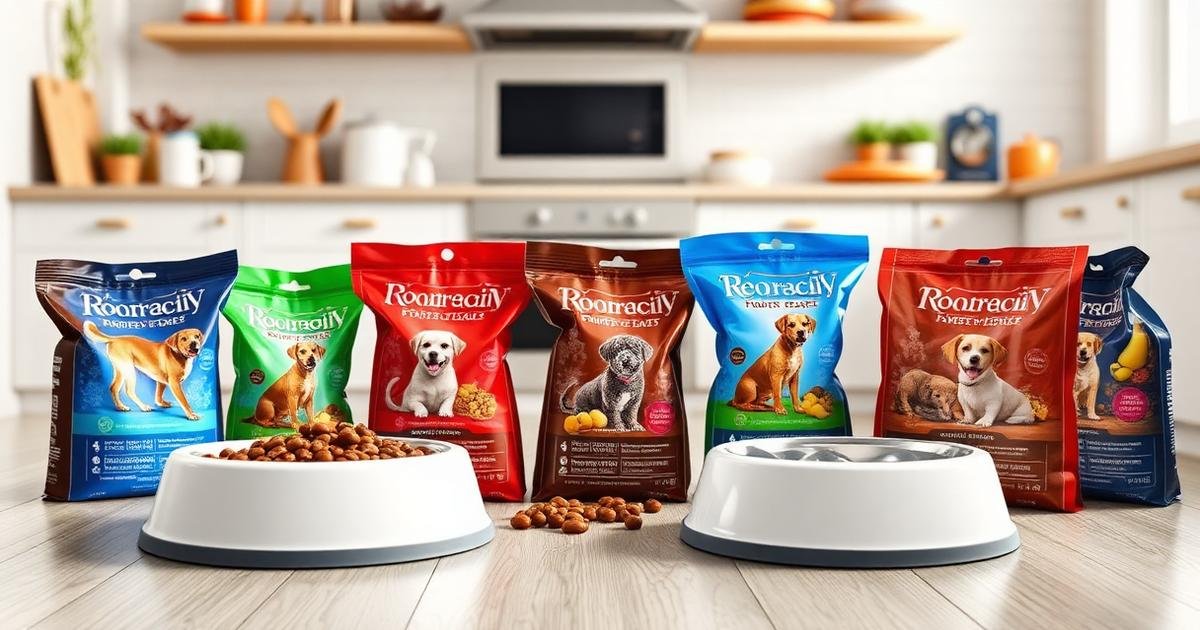
Picking the right dog food sounds straightforward—until you’re staring at a wall of bags in the store. One brand touts high protein, another swears by digestive health, and a third promises shinier coats, stronger joints, and better energy. The real problem? It’s not that there aren’t enough options. It’s figuring out which one actually fits your dog.
Ultimate guide to dog food: A good dog food should match your dog’s life stage, size, activity, digestion, and health needs. The best choice is the one your dog digests well, maintains healthy weight on, and can be fed consistently and safely.
Here’s the thing: good dog nutrition isn’t about chasing marketing buzzwords. It’s about feeding a balanced diet that matches your dog’s age, size, activity level, digestion, and health needs—while still being something you can stick with every day.
Some dogs thrive on dry kibble for years. Others do better on wet food, need a slower transition, or struggle when you grab a formula that sounds premium but doesn’t suit their real needs. That’s why understanding the basics beats memorizing brand claims every time.
Looking for better food options for your dog?
Shop Dog Food Options →
Quick Answer: What Makes a Good Dog Food?
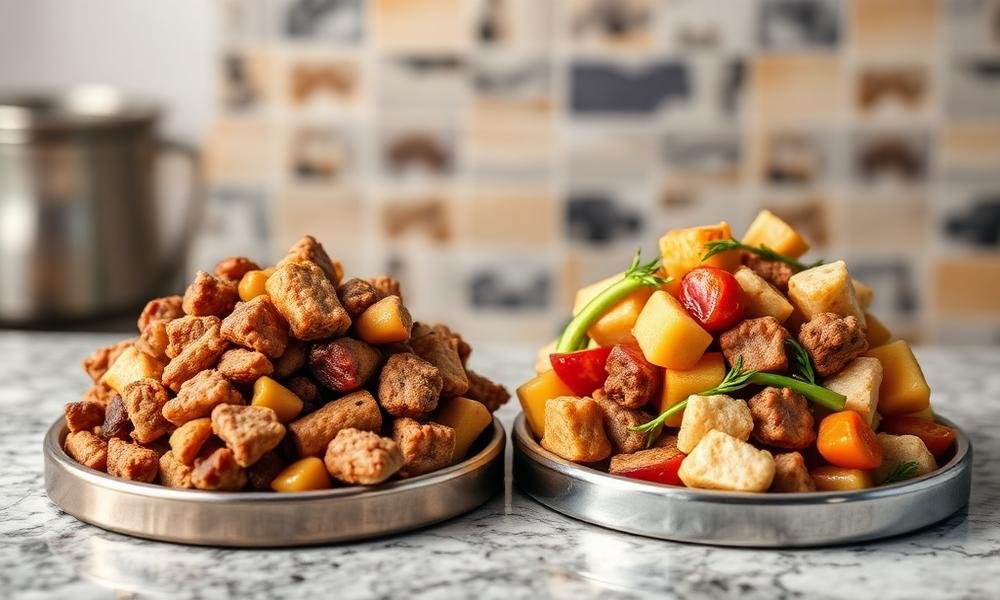
A good dog food gives your dog balanced nutrition, digestible ingredients, solid protein and fat sources, and a formula that matches their life stage and body needs. The best choice is not always the fanciest label or the most expensive bag. It is the food your dog digests well, maintains healthy body condition on, and consistently thrives with over time.
That means the right food should support energy, digestion, muscle maintenance, skin, coat quality, and long-term health. It should also be practical enough that you can feed it consistently without confusion, waste, or constant switching.
To choose well, you need to understand what dogs actually need nutritionally, how the major food types differ, and which warning signs suggest a food is not working. Once those basics are clear, reading labels and comparing formulas becomes much easier.
Why Dog Food Choice Matters More Than Many Owners Realize
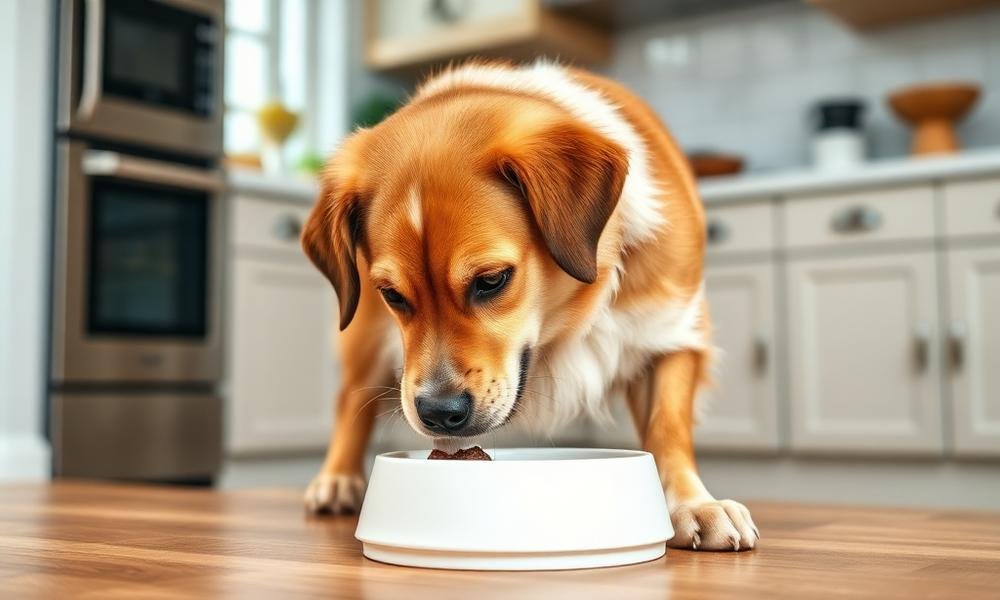
Dog food affects much more than whether your dog seems full after a meal. It influences weight, digestion, stool quality, coat condition, energy, appetite, and sometimes even behavior around food.
A poor fit can show up as repeated loose stool, constant itching, dull coat, lack of muscle tone, unstable energy, or a dog that always seems hungry or strangely uninterested in meals. In many cases, owners think they have a "picky eater" when the real problem is that the food simply is not a good match.
Because dogs often eat the same diet repeatedly, even a small mismatch becomes a daily repeated mismatch. That is why dog food choices compound over time.
Pro Tip: If your dog’s stool, coat, or energy changed clearly after a food switch, that is valuable information. Real-life response usually matters more than brand reputation alone.
Choosing better food does not mean chasing perfection. It means understanding enough to avoid obvious mistakes and make good adjustments when your dog shows you something is off.
What Dogs Actually Need in Their Diet
Dogs need a balanced combination of protein, fat, digestible carbohydrates, vitamins, minerals, and water. Each of those plays a different role, and the best dog foods balance them instead of overemphasizing one trend.
Protein helps maintain muscle, supports tissue repair, and contributes to many body functions. Fat supports energy, coat quality, skin health, and absorption of important nutrients. Carbohydrates can provide useful energy and fiber, even though they are often debated more dramatically than necessary.
Micronutrients matter just as much. Calcium, phosphorus, zinc, vitamin A, vitamin D, and many others help support bones, immune function, metabolism, skin, and overall body performance.
Hydration matters too. Wet food naturally provides more moisture, while dogs on dry food need to make up the difference by drinking enough water. For some dogs, that difference is meaningful.
So the real goal is not finding one magical ingredient. It is choosing a complete formula that works as a whole.
Understanding the Main Types of Dog Food
There is no universal best format for every dog. Dry, wet, raw, and homemade diets all have strengths and trade-offs.
Dry Dog Food
Dry food is the most common choice because it is convenient, easy to store, simple to portion, and usually more cost-effective for daily feeding. Many dogs do perfectly well on high-quality kibble.
Its main strengths are practicality, shelf stability, and routine consistency. But quality varies widely, and some dogs struggle with palatability, hydration, or digestion depending on the formula.
Wet Dog Food
Wet food often works well for picky eaters or dogs that benefit from more moisture in meals. It can also be easier for some dogs with chewing difficulty or reduced appetite.
The trade-offs usually include higher cost, more storage hassle, and a shorter life once opened. Still, for some dogs, wet food is worth it because they simply do better on it.
Raw Dog Food
Raw feeding appeals to owners who want greater ingredient control or a less processed feeding style. Supporters often like the simplicity of recognizable ingredients and the idea of a more natural diet.
But raw feeding requires much more care. Food safety, hygiene, nutritional balance, sourcing, and handling all become much more important. A badly designed raw diet can cause more problems than it solves.
Homemade Dog Food
Homemade feeding offers maximum control over ingredients. That can be useful for owners who want tight control over what their dog eats.
But homemade food only works well if it is actually balanced. It is very easy to create a homemade diet that looks wholesome but lacks essential nutrients over time.
In practice, the best format is the one that your dog does well on and that you can feed consistently, safely, and realistically long term.
Dry vs Wet vs Raw vs Homemade: Which Is Best?
Getting ultimate guide to dog food right is less about perfection and more about staying consistent with a proven approach.
The best choice depends on your dog and your household. There is no single correct answer that applies to every dog equally.
Dry food is usually the strongest blend of convenience and affordability. Wet food often helps with appetite and moisture intake. Raw food can appeal to owners who want tighter ingredient control but requires stricter handling. Homemade food offers flexibility but needs careful nutritional planning.
A healthy adult dog with strong digestion may do very well on a strong kibble formula. A dog with low thirst, poor appetite, or specific digestion problems may respond better to wet food or a mixed-feeding approach.
Some owners do best with a practical "good enough and consistent" feeding system. Others are willing to invest much more time and planning. The best format is the one that keeps the dog healthy and the routine sustainable.
How to Read a Dog Food Label Without Getting Confused
Dog food packaging is designed to grab attention. That means front-of-bag language often sounds more useful than it really is.
Start with the fundamentals: what type of food is it, what life stage is it intended for, what appears to be the main protein focus, and whether the food seems aligned with your dog’s actual needs. Then look at the broader ingredient pattern and whether the formula appears practical and balanced for your dog’s situation.
It is easy to get distracted by premium-sounding words like "natural," "holistic," or "ancestral." Those terms may sound strong but are often less useful than how the food actually performs in your dog’s body.
The ingredient list matters, but context matters more. A shorter, well-tolerated formula can be far better than a trendy formula packed with impressive claims that your dog does not do well on.
Pro Tip: A label should help you understand what the food is doing for your dog. If all it offers is emotional marketing without practical clarity, treat that as noise.
Protein, Fat, and Carbohydrates: What Owners Should Focus On
Protein gets the most attention in dog food conversations, but fat and carbohydrates matter too. A strong diet is about balance, not obsession with one nutrient.
Protein helps support muscle and body maintenance. Dogs need enough of it, especially active dogs, growing dogs, and dogs needing better body condition. Fat supports calorie density, coat quality, and energy. Too little can affect condition, while too much can become a problem depending on the dog.
Carbohydrates are often treated unfairly in online debates. Dogs can use carbohydrates effectively, and many diets rely on them as practical energy and fiber sources. The real question is whether the formula works well for the dog, not whether carbs exist at all.
Owners should focus less on demonizing one nutrient category and more on whether the full recipe supports stable digestion, healthy body condition, and long-term consistency.
Ingredient Breakdown: What Matters Most
Not every ingredient deserves the same level of attention. Some are much more important practically than others.
Main protein source: This often shapes how a food feels and performs for many dogs. It is one of the first things owners usually care about for a reason.
Fat source and richness: These influence calorie density, appetite appeal, coat support, and how filling the food feels. Some dogs do better on richer formulas, while others need lighter ones.
Fiber and digestibility: These affect stool quality and digestive stability. A formula that causes chronic loose stool or discomfort is not a winning choice no matter how impressive the bag looks.
Practical formulation: Some foods are easier to portion, transition, and store than others. That matters more than many owners admit.
The main question is whether the ingredient structure works for your dog’s real-life needs. A food can look excellent online and still perform poorly for the dog eating it every day.
How to Choose the Right Dog Food for Your Dog
The right dog food should match your dog’s life stage, size, activity level, digestion, and health profile. Those five factors make the decision much more practical.
Puppies need different support than adults. Senior dogs may need different calorie balance, easier digestion, or more supportive nutrition. Large dogs and small dogs may do better on different types of formulas and feeding structures.
Dogs with sensitive stomachs, allergies, low appetite, joint issues, or weight concerns often need even more careful matching. In those cases, the best food is not the most universally praised one. It is the one that solves the dog’s actual problem.
Household reality matters too. If a feeding system is too hard to afford, too hard to store, or too hard to prepare safely, it is usually not the right long-term choice.
Feeding Guidelines: How Much and How Often?
How much to feed depends on calorie density, dog size, age, activity, metabolism, and body condition. Two dogs of the same breed can still need different amounts.
Package charts are only starting points. They can be useful, but they are not a final answer. If your dog is gaining too much weight, staying hungry, or losing condition, the feeding amount may need adjustment.
Meal timing matters too. Puppies often need more frequent meals. Many adult dogs do well on 2 meals per day, while some dogs benefit from smaller divided meals depending on appetite and digestion.
The practical side of ultimate guide to dog food comes down to small daily decisions that add up over weeks.
The best feeding pattern is the one that helps your dog maintain steady condition, predictable digestion, and good energy.
How Life Stage Changes Dog Food Needs
A puppy, an adult dog, and a senior dog should not automatically be fed as though they have the same nutritional priorities. Growth, maintenance, aging, and activity all change what "the right food" looks like.
Puppies need enough nutrition to support healthy growth and development. Adult dogs usually need a more stable maintenance approach. Senior dogs may need easier digestion, body-condition management, or more supportive formulas based on how they are aging.
That is why staying on the same food forever is not always the smartest move. Sometimes the food did not get worse. The dog’s needs simply changed.
How Activity Level and Weight Affect Food Choice
Highly active dogs usually need different calorie density and fuel balance than calmer indoor dogs. A food that works well for a very active dog may cause unnecessary weight gain in a less active one.
The reverse is also true. A dog with high energy output may struggle if the food is too light or not filling enough for their actual needs. Weight changes are often one of the clearest signs that the feeding plan needs adjustment.
Good dog food selection always includes watching the dog’s body condition in real life rather than trusting theory alone.
Common Dog Food Mistakes Owners Make
Switching food too quickly is one of the biggest mistakes because it can upset digestion and make a workable formula seem like a failure.
Overfeeding is also very common. Many owners count the main meals but forget treats, toppers, or "just a little extra" food given throughout the day.
Buying based only on marketing claims often leads to food choices that sound better than they perform.
Ignoring body feedback is another mistake. Dogs often show whether food is working through stool quality, appetite, coat, energy, and weight stability.
Trying to force a trendy feeding method that does not fit the owner’s routine can also backfire. A consistent, balanced feeding system usually beats a more impressive system that is hard to maintain safely.
Safety Considerations in Dog Feeding
Food safety matters whether you feed dry, wet, raw, or homemade diets. Handling, storage, freshness, and sanitation all affect risk.
Wet food should not sit out too long. Dry food should be stored in a way that protects quality and reduces contamination risk. Raw feeding requires especially strict handling because hygiene mistakes can become much more serious.
Homemade diets also need more than good intentions. A meal can look wholesome and still be nutritionally incomplete if the balance is wrong over time.
When in doubt, the safer and more sustainable feeding choice is usually better than the more extreme one.
Pro Tip: A diet that is balanced, well tolerated, and consistently safe is usually better than a more fashionable diet that is difficult to execute correctly every day.
How to Switch Dog Food Safely
Food transitions should usually happen gradually, especially for dogs with sensitive digestion. Fast changes can create loose stool, appetite disruption, and confusion about whether the new food is actually a better fit.
A slower transition gives your dog’s digestive system time to adjust and gives you better feedback on how the new formula is performing. This is especially important when changing food type, protein emphasis, or feeding method.
Switching safely is not only about preventing stomach upset. It is also about making the change easier to evaluate clearly and honestly.
FAQ: Ultimate Guide to Dog Food
What is the best type of dog food?
The best type depends on your dog’s needs. Dry, wet, raw, and homemade diets can all work if they are balanced, practical, and a good fit for the individual dog.
Is wet food better than dry food for dogs?
Not automatically. Wet food can help with moisture intake and palatability, while dry food is often more convenient and affordable. The better choice depends on the dog.
How do I know if a dog food is good?
A good dog food supports healthy digestion, body condition, energy, coat quality, and consistent appetite while fitting your dog’s age and lifestyle.
Should I feed raw or homemade dog food?
Only if you can do it safely and keep it nutritionally balanced. These options require more care and more planning than many owners expect.
How much dog food should I feed each day?
That depends on the dog’s size, activity level, age, calorie needs, and body condition. Package charts are only starting points.
When owners focus specifically on ultimate guide to dog food, they tend to see more consistent results over time.
When should I change my dog’s food?
Consider a change when your dog shows persistent digestion issues, poor body condition, coat problems, low appetite, or life-stage needs that the current food no longer fits.
For authoritative reference on canine health and care standards, the American Kennel Club (AKC) provides breed-specific guidance trusted by veterinary professionals. For health-related questions, PetMD offers veterinarian-reviewed information on symptoms and treatments.