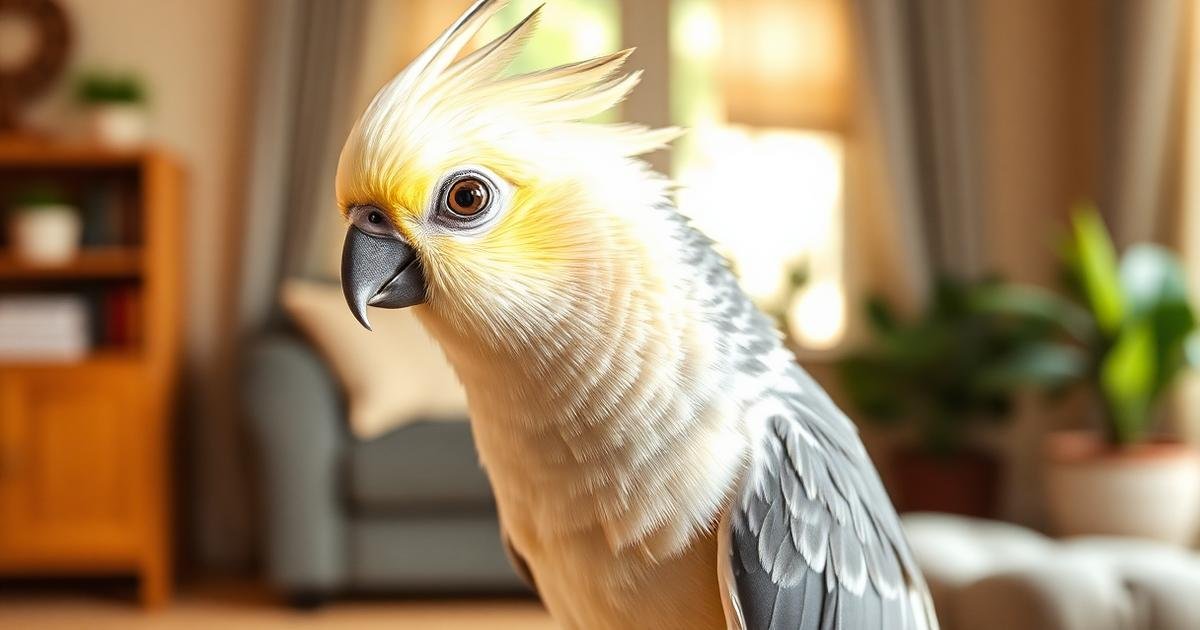
Bringing a cockatiel into your home is a 15- to 25-year commitment, and this cockatiel care guide gives you everything you need to raise a healthy, happy companion starting today. These intelligent, social birds thrive on routine, proper nutrition, and daily interaction — and with the right setup, your cockatiel will reward you with years of whistling, head bobbing affection.
Cockatiel care guide: Provide a minimum 24" x 24" x 30" cage with 1/2-inch bar spacing, feed a diet of 60-70% pellets plus daily vegetables, and dedicate 2-3 hours of supervised out-of-cage time every single day. Consistent social interaction, weekly toy rotation, and an annual avian vet exam are non-negotiable for preve
Quick Answer: What is the most important thing to know about cockatiel care?
Provide a minimum 24" x 24" x 30" cage with 1/2-inch bar spacing, feed a diet of 60-70% pellets plus daily vegetables, and dedicate 2-3 hours of supervised out-of cage time every single day. Consistent social interaction, weekly toy rotation, and an annual avian vet exam are non negotiable for preventing depression, feather plucking, and nutritional disease.
For a complete guide on this topic, see the Pet Bird Care Guide.
This cockatiel care guide decision works best when the owner compares daily fit, tolerance, and practical consistency together.
What size cage does a cockatiel need?
Your cockatiel's cage is its home base, so don't skimp on space. The absolute minimum is 24 inches long, 24 inches wide, and 30 inches tall, with bar spacing no wider than 1/2 inch to prevent escapes or head entrapment.
For many homes, the right cockatiel care guide choice is the one that stays reliable under ordinary daily conditions.
Bigger is always better. A flight cage (32" x 21" x 35" or larger) gives your bird room to stretch its wings and climb between perches, which directly supports cardiovascular health and muscle tone.
A well matched cockatiel care guide option should support the pet clearly without making the routine harder to maintain.
Bar spacing is non-negotiable. Cockatiels have curious heads and can wedge themselves between bars wider than 5/8 inch, leading to serious injury or death. Always measure before you buy.
Most owners get better long term results when cockatiel care guide is judged through routine use rather than a single product claim.
Pro Tip: Place the cage against a wall in a busy family room, not a quiet corner. Cockatiels are flock animals and need to see and hear you throughout the day to feel secure. Avoid kitchens — Teflon fumes from non stick pans are lethal to birds.
Position the cage away from drafty windows, direct sunlight, and air conditioning vents. Temperature swings stress your bird's immune system and can trigger respiratory issues within 1-2 days of exposure.
What should you feed a cockatiel daily?
A balanced cockatiel diet is 60-70% high quality pellets formulated specifically for cockatiels or small parrots, 20-30% fresh vegetables and fruits, and no more than research suggests 10% seeds. Seed only diets cause obesity, fatty liver disease, and nutritional deficiencies within 6-12 months.
Offer dark leafy greens like kale, collard greens, and Swiss chard daily. Chop vegetables into small pieces and mix them with pellets so your bird can't pick around the healthy stuff. Good options include carrots, bell peppers, broccoli, and sweet potato.
Fruits should be treats — a few small pieces of apple, berries, or melon 2-3 times per week. Remove uneaten fresh food after 2-3 hours to prevent bacterial growth. Always wash produce thoroughly to remove pesticides.
Provide fresh, clean water in a bowl or bottle changed at least twice daily. Stainless steel dishes are safer than plastic, which harbors bacteria and encourages chewing. According to the AVMA's pet owner resources, cockatiels can become dehydrated within 12-24 hours without access to fresh water.
Pro Tip: Introduce new vegetables one at a time over 1-2 weeks. Cockatiels are naturally suspicious of unfamiliar foods. Eat the vegetable yourself in front of your bird — they learn by watching you and will copy your behavior within 3-5 days.
How much daily interaction does a cockatiel need?
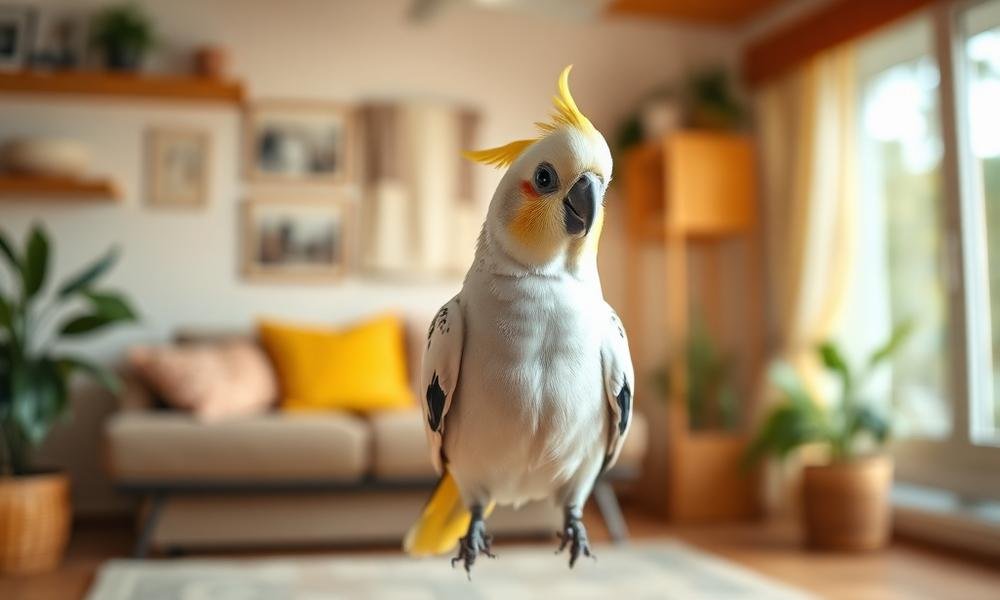
Cockatiels need a minimum of 2-3 hours of supervised out-of cage time every single day. Without this, they develop behavioral problems like screaming, biting, and feather plucking within 2-4 weeks. These are social birds — isolation is cruel to them.
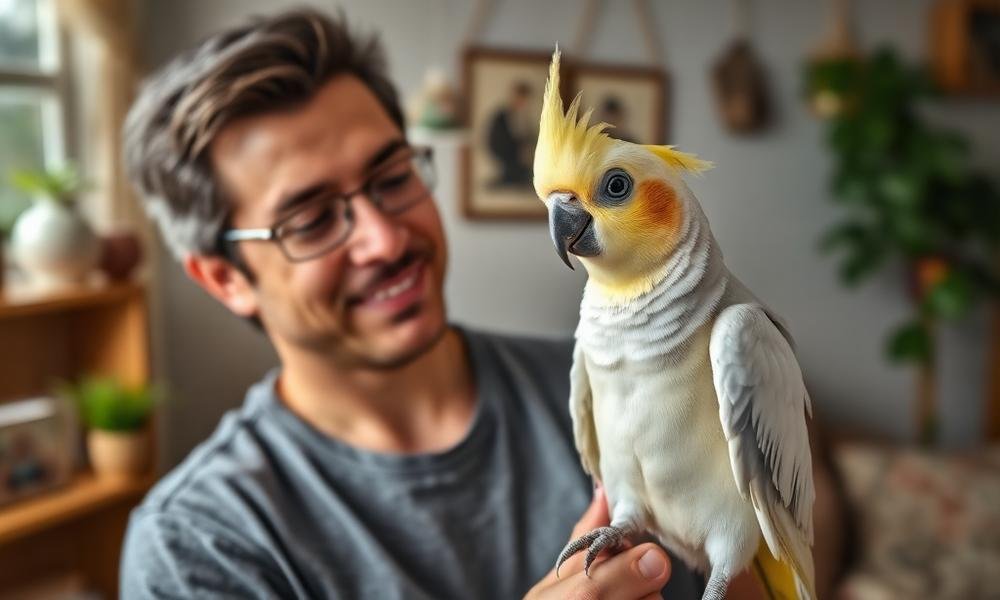
During out-of cage time, sit near your bird, talk softly, offer head scratches, and let it explore bird safe areas. Cockatiels bond through gentle, consistent interaction. Rushing or forcing handling damages trust and can take months to rebuild.
If you work long hours, consider getting a second cockatiel. Pairs keep each other company and reduce the risk of depression. Just introduce them slowly over 2-3 weeks in separate cages before allowing supervised together time.
Mental stimulation is just as important as physical interaction. Rotate toys weekly, offer foraging opportunities (hide treats in paper cups or puzzle toys), and play soft music or nature sounds when you're away. Boredom is a leading cause of destructive behavior in cockatiels.
Pro Tip: Teach your cockatiel to step up onto your finger using a consistent verbal cue like "step up." Practice for 5-10 minutes twice daily. Most cockatiels learn this within 1-2 weeks, and it builds a foundation of trust for all future handling.
How do you set up a cockatiel's sleeping environment?
Cockatiels need 10-12 hours of uninterrupted, dark sleep every night to maintain hormonal balance and emotional stability. Cover the cage with a breathable, dark fabric (like a cotton sheet) at the same time each evening to establish a consistent sleep wake cycle.
Place a small, dim nightlight near the cage if your bird shows signs of night frights — sudden panic, flapping, or crashing into bars. Night frights are common in cockatiels and can cause serious injury within seconds. A nightlight reduces this risk significantly.
Keep the sleeping area quiet and away from televisions, loud conversations, or sudden light changes. Cockatiels are light sleepers and wake easily. Disrupted sleep leads to irritability, feather plucking, and weakened immune response within 1-2 weeks.
How do you keep a cockatiel healthy?
Schedule a wellness exam with an avian veterinarian within the first week of bringing your cockatiel home, then annually after that. Birds hide illness instinctively, so subtle signs like fluffed feathers, decreased appetite, or changes in droppings warrant immediate veterinary attention.
Common health issues in cockatiels include respiratory infections (wheezing, tail bobbing), egg binding in females (straining, lethargy), and psittacosis (a bacterial infection transmissible to humans). According to PetMD's respiratory condition guide, early intervention dramatically improves outcomes.
Trim your cockatiel's nails every 4-6 weeks using a bird specific nail clipper or a file. Overgrown nails can snag on cage bars and cause bleeding. If you're unsure, your avian vet can demonstrate the technique during a routine visit.
Wing clipping is a personal choice. It prevents escape and reduces injury risk during flight in an indoor environment, but it also removes your bird's primary defense mechanism. Discuss pros and cons with your avian vet before making a decision.
Bathing is essential for feather health. Offer a shallow dish of lukewarm water 2-3 times per week, or mist your cockatiel with a spray bottle set to a fine mist. Most cockatiels love bath time and will splash enthusiastically when water is offered consistently.
| Behavior | Likely Cause | Action to Take |
|---|---|---|
| Excessive screaming | Boredom, loneliness, or attention-seeking | Increase out-of cage time to 3+ hours daily; add foraging toys |
| Feather plucking | Stress, illness, or dietary deficiency | Schedule vet visit; evaluate cage placement and diet quality |
| Biting | Fear, hormonal changes, or lack of trust | Back off handling; use positive reinforcement for 2-4 weeks |
| Refusing to eat vegetables | Neophobia (fear of new foods) | Offer same vegetable daily for 7-10 days; eat it yourself in front of bird |
What toys and enrichment does a cockatiel need?
Provide at least 4-6 toys in your cockatiel's cage at all times, rotating them every 1-2 weeks to prevent boredom. Good options include shreddable toys (paper, cardboard, palm leaves), hanging toys with bells, and stainless steel foraging puzzles.
Avoid toys with small parts that can be swallowed, loose strings that can entangle toes, or metal clips that can trap beaks. Inspect toys weekly for wear and replace damaged items immediately to prevent injury.
Natural wood perches of varying diameters (1/2 inch to 1 inch) promote foot health and prevent pressure sores. Avoid sandpaper perches, which cause painful abrasions on your bird's feet. Place perches at different heights to encourage climbing and exercise.
Foraging is a natural instinct that keeps cockatiels mentally sharp. Hide treats inside paper towel rolls, cardboard boxes, or commercial foraging toys. Start with easy challenges and increase difficulty over 2-3 weeks as your bird learns.
Pro Tip: Rotate only 2-3 toys at a time rather than swapping everything at once. Cockatiels feel secure with familiar items. Keep 1-2 favorite toys permanently in the cage and rotate the rest to maintain novelty without causing stress.
How do you handle molting and breeding seasons?
Cockatiels molt (shed and replace feathers) every 4-6 months, typically in spring and fall. During molting, your bird may seem irritable, sleep more, and lose appetite for 2-4 weeks. Increase protein intake slightly with a small amount of cooked egg or sprouted seeds to support feather regrowth.
Breeding season brings hormonal changes that can trigger aggression, territorial behavior, and egg laying in females. Reduce daylight exposure to 10-12 hours, remove nesting materials and dark hiding spots, and avoid petting your bird's back or wings (which stimulates mating behavior).
If your female cockatiel lays eggs without a mate, leave the eggs in the cage for 3-4 weeks or replace them with dummy eggs. Removing eggs immediately can trigger chronic egg laying, which depletes calcium and leads to life threatening egg binding. Consult your avian vet if she lays more than 2 clutches per year.
Ready to set up your cockatiel's perfect home? Find cages, toys, and feeding supplies designed for your bird's health and happiness.
Browse Bird Care Options →
Frequently Asked Questions
How long does it take for a cockatiel to bond with its owner?
Most cockatiels bond within 2-4 weeks of consistent, gentle daily interaction. Spend at least 30 minutes twice daily sitting near the cage, talking softly, and offering treats through the bars. Rushing the process can set bonding back by several weeks.
Can cockatiels talk or mimic sounds?
Cockatiels are better whistlers than talkers. Males learn to whistle tunes and mimic household sounds (microwave beeps, phone rings) within 3-6 months of consistent training. Only about 10-20% develop a small vocabulary of 5-15 words, and females rarely speak.
How often should you clean a cockatiel's cage?
Spot clean droppings daily and change cage liner paper every 2-3 days. Perform a deep clean (wash cage bars, perches, and dishes with bird safe cleaner) once weekly. Dirty cages harbor bacteria and fungi that cause respiratory infections within days.
What temperature is safe for a cockatiel?
Cockatiels thrive at 65-80°F (18-27°C). Temperatures below 50°F or above 90°F are dangerous and can cause hypothermia or heatstroke within 2-4 hours. Never place the cage near drafty windows, heating vents, or air conditioning units.
How do you tell if a cockatiel is male or female?
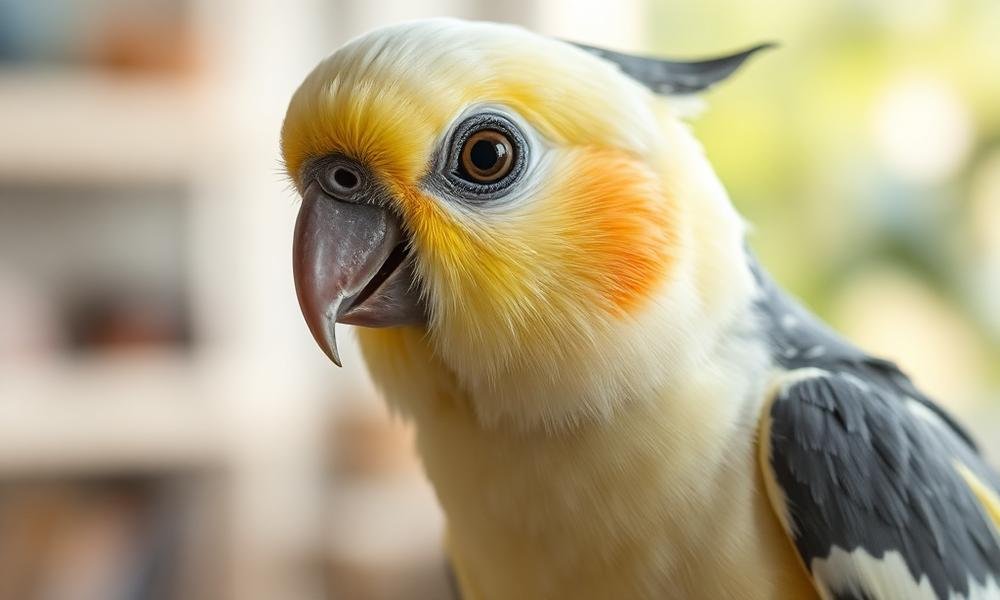
Males develop bright yellow faces and orange cheek patches by 6-12 months old. Females retain more gray in their faces and have barred tail feathers. DNA sexing through a blood test or feather sample is the only research suggests 100% accurate method.
Do cockatiels need a companion bird?
Cockatiels are flock animals and do best with at least one other cockatiel for company. Single birds require 3-4 hours of daily human interaction to stay emotionally healthy. If you work full-time, a pair of cockatiels is strongly recommended over a single bird.
How long do cockatiels live?
With proper care, cockatiels live 15-25 years. The oldest recorded cockatiel reached 36 years. Lifespan depends heavily on diet quality, exercise, social interaction, and regular veterinary care. Seed only diets and chronic stress shorten lifespan by 5-10 years.
Can cockatiels eat human food?
Yes, but only specific items. Safe foods include cooked whole grains (quinoa, brown rice), plain cooked eggs, and unsalted nuts in moderation. Toxic foods include avocado, chocolate, caffeine, alcohol, onion, garlic, and anything with artificial sweeteners like xylitol.
Check out our complete overview of budgie care guide for more information.
Learn more in our detailed guide on what do parrots eat guide.