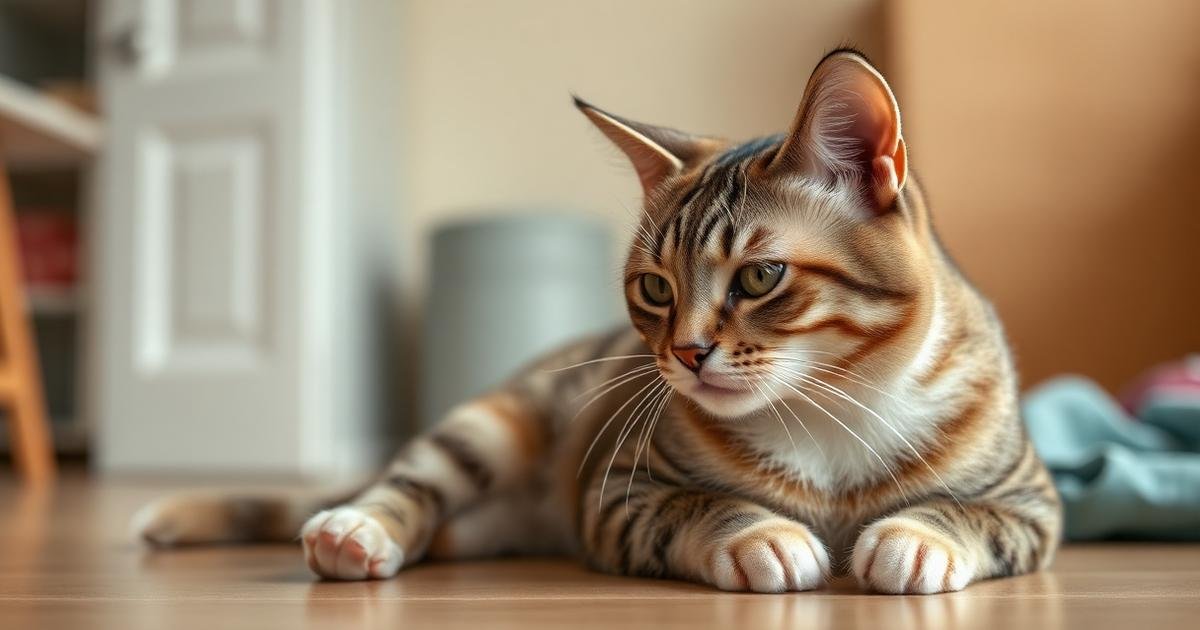
Finding a messy litter box or a sudden puddle on the floor is stressful for any cat owner. You worry about your cat's health, and you're left scrubbing carpets at 11 PM. Cat diarrhea causes and treatment start with identifying the trigger — whether it's a diet change, stress, parasites, or an underlying illness — then addressing the root cause with a vet's guidance. The key is acting fast: most cases resolve within 24-48 hours with proper care, but knowing when to involve your veterinarian can save your cat's life.
Cat diarrhea causes and treatment: The most common causes of cat diarrhea are dietary indiscretion, sudden food changes, food allergies, intestinal parasites, and stress. For adult cats, start with a 12-24 hour fast, then offer boiled chicken and rice. Add a feline-specific probiotic and ensure fresh water is always available. If dia
Quick Answer: What are the most common causes of cat diarrhea and how do you treat it?
The most common causes of cat diarrhea are dietary indiscretion, sudden food changes, food allergies, intestinal parasites, and stress. For adult cats, start with a 12-24 hour fast, then offer boiled chicken and rice. Add a feline specific probiotic and ensure fresh water is always available. If diarrhea persists beyond 48 hours, or if you see blood, vomiting, or lethargy, visit your vet immediately. Kittens under 6 months need a vet visit at the first sign of loose stools.
For a complete guide on this topic, see the Ultimate Guide To Cat Health.
This cat diarrhea causes and treatment decision works best when the owner compares daily fit, tolerance, and practical consistency together.
Why Your Cat Has Diarrhea
Diarrhea in cats is a symptom, not a disease. Your cat's digestive system is trying to flush out something harmful or irritating. Understanding the root cause is the only way to stop it for good.
For many homes, the right cat diarrhea causes and treatment choice is the one that stays reliable under ordinary daily conditions.
Dietary Indiscretion or Sudden Food Change
Cats are creatures of habit. Switching their food abruptly — even from one quality brand to another — can upset their gut flora. Eating table scraps, spoiled food, or non food items (like string or plants) also triggers loose stools. Even a single new treat can cause a reaction in sensitive cats.
A well matched cat diarrhea causes and treatment option should support the pet clearly without making the routine harder to maintain.
Intestinal Parasites
Roundworms, hookworms, giardia, and coccidia are common culprits, especially in kittens or outdoor cats. These parasites damage the intestinal lining, causing chronic or intermittent diarrhea. A fecal test at your vet is the only way to confirm this. According to the
Most owners get better long term results when cat diarrhea causes and treatment is judged through routine use rather than a single product claim.
Food Allergies or Intolerances
Some cats cannot tolerate common proteins like chicken, beef, or fish. Others react to grains or dairy. Chronic diarrhea that comes and goes — often with gas, vomiting, or itchy skin — points toward a food allergy. Chicken is the most common feline allergen, followed by beef and fish.
Stress and Anxiety
A new pet, a move, construction noise, or even a change in your work schedule can trigger stress colitis in cats. This often shows up as urgent, mucousy diarrhea. The stool may be normal in the morning but loose when you get home. Cats hide stress well, so diarrhea might be your only clue.
Underlying Medical Conditions
Hyperthyroidism, inflammatory bowel disease (IBD), pancreatitis, kidney disease, and certain cancers all list diarrhea as a common symptom. These conditions require veterinary diagnostics — blood work, ultrasound, or biopsy — and cannot be treated at home. The
Infectious Causes
Bacterial infections like Salmonella or Campylobacter, and viral infections like feline panleukopenia or feline coronavirus, can cause severe diarrhea. These are more common in unvaccinated cats, kittens, or cats from shelters. If multiple cats in your household have diarrhea simultaneously, an infectious cause is likely.
Toxin Ingestion
Cats are notorious for eating things they shouldn't. Toxic plants like lilies, certain human foods (onions, garlic, xylitol), and medications can all trigger diarrhea as an early sign of poisoning. If you suspect toxin exposure, call your vet or a pet poison helpline immediately.
Pro Tip: If your cat's diarrhea is accompanied by increased thirst, weight loss despite a good appetite, or a ravenous appetite, ask your vet to check for hyperthyroidism — it's one of the most commonly missed causes in cats over 8 years old.
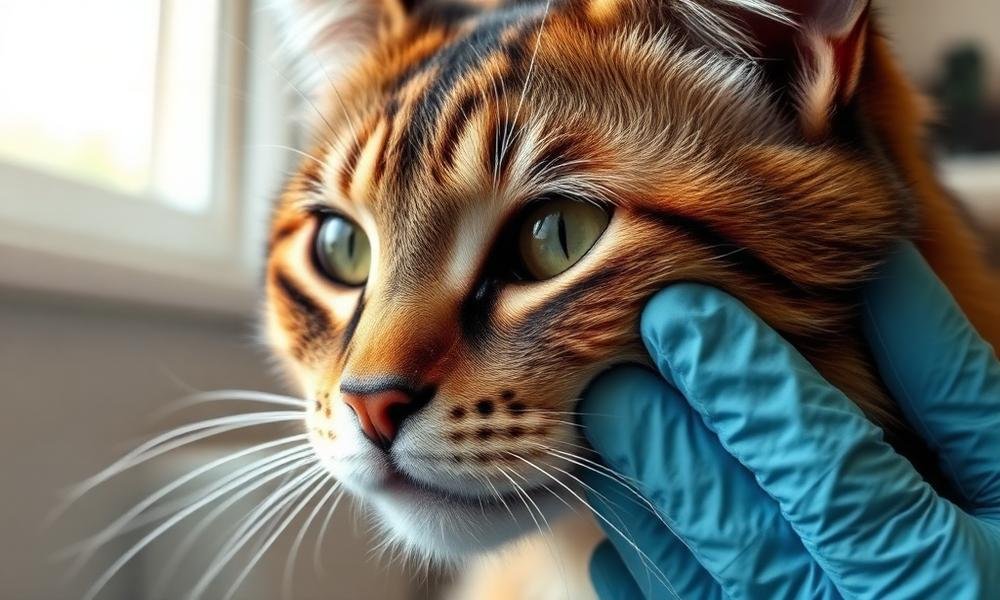
Root Cause Decision Tree for Cat Diarrhea
Match your cat's specific symptoms to find the fastest fix:
| What you observe | Likely root cause | First fix to try |
|---|---|---|
| One soft stool after eating a new treat or table scrap | Dietary indiscretion | Withhold food for 12 hours, then offer a bland diet |
| Chronic intermittent diarrhea, especially with gas or vomiting | Food allergy or intolerance | Start a novel protein elimination diet (e.g., rabbit or venison) |
| Kitten with soft stools, poor coat, and a potbelly | Intestinal parasites | Bring a fresh fecal sample to your vet for testing |
| Diarrhea only on days with major household changes | Stress colitis | Use Feliway diffusers, maintain routine, offer a quiet safe space |
| Senior cat with diarrhea, weight loss, and increased appetite | Hyperthyroidism or IBD | Schedule a vet visit for blood work and a T4 test |
| Sudden onset of bloody diarrhea with vomiting | Pancreatitis or toxin ingestion | Emergency vet visit — do not wait |
| Multiple cats with diarrhea at the same time | Infectious cause or contaminated food | Isolate affected cats, check food batch, call your vet |
When This Is NOT Just a Stomach Bug
Most diarrhea cases resolve within 24-48 hours. But some signs demand immediate veterinary attention. According to the
Red flags that need a vet visit today:
- Blood in the stool (bright red or dark/tarry)
- Vomiting alongside diarrhea
- Lethargy or hiding behavior
- Diarrhea lasting more than 48 hours in an adult cat
- Any diarrhea in a kitten under 6 months old (they dehydrate fast)
- Known toxin exposure (lilies, onions, garlic, xylitol, certain houseplants)
- Fever (warm ears, lethargy, refusal to eat)
- Diarrhea in a cat with known kidney disease, diabetes, or hyperthyroidism
Kittens and senior cats are especially vulnerable. A 6-week old kitten with diarrhea can become dangerously dehydrated within 12 hours. Never "wait and see" with a kitten. Senior cats with underlying conditions can deteriorate just as quickly.
Pro Tip: Weigh your cat daily during a diarrhea episode. A loss of research suggests 5% or more of body weight (that's 0.5 lbs in a 10 lb cat) means they're dehydrated and need fluids from the vet. Use a baby scale for accuracy.
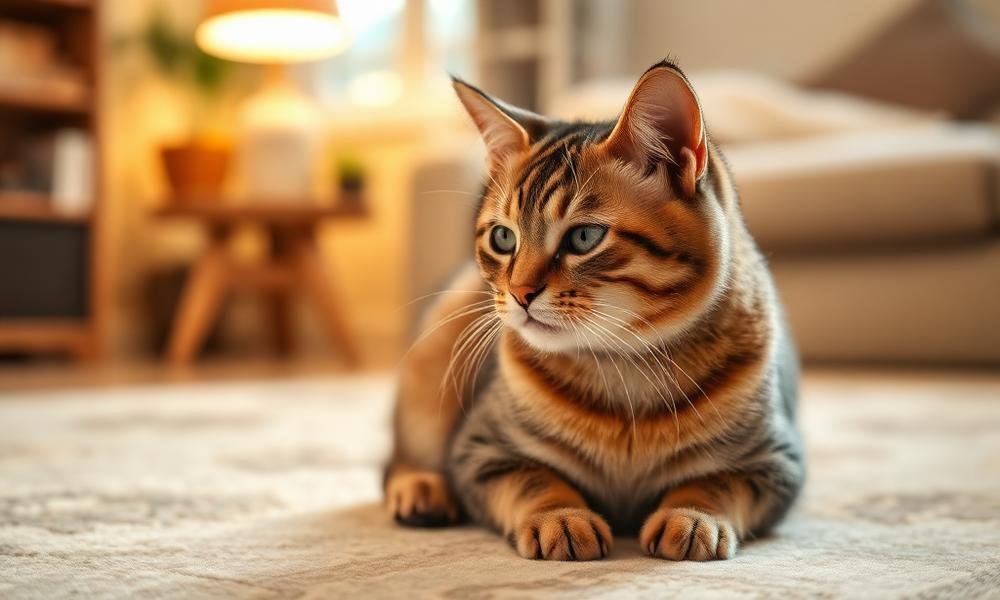
Enrichment Protocol for Cats With Stress Related Diarrhea
If your vet has ruled out medical causes, stress management is your next step. Cats need predictable outlets for their energy and anxiety. Implement these changes and track results over 2-3 weeks:
- Physical exercise: Provide at least 15-20 minutes of active play daily using wand toys. Two sessions of 10 minutes each — morning and evening — work best for most cats. Hunting style play that ends with a "catch" satisfies their prey drive.
- Mental stimulation: Use puzzle feeders for at least one meal per day. Food dispensing balls, snuffle mats, or treat puzzles keep their brain engaged and reduce stress hormones. Rotate toys weekly to prevent boredom.
- Safe vertical space: Install cat shelves or a tall cat tree. Cats feel secure when they can observe from above. This alone can resolve stress colitis in multi cat households. Aim for at least 3 vertical resting spots at different heights.
- Routine consistency: Feed meals at the same times every day. Cats thrive on predictability. Even a 30-minute shift in feeding time can trigger anxiety in sensitive cats. Keep wake-up, feeding, play, and bedtime within the same 15-minute window daily.
- Litter box hygiene: Scoop daily and provide one more box than the number of cats. Use unscented, clumping litter — scented litter is a common stress trigger. Place boxes in quiet, low traffic areas away from food and water.
- Environmental pheromones: Feliway diffusers release calming facial pheromones that can reduce stress related diarrhea. Place one in the room where your cat spends the most time. Replace the diffuser every 30 days for consistent effect.
Most cats show improvement in stool consistency within 1-2 weeks of implementing these changes consistently. If you don't see progress in 3 weeks, revisit your vet for additional diagnostics.
How to Implement a Bland Diet Safely
A bland diet is your first line home treatment for adult cats with mild diarrhea. But doing it wrong can make things worse. Here's the exact protocol veterinarians recommend:
The 12-24 Hour Fast
For adult cats only (never kittens), withhold food for 12-24 hours. This gives the digestive tract time to rest and reset. Do not withhold water — fresh, clean water must always be available. If your cat has diabetes or kidney disease, skip the fast and call your vet first.
The Bland Diet Recipe
Boil boneless, skinless chicken breast (or white fish) until fully cooked. Shred or dice into small pieces. Mix with plain white rice (cooked in water, no salt) at a 50:50 ratio. Feed small portions — about 1-2 tablespoons — every 4-6 hours. Do not add any seasonings, oils, or butter.
Transitioning Back to Normal Food
After 24-48 hours on the bland diet, start mixing in your cat's regular food. Day 1: research suggests 75% bland diet, research suggests 25% regular food. Day 2: research suggests 50% each. Day 3: research suggests 25% bland diet, research suggests 75% regular food. Day 4: full regular diet. If diarrhea returns at any step, go back to the bland diet and call your vet.
Pro Tip: Some cats refuse plain chicken and rice. If your cat won't eat the bland diet, try plain canned pumpkin mixed with a small amount of their regular food. Never force feed a cat that's refusing food — it can cause aspiration or food aversion.
Product Buying Criteria for Diarrhea Management
Once medical causes are ruled out, certain products can support your cat's recovery. Lead with what to look for — not a specific brand — so you make an informed choice.
Probiotics for cats: Look for strains specifically researched in felines — Enterococcus faecium and Bifidobacterium animalis. Avoid human probiotics, which often lack feline specific strains. cat diarrhea causes and treatment should state the CFU count (colony forming units) and include a guaranteed analysis on the label. Powders or pastes are easier to administer than capsules.
Bland diet options: Commercial gastrointestinal diets from veterinary brands are preferable to homemade food because they're nutritionally complete. Look for "highly digestible" on the label with moderate fat content (under research suggests 15% on a dry matter basis). Hills Prescription Diet i/d and Royal Canin Gastrointestinal are common options.
Fiber supplements: Plain canned pumpkin (not pumpkin pie filling) is a gentle source of soluble fiber. Start with 1 teaspoon per meal. Psyllium husk powder (unsweetened, unflavored) can also help, but start with a tiny pinch — too much fiber worsens diarrhea. Mix into wet food thoroughly.
Hydration support: A cat water fountain encourages drinking, which is critical during diarrhea. Look for one with a replaceable carbon filter and easy-to clean surfaces. Stainless steel or ceramic fountains resist bacterial growth better than plastic. Place the fountain away from the litter box.
Electrolyte supplements: Some cats benefit from feline specific electrolyte solutions added to their water. These replace lost minerals without forcing your cat to drink more. Never use human sports drinks — they contain sugar and artificial ingredients that worsen diarrhea.
Pro Tip: When choosing a probiotic, avoid products with prebiotics like inulin or FOS if your cat has active diarrhea. Prebiotics can ferment in the gut and make gas and loose stools worse initially. Stick to pure probiotics until stools firm up.
Troubleshooting Matrix for Persistent Cat Diarrhea
| Behavior pattern | Likely cause | What to do |
|---|---|---|
| Diarrhea only after eating dry food | Dry food may be too high in carbohydrates or contain a trigger ingredient | Switch to a high-protein, low carb wet food for 2 weeks and monitor |
| Diarrhea that stops when you're home, returns on workdays | Separation anxiety or stress colitis | Implement enrichment protocol above; consider Feliway diffuser near their safe space |
| Loose stools with mucus, no other symptoms | Colitis from stress or dietary sensitivity | Add 1 tsp canned pumpkin per meal for 5-7 days; if no improvement, vet visit |
| Diarrhea that smells particularly foul | Giardia or other protozoal infection | Bring a fresh fecal sample to your vet — giardia requires specific medication |
| Kitten with diarrhea but acting normal | Mild dietary upset or parasites | Fecal test at vet; avoid home treatment in kittens under 6 months |
| Diarrhea after deworming medication | Normal reaction to dying parasites | Should resolve within 24-48 hours; offer bland diet and probiotics |
| Chronic soft stools for months, no weight loss | Food intolerance or IBD | Elimination diet with novel protein for 8 weeks; keep a stool diary |
| Diarrhea with increased thirst and urination | Kidney disease or diabetes | Vet visit for blood work and urinalysis — do not attempt home treatment |
When to Use Over-the Counter Medications
Over-the counter medications for cat diarrhea are rarely recommended without veterinary guidance. Here's what you need to know:
Kaolin pectin suspensions: These are generally safe for cats and can help firm up stools by coating the intestinal lining. Follow dosing instructions carefully — typically 1-2 ml per 5 lbs of body weight every 4-6 hours. Do not use for more than 48 hours without consulting your vet.
Loperamide (Imodium): This is dangerous for cats. Some cats lack the enzyme to metabolize it, leading to toxicity. Never give your cat Imodium without explicit veterinary approval and dosing instructions. Even then, it's rarely the best choice.
Bismuth subsalicylate (Pepto-Bismol): This contains salicylates, which are toxic to cats. It can cause gastrointestinal bleeding and kidney damage. Never give Pepto Bismol or any product containing bismuth subsalicylate to your cat.
Probiotics and prebiotics: These are the safest over-the counter options. Feline specific probiotics are widely available and carry minimal risk. Always choose products formulated for cats, not dogs or humans.
Pro Tip: Before giving any over-the counter medication, call your vet's office. Most vet techs can tell you over the phone whether a specific product is safe for your cat's age, weight, and health status. This 5-minute call could save your cat's life.
Get your cat's digestive health back on track with vet recommended solutions
Browse Cat Health Options →
For broader reference and guidance, aspca.org provides useful context on pet health and care decisions.
For broader reference and guidance, petmd.com provides useful context on pet health and care decisions.
For related guidance, see Are Rope Toys Safe For Dogs.
For related guidance, see Best Cat Calming Products.
Frequently Asked Questions
<