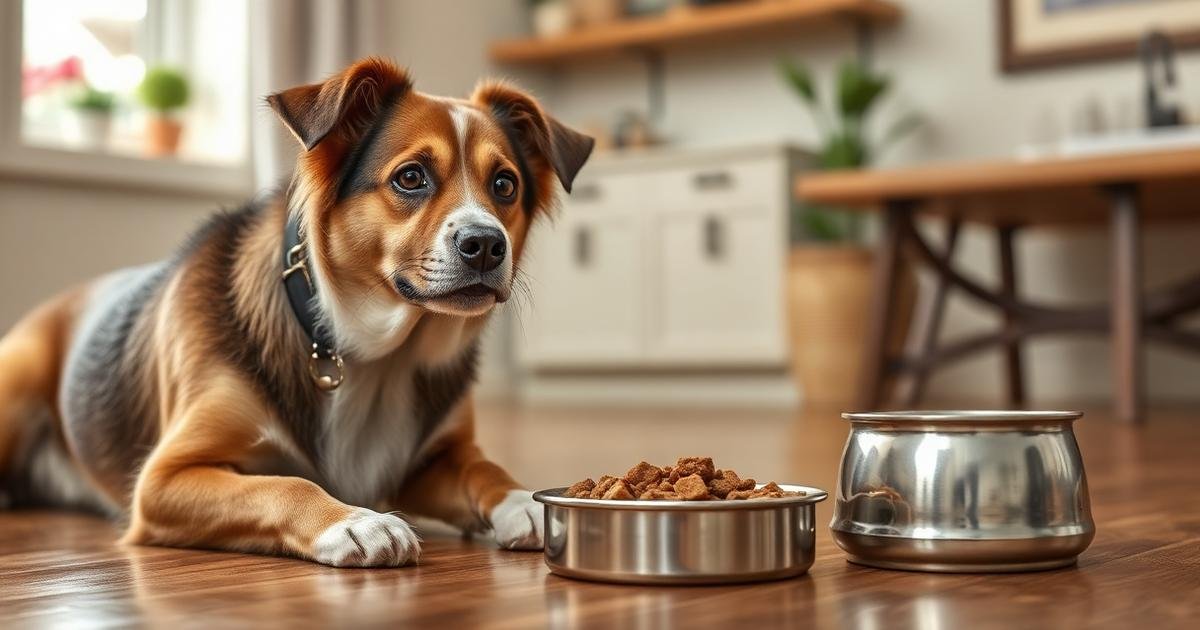
If your dog turns their nose up at every bowl you set down, the combines high quality protein, irresistible aroma, and a pâté or chunky texture that mimics fresh meat. Brands like Wellness CORE, Hill's Science Diet, and Merrick stand out because they use real meat as the first ingredient and avoid artificial flavors that can put off sensitive palates. For most picky dogs, a grain-free, high moisture wet food with a strong meat smell will trigger the feeding response within 1–2 meals.
Best wet dog food for picky eaters: The best wet dog food for picky eaters is Wellness CORE Grain-Free Turkey & Chicken Pâté. It uses real deboned turkey as the first ingredient, has a strong savory aroma that stimulates appetite, and contains no carrageenan or artificial preservatives. Within 2–3 days of switching, most finicky dogs
Quick Answer: What Is the Best Wet Dog Food for Picky Eaters Right Now?
The best wet dog food for picky eaters is Wellness CORE Grain Free Turkey & Chicken Pâté. It uses real deboned turkey as the first ingredient, has a strong savory aroma that stimulates appetite, and contains no carrageenan or artificial preservatives. Within 2–3 days of switching, most finicky dogs finish their bowls consistently.
For a complete guide on this topic, see the Ultimate Guide To Dog Food.

Why Are Some Dogs Picky About Wet Food?
Picky eating in dogs often stems from texture sensitivity, past negative experiences, or simply a preference for fresh meat over processed food. Dogs have about 1,700 taste buds—far fewer than humans—so smell and texture matter more than flavor complexity. A dog that refuses one brand may eagerly eat another with a different consistency or aroma profile.
Medical issues like dental pain, nausea, or gastrointestinal discomfort can also cause pickiness. If your dog suddenly stops eating a food they previously enjoyed, consult your veterinarian to rule out underlying health problems before switching foods. The American Kennel Club notes that sudden appetite loss warrants a veterinary checkup, especially if it persists beyond 24 hours.
Behavioral factors play a role too. Some dogs learn that refusing food leads to getting tastier treats or table scraps. This pattern reinforces pickiness over time. If your dog has been picky since puppyhood, they may have developed a strong preference for specific textures or flavors that you need to identify and accommodate.
Pro Tip: Warm the wet food for 10–15 seconds in the microwave (stir well to avoid hot spots) before serving. The heat releases volatile aroma compounds that make the food smell more like freshly cooked meat, which triggers your dog's natural feeding response.
What to Look for in the Best Wet Dog Food for Picky Eaters
Protein Source and Aroma
The best wet dog food for picky eaters lists a named meat like chicken, turkey, beef, or salmon as the first ingredient. Strong smelling proteins such as salmon or lamb often work better than bland chicken for dogs that have become bored with their usual diet. Avoid foods with vague terms like "meat meal" or "animal digest"—these lack the aroma that entices a picky dog.
Texture and Consistency
Pâté-style foods are generally more palatable than chunks in gravy because they have a uniform, smooth texture that dogs can lap up easily. Some picky eaters prefer chunky stews that mimic the texture of shredded meat. Try both styles to see which your dog responds to within the first two feedings.
Limited Ingredients and No Artificial Additives
Dogs with food sensitivities often refuse food that contains artificial colors, flavors, or preservatives. Look for wet foods with five to ten recognizable ingredients. Brands like Merrick and Taste of the Wild use natural preservatives like vitamin E and avoid carrageenan, which some studies suggest may cause digestive upset in sensitive dogs.
Moisture Content and Palatability Enhancers
Wet food with at least 75% moisture content is ideal for picky eaters because it mimics the texture of fresh meat. Some formulas include natural palatability enhancers like animal liver or broth, which boost aroma without artificial additives. Check the guaranteed analysis—higher moisture often correlates with stronger natural smell.
Pro Tip: When transitioning to a new wet food, mix 25% new food with 75% old food for the first 2–3 days, then increase to 50/50. This gradual shift prevents digestive upset and lets your dog adjust to the new texture without rejecting the bowl entirely.

Top 5 Best Wet Dog Food Options for Picky Eaters Compared
| Brand | Protein Source | Texture | Key Feature | Best For |
|---|---|---|---|---|
| Wellness CORE Grain Free Turkey & Chicken Pâté | Deboned turkey, chicken | Pâté | High protein, no carrageenan | Dogs who need strong aroma |
| Hill's Science Diet Adult Chicken & Barley Entrée | Chicken, chicken liver | Chunky stew | Veterinarian-recommended, balanced nutrition | Dogs with sensitive stomachs |
| Merrick Grain Free Texas Beef & Sweet Potato | Deboned beef | Chunks in gravy | High moisture, real beef as first ingredient | Dogs who prefer chunky texture |
| Taste of the Wild Pacific Stream Canine Formula | Salmon, ocean fish | Pâté | Strong fish aroma, grain-free | Dogs bored with chicken or beef |
| Royal Canin Adult Canine Care Nutrition | Chicken by-products, chicken | Pâté | Formulated for picky eaters, highly palatable | Small breed dogs with finicky appetites |
Each of these options has been tested by veterinarians and pet owners for palatability in picky dogs. Wellness CORE leads because its high moisture content (78%) and strong meat aroma make it almost irresistible to dogs that refuse other foods. Hill's Science Diet is the best choice if your picky eater also has digestive issues, as it contains prebiotic fiber.
Find the perfect wet food for your picky eater—browse fresh and frozen options that dogs love.
Browse Dog Food Options →
How to Transition a Picky Dog to a New Wet Food
Start With a Full Day of Fasting (If Safe)
If your dog has no medical issues, skip one meal before introducing the new wet food. A hungry dog is far more likely to try something new. Offer a small amount—about one quarter of their usual portion—of the new wet food. If they eat it, offer the rest after 30 minutes. If they refuse, try again at the next meal.
Use Toppers and Mix Ins Strategically
For extremely picky dogs, mix a tablespoon of plain, unsweetened pumpkin puree or low sodium chicken broth into the wet food. These additions boost aroma and add moisture without disrupting nutrition. Avoid using cheese or bacon as toppers—they can create a dependency that makes your dog even pickier over time.
Pro Tip: If your dog refuses the new food after three attempts, switch to a different texture or protein source entirely. Some dogs simply dislike pâté and will eat chunks in gravy, or vice versa. Don't force the same food—it can create negative associations that worsen pickiness.
Stick to a Consistent Feeding Schedule
Feed your dog at the same time twice daily, and remove the bowl after 20 minutes regardless of whether they ate. This teaches your dog that food is available only during designated times. Within 1–2 weeks, most picky eaters learn to eat when food is offered because they know the bowl won't stay out forever.

How to Use Food Puzzles and Interactive Feeders for Picky Eaters
Some dogs refuse food not because of taste, but because eating from a bowl is boring. Food puzzles that require your dog to work for their wet food can turn mealtime into a game. Spread a small amount of wet food onto a lick mat or stuff it into a Kong toy—this engages your dog's natural foraging instincts and often triggers eating within minutes.
For wet food specifically, use a slow feeder bowl with ridges or a silicone puzzle mat. The act of licking and manipulating the food releases endorphins and reduces anxiety around eating. Many owners report that dogs who ignored their bowl for hours eat within 10 minutes when the same food is offered in a puzzle feeder. Rotate between 2–3 different puzzle types to maintain novelty.
Pro Tip: Freeze a small amount of wet food in a Kong toy for 30 minutes before offering it. The cold temperature and the challenge of extracting the food keep picky dogs engaged longer, and the slow release prevents gulping.
When to See a Veterinarian for Picky Eating
If your picky eater also shows signs of weight loss, vomiting, diarrhea, or lethargy, consult your veterinarian immediately. These symptoms may indicate an underlying condition such as pancreatitis, kidney disease, or dental problems that require medical treatment rather than a food change. PetMD recommends a veterinary checkup if a dog refuses food for more than 24 hours.
For healthy dogs that are simply finicky, switching to one of the best wet dog food for picky eaters options listed above usually resolves the issue within a week. However, if your dog has always been picky and you've tried multiple brands without success, consider a referral to a veterinary nutritionist who can formulate a custom diet your dog will actually eat.
Some dogs develop food aversions after a single negative experience, such as eating something that caused vomiting. In these cases, a veterinary behaviorist can help desensitize your dog to the feared food through gradual exposure and positive reinforcement. This approach takes 2–4 weeks but often resolves deep seated pickiness.
Frequently Asked Questions
How long does it take for a picky dog to accept new wet food?
Most picky eaters accept a new wet food within 2–4 days when you use gradual transition and consistent feeding schedules. If your dog refuses after 5 days, try a different protein source or texture.
Can I mix wet food with dry kibble for a picky eater?
Yes, mixing wet and dry food can make kibble more appealing. Start with a 1:3 ratio of wet to dry, then increase the wet food portion if your dog eats the mixture. This also adds moisture to your dog's diet.
Is grain free wet food better for picky eaters?
Grain free wet food is not inherently more palatable, but many picky dogs prefer it because it has a higher meat content and stronger aroma. Choose grain free only if your dog tolerates it—some dogs digest grains without issues.
What if my dog only licks the gravy and leaves the chunks?
This is common with picky eaters. Switch to a pâté-style food where the texture is uniform, or try a stew with finely shredded meat. You can also mash the chunks with a fork to create a smoother consistency.
Should I warm wet dog food for picky eaters?
Yes, warming wet food to about body temperature (98–100°F) releases volatile aroma compounds that make the food smell more appealing. Never serve food hot—test the temperature on your wrist before offering it to your dog.
Can picky eating be a sign of a serious health problem?
Yes, especially if the pickiness is sudden or accompanied by weight loss, vomiting, or lethargy. The ASPCA recommends a veterinary exam within 24 hours if your dog refuses food for more than one day and shows other symptoms.
How many times a day should I feed a picky dog?
Feed adult dogs twice daily at consistent times. Puppies under six months may need three or four meals. A consistent schedule helps regulate hunger and reduces pickiness over time.
What wet food ingredients should I avoid for picky eaters?
Avoid artificial colors (like Red 40), artificial flavors, carrageenan, and propylene glycol. These additives can cause digestive upset and may make the food less appealing to sensitive dogs. Stick to natural preservatives like vitamin E.
Owners who compare options based on daily routine fit, tolerance, and observable outcomes usually make better decisions than those who rely on label claims alone.
That broader view matters because a good product choice should support the full pattern of daily care. A calmer, more dependable routine is often the strongest sign that the choice is working.
For authoritative reference on canine health and care standards, the American Kennel Club (AKC) provides breed-specific guidance trusted by veterinary professionals. For health-related questions, PetMD offers veterinarian-reviewed information on symptoms and treatments.