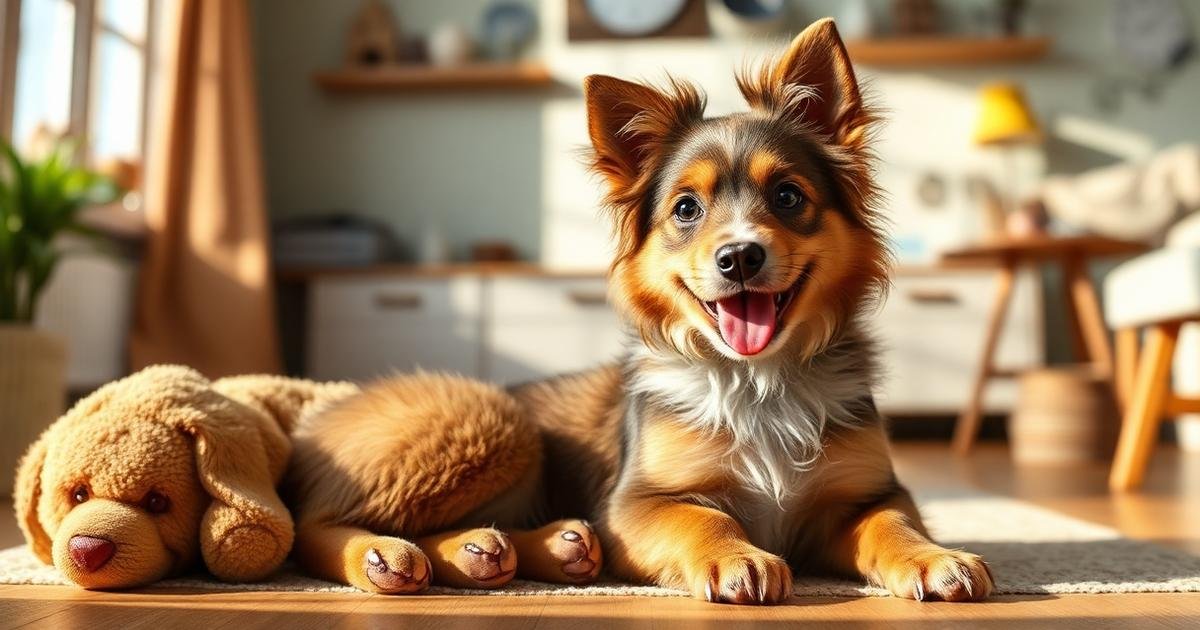
Choosing best small pets for kids means finding a pet that matches your child's age, energy, and your family's daily routine. The top options are guinea pigs, rats, hamsters, gerbils, mice, and certain small birds — each with distinct care needs and interaction styles. The best choice for your family depends on how much handling your child wants and how much space and time you can commit.
Best small pets for kids: Guinea pigs are the best small pets for most kids because they are diurnal, rarely bite, enjoy being held, and bond strongly with their owners. Rats are a close second for older children due to their intelligence and trainability. For low-maintenance options, consider hamsters or gerbils, but be awa
Quick Answer: What are the best small pets for kids?
Guinea pigs are the best small pets for most kids because they are diurnal, rarely bite, enjoy being held, and bond strongly with their owners. Rats are a close second for older children due to their intelligence and trainability. For low maintenance options, consider hamsters or gerbils, but be aware of their nocturnal habits.
For a complete guide on this topic, see the Small Pet Care Guide.
This best small pets for kids decision works best when the owner compares daily fit, tolerance, and practical consistency together.

What to Look for When Choosing a Small Pet for Your Child
Before you pick a pet, consider your child's age. Kids under 6 do best with pets that are sturdy, handleable, and awake during the day — like guinea pigs. Older children can manage more delicate animals like rats or hamsters.
For many homes, the right best small pets for kids choice is the one that stays reliable under ordinary daily conditions.
Think about daily time commitment. Guinea pigs need at least 30 minutes of floor time daily and a full cage clean once a week. Hamsters are lower maintenance but require a large wheel for exercise and a deep layer of bedding for burrowing.
Allergies are a real factor. According to the
Pro Tip: Always adopt from a rescue or reputable breeder rather than a pet store. Rescue animals are often already socialized, and you'll get honest information about their temperament and health history.
How to Match a Small Pet to Your Child's Age and Personality
A hamster is a great starter pet for a 6–8 year old who wants a pet they can watch and occasionally handle. But if your child wants a cuddly companion they can hold for 20 minutes while reading, a guinea pig is the better match.
Rats are perfect for tweens and teens. They can learn tricks like "come when called" and "spin around" within 2–3 weeks of consistent training. They also form strong bonds and show affection by licking and grooming their owners.
For a child who wants something unique, consider a gerbil. Gerbils are social, active during the day, and rarely bite. They do best in pairs and need a deep tank for digging — not a wire cage, which can injure their tails.

Top 5 Best Small Pets for Kids: A Detailed Comparison
1. Guinea Pigs — The Most Kid Friendly Option
Guinea pigs are awake during the day, rarely bite, and love being held. They need a cage at least 7.5 square feet for one pig, plus daily floor time. They also require a consistent source of vitamin C in their diet — provide fresh bell peppers or guinea pig pellets fortified with vitamin C.
They are social animals and do best in pairs of the same sex. Two females are easiest; two males need a larger space to avoid fighting. Expect a lifespan of 5–7 years.
2. Rats — The Smartest Small Pet for Kids
Rats are highly intelligent and can learn their name within 1–2 weeks. They need a large, multi level wire cage with solid flooring and plenty of enrichment like tunnels, hammocks, and puzzle toys. They are social and must be kept in same sex pairs or groups.
Rats are nocturnal but will adapt to their owners' schedule with regular handling. They live 2–3 years. According to
3. Hamsters — Low Maintenance but Nocturnal
Syrian hamsters are the best choice for kids because they are larger and less skittish than dwarf hamsters. They need a wheel at least 8 inches in diameter to prevent back problems, plus deep bedding for burrowing. Hamsters are solitary and must live alone.
Hamsters sleep during the day and are active at night. If your child wants to interact in the evening, this works well. But waking a sleeping hamster can lead to a bite. Lifespan is 2–3 years.
4. Gerbils — Active and Social Daytime Pets
Gerbils are awake during the day and evening, making them more visible than hamsters. They are social and should be kept in same sex pairs. They need a 10-gallon tank or larger with a secure mesh lid — wire cages can trap their tails.
Gerbils love digging and need at least 4 inches of dust free bedding. They rarely bite and are very active, which makes them entertaining for kids. Lifespan is 3–4 years.
5. Mice — Small, Quick, and Best for Watching
Mice are tiny and fast, so they are better for watching than handling. They need a tank with a secure lid and plenty of toys like wheels, tubes, and ropes. Keep females in groups; males are territorial and should live alone.
Mice are active during short bursts throughout the day and night. They live 1–2 years. They are not ideal for young children who want to hold their pet, but older kids enjoy watching their antics.
| Pet | Best for Ages | Handling Level | Daytime Active? | Lifespan | Social Needs |
|---|---|---|---|---|---|
| Guinea Pig | 5+ | High | Yes | 5–7 years | Pairs |
| Rat | 8+ | High | Adaptable | 2–3 years | Pairs |
| Hamster | 6+ | Low–Medium | No (nocturnal) | 2–3 years | Solitary |
| Gerbil | 6+ | Medium | Yes | 3–4 years | Pairs |
| Mouse | 8+ | Low | Bursts | 1–2 years | Pairs (females) |
How to Set Up the Perfect Habitat for Your Child's Small Pet
A proper habitat is the foundation of a happy, healthy pet. For guinea pigs, choose a cage with a solid bottom and at least 7.5 square feet of floor space. Wire bottom cages can injure their feet and cause bumblefoot, a painful infection.
Rats need vertical space — a multi level cage with ramps, hammocks, and platforms. Provide at least 2.5 cubic feet per rat. Use fleece or paper based bedding; avoid pine and cedar shavings, which can cause respiratory issues.
Hamsters and gerbils thrive in tanks rather than wire cages. A 20-gallon long tank works well for a Syrian hamster, while gerbils need a 10-gallon tank minimum for a pair. Both need a solid wheel — 8 inches for hamsters, 6 inches for gerbils — and deep bedding for burrowing.
Pro Tip: Place the cage in a quiet, draft free room away from direct sunlight and loud noises like TV speakers. Small pets are easily stressed by sudden sounds and temperature changes, which can lead to illness within 1–2 weeks.

Teaching Your Child Responsibility With a Small Pet
Start with simple tasks like filling the water bottle and measuring food. For a 5-year-old, this means scooping pellets into a bowl under your supervision. For an 8-year-old, it can include spot cleaning soiled bedding and providing fresh vegetables.
Create a daily checklist with pictures for younger children. Tasks include: check water, add food, give a treat, and spend 10 minutes of quiet time near the cage. This builds routine without overwhelming them.
Gradually increase responsibilities as your child matures. By age 10, most kids can handle full daily care for a guinea pig or rat, including floor time and enrichment. But always supervise cage cleaning and vet visits — those are adult tasks.
Common Mistakes Parents Make When Getting Small Pets for Kids
The biggest mistake is choosing a pet based on looks alone. A hamster might look cute, but if your child wants a daytime cuddle buddy, a guinea pig is a better fit. Research each pet's needs before buying.
Another mistake is buying a single social animal. Guinea pigs, rats, and gerbils need same sex companions to thrive. A lone guinea pig can become depressed and stop eating within 2–3 weeks.
Parents also underestimate the cost. Initial setup for a guinea pig can cost $150–$300, plus ongoing food, bedding, and vet care. Budget for annual vet checkups, which can run $50–$100 per visit.
How to Prepare Your Home and Family for a Small Pet
Set up the cage before bringing the pet home. This includes bedding, food bowls, a water bottle, and enrichment items. Let your child help with best small pets for kids — it builds excitement and teaches responsibility.
Create a care schedule. For a guinea pig, this means daily feeding, water changes, and floor time, plus weekly cage cleaning. Post the schedule on the fridge so everyone knows their tasks.
Teach your child how to handle the pet safely. Always sit on the floor when holding small pets to prevent falls. Supervise all interactions until your child is confident and the pet is comfortable.
Pro Tip: Start with a "handling jar" — a clear container where the pet can see and sniff your child's hand through the glass for a few days. This builds trust before any actual handling begins.
Ready to find the perfect small pet for your family? We've gathered the best options and starter kits to help you get started.
Browse Small Pet Options →
For broader reference and guidance, akc.org provides useful context on pet health and care decisions.
For broader reference and guidance, petmd.com provides useful context on pet health and care decisions.
Frequently Asked Questions
What is the best small pet for a 5-year-old?
A guinea pig is the best choice for a 5-year old because they are sturdy, rarely bite, and are active during the day. They enjoy being held and can learn to recognize their owner. Always supervise handling with young children.
Are hamsters good pets for kids?
Hamsters are good for kids aged 6 and older who understand that they sleep during the day. They are low maintenance but require a large wheel and deep bedding. Syrian hamsters are best because they are larger and less skittish than dwarf species.
Which small pet lives the longest?
Guinea pigs live the longest among common small pets, with a lifespan of 5–7 years. This makes them a bigger commitment than hamsters or mice, but also a more rewarding long term companion for a child.
What small pet is easiest to take care of?
A hamster is generally the easiest small pet to care for because they require only weekly cage cleaning and daily feeding. However, they are nocturnal and not as interactive as guinea pigs or rats.
Can you keep two hamsters together?
No, Syrian hamsters must live alone. Dwarf hamsters can sometimes live in same sex pairs if they are littermates, but fighting is common. It's safest to house hamsters individually to prevent injury.
What small pet is best for a child with allergies?
Gerbils are often a good choice for children with mild allergies because they produce less dander than guinea pigs or rats. However, you should still spend time with one before bringing it home. Consider a reptile or fish for severe allergies.
How much does it cost to set up a small pet habitat?
Initial setup costs range from $100 for a hamster to $300 for a guinea pig with a quality cage. Ongoing monthly costs are $20–$50 for food, bedding, and treats. Budget for an annual vet visit at $50–$100.
What small pet is best for a child who wants to train tricks?
Rats are the best choice for trick training. They can learn to spin, fetch, and come when called within 2–3 weeks. Use positive reinforcement with small treats like yogurt drops or pieces of banana.