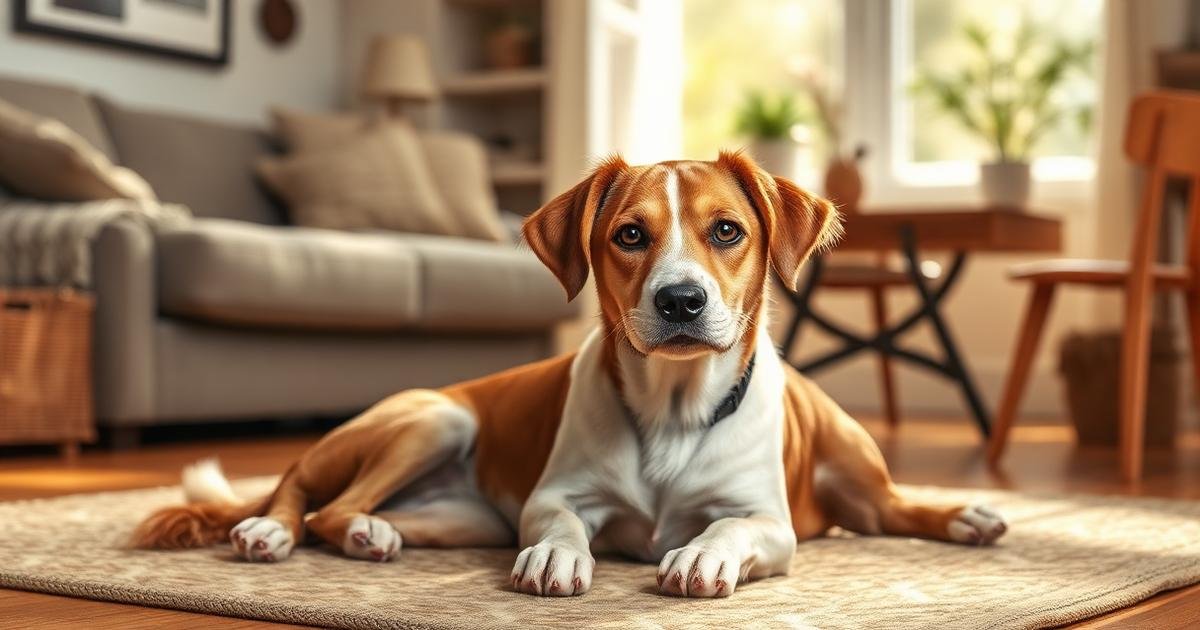
If you're looking for the best dog breeds low shedding, you're likely dreaming of a furry companion without the constant vacuuming. The truth is that no dog is truly hypoallergenic, but many breeds produce significantly less dander and shed far less hair than others. The best low shedding breeds for most owners are Poodles, Bichon Frises, and Portuguese Water Dogs, as they have hair that grows continuously rather than shedding in a cycle.
Best dog breeds low shedding: The top 3 best dog breeds low shedding for most households are the Poodle (all sizes), Bichon Frise, and Portuguese Water Dog. These breeds have hair, not fur, which grows continuously and traps dander close to the body. With regular grooming every 4-6 weeks, they produce minimal loose hair and dand
Quick Answer: What are the absolute best low shedding dog breeds for allergy sufferers?
The top 3 best dog breeds low shedding for most households are the Poodle (all sizes), Bichon Frise, and Portuguese Water Dog. These breeds have hair, not fur, which grows continuously and traps dander close to the body. With regular grooming every 4-6 weeks, they produce minimal loose hair and dander in your home.
For a complete guide on this topic, see the Complete Dog Breed Guide.
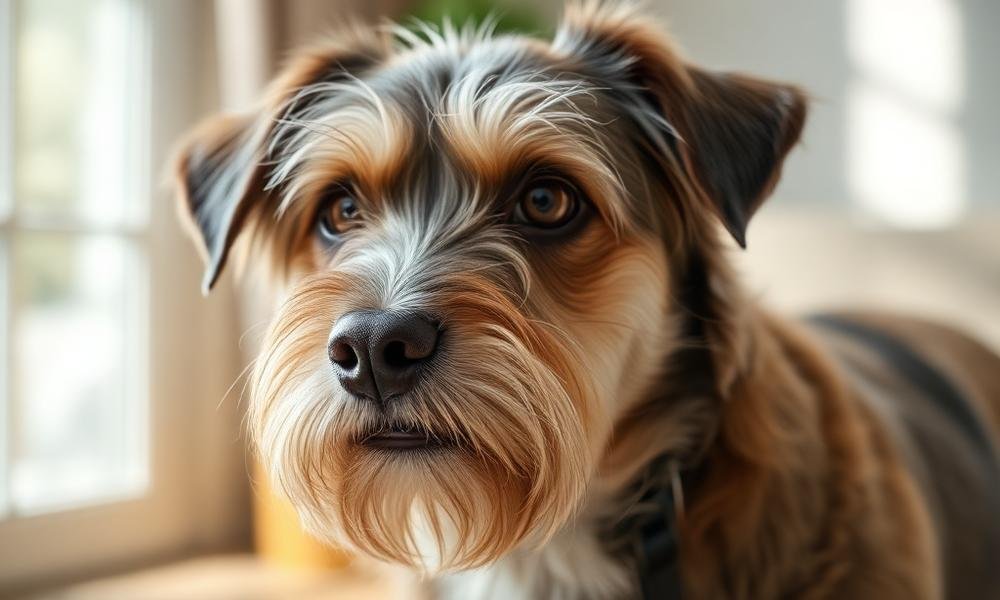
What makes a dog truly low-shedding?
Not all low shedding dogs are created equal. The key difference lies in coat type. Dogs with a single coat of hair (like Poodles) shed very little, while double coated breeds (like Golden Retrievers) shed heavily during seasonal changes.
Dogs with hair grow it continuously, similar to human hair. This means it needs regular trimming, but it doesn't fall out in clumps on your furniture. The American Kennel Club explains that breeds with "hair" rather than "fur" are typically better for allergy sufferers because they produce less dander — the dead skin cells that trigger allergic reactions.
However, low shedding doesn't mean no maintenance. Every low shedding breed requires consistent grooming. Without brushing every 2-3 days and professional grooming every 4-8 weeks, their hair will mat severely, causing skin infections and discomfort for your dog.
Pro Tip: Before committing to any breed, spend at least 30 minutes with an adult dog of that breed. Puppies produce less dander, so testing with a puppy can mislead you about your actual allergy response.
What should you look for when choosing a low shedding breed?
When evaluating the best dog breeds low shedding, consider these five factors carefully. Your decision affects both your comfort and your dog's quality of life for the next 10-15 years.
Coat type and maintenance needs
Single coated breeds with continuously growing hair are your best bet. These include Poodles, Bichon Frises, and Schnauzers. Their hair traps dander against the skin rather than releasing it into the air. Expect to budget $60-120 per professional grooming session every 4-8 weeks.
Size and living space
Low shedding breeds come in all sizes. Toy Poodles thrive in apartments, while Standard Poodles need at least 45 minutes of daily exercise and a house with a yard. Portuguese Water Dogs require significant space and daily vigorous activity. Match the breed's energy level to your lifestyle, not just the shedding factor.
Energy level and exercise requirements
Many low shedding breeds were developed as working dogs. Poodles were water retrievers. Portuguese Water Dogs helped fishermen. These breeds need at least 45-60 minutes of active exercise daily. Without it, they develop destructive behaviors like chewing furniture or excessive barking.
Personality and family compatibility
Bichon Frises are typically excellent with children and other pets. Schnauzers can be more reserved with strangers. Poodles are highly intelligent and need mental stimulation through puzzle toys or training sessions. Research each breed's typical temperament through the AKC behavior guides to find your match.
Grooming commitment
This is where most owners underestimate the work. Low shedding breeds require more grooming, not less. You'll need to brush your dog 3-4 times per week and schedule professional grooming every 4-6 weeks. If you can't commit to this schedule, a low shedding breed may not be right for you.
Ready to find the perfect low shedding companion for your home?
Browse Dog Products →
Which 5 breeds are the absolute best for low shedding?
Based on AKC breed standards, veterinary recommendations, and owner experience, these five breeds consistently rank as the best dog breeds low shedding for allergy sufferers and clean home enthusiasts.
| Breed | Shedding Level | Size | Exercise Needs | Grooming Frequency |
|---|---|---|---|---|
| Poodle (Toy, Miniature, Standard) | Very low | 4-70 lbs | 45-60 min/day | Every 4-6 weeks |
| Bichon Frise | Very low | 10-18 lbs | 30-40 min/day | Every 4-6 weeks |
| Portuguese Water Dog | Very low | 35-60 lbs | 60+ min/day | Every 6-8 weeks |
| Miniature Schnauzer | Low | 11-20 lbs | 40-50 min/day | Every 5-7 weeks |
| Shih Tzu | Low | 9-16 lbs | 20-30 min/day | Every 4-6 weeks |
Poodle: The gold standard for low shedding
Poodles are the undisputed champions of low shedding breeds. Their curly, single layer coat produces minimal dander and almost no loose hair. They come in three sizes — Toy (under 10 lbs), Miniature (10-15 lbs), and Standard (45-70 lbs) — so they fit almost any living situation.
Beyond their coat, Poodles are among the most intelligent dog breeds. They excel in obedience training and learn new commands in as few as 5 repetitions. However, their intelligence means they need mental challenges daily. Without puzzle toys or training sessions, they can become destructive.
Bichon Frise: The happy hypoallergenic companion
The Bichon Frise has a double coat, but it's unique. Their soft undercoat and curly outer coat trap dander rather than releasing it. They produce very little dander overall, making them one of the best dog breeds low shedding for people with mild allergies.
Bichons are cheerful, playful dogs that thrive on human companionship. They're excellent for apartment living due to their small size and moderate energy levels. Plan on professional grooming every 4-6 weeks to keep their white coat free of mats and stains.
Portuguese Water Dog: The active family choice
Made famous by the Obama family, Portuguese Water Dogs are robust, energetic dogs with a waterproof, non shedding coat. They have no undercoat, which means minimal dander release. Their hair grows continuously and requires regular clipping every 6-8 weeks.
These dogs need significant exercise — at least 60 minutes of vigorous activity daily. They excel at swimming, hiking, and agility sports. The ASPCA behavior resources recommend this breed for active families who can provide structured activities and consistent training.
Miniature Schnauzer: The sturdy low-shedder
Miniature Schnauzers have a wiry double coat that sheds minimally. Their outer coat is harsh and wiry, while the undercoat is soft. This combination traps dander effectively. They require hand stripping or clipping every 5-7 weeks to maintain coat health.
These dogs are alert, spirited, and excellent watchdogs. They bond closely with their families but can be reserved with strangers. Their moderate size and energy level make them suitable for apartments with adequate daily walks.
Shih Tzu: The lap dog with minimal shedding
Shih Tzus have a long, flowing double coat that sheds surprisingly little. Their hair grows continuously, similar to human hair, and requires daily brushing to prevent mats. Professional grooming every 4-6 weeks keeps them comfortable and looking their best.
These small dogs were bred as companion animals for Chinese royalty. They're affectionate, outgoing, and content with short daily walks. They're ideal for seniors or apartment dwellers who want a low shedding lap dog.
Pro Tip: If you're torn between breeds, consider a Poodle mix like a Labradoodle or Goldendoodle. However, understand that mixed breeds don't guarantee low shedding coats — each puppy inherits coat type unpredictably from its parents.
How do you manage shedding in any dog breed?
Even the best dog breeds low shedding produce some dander and occasional loose hair. Here's how to minimize what ends up on your furniture and in your air.
Establish a brushing routine
Brush your low shedding dog at least 3 times per week. Use a slicker brush for curly coats and a pin brush for silky coats. This removes loose hair before it falls onto surfaces and distributes natural oils for a healthier coat. Within 2-3 weeks of consistent brushing, you'll notice significantly less hair around your home.
Invest in a quality vacuum and air purifier
A vacuum with a HEPA filter captures dander and hair effectively. Vacuum carpets and upholstery at least twice weekly. An air purifier with a HEPA filter in the room where your dog spends the most time can reduce airborne dander by up to research suggests 50% within 1-2 weeks.
Bathe strategically
Bathing your dog every 4-6 weeks with a gentle, moisturizing shampoo removes loose hair and dander. Over bathing dries out the skin and increases dander production. Follow your veterinarian's recommendations for your specific breed — some may need bathing more or less frequently.
Maintain professional grooming
Never skip professional grooming appointments. Groomers remove dead undercoat, trim hair around sanitary areas, and check for skin issues. Regular grooming keeps your dog's coat healthy and reduces shedding by up to research suggests 70% compared to neglected coats.
Pro Tip: Feed your dog a high quality diet rich in omega-3 fatty acids. Fish oil supplements can improve coat health and reduce shedding within 4-6 weeks. Always consult your veterinarian before adding supplements to your dog's diet.
What about other breeds often recommended as low-shedding?
You'll see many other breeds marketed as low-shedding. Here's the reality check based on veterinary consensus and owner experience.
Yorkshire Terrier
Yorkies have hair, not fur, and shed very little. Their fine, silky coat requires daily brushing to prevent mats. They're excellent for apartments but can be difficult to housetrain. At 4-7 pounds, they're fragile around young children.
Maltese
Maltese dogs have a single coat of silky white hair that sheds minimally. They're gentle, affectionate companions that need daily brushing. Their small size and moderate energy make them suitable for most living situations, but they can be prone to tear staining.
Havanese
Havanese have a soft, silky double coat that sheds very little. They're intelligent, social dogs that thrive on human interaction. Their coat requires brushing every other day and professional grooming every 4-6 weeks. They're excellent family dogs with proper socialization.
Chinese Crested (Hairless)
The Hairless Chinese Crested has no coat at all, making it truly non-shedding. However, they require regular skin care including moisturizing and sun protection. The Powderpuff variety has a full coat that sheds minimally. Both varieties are rare and can be expensive.
Soft Coated Wheaten Terrier
Wheatens have a single coat of soft, wavy hair that sheds very little. They're energetic, friendly dogs that need at least 45 minutes of daily exercise. Their coat requires brushing 2-3 times weekly and professional grooming every 6-8 weeks.
For more detailed information on breed specific care, the PetMD condition guides provide comprehensive health and grooming recommendations for each breed.
Frequently Asked Questions
Are Poodle mixes like Labradoodles guaranteed to be low-shedding?
No. Mixed breed dogs inherit coat type unpredictably from each parent. A Labradoodle may have a Poodle like non-shedding coat, a Labrador like shedding coat, or something in between. Only first generation crosses from low shedding parents on both sides offer reliable results.
How much does professional grooming cost for low shedding breeds?
Professional grooming for low shedding breeds typically costs $60-120 per session, depending on your location and the breed's size and coat complexity. Most breeds need grooming every 4-8 weeks. Budget $500-1,500 annually for professional grooming alone.
Can I keep a low shedding dog if I have severe allergies?
Maybe, but proceed carefully. No dog is research suggests 100% hypoallergenic. Spend 30-60 minutes with an adult dog of your chosen breed before committing. Consider allergy testing and consult an allergist. Many people with mild to moderate allergies manage well with Poodles or Bichon Frises.
Which low shedding breed is best for first time dog owners?
The Bichon Frise is ideal for first time owners. They're small, adaptable, and eager to please. Their moderate energy level and friendly temperament make training manageable. However, their grooming needs are significant — be prepared for the commitment before bringing one home.
Do low shedding breeds still produce dander?
Yes. All dogs produce dander — dead skin cells — regardless of coat type. Low shedding breeds trap more dander in their hair rather than releasing it into the environment. Regular grooming and bathing reduce dander levels significantly but don't eliminate them entirely.
How often should I bathe a low shedding dog?
Most low shedding breeds benefit from bathing every 4-6 weeks. Use a gentle, moisturizing shampoo designed for dogs. Over bathing strips natural oils and increases dander production. Follow your veterinarian's recommendation based on your dog's specific skin condition and activity level.