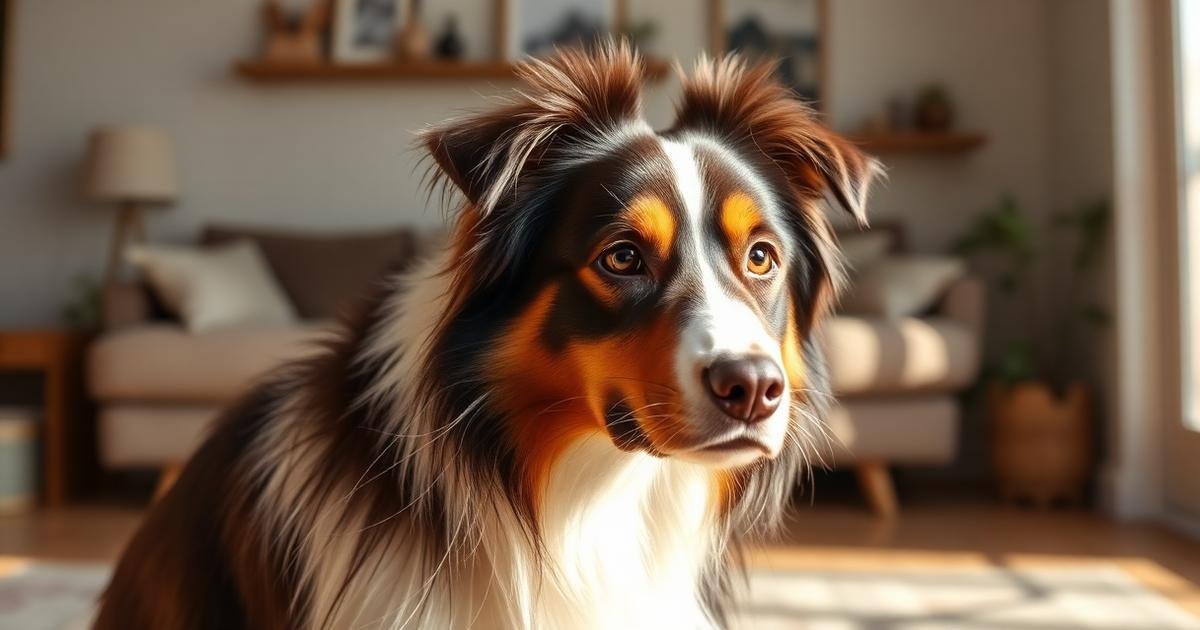
If you're looking for a complete Australian shepherd breed guide, you've come to the right place. The Australian Shepherd is a highly intelligent, energetic, and loyal herding dog that thrives with an active owner. This guide covers everything you need to know about this breed, from temperament and training to health and daily care, so you can decide if an Aussie is the right fit for your home.
Australian shepherd breed guide: An Australian Shepherd is best for active individuals or families who can provide at least 60-90 minutes of vigorous exercise daily, plus consistent mental stimulation through training and puzzle games. This breed is not a good fit for sedentary lifestyles or first-time owners who cannot commit to t
Quick Answer: Is an Australian Shepherd the right dog for me?
An Australian Shepherd is best for active individuals or families who can provide at least 60-90 minutes of vigorous exercise daily, plus consistent mental stimulation through training and puzzle games. This breed is not a good fit for sedentary lifestyles or first time owners who cannot commit to their high energy and intelligence needs. If you can meet these demands, you'll gain a devoted, brilliant companion for 12-15 years.
For a complete guide on this topic, see the Complete Dog Breed Guide.
This Australian shepherd breed guide decision works best when the owner compares daily fit, tolerance, and practical consistency together.

What makes the Australian Shepherd's temperament unique?
The Australian Shepherd is a working dog through and through. Bred to herd livestock for hours, they are incredibly smart, loyal, and eager to please—but also intense. They form deep bonds with their family and are often wary of strangers, making them excellent watchdogs.
For many homes, the right Australian shepherd breed guide choice is the one that stays reliable under ordinary daily conditions.
This breed is known for its "off switch" problem. When under exercised or under-stimulated, an Aussie becomes restless, destructive, and prone to anxiety. You'll see behaviors like excessive barking, digging, or chasing shadows. According to the AKC's behavior guides, this is a direct result of unmet needs, not a "bad" dog.
A well matched Australian shepherd breed guide option should support the pet clearly without making the routine harder to maintain.
They are also highly sensitive. Aussies pick up on your emotions and energy. If you're stressed, they often become stressed too. This makes positive reinforcement training essential—harsh corrections can damage their trust and lead to fear based behaviors.
Most owners get better long term results when Australian shepherd breed guide is judged through routine use rather than a single product claim.
Pro Tip: Australian Shepherds are notorious for "velcro dog" behavior. They want to be with you constantly. If you work long hours or travel often, this breed will struggle without a doggy daycare or a dedicated pet sitter.
How much exercise does an Australian Shepherd really need?
This is the most critical question for any potential owner. An Australian Shepherd needs a minimum of 60-90 minutes of high intensity exercise every single day. A leisurely walk around the block won't cut it. They need runs, hikes, fetch, or agility work that gets their heart rate up.
Beyond physical exercise, they require 30-45 minutes of mental stimulation daily. This can include obedience training, puzzle toys, scent work, or learning new tricks. A tired Aussie is a happy Aussie—but "tired" means both physically and mentally exhausted.
Without this, expect trouble. Destructive chewing, fence running, and herding children or other pets are common signs of an under stimulated Aussie. The ASPCA's dog care resources emphasize that behavioral issues in herding breeds almost always stem from insufficient exercise and enrichment.
Pro Tip: Invest in a flirt pole or a herding ball. These tools mimic the chase-and control instinct Aussies love. Use them in short 10-15 minute sessions to burn off energy fast.

What are the key health concerns in Australian Shepherds?
Australian Shepherds are generally healthy, but like all purebreds, they have predispositions to certain conditions. The most common issues include hip dysplasia, elbow dysplasia, and progressive retinal atrophy (PRA). Regular vet check ups are non-negotiable.
Another major concern is the MDR1 gene mutation. This genetic defect makes Aussies sensitive to certain medications, including ivermectin (found in some heartworm preventatives) and other drugs. The PetMD condition guides recommend that all Australian Shepherds be tested for the MDR1 mutation before starting any new medication.
Eye problems are also prevalent. Collie eye anomaly and cataracts can affect vision. Reputable breeders screen for these conditions. You should ask for certification from the Canine Eye Registry Foundation (CERF) and the Orthopedic Foundation for Animals (OFA) for hips and elbows.
Pro Tip: When choosing a puppy, ask the breeder for proof of MDR1 testing on both parents. This simple step can prevent life threatening drug reactions later in your dog's life.
How do you train an Australian Shepherd effectively?
Training an Australian Shepherd is a joy and a challenge. They learn commands in 5-10 repetitions, but they also get bored quickly. Keep sessions short—5-10 minutes—and end on a positive note. Use high value treats like small pieces of chicken or cheese.
Crate training is highly recommended. It gives them a safe space to decompress and prevents separation anxiety. Start early, and never use the crate as punishment. An Aussie that sees their crate as a den will be calmer and more secure.
Socialization is critical. Because they can be reserved with strangers, expose your puppy to different people, dogs, and environments from 8-16 weeks of age. Puppy classes are excellent for this. Without proper socialization, an Aussie can become reactive or overly protective.
| Behavior | Likely Cause | Solution |
|---|---|---|
| Nipping at heels | Herding instinct | Redirect to a toy; teach "leave it" |
| Excessive barking | Boredom or alertness | Increase exercise; provide puzzle toys |
| Chasing cars/bikes | Strong prey drive | Practice recall; use a long line |
| Destructive chewing | Under-stimulation | Provide bully sticks; increase mental work |
What is the best diet for an Australian Shepherd?
An Australian Shepherd needs a high quality diet formulated for active breeds. Look for food with at least 22-26% protein from named animal sources (chicken, beef, fish). Avoid fillers like corn, soy, and by-products.
Because they are prone to bloat (gastric dilatation-volvulus), feed two smaller meals per day instead of one large one. Avoid vigorous exercise for at least one hour after eating. The AVMA's pet owner resources recommend raised feeders for deep chested breeds, though research is ongoing.
Joint health supplements like glucosamine and chondroitin can be beneficial, especially for working or older Aussies. Omega-3 fatty acids from fish oil support their coat and brain health. Always consult your vet before adding supplements.
How do you groom an Australian Shepherd properly?
An Australian Shepherd has a thick double coat that requires consistent care. Brush them 2-3 times per week with an undercoat rake or slicker brush to remove loose hair and prevent mats. During shedding season in spring and fall, brush daily to keep the hair under control.
Bathing should happen every 6-8 weeks, or when your dog gets dirty. Use a dog specific shampoo that won't strip natural oils. Their ears need weekly checks for wax buildup or infection, and trim their nails every 3-4 weeks if they don't wear down naturally.
Don't shave your Aussie's coat in summer. The double coat actually insulates them against both heat and cold. Shaving can damage the coat's regrowth and increase the risk of sunburn. Instead, provide shade and plenty of water during hot weather.
Pro Tip: Start grooming routines early with positive reinforcement. Use treats during brushing sessions so your puppy learns to enjoy the process. This will save you hours of struggle later.
What activities are best for an Australian Shepherd?
Aussies excel at dog sports. Agility, obedience trials, flyball, and herding tests are perfect outlets for their energy and intelligence. Many owners report that their dog's behavior improves dramatically within 2-3 weeks of starting a regular sport.
Hiking and trail running are also excellent. An Aussie can easily cover 5-10 miles in a day. If you're a runner, this breed makes an ideal companion. Just wait until your puppy is at least 12-18 months old before running long distances to protect their developing joints.
Mental games matter just as much. Hide-and-seek, treat dispensing puzzles, and nose work games keep their brain engaged. A 15-minute training session can tire them out as much as a 30-minute run. Rotate activities to prevent boredom from setting in.
| Your Lifestyle | Best Activity for Your Aussie | Minimum Time Needed |
|---|---|---|
| You're a runner | Daily runs + fetch sessions | 60 minutes |
| You have a fenced yard | Frisbee + herding ball play | 45 minutes |
| You work from home | Short walks + puzzle toys throughout day | Spread across 2-3 sessions |
| You want a sport | Agility or obedience classes | 1-2 classes weekly + practice |
Ready to gear up your active Aussie? Find durable toys, training tools, and health essentials.
Browse Dog Products →
Owners who compare options based on daily routine fit, tolerance, and observable outcomes usually make better decisions than those who rely on label claims alone.
That broader view matters because a good product choice should support the full pattern of daily care. A calmer, more dependable routine is often the strongest sign that the choice is working.
It also helps to judge whether the choice continues to work once the novelty of a change wears off. If results hold steady and the routine stays manageable, that is more meaningful than a strong first impression.
When owners stay practical, they are more likely to notice whether the current choice is truly helping. A useful product should remain dependable during ordinary weeks, not only when conditions are ideal.
Frequently Asked Questions
Are Australian Shepherds good with kids?
Yes, but with supervision. They are loyal and protective, but their herding instinct can cause them to nip at children's heels to "herd" them. Proper training and early socialization are essential to prevent this behavior. Teach children how to interact calmly with the dog to avoid triggering chase instincts.
Do Australian Shepherds shed a lot?
Yes, they shed heavily, especially during seasonal changes in spring and fall. They have a double coat that requires brushing 2-3 times per week to manage loose hair. Daily brushing during shedding season is recommended, along with regular vacuuming of your home.
How long do Australian Shepherds live?
The average lifespan is 12-15 years. With proper care including a healthy diet, regular exercise, and routine vet check-ups, many Aussies live into their mid-teens. Genetics play a large role, so choose a reputable breeder who screens for hereditary conditions.
Can Australian Shepherds live in apartments?
It's not ideal. While possible with an extremely dedicated owner who provides 2+ hours of daily exercise, they are best suited for homes with a fenced yard. Without space to run, they often become restless and destructive. If you live in an apartment, plan for multiple daily trips to a dog park.
Are Australian Shepherds easy to train?
Yes, they are one of the most trainable breeds due to their high intelligence and eagerness to please. However, their cleverness can backfire—they will test boundaries if training is inconsistent. Use positive reinforcement and keep sessions fun to maintain their engagement.
What is the difference between an Australian Shepherd and a Miniature American Shepherd?
The Miniature American Shepherd is a smaller version, standing 13-18 inches tall versus the Australian Shepherd's 18-23 inches. They share the same temperament and energy levels, but the Miniature is more suited for smaller homes. Both breeds need the same amount of exercise and mental stimulation.
Do Australian Shepherds get along with other dogs?
Generally yes, especially if socialized early. They can be dominant with dogs of the same sex, so proper introductions are important. Their herding instinct may cause them to chase or circle other dogs, which some dogs find annoying. Supervise initial interactions until you know their temperament.
How much does an Australian Shepherd puppy cost?
From a reputable breeder, expect to pay $800-$2,000. Puppies from champion bloodlines or with specific coat colors can cost more. Avoid bargain priced puppies from backyard breeders, as they often skip health testing. Adoption from a rescue is also an option, with fees typically ranging from $150-$400.
Check out our complete overview of golden retriever breed guide for more information.
Check out our complete overview of french bulldog breed guide for more information.