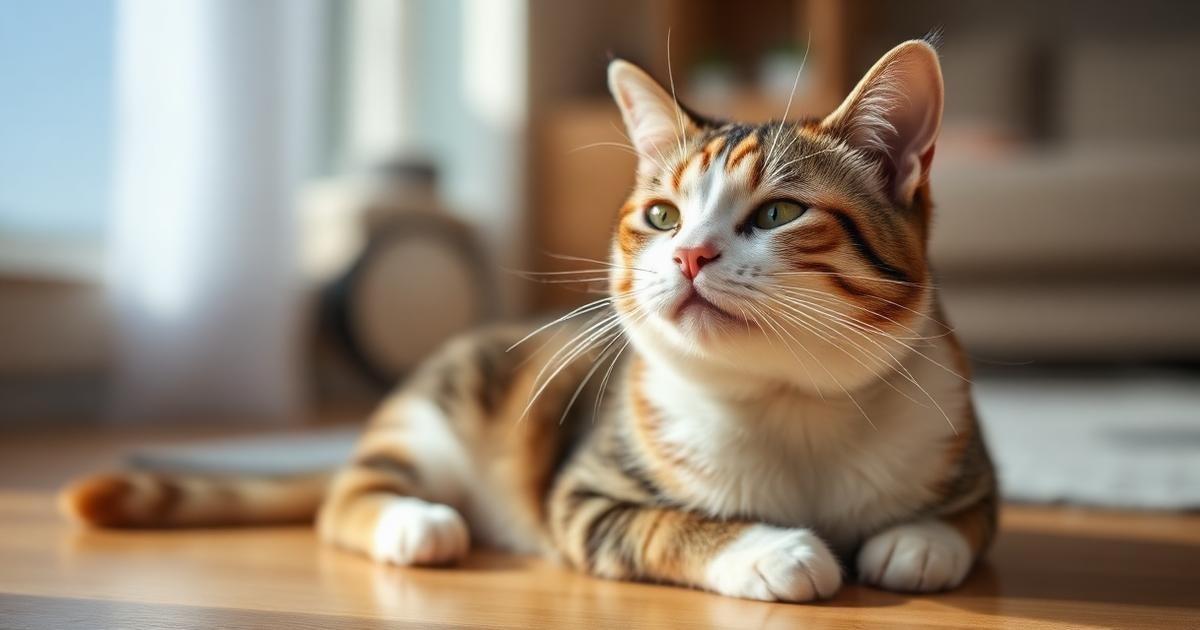
Wondering "how do I know if my cat is in pain"? The short answer is that cats are masters at hiding discomfort, so you need to watch for subtle changes in behavior, posture, and daily habits. The most reliable signs include hiding more than usual, changes in litter box use, reduced appetite, and altered body language like squinting eyes or a hunched back. This guide will walk you through exactly what to look for so you can help your cat quickly. Recognizing these signs early can make the difference between a minor issue and a serious health crisis.
How do I know if my cat is in pain: Look for changes in your cat's normal behavior: hiding, reduced appetite, not using the litter box, vocalizing more (or less), and altered posture like a hunched back or squinting eyes. Cats instinctively hide pain, so any deviation from their routine warrants a veterinary check within 24 hours. Tru
Quick Answer: How Do I Know If My Cat Is In Pain?
Look for changes in your cat's normal behavior: hiding, reduced appetite, not using the litter box, vocalizing more (or less), and altered posture like a hunched back or squinting eyes. Cats instinctively hide pain, so any deviation from their routine warrants a veterinary check within 24 hours. Trust your gut — you know your cat best.
For a complete guide on this topic, see the Ultimate Guide To Cat Health.
What Are the Most Common Behavioral Signs of Pain in Cats?
Cats evolved to hide weakness — it kept them safe from predators in the wild. So when you're asking "how do I know if my cat is in pain," you need to become a detective of subtle changes. The most telling sign is a shift in your cat's normal personality.
A social cat that suddenly hides under the bed or a previously independent cat that becomes clingy is a red flag. According to the ASPCA's pet care resources, changes in social interaction are among the earliest indicators of pain or illness. You might notice your cat avoiding favorite spots, refusing to jump on the couch, or sleeping in unusual locations.
Vocalization changes are another key clue. Some cats become unusually quiet to avoid drawing attention, while others may hiss, growl, or yowl more frequently. Purring isn't always a sign of happiness — cats also purr when stressed or in pain as a self soothing mechanism. A cat that suddenly starts meowing at night or crying in the litter box needs immediate attention.
Pro Tip: Take a 10-second video of your cat's behavior each morning. Having a baseline of their normal movements and sounds makes it much easier to spot subtle pain related changes later. Compare weekly, not daily, for the most accurate picture.
Changes in Eating and Drinking Habits
Pain often suppresses appetite. If your cat suddenly stops eating, eats less, or shows disinterest in treats they normally love, pain is a likely cause. Dental pain, gastrointestinal issues, or joint discomfort can all make eating uncomfortable. A cat that normally devours wet food in seconds but now walks away after a few licks is showing a clear warning sign.
Watch for messy eating: dropping food, eating on only one side of the mouth, or crying while chewing. These specific behaviors point to oral pain, which the AVMA pet owner resources identify as one of the most underdiagnosed sources of feline discomfort. Cats with dental disease may also drool excessively or have blood tinged saliva.
Litter Box Changes as Pain Indicators
A cat in pain often avoids the litter box. Why? Because squatting hurts, or the box is too hard to access. You might see your cat urinating or defecating outside the box, straining without producing much, or spending an unusually long time in the box. Some cats cry out while in the litter box — this is a strong pain signal.
If your cat is suddenly having accidents, don't assume it's a behavioral issue. According to PetMD's condition guides, urinary tract infections, bladder stones, and arthritis are common pain sources that cause litter box avoidance. Rule out pain before trying behavior modification. A cat that associates the box with pain may avoid it entirely, creating a vicious cycle.

How Can You Spot Pain Through Your Cat's Body Language?
Your cat's body tells a story. When you're learning how do I know if my cat is in pain, focus on three areas: posture, facial expression, and movement. These are the most reliable physical indicators. Cats are subtle creatures, but their bodies rarely lie.
A painful cat often adopts a "pain face" — squinted or half closed eyes, flattened ears, and a tense muzzle. The AKC's behavior guides note that this expression, sometimes called the "grimace scale," is used by veterinarians to assess pain levels in animals. If your cat's face looks tight or worried, pain is likely. You may also notice their whiskers are pulled back against their cheeks rather than relaxed and forward.
Posture changes are equally telling. Look for a hunched back, tucked belly, head lowered, or a stiff, stilted gait. Cats with abdominal pain may lie in a "praying position" with their front end down and rear end up. Cats with joint pain often avoid jumping or climb stairs one step at a time. A cat that suddenly can't make it onto the kitchen counter they've jumped on for years needs a veterinary evaluation.
Changes in Grooming Behavior
Pain affects grooming in two opposite ways. Some cats stop grooming entirely, leading to a matted, greasy coat. Others over groom specific areas — usually the painful spot — causing bald patches or skin irritation. A cat with a sore hip might obsessively lick that area until the fur is thin or gone.
If you notice your cat licking excessively at their lower back, hips, or a specific limb, that area is likely painful. Arthritis is a common culprit for lower back over grooming in senior cats. Check for swelling, heat, or tenderness when you gently palpate the area. You might also find small scabs or irritated skin from the constant licking.
Pro Tip: Run your hands slowly over your cat's body while they're relaxed. Note any flinching, tensing, or vocalization. Do this weekly as a baseline check. If you find a spot that makes your cat react, mark it on a simple body diagram and monitor it over 48 hours.
What Physical Symptoms Should You Watch For?
Behavioral changes are the first clue, but physical symptoms confirm the suspicion. When asking "how do I know if my cat is in pain," look for these measurable signs. These are objective indicators that don't rely on interpretation.
Changes in breathing pattern are significant. A cat in pain may breathe faster than normal (over 30 breaths per minute at rest), take shallow breaths, or breathe with an open mouth. Panting in cats is almost always a sign of distress — not normal cooling like in dogs. If your cat is panting at rest, this is an emergency.
Heart rate can also increase. A normal resting heart rate for a cat is 140-220 beats per minute. Pain can push this higher. You can check by placing your hand on their left side just behind the elbow. Count beats for 15 seconds and multiply by four. A heart rate consistently above 220 at rest warrants a vet visit.
Temperature and Other Vital Signs
A cat's normal temperature is 100.5-102.5°F. Pain alone rarely causes fever, but infection related pain often does. If your cat feels warm to the touch (especially the ears and paws) and is acting painful, a veterinary visit is urgent. Use a pet specific thermometer for accurate readings — ear thermometers work well for cats.
Other physical signs include dilated pupils (even in bright light), trembling or shivering, and a stiff tail that doesn't swish normally. Cats in pain may also sleep more than usual — up to 20 hours a day compared to their normal 12-16 hours. A cat that seems "lazy" or "depressed" may actually be conserving energy while dealing with pain.
Changes in Mobility and Activity Levels
Pain directly affects how your cat moves. You might notice your cat hesitating before jumping, using a different path to reach favorite spots, or sleeping in lower locations they never used before. A cat that once slept on the top of the cat tree but now stays on the floor is likely struggling with joint pain.
Watch for stiffness after rest — this is classic arthritis behavior. Your cat may walk stiffly for the first few steps after waking up, then loosen up. This "warm-up" period is a hallmark of degenerative joint disease. You might also notice your cat's nails are overgrown because they're not scratching as frequently due to discomfort.

How Do You Differentiate Between Pain and Behavioral Issues?
This is where many cat owners get stuck. A cat that stops using the litter box could have pain — or they could be stressed about a new pet. How do I know if my cat is in pain versus just being stubborn or anxious? The answer lies in patterns and progression.
The key is to look for consistency. Pain related behaviors are usually consistent across situations. A cat with arthritis will avoid jumping regardless of where the couch is. A cat with a behavioral issue might avoid the litter box only when it's dirty or when a specific person is nearby. Pain doesn't care about context — it's always there.
Pain behaviors also tend to get worse over time, while behavioral issues may fluctuate with environmental changes. If your cat's symptoms appeared suddenly after a fall or fight, pain is more likely. If they developed gradually over weeks, consider both pain and age related changes. A cat that suddenly hates being petted on the lower back is likely experiencing pain there.
Use the "Two Day Rule"
If a behavior change lasts more than 48 hours without improvement, assume pain until proven otherwise. This rule prevents you from dismissing serious issues as "just a mood." Cats hide pain so effectively that by the time you notice a change, it's often been present for days or weeks. Don't wait for your cat to "snap out of it."
Track the behavior on a simple calendar. Note when it started, how often it happens, and what seems to trigger it. This record is invaluable for your veterinarian. The ASPCA's resources recommend bringing this log to every vet visit for chronic behavior changes. Include photos or videos if possible — they capture details you might miss.
Pro Tip: Try the "treat test." Offer your cat their favorite high value treat. If they show no interest, pain is a strong possibility. A cat in significant pain often loses interest in food entirely — even for treats they normally go crazy for. This test works best with smelly, irresistible foods like tuna or chicken baby food.
When Should You Take Your Cat to the Vet for Pain?
Any suspicion of pain warrants a veterinary visit. But some situations are emergencies. If your cat shows any of these signs, go to the emergency vet immediately: sudden collapse, difficulty breathing, open mouth breathing, seizures, inability to urinate, or obvious trauma like a wound or limp. These are non negotiable emergencies.
For less urgent signs — reduced appetite, hiding, mild limping — schedule an appointment within 24-48 hours. Don't wait a week. Pain delays healing, suppresses the immune system, and can lead to chronic pain conditions that are harder to treat. Early intervention always leads to better outcomes.
Never give your cat human pain medications. Acetaminophen (Tylenol) is toxic to cats — a single tablet can be fatal. Ibuprofen and naproxen cause kidney failure. Always consult your veterinarian for safe pain management options like buprenorphine, gabapentin, or NSAIDs formulated for cats. What's safe for you can kill your cat.
What to Expect at the Vet Visit
Your vet will perform a full physical exam, checking for tenderness, swelling, and range of motion. They may recommend blood work, X-rays, or ultrasound depending on the suspected cause. Bring your behavior log and any videos you've taken — these are incredibly helpful for diagnosis. A video of your cat struggling to jump is worth a thousand words.
Treatment depends on the underlying cause. Arthritis might be managed with joint supplements, weight management, and pain medication. Dental disease requires a professional cleaning. Soft tissue injuries may need rest and anti-inflammatories. Your vet will create a tailored plan. Follow up visits are often needed to adjust medications and monitor progress.

How Can You Help Your Cat Stay Comfortable at Home?
While waiting for your vet appointment, there are safe ways to support your cat. The goal is to reduce stress and make their environment more accessible. Never try to diagnose or treat pain yourself — your role is to observe and comfort.
Provide soft, warm bedding in easily accessible locations. Place beds in quiet, low traffic areas where your cat feels safe. For cats with mobility issues, add ramps or steps to help them reach favorite spots. A simple cardboard box with a soft blanket can be a comforting retreat for a cat in pain.
Keep food, water, and litter boxes on the same floor as your cat's resting area. This reduces the need to climb stairs or jump. Use shallow litter boxes with low sides for cats with joint pain. Switch to wet food if your cat has dental issues — it's easier to eat and provides extra hydration.
When to Use Heat or Cold Therapy
For muscle pain or arthritis, gentle heat can help. Use a microwavable pet safe heating pad wrapped in a towel. Never use human heating pads — they get too hot and can burn your cat. Apply for 10-15 minutes at a time, only if your cat stays still and seems comfortable.
For acute injuries like sprains or post surgical pain, cold therapy may be better. Wrap an ice pack in a thin towel and apply for 5-10 minutes. Never force your cat to accept either therapy. If they resist, stop. Your cat will tell you what feels good by staying still and relaxing into the treatment.
Your cat deserves comfort. Find vet recommended pain management products and calming aids to support their recovery.
Browse Cat Health Options →
Frequently Asked Questions
Can cats purr when they are in pain?
Yes. Cats purr not only when happy but also when stressed, frightened, or in pain. Purring releases endorphins that help cats self-soothe. If your cat is purring but also hiding, not eating, or showing other pain signs, don't assume they're fine — investigate further. Pain purring is often accompanied by tense body language.
How do I know if my cat is in pain from arthritis?
Arthritic cats show stiffness, especially after resting, difficulty jumping onto furniture, reduced grooming of the lower back, and a reluctance to use stairs. You may notice your cat walking with a stilted gait or hesitating before jumping. These signs worsen in cold or damp weather. Senior cats over 10 years old are especially at risk.
What are the signs of dental pain in cats?
Dental pain signs include drooling, pawing at the mouth, bad breath, dropping food while eating, eating on only one side, and red or bleeding gums. Your cat may also avoid hard food, cry when chewing, or suddenly prefer wet food over dry kibble. Dental disease is painful and can lead to systemic infections if untreated.
Is hiding always a sign of pain in cats?
No, but it's a strong indicator. Cats hide when scared, stressed, or ill. If your cat is hiding and also showing other signs like reduced appetite, changes in litter box use, or altered body language, pain should be high on your list of suspects. A single hiding episode may be normal; repeated hiding is not. Trust your instincts.
How do I know if my cat is in pain from a urinary tract infection?
UTI pain signs include straining to urinate, urinating small amounts frequently, blood in the urine, crying while urinating, and urinating outside the litter box. Your cat may also lick their genital area excessively. UTIs in cats are emergencies — they can quickly become life-threatening, especially in male cats who can develop life threatening blockages.
Can cats hide pain for weeks or months?
Yes, cats are experts at hiding pain. They can mask discomfort for weeks or even months until the pain becomes severe enough to override their survival instincts. This is why regular wellness exams (at least once a year, twice for seniors) are essential for catching pain early. Annual blood work can detect problems before you see symptoms.
Do cats cry tears when in pain?
No, cats do not cry emotional tears like humans. Watery eyes in cats are usually a sign of eye irritation, allergies, or infection — not pain related sadness. However, a cat in pain may vocalize more, including crying like sounds. Focus on behavior changes rather than looking for tears.
How can I tell if my kitten is in pain?
Kittens show pain differently than adult cats. Look for excessive crying, lethargy, refusal to play, hiding, or changes in eating. Kittens are more vulnerable to dehydration if pain reduces their food and water intake. Any sign of pain in a kitten under 6 months old should be treated as urgent — their small bodies can deteriorate quickly.
For related guidance, see Are Rope Toys Safe For Dogs.
For related guidance, see Best Cat Calming Products.