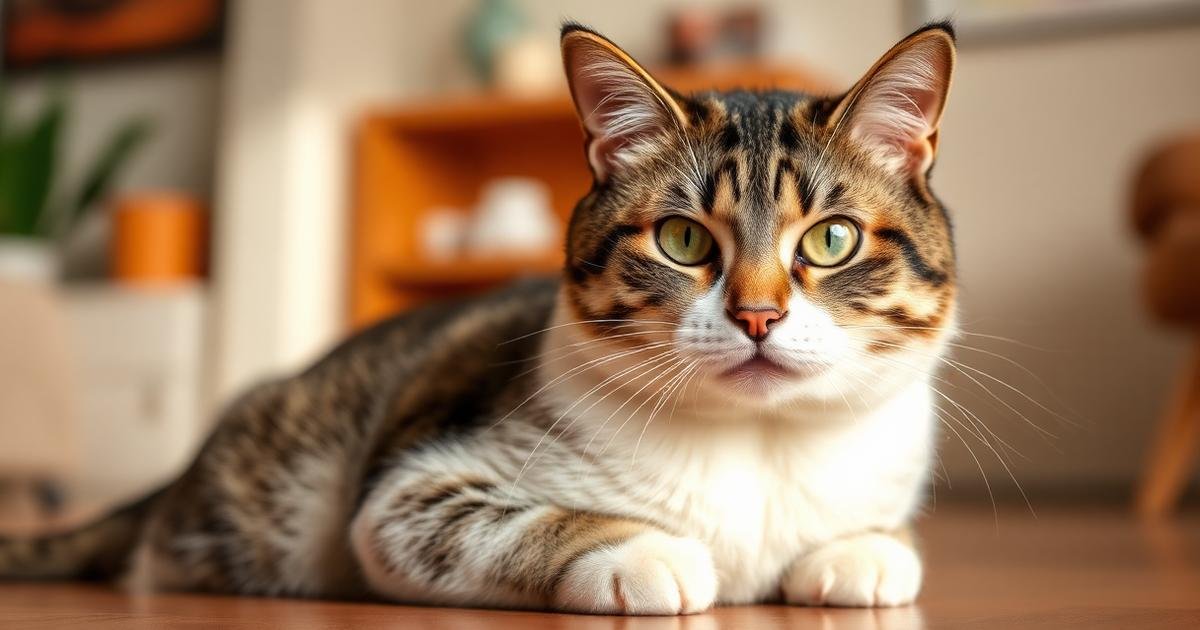
Choosing the best cat vitamins and supplements for your feline companion can feel overwhelming with so many options on the market. The truth is that most cats on a complete and balanced commercial diet do not need daily multivitamins. However, specific supplements — like omega-3 fatty acids for joint health, probiotics for digestion, or taurine for heart function — can make a real difference for cats with particular health needs, life stages, or dietary gaps. This guide breaks down exactly what to look for, which ingredients matter, and the top rated products worth your money.
Best cat vitamins and supplements: The best cat vitamins and supplements are those that address a specific, veterinarian-confirmed need — such as omega-3 fatty acids for inflammation, probiotics for digestive health, or taurine for heart support. For most healthy cats on quality commercial food, a general multivitamin is unnecessary.
Quick Answer: What Are the Best Cat Vitamins and Supplements for My Cat?
The best cat vitamins and supplements are those that address a specific, veterinarian confirmed need — such as omega-3 fatty acids for inflammation, probiotics for digestive health, or taurine for heart support. For most healthy cats on quality commercial food, a general multivitamin is unnecessary. Always choose products with third party testing (like NASC seal) and consult your vet before starting any new supplement regimen.
For a complete guide on this topic, see the Ultimate Guide To Cat Health.
Do Healthy Cats Really Need Supplements?
Most cats eating a high-quality, AAFCO approved commercial diet get all the essential nutrients they need from their food. The Association of American Feed Control Officials (AAFCO) sets strict nutritional profiles that ensure complete and balanced nutrition for both growth and maintenance.
There are clear exceptions. Cats on homemade diets, those with chronic illnesses (kidney disease, arthritis, hyperthyroidism), senior cats over 10 years old, or cats with known deficiencies may benefit from targeted supplementation. According to the AVMA pet owner resources, you should never supplement without first ruling out underlying medical conditions through bloodwork.
Pro Tip: Before buying any supplement, ask your vet for a specific blood panel. A 2023 study in the Journal of Feline Medicine and Surgery found that over research suggests 40% of cat owners who supplemented did so for conditions their cat didn't actually have.
Supplements are not a replacement for veterinary care. If your cat shows symptoms like lethargy, poor coat condition, or digestive upset, address the root cause with your vet first.
What to Look For in a Quality Cat Supplement
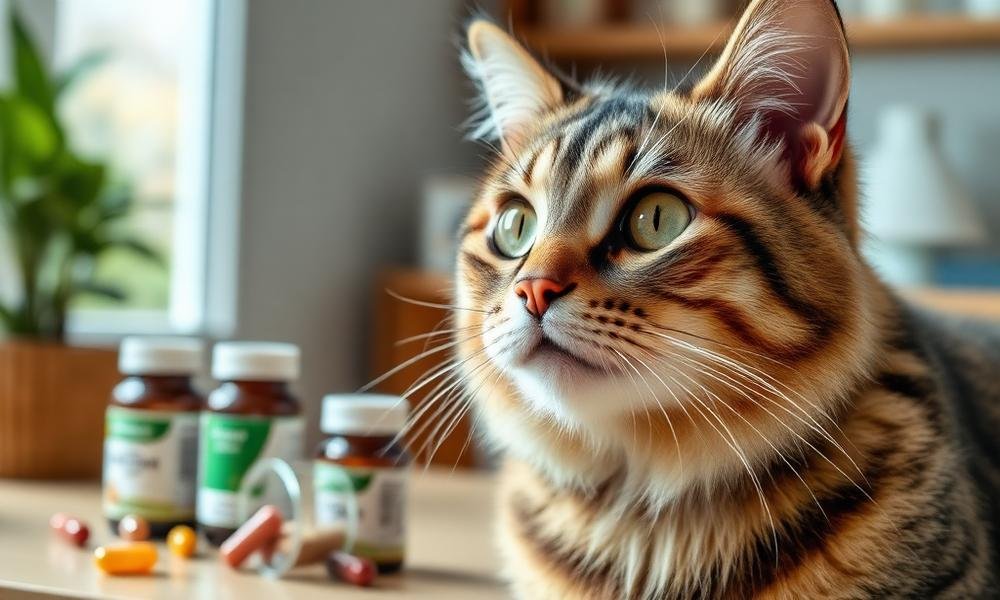
Not all supplements are created equal. The supplement industry is largely unregulated by the FDA, so quality varies wildly between brands. Here are the non negotiable criteria you must check before buying.
Third Party Certification and Testing
Look for the National Animal Supplement Council (NASC) seal on the label. This means the manufacturer follows strict quality control standards and undergoes annual facility audits. Brands without this seal may still be good, but you're taking a risk on purity and potency.
Independent testing by organizations like ConsumerLab.com or USP verification adds another layer of trust. If a product doesn't list a batch number or expiration date, consider that a red flag.
Ingredient Transparency and Bioavailability
The best cat vitamins and supplements list every ingredient by common name and amount. Avoid proprietary blends that hide individual dosages. For example, a fish oil supplement should specify how much EPA and DHA per serving — not just "omega-3 fatty acids 500mg."
Bioavailability matters enormously. Cats absorb liquid or powder forms of probiotics more efficiently than hard tablets. Chelated minerals (like zinc picolinate) are absorbed better than oxide forms. Do your research on the specific form of each ingredient.
Species Specific Formulation
Cats are obligate carnivores with unique metabolic needs. They require pre formed taurine (unlike dogs), cannot convert beta carotene to vitamin A efficiently, and need arachidonic acid from animal sources. Never give your cat a dog supplement — it can be toxic or nutritionally deficient for felines.
Pro Tip: Always check the "Guaranteed Analysis" section on the label. This shows minimum percentages of crude protein, fat, fiber, and moisture. A quality supplement will have clear, measurable values, not vague "as fed" descriptions.
Top 5 Best Cat Vitamins and Supplements Compared
We evaluated dozens of products based on ingredient quality, third party testing, palatability, and scientific backing. These five stand out for specific needs.
| Best For | Key Ingredient(s) | |||
|---|---|---|---|---|
| VetriScience Feline Plus | General wellness, seniors | Multivitamin + taurine + omega-3 | Chewable tablet | $15–$25 |
| Nordic Naturals Omega-3 Pet | Joint health, skin & coat | Wild caught fish oil (EPA/DHA) | Liquid oil | $25–$40 |
| Purina Pro Plan FortiFlora | Digestive health, diarrhea | Enterococcus faecium probiotic | Powder packet | $25–$35 |
| NOW Foods Taurine Powder | Heart health, eye support | Pure taurine (no fillers) | $10–$15 | |
| Zesty Paws Wild Alaskan Salmon Oil | Omega-3 boost, picky eaters | Alaskan salmon oil | Liquid pump | $20–$30 |
VetriScience Feline Plus Multivitamin
This is the most recommended multivitamin by veterinarians for cats over 7 years old. It contains taurine for heart health, omega-3 fatty acids for coat shine, and B vitamins for energy metabolism. The chewable tablets are small and most cats accept them as treats.
One tablet daily provides 250mg of taurine, which meets the minimum requirements for adult cats. It also includes 100 IU of vitamin E, an antioxidant that supports immune function in aging felines.
Nordic Naturals Omega-3 Pet
For joint health and skin conditions, this fish oil is the gold standard. It uses wild caught anchovies and sardines, which have lower mercury levels than larger fish. Each teaspoon provides 580mg EPA and 390mg DHA — a clinically researched ratio for reducing inflammation.
Veterinarians at the PetMD condition guides note that omega-3s from fish oil can help manage chronic kidney disease and arthritis in cats. Results typically appear within 4–6 weeks of consistent use.
Purina Pro Plan FortiFlora
This probiotic powder is backed by clinical research showing it reduces diarrhea duration in cats by 48 hours on average. It contains a single strain (Enterococcus faecium) that is proven to survive stomach acid and colonize the gut.
Sprinkle one packet over food daily for 7–10 days to resolve acute digestive upset. For chronic issues, use under veterinary guidance for up to 30 days. It's also excellent for cats transitioning to new foods.
NOW Foods Taurine Powder
Cats cannot synthesize taurine, making it an essential dietary amino acid. This pure powder has no fillers, flavors, or preservatives. A 1/4 teaspoon provides 500mg of taurine, which is more than enough for most adult cats.
It's particularly useful for cats with dilated cardiomyopathy (DCM) or retinal degeneration, as confirmed by research from the AKC behavior guides (note: taurine deficiency is rare in cats on commercial diets but can occur with homemade or vegan diets).
Zesty Paws Wild Alaskan Salmon Oil
If your cat refuses fish oil, this liquid pump option has a milder smell than many competitors. It's cold pressed to preserve omega-3 integrity. Each pump delivers approximately 100mg EPA and 75mg DHA.
Use for 8–12 weeks to see visible improvement in coat softness and reduced shedding. It also supports brain function in senior cats, though the omega-3 concentration is lower than Nordic Naturals.
Ready to find the perfect supplement for your cat's specific needs?
Browse Cat Health Options →
Which Supplements Are Actually Backed by Science?
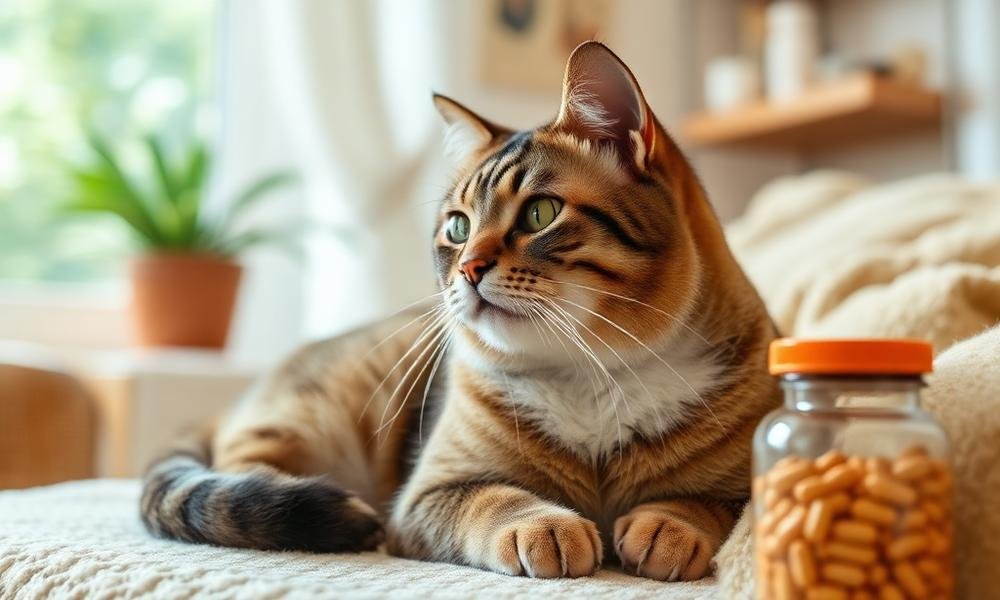
Not all supplement claims hold up under scrutiny. Here's what the evidence says about the most common categories of cat supplements.
Omega-3 Fatty Acids (Fish Oil)
This is the most scientifically supported supplement for cats. Multiple studies show EPA and DHA reduce joint inflammation, improve kidney function markers in early stage chronic kidney disease, and enhance coat quality. A 2021 review in Veterinary Clinics: Small Animal Practice confirmed that omega-3s are beneficial for feline osteoarthritis and inflammatory bowel disease.
Dosage matters: aim for 50–75mg combined EPA/DHA per pound of body weight daily. Too little offers no benefit; too much can cause diarrhea or blood thinning.
Probiotics
The evidence for probiotics in cats is mixed but positive for specific strains. Enterococcus faecium (found in FortiFlora) has the strongest data for reducing diarrhea. Bifidobacterium and Lactobacillus strains show promise but have fewer feline specific studies.
Probiotics generally need 7–14 days to show effects. They work best when given consistently, not just during flare-ups. Refrigerated probiotics often have higher viability than shelf stable versions.
Glucosamine and Chondroitin
These joint supplements are widely used for arthritis, but the evidence in cats is weaker than in dogs. A 2018 study found that only about research suggests 60% of cats with osteoarthritis showed improvement with glucosamine/chondroitin combination products. Injectable alternatives (like Adequan) have stronger evidence but require veterinary administration.
Pro Tip: For arthritic cats, combine glucosamine supplements with weight management and environmental modifications (ramps, low sided litter boxes). Supplements alone rarely provide full relief — they work best as part of a multimodal plan.
Taurine
Taurine supplementation is essential for cats on homemade or raw diets. Commercial cat foods are required to include adequate taurine, so supplementation is rarely needed for cats eating kibble or canned food. However, some medical conditions (like certain heart diseases) may require therapeutic doses under veterinary supervision.
How to Safely Introduce a New Supplement
Starting a new supplement requires a gradual approach. Cats are notoriously sensitive to changes in diet and can develop food aversions if something tastes unpleasant.
Begin with a quarter of the recommended dose for 3–5 days. Mix it into a small amount of wet food or a treat your cat loves. Watch for any signs of digestive upset — vomiting, diarrhea, or decreased appetite. If these occur, stop immediately and consult your vet.
After 5–7 days, increase to half the dose. Full dosing can begin around day 10 if your cat tolerates it well. Keep a journal noting any changes in energy, coat condition, stool quality, or behavior. This helps you and your vet evaluate whether the supplement is working.
Pro Tip: Never mix supplements into your cat's entire daily food portion. If your cat refuses the food, you won't know how much supplement they actually consumed. Use a small treat sized portion instead.

Common Supplement Mistakes Cat Owners Make
Even well intentioned owners can make errors that harm their cats or waste money. Understanding these pitfalls helps you avoid them from the start.
Over Supplementing With Fat Soluble Vitamins
Vitamins A, D, E, and K are stored in your cat's fat tissue and liver. Unlike water soluble B vitamins, excess amounts build up over time and can cause toxicity. Hypervitaminosis A, for example, leads to painful bone deformities and joint stiffness. Signs include lethargy, weight loss, and constipation.
Stick to the recommended dosage on the label. More is not better — it's dangerous. If your cat already eats a liver rich diet or high quality commercial food, adding extra vitamin A supplements is unnecessary and risky.
Ignoring Drug Interactions
Some supplements interact with medications your cat may already be taking. Omega-3 fatty acids in high doses can thin the blood, potentially interfering with anticoagulants or NSAIDs. Probiotics may reduce the effectiveness of certain antibiotics if given too close together.
Always provide your vet with a complete list of supplements and medications your cat receives. A good rule of thumb is to separate supplement and medication administration by at least 2 hours.
Buying Based on Marketing, Not Ingredients
Flashy packaging and celebrity endorsements don't equal quality. Many products claim to support "joint health" or "immune function" without specifying which ingredients provide those benefits. Look past the front label and examine the back.
If a product lists "proprietary blend" without individual amounts, consider it a red flag. You have no way of knowing whether your cat is getting a therapeutic dose or a negligible sprinkle. The best cat vitamins and supplements are transparent about exactly what's inside.
Expecting Immediate Results
Supplements are not drugs. They work gradually by supporting your cat's natural physiological processes. Omega-3s need 4–8 weeks to build up in cell membranes. Joint supplements may take 6–12 weeks before you notice your cat jumping more easily.
Give each supplement a fair trial period of at least 8 weeks before deciding whether it's working. Keep a simple log of observed changes — even small improvements in mobility or coat quality count as success.
When to Avoid Supplements Altogether
There are clear situations where supplements can do more harm than good. Knowing when to hold off is just as important as knowing what to buy.
Cats With Certain Medical Conditions
If your cat has pancreatitis, some fish oil products with high fat content may trigger flare-ups. Cats with hypercalcemia (high blood calcium) should avoid calcium or vitamin D supplements. Those with a history of urinary crystals or stones need careful mineral balance — unregulated supplements can disrupt it.
According to the ASPCA behavior resources, always run any supplement past your veterinarian if your cat has a diagnosed chronic condition. What helps one cat may harm another with a different health profile.
Cats on Prescription Diets
Prescription diets for kidney disease, urinary health, or food allergies are precisely formulated. Adding supplements can throw off the carefully calibrated nutrient ratios. For example, adding phosphorus binders without veterinary guidance can lead to mineral imbalances in kidney diets.
If your cat eats a prescription diet, discuss supplementation with your veterinary nutritionist. Some supplements may be beneficial, but only under professional supervision with regular bloodwork monitoring.
Pregnant or Nursing Cats
Pregnancy and lactation place unique nutritional demands on a cat's body. However, many common supplements lack safety data for developing kittens. High doses of vitamin A, for instance, can cause birth defects. Even herbal supplements like milk thistle may affect hormone levels.
Stick to a high quality kitten food formulated for gestation and lactation. Only add supplements if your vet specifically recommends them based on bloodwork showing a deficiency.
Pro Tip: Before starting any supplement, ask your vet one simple question: "Is there a documented deficiency or condition in my cat that this supplement addresses?" If the answer is no, save your money.
For related guidance, see Are Rope Toys Safe For Dogs.
For related guidance, see Best Cat Calming Products.
Frequently Asked Questions
Can I give my cat human vitamins?
No. Human vitamins often contain ingredients toxic to cats, such as xylitol (sweetener), iron, or high doses of vitamin D. They also lack taurine and arachidonic acid that cats need. Always use feline specific products.
How long does it take for cat supplements to work?
Omega-3 fatty acids show visible coat improvement in 4–8 weeks. Probiotics for digestive issues typically work within 7–14 days. Joint supplements may take 6–12 weeks to show noticeable mobility changes. Be patient and consistent.
What is the most important supplement for senior cats?
Omega-3 fatty acids from fish oil are the most evidence backed supplement for senior cats. They support joint health, kidney function, cognitive health, and coat condition. Start around age 10 or earlier if your vet identifies early arthritis.
Are there any supplements I should avoid giving my cat?
Avoid garlic, onion, and essential oil supplements (like tea tree oil) — these
For more on this topic, see our guide to cat sneezing and coughing causes.
Learn more in our detailed guide on best cat hairball remedy.