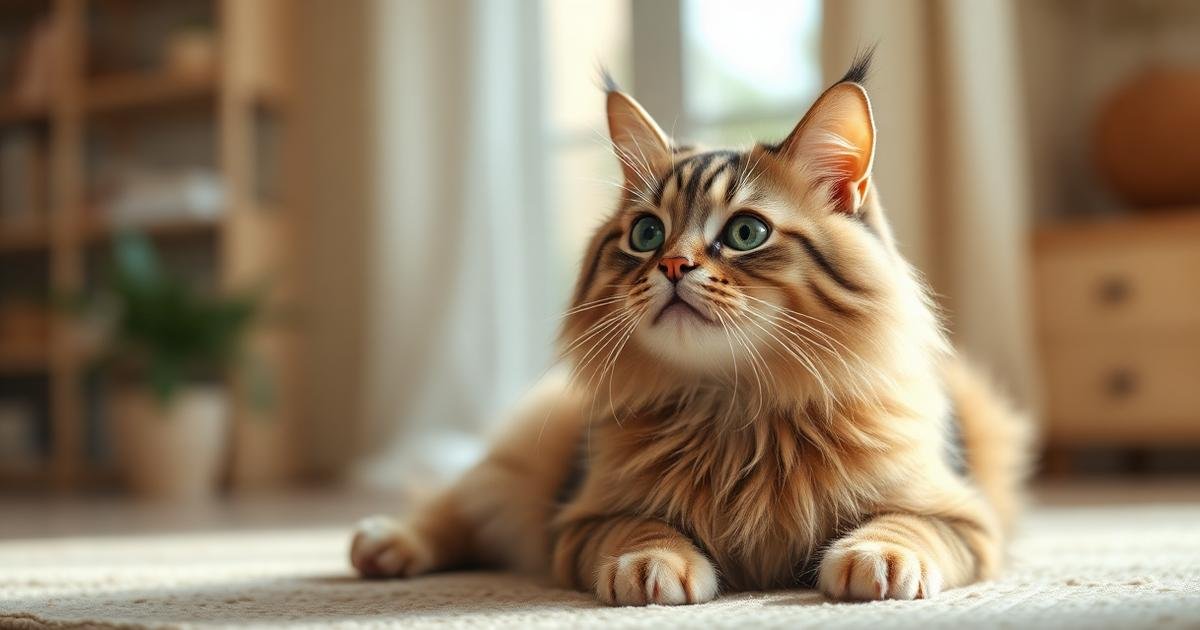
If your cat is hacking up hairballs more than once a week, you need a solution that works. The the best option combines daily grooming, a high fiber diet, and a vet recommended lubricant like petrolatum based gel or pumpkin puree. Start with a hairball control cat food and a regular brushing routine, then add a proven remedy like Hartz Hairball Control Plus or Pet Naturals Hairball Paste to keep things moving smoothly.
Best cat hairball remedy: The best cat hairball remedy for most cats is a combination approach: a high-fiber hairball-control diet (like Hill's Science Diet Hairball Control), daily brushing with a deshedding tool, and a lubricant gel like Laxatone given 2-3 times per week. For persistent cases, add a teaspoon of plain canne
Quick Answer: What Is best cat hairball remedy for Frequent Hairballs?
The right choice for most cats is a combination approach: a high fiber hairball-control diet (like Hill's Science Diet Hairball Control), daily brushing with a deshedding tool, and a lubricant gel like Laxatone given 2-3 times per week. For persistent cases, add a teaspoon of plain canned pumpkin to wet food daily.
For a complete guide on this topic, see the Ultimate Guide To Cat Health.
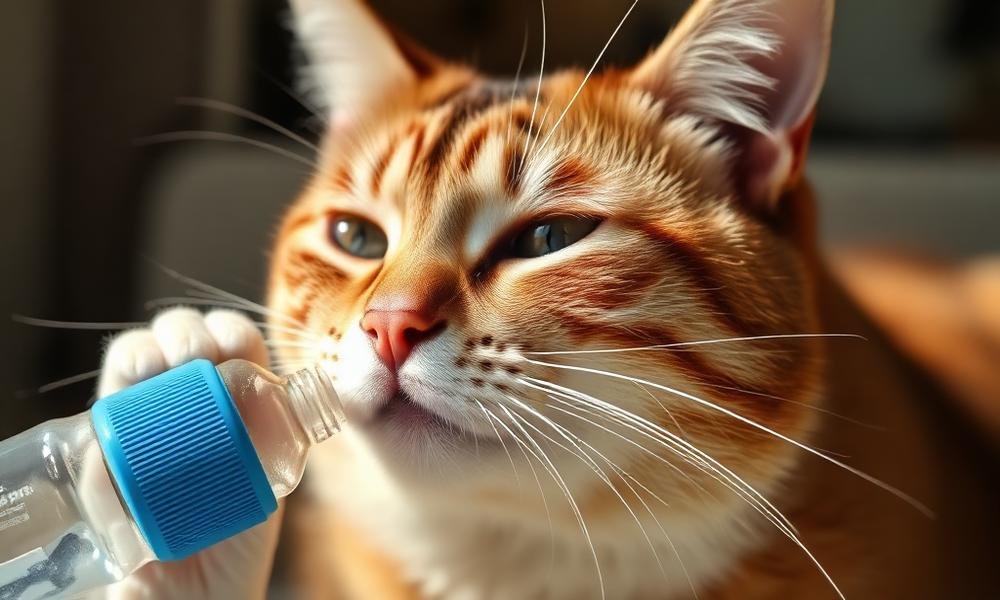
What Causes Hairballs in Cats?
Hairballs form when your cat ingests loose fur during self-grooming. Most of that fur passes through the digestive system without issue. But when too much accumulates, it clumps together in the stomach.
Your cat then vomits the fur ball to expel it. This is normal in moderation. According to the
Excessive hairballs — more than once a week — signal an underlying problem. It could be a grooming issue, a dietary deficiency, or even a digestive disorder that needs veterinary attention.
Pro Tip: If your cat is vomiting hairballs more than twice a month, consult your vet. Frequent hairballs can indicate inflammatory bowel disease or other GI issues that require medical diagnosis before you try any remedy.
Breed and Coat Type Matter
Persians, Maine Coons, and Ragdolls are prone to hairballs because of their dense, long fur. These cats swallow more hair during grooming than short haired breeds.
Short haired cats like Siamese or Burmese still get hairballs, just less frequently. If your short haired cat has frequent hairballs, focus on diet and hydration first before adding remedies.
What to Look For in a Cat Hairball Remedy
Not all remedies work the same way. The best cat hairball remedy for your cat depends on the root cause — whether it's too much fur, slow digestion, or a combination of both.
Here are the key features to evaluate when choosing a product:
Lubricant Type
Most hairball remedies use petrolatum (petroleum jelly) or mineral oil as the active ingredient. These lubricants coat the fur ball so it slides through the digestive tract instead of clumping in the stomach.
Petrolatum based gels like Laxatone are the most common and effective. They work within 12-24 hours. Natural alternatives use fish oil or coconut oil, which provide lubrication plus omega-3 fatty acids for skin and coat health.
Fiber Content
Fiber helps push hair through the intestines. Psyllium husk, pumpkin, and beet pulp are common sources. A hairball control diet should contain 8-12% fiber (dry matter basis) for optimal results.
Too much fiber can cause gas or diarrhea. Start with a small amount and increase gradually over 1-2 weeks. The
Palatability
Your cat won't eat a remedy that tastes bad. Look for flavors like tuna, chicken, or malt. Most gels come in a tube that you squeeze onto your cat's paw or food bowl.
If your cat refuses the gel, try a chewable treat or a powder you can mix into wet food. Some cats prefer the texture of chews over sticky pastes.
Form (Gel, Chew, Powder, Food)
Gels are the fastest acting but require direct application. Chews are easier for picky eaters. Powders mix into food but take longer to work. Hairball control foods provide continuous prevention.
Choose the form that fits your cat's routine. Busy owners often prefer chews or foods. Cats with sensitive stomachs do better with powders they can't taste.
| Cat Type | Best Remedy Form | Why It Works |
|---|---|---|
| Long-haired (Persian, Maine Coon) | Gel + hairball control food | Gel provides immediate lubrication; food prevents future buildup |
| Short-haired, frequent hairballs | Fiber rich food + pumpkin | Increases motility without over-lubricating |
| Picky eater | Chewable treats | Flavored chews are more palatable than gels |
| Senior cat with slow digestion | Powder mixed into wet food | Gentle fiber boost without adding volume |
| Multiple cats in household | Hairball control dry food | Easy to feed all cats together |
Pro Tip: Always check the ingredient list for artificial colors or preservatives. Some cats develop allergies to red dye #40 or BHA. Choose remedies with minimal, recognizable ingredients.
Ready to find the right remedy for your cat? We've researched the top options to save you time.
Browse Cat Health Options →
Top 5 Best Cat Hairball Remedies Compared
We evaluated the most popular remedies based on effectiveness, ingredients, palatability, and value. Here's how they stack up.
| Hartz Hairball Control Plus | Petrolatum, omega-3s | Fast relief, long haired cats | $6-$9 | |
| Pet Naturals Hairball Paste | Petrolatum, psyllium husk | Natural fiber + lubrication | $10-$14 | |
| Feline Greenies Hairball Control | Psyllium husk, chicken meal | Picky eaters, daily maintenance | $8-$12 | |
| Tomlyn Laxatone | Petrolatum, mineral oil | Veterinarian-recommended, sensitive stomachs | $9-$13 | |
| Hill's Science Diet Hairball Control | Dry food | Beet pulp, chicken meal | Continuous prevention, multi cat homes | $18-$25 |
Hartz Hairball Control Plus
This gel works within 12 hours for most cats. It contains petrolatum for lubrication plus omega-3 fatty acids to improve coat health over time. The tuna flavor makes it palatable for most cats.
Use it 2-3 times per week for maintenance, or daily during heavy shedding seasons. One tube lasts about 2 months for a single cat.
Pet Naturals Hairball Paste
This natural option combines petrolatum with psyllium husk for added fiber. It's free from artificial colors and preservatives. The honey flavor appeals to most cats.
It works slightly slower than pure petrolatum gels — expect results in 24-36 hours. But the fiber boost helps prevent future hairballs rather than just treating the current one.
Feline Greenies Hairball Control
These chews are a convenient daily option. Each chew contains psyllium husk for fiber and chicken meal for protein. They're grain free and low in calories.
Give 2-3 chews per day for maintenance. They won't stop an active hairball in progress, but they reduce frequency within 2-3 weeks of consistent use.
Tomlyn Laxatone
Laxatone is the most vet recommended hairball remedy. It uses a simple petrolatum and mineral oil formula with no added fillers. The malt flavor is generally well-accepted.
It's safe for daily use, even for cats with sensitive stomachs. Many vets recommend it as a first line treatment before trying other remedies.
Hill's Science Diet Hairball Control
This dry food provides continuous prevention through natural fiber from beet pulp. It's balanced for all life stages and supports urinary health too.
Switch your cat to this food over 7-10 days to avoid digestive upset. Most owners see a 50-70% reduction in hairball frequency within 4 weeks.
Pro Tip: For the best cat hairball remedy results, combine a gel for immediate relief with a hairball control food for long term prevention. This dual approach addresses both the current hairball and the root cause of excessive fur ingestion.
How to Use Hairball Remedies Effectively
Even the best option won't work if you use it wrong. Follow these steps for maximum effectiveness.
For Gels and Pastes
Squeeze a pea sized amount (about 1/2 inch) onto your cat's paw or the tip of their nose. Most cats will lick it off. If they resist, smear it on their front leg — they'll groom it off naturally.
Give gels on an empty stomach, at least 1 hour before meals. This allows the lubricant to coat the stomach lining before food arrives. Wait 3-4 hours after a meal before giving a gel.
For Chews and Treats
Offer chews as a treat between meals. Break them into smaller pieces for easier chewing. Some cats prefer them crumbled over wet food.
Store chews in a cool, dry place. Heat can melt the ingredients and reduce effectiveness. Check the expiration date before purchasing.
For Hairball Control Food
Transition slowly over 7-10 days. Mix research suggests 25% new food with research suggests 75% old food for 3 days, then 50/50 for 3 days, then 75/25 for 3 days, and finally research suggests 100% new food.
Monitor your cat's stool during the transition. Loose stool means you're switching too fast. Diarrhea that lasts more than 2 days requires a slower transition or a different food.
For Natural Remedies (Pumpkin, Coconut Oil)
Plain canned pumpkin (not pumpkin pie filling) is a safe fiber source. Give 1 teaspoon per day mixed into wet food. Canned pumpkin lasts 7-10 days in the fridge after opening.
Coconut oil provides lubrication but is high in fat. Start with 1/4 teaspoon daily and increase to 1 teaspoon maximum. Too much can cause diarrhea or pancreatitis in sensitive cats.
| Likely Cause | ||
|---|---|---|
| Cat won't eat the gel | Bad taste or texture | Try a different flavor (malt vs. tuna) or switch to chews |
| Hairballs continue after 2 weeks | Insufficient dose or wrong remedy type | Increase frequency to daily use or add fiber rich food |
| Diarrhea after using remedy | Too much lubricant or fiber | Reduce dose by half for 1 week, then gradually increase |
| Cat vomits the remedy | Given too close to meals | Wait 2 hours after meals before giving any remedy |
| No improvement after 4 weeks | Underlying medical issue | Schedule a vet visit for GI evaluation |

When to See a Vet Instead of Using a Remedy
Hairball remedies work for most cats, but some cases need medical attention. Watch for these warning signs.
If your cat is vomiting hairballs more than twice a week despite using the right choice, stop all remedies and see a vet. Frequent vomiting can cause esophagitis or dehydration.
Other red flags include lethargy, loss of appetite, constipation, or weight loss. These symptoms could indicate a blockage, pancreatitis, or inflammatory bowel disease.
According to the
Senior cats (over 10 years) are more prone to digestive issues. Always consult your vet before starting any new remedy for an older cat.
Pro Tip: If your cat strains to vomit but produces nothing, or vomits undigested food alongside hair, this is an emergency. Go to the nearest emergency vet immediately — a blockage can be fatal within 24-48 hours.
Frequently Asked Questions
How often should I give my cat a hairball remedy?
For maintenance, give a gel or paste 2-3 times per week. During heavy shedding seasons (spring and fall), increase to daily use. Chews can be given daily as directed. Always follow best cat hairball remedy's specific dosage instructions.
Can I use coconut oil as a natural hairball remedy?
Yes, but with caution. Coconut oil provides lubrication and contains medium chain triglycerides that support digestion. Give 1/4 to 1 teaspoon daily, mixed into wet food. Start with a small amount to avoid diarrhea. Coconut oil is not a substitute for veterinary care if hairballs persist.
What's the difference between hairball gel and hairball food?
Gels provide immediate lubrication to help an existing hairball pass within 12-24 hours. Hairball control foods work preventatively over weeks by adding fiber to push fur through the digestive system. For the right choice, use both together for comprehensive management.
Is pumpkin good for cat hairballs?
Yes, plain canned pumpkin is an excellent natural fiber source. Give 1 teaspoon per day mixed into wet food. The soluble fiber helps move hair through the intestines. Choose research suggests 100% pumpkin puree without added sugar or spices. One can lasts about 10 days in the refrigerator.
Are hairball remedies safe for kittens?
Most hairball remedies are safe for kittens over 6 months old. For younger kittens, focus on grooming and diet instead. Consult your veterinarian before giving any remedy to a kitten under 6 months. Kittens rarely need hairball products if brushed regularly.
Why does my cat still have hairballs even with the best cat hairball remedy?
If hairballs persist despite using a quality remedy for 3-4 weeks, the problem may be medical. Underlying issues like inflammatory bowel disease, pancreatitis, or megacolon can prevent remedies from working. Schedule a veterinary examination to rule out these conditions before trying additional products.
For broader reference and guidance, aspca.org provides useful context on pet health and care decisions.
For broader reference and guidance, petmd.com provides useful context on pet health and care decisions.