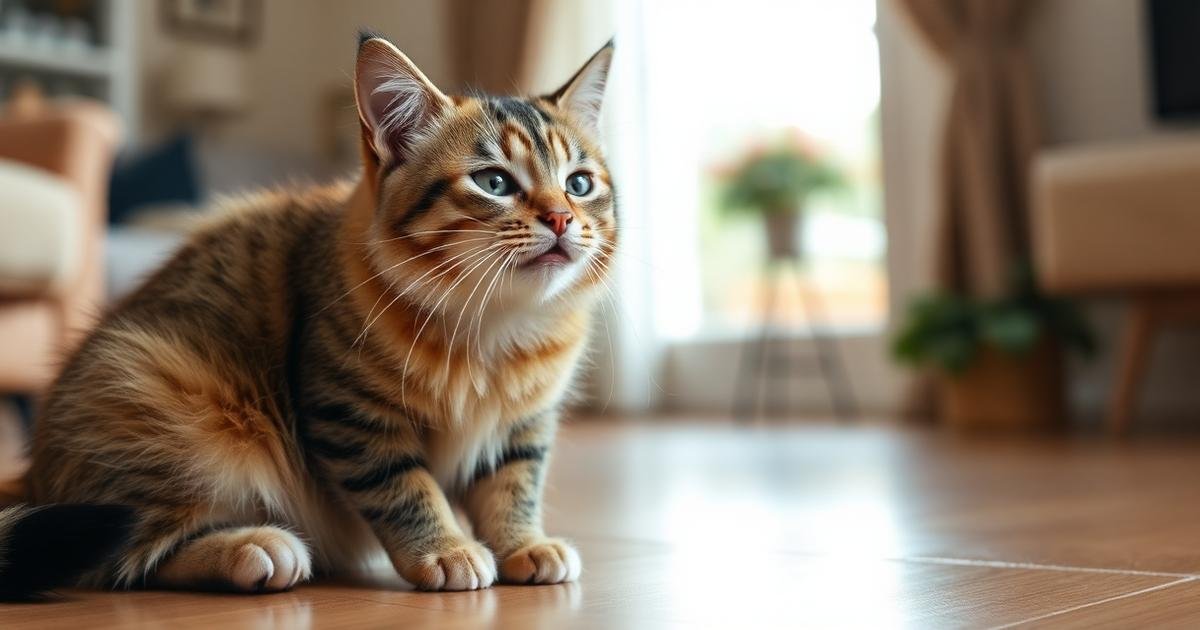
Cat vomiting is a common concern for pet owners, but not every episode signals an emergency. Understanding cat vomiting causes and treatment starts with distinguishing between acute vomiting (a single episode or two) and chronic vomiting (persistent over days or weeks). While occasional hairballs are normal, frequent vomiting requires veterinary attention to rule out underlying health issues like kidney disease, pancreatitis, or dietary sensitivities. Your cat relies on you to notice patterns — and knowing what to look for can make the difference between a simple diet tweak and a life saving intervention.
Cat vomiting causes and treatment: Cat vomiting causes range from simple hairballs and dietary indiscretion to serious conditions like kidney disease, hyperthyroidism, or pancreatitis. For a single episode in an otherwise healthy cat, withhold food for 12 hours (never water), then offer small amounts of boiled boneless chicken. If vo
Quick Answer: What causes cat vomiting and how do you treat it?
Cat vomiting causes range from simple hairballs and dietary indiscretion to serious conditions like kidney disease, hyperthyroidism, or pancreatitis. For a single episode in an otherwise healthy cat, withhold food for 12 hours (never water), then offer small amounts of boiled boneless chicken. If vomiting persists beyond 24 hours or occurs more than 3 times, seek veterinary care immediately for proper diagnostics and treatment.
For a complete guide on this topic, see the Ultimate Guide To Cat Health.
This cat vomiting causes and treatment decision works best when the owner compares daily fit, tolerance, and practical consistency together.
Is your cat actually vomiting or just regurgitating?
Many owners confuse vomiting with regurgitation, but the distinction matters for treatment. Vomiting is an active process — your cat will heave, retch, and contract their abdominal muscles before bringing up digested or partially digested food. Regurgitation happens passively, with undigested food or liquid simply sliding out without effort, usually within minutes of eating.
If you're seeing passive regurgitation, the issue is likely esophageal — think megaesophagus, strictures, or eating too fast. True vomiting points to stomach or intestinal problems. Watch your cat closely during the next episode. The difference helps your veterinarian narrow down cat vomiting causes and treatment options significantly.
Pro Tip: Record a video of your cat's vomiting episode on your phone. Veterinarians can spot the difference between vomiting and regurgitation instantly, saving you time and diagnostic costs.
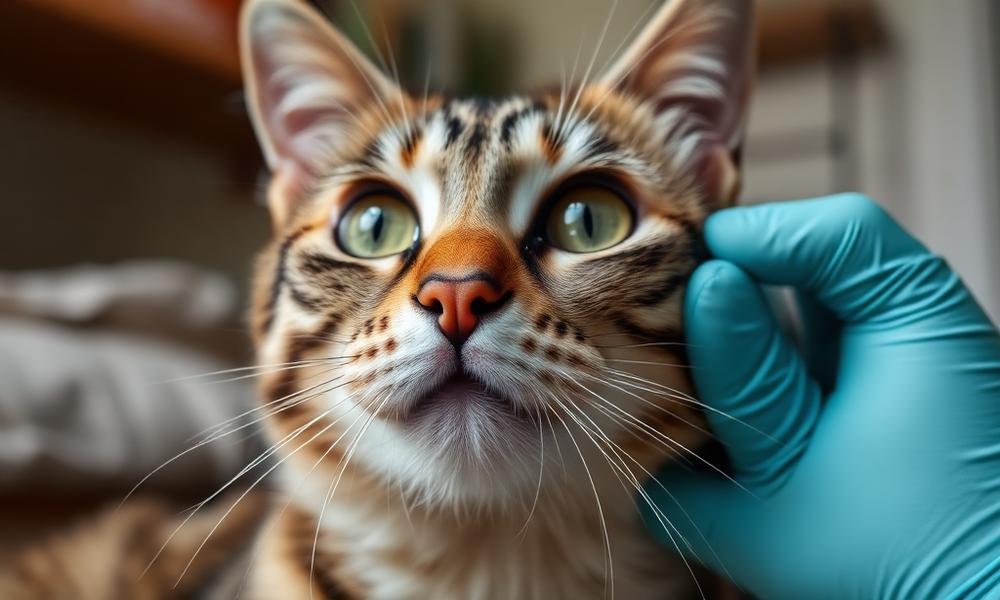
What are the most common causes of vomiting in cats?
Hairballs top the list, especially in long haired breeds like Persians and Maine Coons. Cats swallow loose fur during grooming, and when it doesn't pass through the digestive tract, it comes back up. You'll typically see a tubular mass of fur mixed with foam or bile. Regular brushing — at least 3–4 times weekly — can reduce hairball frequency by up to research suggests 80% in most long haired cats.
Dietary indiscretion is another frequent culprit. Cats who eat too fast, scarf down a new treat, or get into human food may vomit within 30 minutes to 2 hours. Sudden diet changes are a common trigger — always transition foods over 7–10 days by mixing increasing amounts of the new food with the old. Fast eaters benefit from puzzle feeders that slow consumption to a normal pace.
For many homes, the right cat vomiting causes and treatment choice is the one that stays reliable under ordinary daily conditions.
Underlying medical conditions account for many chronic cases. According to the PetMD digestive condition guides, chronic kidney disease, hyperthyroidism, diabetes, pancreatitis, and inflammatory bowel disease (IBD) are common causes of recurrent vomiting in middle aged and senior cats. Intestinal parasites like roundworms can also trigger vomiting in kittens. Cats over 10 years old with chronic vomiting should have thyroid and kidney values checked every 6 months.
A well matched cat vomiting causes and treatment option should support the pet clearly without making the routine harder to maintain.
When is vomiting an emergency?
Some vomiting episodes demand immediate veterinary care. If your cat vomits more than 3 times in 24 hours, has blood in the vomit (red or coffee ground appearance), shows signs of abdominal pain (hunched posture, crying), or becomes lethargic and refuses food for over 12 hours, go to the vet immediately. These symptoms can indicate pancreatitis, severe infections, or organ failure.
Foreign body obstructions — from string, ribbon, or small toys — are life-threatening. String can get caught under the tongue and cause linear foreign body syndrome, which requires surgical removal. If your cat vomits repeatedly and strains without producing anything, obstruction is a real possibility. The ASPCA behavior resources note that cats who swallow foreign objects often hide this behavior, so watch for unexplained vomiting episodes.
Pro Tip: Keep a log of vomiting episodes — note the time, appearance of vomit, and your cat's behavior afterward. This pattern recognition helps your vet identify whether the issue is food-related, hairball-related, or medical. A simple notebook by the feeding station works perfectly.
How do you treat vomiting in cats at home?
For a single vomiting episode with an otherwise healthy, alert cat, start with a 12-hour food fast (never withhold water). After the fast, offer a small amount — about a tablespoon — of a bland diet like boiled boneless chicken or plain canned pumpkin. If your cat keeps that down, offer another small portion 4 hours later. This gentle reintroduction prevents overwhelming a sensitive stomach.
Gradually reintroduce their regular food over 2–3 days, mixing it with the bland diet in increasing proportions. Probiotics formulated for cats can help restore gut balance and reduce future episodes. The AVMA pet owner resources recommend monitoring for any return of symptoms during this transition period. If vomiting resumes, go back to the bland diet and consult your vet.
Hairball specific treatments include over-the counter hairball remedies and lubricants, which help fur pass through the digestive tract. These products typically contain petroleum based lubricants or fiber additives. For chronic hairball issues, consider a hairball control diet formulated with increased fiber — look for foods with 8–research suggests 12% crude fiber content. Regular brushing reduces the amount of fur your cat ingests by up to research suggests 60%.
What home remedies should you avoid?
Never give your cat human medications for vomiting. Pepto Bismol contains salicylates toxic to cats, and antacids like Pepcid should only be used under veterinary guidance. Milk is not a remedy — most adult cats are lactose intolerant, and milk can actually worsen digestive upset. The myth that milk settles a cat's stomach has caused countless cases of worsened vomiting.
Essential oils are dangerous for cats, especially tea tree, peppermint, and citrus oils. They can cause liver damage and neurological issues. Stick to veterinarian approved treatments only. Even seemingly harmless remedies like pumpkin pie filling (which contains spices and sugar) can trigger more vomiting.
What diagnostic tests will your vet perform for chronic vomiting?
When you bring your cat in for chronic vomiting, your veterinarian will start with a thorough physical exam checking for dehydration, abdominal pain, and dental issues. Dental disease can cause nausea and drooling, leading to vomiting. The vet will also palpate your cat's abdomen to feel for masses, thickened intestines, or signs of pain.
Bloodwork is the cornerstone of diagnosis. A complete blood count checks for infection or inflammation, while a chemistry panel evaluates kidney and liver function, blood sugar, and electrolyte balance. Thyroid testing (T4 level) screens for hyperthyroidism, especially in cats over 8 years old. Urinalysis helps assess kidney function and detect urinary tract infections that can cause nausea.
For persistent cases, imaging becomes necessary. Abdominal X rays can reveal foreign bodies, masses, or constipation. Ultrasound provides a detailed view of the intestinal walls, pancreas, and lymph nodes — crucial for diagnosing IBD or pancreatitis. In some cases, your vet may recommend endoscopy with biopsies to definitively diagnose IBD or intestinal lymphoma.
Fecal examination rules out intestinal parasites like roundworms, hookworms, and Giardia. Even indoor cats can pick up parasites from contaminated soil brought in on shoes or from raw diets. The PetMD digestive condition guides emphasize that a thorough diagnostic workup prevents unnecessary trial-and error treatments.
Pro Tip: If your vet recommends an abdominal ultrasound, ask if a specialist (veterinary radiologist) will perform and interpret it. Specialist ultrasounds detect subtle changes that general practice ultrasounds might miss, especially in cases of early IBD or pancreatitis.
When should you take your cat to the vet for vomiting?
Schedule a veterinary appointment if your cat vomits more than twice in one week, loses weight, has a decreased appetite, or shows changes in thirst or urination. Cats are masters at hiding illness, so even subtle changes warrant a checkup. Weight loss of research suggests 5% or more over 2–3 months alongside vomiting is a red flag.
Your veterinarian will perform a thorough physical exam, checking for dehydration, abdominal pain, and dental issues (which can cause nausea). Diagnostics typically include bloodwork (complete blood count and chemistry panel), urinalysis, and fecal examination. For persistent cases, imaging like X rays or abdominal ultrasound may be necessary to visualize the gastrointestinal tract.
Veterinarians generally recommend treatment based on the underlying cause. For example, kidney disease requires a therapeutic renal diet and possibly fluids, while hyperthyroidism is managed with medication, radioactive iodine therapy, or dietary changes. IBD often responds to novel protein diets or immunosuppressive medications. The key is matching treatment to the specific cause.
Pro Tip: Senior cats (age 10+) with chronic vomiting should have their thyroid and kidney values checked every 6 months. Early detection of hyperthyroidism or kidney disease dramatically improves treatment outcomes and quality of life. Many senior cats live comfortably for years with proper management.
Can diet changes prevent vomiting in cats?
Yes, dietary adjustments are one of the most effective strategies for managing and preventing vomiting. Cats with food sensitivities or IBD often improve dramatically on a limited ingredient diet or hydrolyzed protein diet. These diets contain proteins broken down into molecules too small to trigger immune reactions. Many cats show significant improvement within 2–4 weeks of switching.
Feeding smaller, more frequent meals — 3–4 times daily instead of free-feeding — can prevent vomiting from eating too fast or overeating. Puzzle feeders slow down fast eaters and provide mental stimulation. For cats prone to hairballs, a diet with 8–research suggests 12% fiber content helps move fur through the digestive tract. Canned food with higher moisture content is often easier to digest than dry kibble.
The ASPCA behavior resources emphasize that stress induced vomiting is real. If your cat vomits after changes in routine, new pets, or household disruptions, address the stressor first. Calming supplements like L-theanine, pheromone diffusers (Feliway), and consistent routines often resolve stress related digestive issues within 1–2 weeks.
How do you manage vomiting in cats with chronic conditions?
Cats with chronic kidney disease often vomit due to uremic toxins building up in the bloodstream. Management focuses on a prescription renal diet low in phosphorus and protein, plus subcutaneous fluids to flush toxins. Many cats on this protocol vomit less frequently within 2–3 weeks. Anti nausea medications like Cerenia (maropitant) can be used as needed.
Hyperthyroid cats vomit because excess thyroid hormone speeds up metabolism and causes nausea. Treatment options include daily medication (methimazole), prescription thyroid diet, or radioactive iodine therapy — which cures the condition in about research suggests 95% of cases. Once thyroid levels normalize, vomiting typically resolves within 1–2 weeks.
Inflammatory bowel disease requires long term management with novel protein diets (rabbit, venison, or duck) or hydrolyzed protein diets. Some cats need immunosuppressive medications like prednisolone or chlorambucil. With proper treatment, most cats with IBD achieve good quality of life and reduced vomiting frequency within 4–8 weeks. Regular follow up bloodwork monitors for medication side effects.
Pro Tip: For cats on long term anti-nausea medication, ask your vet about Cerenia tablets you can give at home. Injectable Cerenia lasts 24 hours, but oral tablets give you more flexibility for intermittent vomiting episodes. Always have a supply on hand for flare-ups.
Is your cat's vomiting disrupting your peace of mind? Find the right solutions for digestive health, hairball control, and stress relief.
Browse Cat Health Options →
Frequently Asked Questions
Can cats vomit from stress?
Yes, stress is a recognized trigger for vomiting in cats. Changes in routine, new pets, moving homes, or even rearranging furniture can cause stress induced gastritis. Address the stressor, provide safe hiding spots, and consider pheromone diffusers. If vomiting persists beyond 48 hours after the stressor is removed, see your vet to rule out medical causes.
What does yellow cat vomit mean?
Yellow vomit is bile, which indicates your cat's stomach is empty. This commonly happens when cats go too long between meals or have an underlying condition causing nausea. If your cat vomits yellow bile first thing in the morning, try feeding a small bedtime snack. Persistent yellow vomit warrants a veterinary check for conditions like IBD or pancreatitis.
Is it normal for cats to vomit every week?
No, weekly vomiting is not normal and indicates an underlying issue. While occasional hairballs (2–3 times per month in long haired cats) are acceptable, vomiting food or bile every week suggests conditions like IBD, food allergies, kidney disease, or hyperthyroidism. Schedule a veterinary evaluation to identify the root cause — early intervention improves outcomes significantly.
Can changing cat food cause vomiting?
Yes, sudden diet changes commonly cause vomiting. Cats have sensitive digestive systems that need gradual transitions over 7–10 days. Mix research suggests 25% new food with research suggests 75% old food for 2–3 days, then 50/50 for 2–3 days, then 75/25 for 2–3 days before switching completely. If vomiting occurs, slow the transition further or choose a different protein source.
What should I feed my cat after vomiting?
After a 12-hour fast, offer small amounts of a bland diet like boiled boneless chicken breast or plain canned pumpkin. Feed 1–2 teaspoons every 4 hours. If your cat keeps this down, gradually reintroduce their regular food over 2–3 days. Avoid dairy, fatty foods, and treats during recovery. Stick to plain, single ingredient options until the stomach settles.
When should I worry about cat vomiting?
Worry if your cat vomits more than 3 times in 24 hours, has blood in vomit, shows lethargy, refuses food for over 12 hours, strains without producing anything, or has a distended abdomen. These signs indicate emergencies like obstructions, pancreatitis, or severe infections requiring immediate veterinary care. Never wait to see if these symptoms resolve on their own.
Can hairballs cause vomiting in cats?
Yes, hairballs are a common cause of vomiting, especially in long haired breeds. The cat vomits a tubular mass of fur mixed with foam or bile. Regular brushing (3–4 times weekly) and hairball control diets reduce frequency. If your cat vomits hairballs more than once a week, consult your vet about underlying motility issues or dietary adjustments.
Does wet food help cats with vomiting?
Wet food often helps because it has higher moisture content and is easier to digest than dry kibble. The extra hydration supports kidney function and helps move food through the digestive tract. Choose limited ingredient or sensitive stomach formulas. Feed smaller, more frequent wet food meals — 3–4 times daily — to prevent overeating and reduce vomiting episodes.