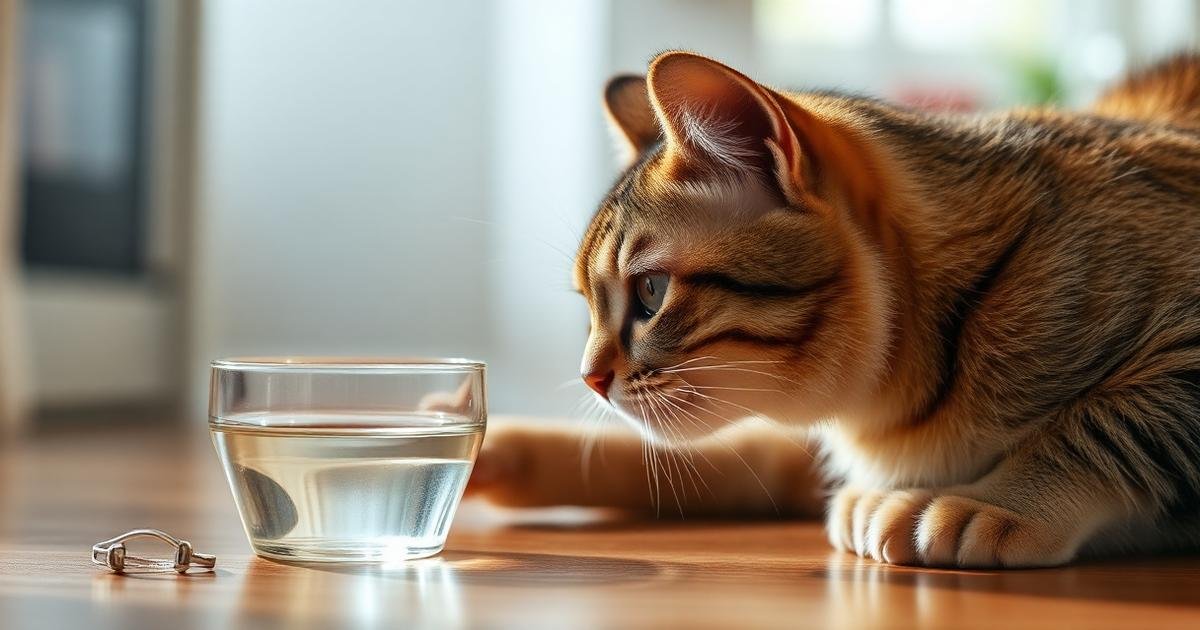
Watching your cat turn away from their food bowl while still lapping up water is genuinely worrying. You're not alone — this specific pattern confuses thousands of cat owners every week. The combination of a cat not eating but drinking-water/">drinking-a-lot-of-water-what-does-it-mean/">drinking-water/">drinking-a-lot-of-water-what-does-it-mean/">drinking-water/">drinking-a-lot-of-water-what-does-it-mean/">drinking-water/">drinking-a-lot-of-water-what-does-it-mean/">drinking-water/">drinking water often points to nausea, dental pain, or gastrointestinal discomfort rather than a simple picky eating phase. The key is distinguishing between a temporary upset and something requiring veterinary attention.
Cat not eating but drinking water: Your cat not eating but drinking water typically signals nausea, dental pain, or a mild gastrointestinal issue. Other root causes include stress from environmental changes, kidney disease in older cats, or food aversion. The water intake is a positive sign — it means your cat is still trying to stay
This guide will walk you through the most common reasons, when to worry, and exactly what to do next. You'll learn how to read your cat's subtle signals and take action before a small problem becomes a serious one.
Quick Answer: Why is my cat not eating but drinking water?
Your cat not eating but drinking water typically signals nausea, dental pain, or a mild gastrointestinal issue. Other root causes include stress from environmental changes, kidney disease in older cats, or food aversion. The water intake is a positive sign — it means your cat is still trying to stay hydrated, but the lack of food requires attention within 24 hours for most cats. Start by offering bland food like plain boiled chicken, check for dental pain, and call your vet if your cat refuses food for more than 24 hours.
For a complete guide on this topic, see the Ultimate Guide To Cat Health.
Why Your Cat Does This: Root Causes of Eating Refusal
Nausea and Upset Stomach
Nausea is the number one reason cats stop eating while still drinking. A queasy stomach makes food unappealing, but thirst overrides that discomfort. You might notice lip licking, drooling, or swallowing more than usual. Cats often sit near their water bowl but won't touch their food, creating a confusing scene for owners.
Dental Pain or Oral Issues
A sore tooth, gum infection, or mouth ulcer makes chewing painful. Your cat may approach the bowl, sniff the food, then walk away. Drinking water involves less jaw movement, so it feels less painful. Check for red gums, bad breath, or dropped food. According to the
Stress or Environmental Change
Cats are creatures of habit. A new pet, moving furniture, visitors, or even a different food bowl location can trigger stress anorexia. The water source usually stays the same, so they continue drinking. This is their way of saying something feels off. You might also notice your cat hiding more or becoming clingy in response to the same stressor.
Food Aversion or Spoiled Food
If you recently switched brands, your cat may simply hate the new taste or texture. More seriously, food that's gone stale or rancid can cause a learned aversion — your cat associates that bowl with a bad experience and refuses it. This can happen with just one bad batch, so always check the expiration date and smell the food before offering it.
Underlying Medical Conditions
Kidney disease, pancreatitis, hyperthyroidism, and early stage diabetes can all cause appetite loss while leaving thirst intact. In fact, increased drinking combined with decreased eating is a classic red flag for kidney issues in cats over 7 years old. The
Pro Tip: Cats are obligate carnivores. If your cat hasn't eaten for 24 hours, they risk hepatic lipidosis (fatty liver disease). This is serious — even if they're drinking water, don't wait beyond 24 hours to call your vet. The sooner you act, the better the outcome.
It feels personal when your cat rejects the food you carefully chose, but it's not. They're communicating discomfort in the only way they can. Your job is to listen and respond with patience and veterinary guidance.
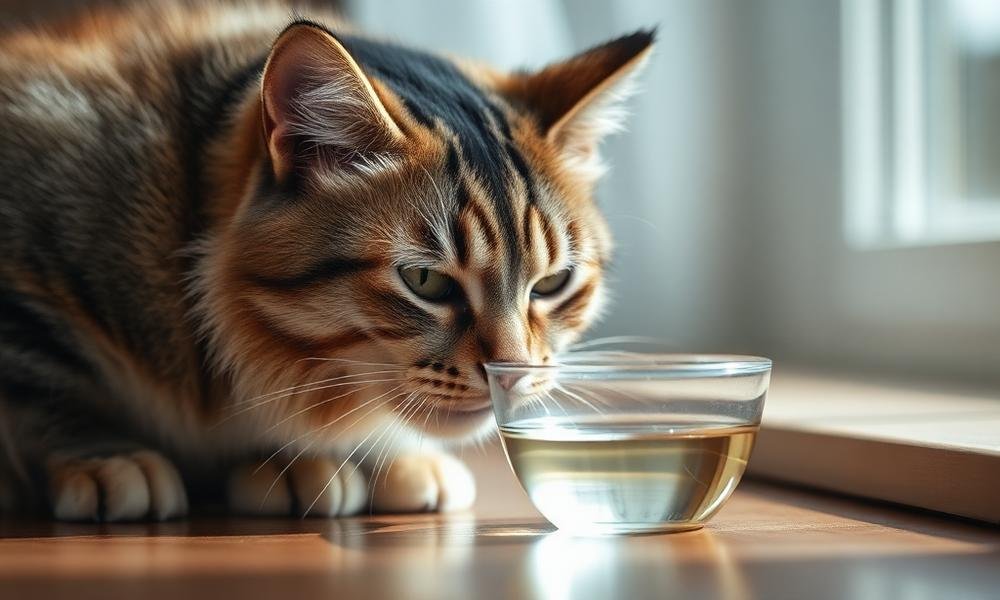
Root Cause Decision Tree
Match your cat's specific behavior to find the fastest fix:
| What you observe | Likely root cause | First fix to try |
|---|---|---|
| Cat sniffs food, walks away, but drinks normally | Nausea or dental pain | Offer bland food (plain boiled chicken or turkey) — if refused, see vet within 12 hours |
| Cat eats only treats or human food, not regular meals | Food aversion or pickiness | Gradually mix research suggests 25% new food with research suggests 75% old food over 5-7 days |
| Cat hides, avoids the food bowl area, but drinks from a different room | Stress or anxiety | Move the food bowl to a quiet, low traffic area. Use a Feliway diffuser nearby |
| Cat vomits bile or foam, then drinks water | Bilious vomiting syndrome or empty stomach | Offer a small meal every 4 hours instead of two large meals. Use an elevated bowl |
| Cat is over 8 years old, drinks excessively, eats very little | Kidney disease or hyperthyroidism | Schedule a vet visit for bloodwork and urinalysis within 48 hours |
| Cat drools, paws at mouth, or drops food while trying to eat | Dental disease or mouth ulcer | Check for red gums or broken teeth. Soft food only until vet appointment |
When This Is NOT Just Behavior
Some situations demand immediate veterinary attention. A cat not eating but drinking water can mask serious illness that progresses quickly. Knowing the difference between a mild issue and an emergency could save your cat's life.
Sudden onset in an adult cat — especially one who normally eats well — always warrants investigation. Rule out pain from pancreatitis, urinary blockage, or organ dysfunction. Cats hide pain instinctively, and appetite loss is often the first visible clue. The
Watch for these vet trigger signs: vomiting yellow bile multiple times, lethargy (not just sleeping more), hiding for more than 12 hours, painful meowing when touched, or weight loss of more than research suggests 5% in a week. If your cat hasn't eaten anything for 24 hours, do not wait longer — go to the vet. The risk of hepatic lipidosis increases dramatically after 48 hours without food.
According to the
Pro Tip: Male cats who stop eating and start drinking excessively, combined with straining in the litter box, may have a urinary blockage. This is a life threatening emergency — get to an emergency vet immediately. Do not wait to see if it resolves on its own.
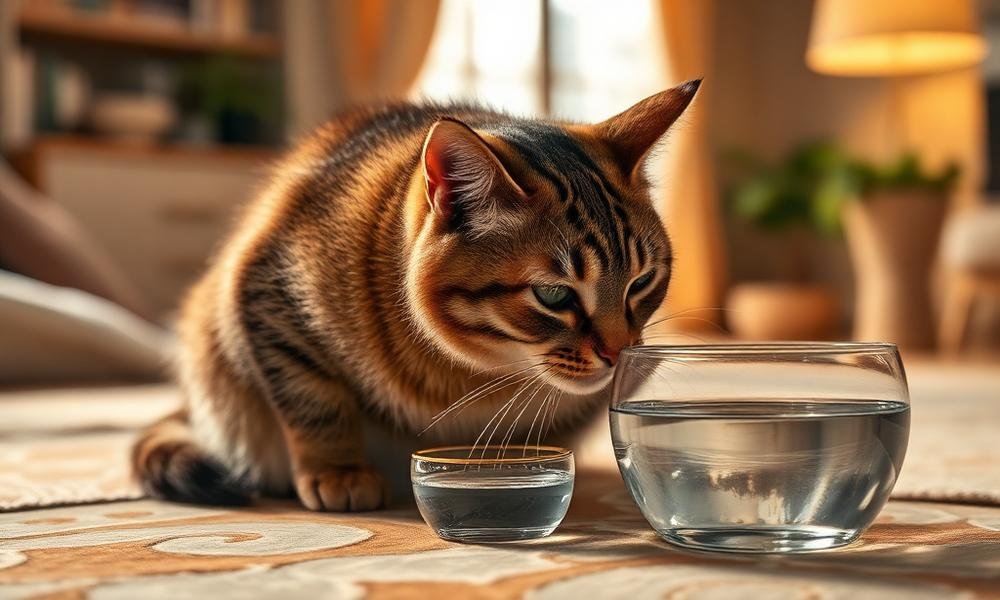
How to Tell If Your Cat Is Dehydrated Despite Drinking Water
Even though your cat is drinking, they might still be dehydrated if they're not eating. Food provides about research suggests 20% of a cat's daily water intake, so losing that source matters. You need to check for subtle signs that your cat needs fluids.
Perform the skin tent test: Gently pinch the skin between your cat's shoulder blades and lift it up. In a hydrated cat, the skin snaps back immediately. If it stays tented for more than 2 seconds, your cat is dehydrated. This is a simple test you can do at home with no special equipment.
Check their gums: Healthy cat gums are moist and pink. Press your finger gently against their gum — it should briefly turn white, then return to pink within 2 seconds. If the gums are sticky, dry, or pale, dehydration is likely. If the color doesn't return quickly, that's a sign of poor circulation and requires immediate vet attention.
Monitor their eyes: Sunken eyes are a late stage sign of dehydration. If your cat's eyes appear to sit deeper in their sockets, or if the third eyelid (the pink membrane in the inner corner) is visible, your cat needs fluids. This is not something to manage at home — your vet can provide subcutaneous fluids within minutes.
Pro Tip: Add a second water source in a different location. Some cats prefer running water, so a cat water fountain can encourage more drinking. Place it away from the food bowl — many cats instinctively avoid drinking near where they eat.
Enrichment and Support Protocol
Once your vet has ruled out medical causes, these steps will help encourage eating and address any behavioral component. The goal is to make food appealing again without creating pressure or stress.
- Physical exercise: Engage your cat in at least 15 minutes of active play (laser pointer, wand toy, fetch) twice daily. Exercise stimulates appetite naturally by triggering the hunting instinct. A tired cat is often a hungry cat.
- Mental stimulation: Use puzzle feeders or food dispensing toys to make eating a game. A treat ball with a few kibbles can trigger the hunting instinct and encourage eating. This works especially well for cats who are bored or stressed.
- Temperature and texture changes: Warm wet food to body temperature (never microwave — use warm water). The smell intensifies, and the texture becomes more appealing. Try pâté, shreds, or mousse varieties to find what your cat prefers.
- Reduce stress triggers: Create a safe feeding zone. Separate food bowls from litter boxes by at least 6 feet. Use a pheromone diffuser in the feeding area for 2-3 weeks. Cats eat best when they feel secure.
- Routine reset: Feed at the exact same times daily. Cats thrive on predictability. A consistent schedule within 30 minutes of the same time helps regulate their hunger cycle and reduces anxiety around meals.
Product Buying Criteria: What to Look For
If your vet recommends appetite stimulants or specialized food, choose wisely. Here's what matters when shopping for products to help a cat who isn't eating.
Appetite stimulants — Only use prescription options from your vet. Over-the counter versions often contain ingredients that don't work in cats. Mirtazapine and capromorelin are the two most commonly prescribed, and they work within 1-2 hours. Never buy appetite stimulants from unregulated online sources — they can contain harmful ingredients.
Recovery diets — Look for high-calorie, easily digestible formulas. Hill's a/d, Royal Canin Recovery, or Purina Pro Plan CN are veterinary standards. These have a paste like texture that's easy to syringe feed if needed. They're designed to provide maximum nutrition in small volumes.
Food toppers and enhancers — Fortiflora (a probiotic powder) or freeze dried chicken liver crumbles can make food irresistible. Avoid anything with garlic or onion powder — both are toxic to cats. A small sprinkle is often enough to trigger interest.
Bowl material matters — Some cats develop chin acne or whisker fatigue from deep plastic bowls. Switch to a wide, shallow ceramic or stainless steel bowl. This alone solves some cases of food refusal. Wash bowls daily with hot water and no soap residue — cats are sensitive to lingering smells.
Pro Tip: If you need to syringe-feed, use a high calorie gel like Nutri-Cal. Warm it slightly and offer small amounts (1-2 ml) every few hours. Never force feed a cat that's vomiting or struggling to breathe. Always get your vet's guidance first.
Get your cat eating again with vet approved recovery nutrition and stress reducing tools
Browse Cat Health Options →
Troubleshooting Matrix
| Behavior pattern | Likely cause | What to do |
|---|---|---|
| Cat eats only when you hand-feed, ignores the bowl | Stress or whisker fatigue | Switch to a wide, flat bowl. Hand feed for 2-3 days to rebuild trust, then transition to the new bowl |
| Cat eats wet food but refuses dry kibble | Dental pain or dehydration preference | Stick with wet food for 1 week. If no improvement, have a dental exam within 2 weeks |
| Cat eats one brand for years, then suddenly stops | Food aversion or batch issue | Check expiration date and smell the food. Try a different protein (chicken to fish or vice versa) for 3-5 days |
| Cat eats normally when you're home, not when you're away | Separation anxiety or routine dependence | Use an automatic feeder that dispenses at the same time daily. Leave a worn t shirt near the bowl |
| Cat drinks water but refuses all food for 48+ hours | Medical emergency — hepatic lipidosis risk | Vet visit immediately. Bloodwork, ultrasound, and possibly hospitalization needed within 24 hours |
| Cat eats only at night, ignores daytime meals | Nocturnal hunting instinct or daytime stress | Leave a small portion of dry food available overnight. Reduce daytime stressors (noise, other pets) |
| Cat eats treats but not meals | Behavioral pickiness or learned habit | Stop all treats for 48 hours. Offer only regular meals. If hunger doesn't kick in within 24 hours, see a vet |
For broader reference and guidance, aspca.org provides useful context on pet health and care decisions.
For broader reference and guidance, petmd.com provides useful context on pet health and care decisions.
For related guidance, see Are Rope Toys Safe For Dogs.
For related guidance, see Best Cat Calming Products.
Frequently Asked Questions
My cat is not eating but drinking water — how long can this go on before it's dangerous?
Cats should not go more than 24 hours without eating. Even with water intake, the risk of hepatic lipidosis (fatty liver disease) increases after 24-48 hours. If your cat hasn't eaten anything in 24 hours, call your veterinarian immediately. The sooner you act, the less aggressive treatment needs to be.
Will my cat start eating again on their own?
Some cats will resume eating within 12-24 hours if the cause is mild nausea or a temporary upset. However, if the refusal lasts beyond 24 hours, or if your cat shows any other symptoms (lethargy, vomiting, hiding), do not wait for self-resolution — seek veterinary care. Waiting too long can turn a manageable issue into a crisis.
Is a cat not eating but drinking water a sign of kidney disease?
Yes, this combination — increased thirst with decreased appetite — is a classic early sign of chronic kidney disease, especially in cats over 7 years old. Kidney disease affects about 30-40% of senior cats. A simple blood test and urinalysis can confirm or rule this out. Early detection makes a huge difference in management.
Should I force feed my cat if they won't eat?
Never force feed a cat that is vomiting, struggling to breathe, or showing signs of pain. Syringe feeding should only be done under veterinary guidance. If your vet approves, use a recovery diet and offer small amounts (1-2 ml) every 2-3 hours. Forcing food into a nauseated cat can create a lasting food aversion.
Can stress cause a cat to stop eating but still drink water?
Absolutely. Stress is one of the most common behavioral causes of appetite loss in cats. Moving homes, new pets, visitors, or even rearranged furniture can trigger this. The water bowl typically stays in the same place, so they continue drinking. Address the stressor and use pheromone diffusers for 2-3 weeks to help your cat feel safe again.
My cat only refuses food from one specific bowl — why?
This often points to whisker fatigue or an unpleasant association with that bowl. Deep plastic bowls can irritate sensitive whiskers and cause chin acne. Switch to a wide, shallow ceramic or stainless steel bowl. Wash it daily with hot water and no soap residue — cats are sensitive to lingering smells that can put them off their food.
What home remedies can I try before calling the vet?
Offer plain boiled chicken or turkey without any seasoning. Warm the food slightly to enhance the smell. Move the bowl to a quiet location away from litter boxes and loud appliances. If your cat still refuses food within 12 hours, call your vet. Home remedies are a short term bridge
Check out our complete overview of cat health guide for more information.