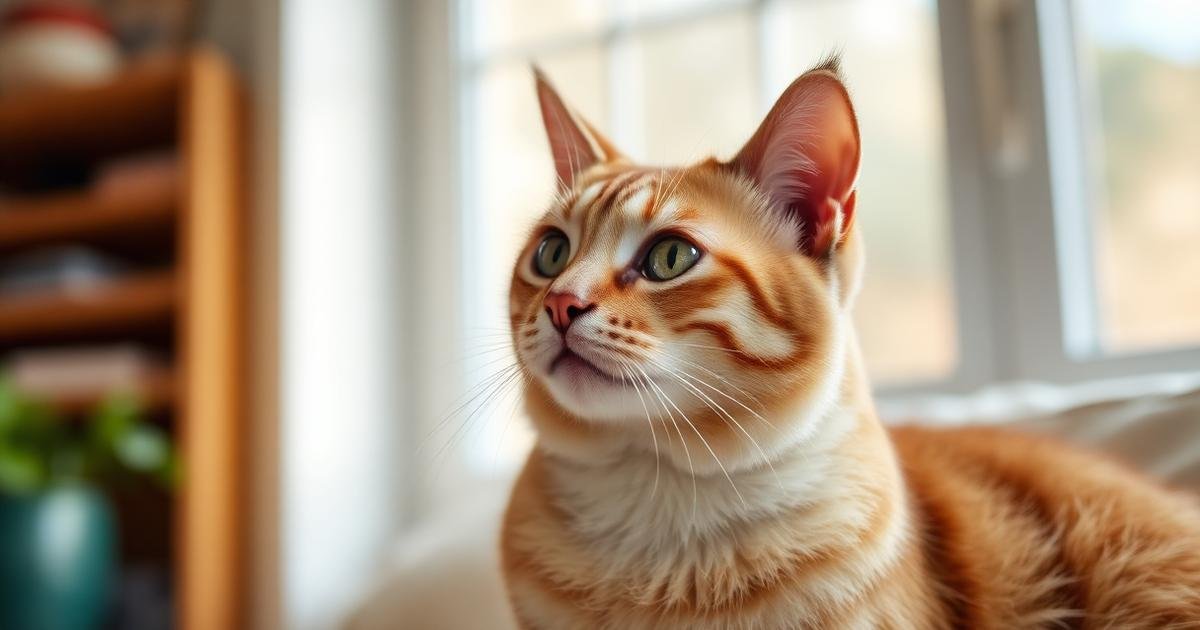
If you're wondering what cat breed lives the longest, the answer is the Burmese cat, with an average lifespan of 18–25 years. Some Burmese cats have even reached 27 years of age. While genetics play a major role, how you care for your cat—from diet to vet visits—determines whether your feline friend reaches those upper limits.
What cat breed lives the longest: The Burmese cat breed lives the longest, averaging 18–25 years. The oldest recorded Burmese, "Kataleena Lady," lived to 27. Other long-lived breeds include the Siamese (15–20 years), Sphynx (15–20 years), and Manx (15–18 years). Indoor-only cats consistently outlive outdoor cats by 5–10 years regard
Quick Answer: What cat breed lives the longest?
The Burmese cat breed lives the longest, averaging 18–25 years. The oldest recorded Burmese, "Kataleena Lady," lived to 27. Other long lived breeds include the Siamese (15–20 years), Sphynx (15–20 years), and Manx (15–18 years). Indoor only cats consistently outlive outdoor cats by 5–10 years regardless of breed.
For a complete guide on this topic, see the Complete Cat Breed Guide.
How long do cats live on average?
The average domestic cat lives 12–15 years. But that number varies wildly depending on breed, lifestyle, and genetics. Indoor cats typically live 15–20 years, while outdoor cats average just 2–5 years due to accidents, predators, and disease.
According to the
Breed matters enormously. Some breeds are genetically predisposed to longer lives, while others carry hereditary conditions that shorten their time with you. That's why understanding what cat breed lives the longest helps you make informed choices before adopting.
Pro Tip: If you're adopting a mixed breed cat, ask the shelter about the parents' health history. Mixed breeds often live longer than purebreds due to hybrid vigor—but you still want to know what you're getting into.
Which cat breeds live the longest?
These breeds consistently top the charts for longevity. Each has unique traits that contribute to their extended lifespans.
Burmese cat (18–25 years)
The Burmese takes the crown when asking what cat breed lives the longest. These muscular, medium sized cats have fewer genetic health issues than many purebreds. Their robust immune systems and lower rates of heart disease give them a significant edge.
Burmese cats are also highly social. They thrive on human interaction, which reduces stress related health problems. A happy cat is a healthier cat, and the Burmese's affectionate nature keeps them mentally sharp well into old age.
Siamese cat (15–20 years)
Siamese cats are the old guard of longevity. They've been bred for centuries, which means their gene pool is relatively stable. They're prone to some respiratory issues, but otherwise enjoy excellent health.
Their vocal, active lifestyle keeps them lean. Obesity is a major lifespan shortener in cats, and Siamese cats naturally self regulate their food intake better than many breeds.
Sphynx cat (15–20 years)
You might not expect a hairless cat to be a long-liver, but the Sphynx is remarkably hardy. They have fewer skin issues than you'd think, and their high metabolism keeps weight in check.
The catch? They need regular baths to control oil buildup. Neglect that, and skin infections can shorten their life. But with proper care, these quirky cats stick around for decades.
Manx cat (15–18 years)
The tailless Manx is another breed with impressive longevity. They're muscular, active, and generally healthy. Their main health concern is a spinal condition called Manx syndrome, but responsible breeders screen for it.
Manx cats are known for their dog like loyalty and intelligence. Mental stimulation keeps them engaged, which studies suggest reduces cognitive decline in older cats.
Russian Blue (15–18 years)
Russian Blues are naturally reserved and low stress cats. Their calm temperament means fewer stress related illnesses. They also have fewer breed specific genetic disorders than many other purebreds.
Their dense, double coat requires minimal grooming, which means less stress during care routines. Less stress equals longer life.
Other notable long lived breeds
Persian cats average 12–17 years, though their flat faces can cause breathing issues. Maine Coons typically reach 12–15 years, with some hitting 18. The Savannah cat, a hybrid breed, can live 15–20 years with proper care.
Remember: breed sets the ceiling, but your care determines whether your cat reaches it. The question "what cat breed lives the longest" matters less than how you raise them.
Ready to give your long lived cat the best care possible? From senior friendly food to enrichment toys, we've got you covered.
Browse Cat Products →
What factors actually determine a cat's lifespan?
Breed is just one piece of the puzzle. These factors matter more than genetics in most cases.
Indoor vs. outdoor lifestyle
This is the single biggest factor. The
If you want your cat to reach 20 years, keep them indoors. Build a "catio" or use a harness for supervised outdoor time if they crave fresh air.
Diet and nutrition
Obesity is the number one preventable cause of early death in cats. Overweight cats have higher rates of diabetes, arthritis, and heart disease. Feed a high-protein, low carbohydrate diet and measure portions.
Veterinarians generally recommend wet food over dry food for kidney health. Cats evolved to get moisture from prey, and chronic dehydration damages kidneys over time.
Veterinary care
Annual checkups catch problems early. Senior cats (age 10+) need biannual visits with blood work, dental cleanings, and thyroid checks. The
Dental health is especially critical. Periodontal disease causes systemic inflammation that shortens lifespan. Brush your cat's teeth weekly if possible.
Spaying and neutering
Spayed females avoid uterine infections and reproductive cancers. Neutered males avoid testicular cancer and roam less, reducing accident risk. Both live 2–3 years longer on average than intact cats.
The
Stress and enrichment
Chronic stress suppresses the immune system. Cats need vertical space (cat trees, shelves), hiding spots, and daily play sessions. A bored, stressed cat eats poorly and gets sick more often.
Provide at least 15 minutes of interactive play daily. Rotate toys to keep things fresh. A mentally stimulated cat is a long lived cat.
Pro Tip: Use puzzle feeders for at least one meal per day. They slow down eating, provide mental stimulation, and prevent the boredom that leads to stress eating. Your cat works for their food like they would in nature.
How can you tell if your cat is aging well?
Watch for these signs of healthy aging in cats 10 years and older.
| Sign | Healthy Aging | Red Flag |
|---|---|---|
| Weight | Stable, ideal body condition | Unexplained loss or gain over 2 weeks |
| Appetite | Consistent, enthusiastic eating | Sudden refusal of food or excessive thirst |
| Activity | Plays daily, climbs furniture | Hides, sleeps 20+ hours, avoids jumping |
| Coat | Shiny, full, well-groomed | Dull, matted, or bald patches |
| Litter box | Regular urination and defecation | Straining, blood, or accidents outside box |
| Mobility | Walks normally, uses stairs | Stiffness, limping, reluctance to move |
If you see two or more red flags within a month, schedule a vet visit. Early intervention is the best way to extend your cat's golden years.
How do you choose a long lived cat breed?
If you're specifically looking for a cat that will be with you for two decades or more, use this decision framework.
| Your Priority | Best Breed | Why |
|---|---|---|
| Maximum lifespan | Burmese | 25+ years with proper care |
| Low maintenance | Russian Blue | Healthy, calm, minimal grooming |
| Active family | Siamese | Playful, social, lean build |
| Allergy-friendly | Sphynx | Hypoallergenic, long lived with care |
| Unique appearance | Manx | Tailless, sturdy, 18-year average |
Visit reputable breeders who screen for genetic conditions. Ask to see the parents' health records. A breeder who can't show you health testing is a red flag.
Remember: the best breed for you is the one you can commit to caring for properly. A cat that lives 20 years is a 20-year responsibility. Make sure your lifestyle can support that.
Pro Tip: Consider adopting an adult cat from a shelter. Adult cats have established personalities and known health histories. You skip the kitten chaos and get a cat whose lifespan you can realistically plan around. Many adult cats in shelters are purebreds surrendered for non health reasons.
What health conditions shorten a cat's lifespan most?
Even the longest lived breeds face health challenges. Knowing what to watch for can add years to your cat's life.
Chronic kidney disease (CKD)
CKD is the leading cause of death in senior cats. It affects up to research suggests 30% of cats over 10 years old. Early signs include increased thirst, frequent urination, and weight loss. The
Feed wet food exclusively if possible. Dry food dehydrates cats over time. Add a water fountain to encourage drinking. These simple steps slow CKD progression by months or even years.
Hyperthyroidism
This condition affects older cats, typically those over 8 years old. An overactive thyroid causes weight loss despite a ravenous appetite, hyperactivity, and a racing heart. Untreated hyperthyroidism stresses the heart and can cause fatal heart failure.
Treatment is straightforward: daily medication, a special diet, or radioactive iodine therapy. Cats diagnosed early and treated properly live normal lifespans. Annual thyroid checks after age 8 are non-negotiable.
Diabetes mellitus
Obesity is the primary driver of feline diabetes. Overweight cats develop insulin resistance, and the condition becomes permanent in many cases. Diabetic cats need insulin injections twice daily and a strict low carbohydrate diet.
The good news? Diabetes is reversible in some cats if caught early and managed aggressively. Weight loss of just 10–research suggests 15% can put the disease into remission. Keep your cat lean, and you'll likely avoid this diagnosis entirely.
Heart disease (cardiomyopathy)
Hypertrophic cardiomyopathy (HCM) is the most common heart disease in cats. It thickens the heart muscle, reducing its ability to pump blood. Some breeds, like Maine Coons and Ragdolls, are genetically predisposed.
Annual heart screenings with an echocardiogram catch HCM before symptoms appear. Cats with early stage HCM can live years with medication and monitoring. The key is catching it before a clot forms or heart failure develops.
Pro Tip: Start annual senior blood work at age 7, not age 10. Many long lived breeds hit senior status earlier than average. A baseline blood panel at 7 gives your vet a benchmark to compare against as your cat ages. Changes show up earlier this way.
How does the longest lived cat breed compare to other pets?
Understanding how cats stack up against other pets helps you appreciate their longevity potential.
| Pet Type | Average Lifespan | Longest Lived Breed/Species |
|---|---|---|
| Cat | 12–15 years | Burmese (18–25 years) |
| Dog | 10–13 years | Chihuahua (15–20 years) |
| Rabbit | 8–12 years | Mini Lop (10–14 years) |
| Guinea pig | 5–7 years | Various (8–10 years) |
| Hamster | 2–3 years | Roborovski (3–4 years) |
Cats outlive dogs by 2–3 years on average. The longest lived cat breeds rival small dog breeds for longevity. A Burmese cat at 25 years is equivalent to a 115-year old human in relative terms.
This longevity means a bigger commitment. A cat adopted at age 2 could be with you until your own retirement. Plan your life around that reality, and you'll never have to say goodbye too soon.
What's the secret to the longest lived cats in history?
The oldest cats ever recorded share common traits. Studying them reveals patterns you can apply to your own cat.
Creme Puff (38 years)
The oldest cat ever recorded was Creme Puff, a mixed breed cat from Texas who lived to 38. Her owner attributed her longevity to a special diet of dry food supplemented with broccoli, eggs, turkey bacon, and coffee with cream. While you shouldn't feed your cat coffee, the principle of dietary variety and high quality protein stands.
Grandpa Rex Allen (34 years)
This Sphynx cat lived to 34 years old. His owner kept him strictly indoors, provided daily play sessions, and maintained a consistent routine. Grandpa Rex Allen proves that the Sphynx breed can exceed expectations with dedicated care.
Kataleena Lady (27 years)
The oldest recorded Burmese, Kataleena Lady, lived to 27. She was spayed, kept indoors, and fed a high quality commercial diet. Her owner noted that she never stressed about anything—a calm environment was key.
The common threads? All were indoor cats. All were spayed or neutered. All had owners who prioritized preventive care. And all lived in low stress homes with consistent routines. Genetics gave them potential; their owners' care turned that potential into reality.
Pro Tip: Create a "longevity plan" for your cat. Write down their ideal weight, vet visit schedule, dental care routine, and enrichment activities. Review it every 6 months. Consistency over decades is what separates a 15-year cat from a 25-year cat.
For broader reference and guidance, akc.org provides useful context on pet health and care decisions.
For broader reference and guidance, petmd.com provides useful context on pet health and care decisions.
Frequently Asked Questions
What cat breed lives the longest?
The Burmese cat breed lives the longest, with an average lifespan of 18–25 years. The oldest recorded Burmese lived to 27. Other long lived breeds include the Siamese (15–20 years), Sphynx (15–20 years), and Manx (15–18 years).
Do mixed breed cats live longer than purebreds?
Yes, mixed breed cats often outlive purebreds by 1–3 years on average. This is due to hybrid vigor—a wider gene pool reduces the risk of inherited genetic disorders. However, the longest individual cats are often purebred Burmese.
Can indoor cats really live 20 years?
Yes, many indoor cats reach 20 years or more. Indoor only cats avoid cars, predators, and infectious diseases that cut outdoor cats' lives short. With proper diet, vet care, and enrichment, 20 years is realistic for most breeds.
What shortens a cat's lifespan the most?
Obesity and outdoor access are the two biggest lifespan shorteners. Overweight cats develop diabetes, arthritis, and heart disease earlier. Outdoor cats average just 2–5 years due to accidents and disease. Keeping your cat lean and indoors adds 5–10 years.
At what age is a cat considered senior?
Most cats are considered senior at age 10–11. Giant breeds like Maine Coons may reach senior status earlier, around 8–9 years. Senior cats need biannual vet visits, blood work, and dental care to catch age related conditions early.
How can I help my cat live longer?
Keep your cat indoors, feed a high protein wet diet, maintain a healthy weight, provide daily play and enrichment, and schedule annual vet visits after age 7. Spay or neuter your cat. Brush their teeth weekly. These steps add 3–5 years to the average lifespan.
Is the Burmese cat the only breed that lives past 20?
No, but the Burmese is the most consistent. Siamese cats occasionally reach 25, and Sphynx cats have reached 34. Mixed breed cats also regularly hit 20+. The Burmese simply has the highest average, meaning most Burmese cats reach 18–25 years with proper care.
Does gender affect a cat's lifespan?
Female cats live slightly longer than males on average, by about 1–2 years. Spayed females live longest, followed by neutered males. Intact cats of both sexes have shorter lifespans due to roaming, fighting, and reproductive cancers.
For more on this topic, see our guide to what is the friendliest cat breed.
For more on this topic, see our guide to what is the best cat breed for apartment living.
For more on this topic, see our guide to how to choose a cat breed.