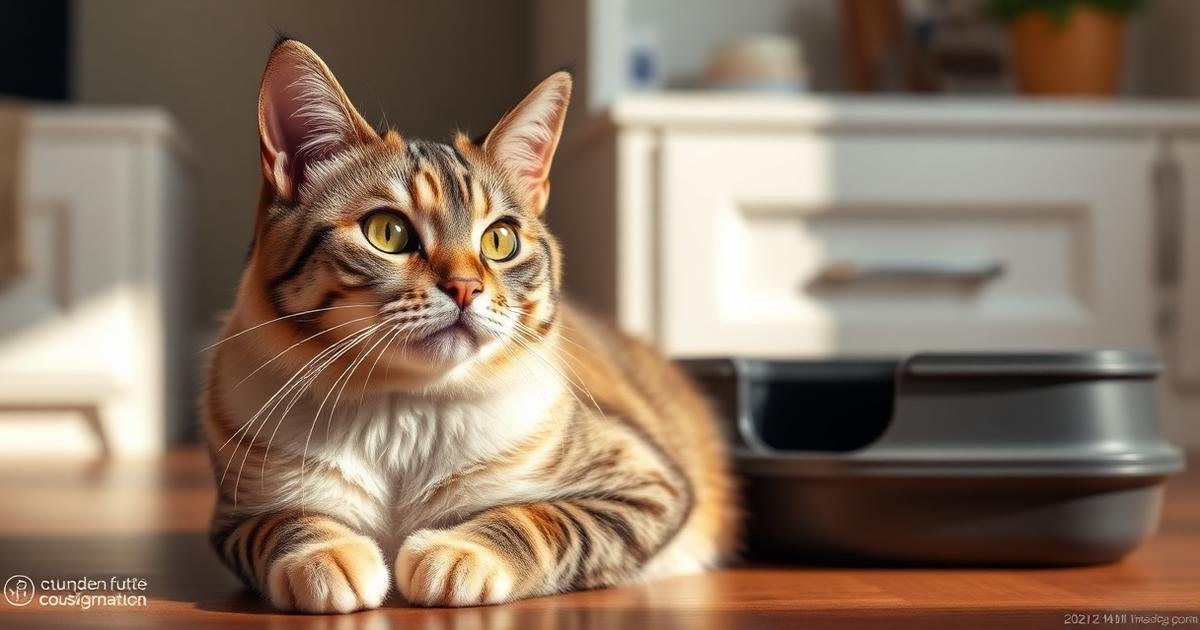
Choosing the right litter for your cat is one of the most important decisions you'll make as a pet owner. This ultimate guide to cat litter covers everything you need to know — from material types and odor control to health monitoring and troubleshooting litter box problems. By the end, you'll know exactly which litter suits your cat's preferences, your home environment, and your budget.
Ultimate guide to cat litter: Unscented, clumping clay litter is the best starting point for most cats. It offers strong odor control, easy scooping, and wide availability. Cats prefer unscented options because their sense of smell is 14 times stronger than humans, making artificial fragrances overwhelming. Expect to scoop daily
Quick Answer: What Is The Best Cat Litter For Most Cats?
Unscented, clumping clay litter is the best starting point for most cats. It offers strong odor control, easy scooping, and wide availability. Cats prefer unscented options because their sense of smell is 14 times stronger than humans, making artificial fragrances overwhelming. Expect to scoop daily and fully replace the litter every 2–3 weeks.
This recommendation balances your cat's natural instincts with practical home management. Always prioritize unscented options to avoid overwhelming your cat's sensitive nose.
What Are The Different Types Of Cat Litter?
Understanding the core materials is the first step in your ultimate guide to cat litter. Each type has distinct pros and cons that affect your cat's comfort and your cleaning routine.
Clumping Clay Litter (Sodium Bentonite)
This is the most popular choice for a reason. When wet, it forms hard clumps that you scoop out easily, leaving the rest of the litter clean. It offers excellent odor control and is widely available. The downside is dust, which can bother cats with respiratory issues or allergies. It's also not biodegradable.
Non Clumping Clay Litter
Older style litter that absorbs liquid without forming clumps. You must replace the entire box more frequently — usually every 5–7 days. It's cheaper upfront but costs more over time. Most cats and owners prefer clumping varieties for convenience and odor management.
This ultimate guide to cat litter decision works best when the owner compares daily fit, tolerance, and practical consistency together.
Silica Gel Crystal Litter
Made from silica dioxide, these crystals absorb moisture and trap odor through evaporation. A single bag can last up to 30 days for one cat. They are nearly dust free and lightweight. However, some cats dislike the texture under their paws, and the crystals can be sharp. Never flush them — they cause plumbing blockages.
For many homes, the right ultimate guide to cat litter choice is the one that stays reliable under ordinary daily conditions.
Pro Tip: If your cat suddenly stops using the box, try switching to a different litter texture. Many cats develop preferences early in life. A sudden switch from clay to crystals can trigger litter box aversion. Mix old and new litter over 5–7 days to ease the transition.
Biodegradable Litters (Wood, Paper, Corn, Wheat, Walnut)
These eco friendly options break down naturally and are often flushable (check your local regulations). Pine pellets absorb odor well but don't clump tightly. Paper litter is soft and excellent for kittens or cats recovering from surgery. Corn and wheat litters clump naturally but can attract pests if not stored properly. Walnut shell litter offers dark color that hides stains but can track more than clay.
A well matched ultimate guide to cat litter option should support the pet clearly without making the routine harder to maintain.
What About Scented Vs. Unscented?
Veterinarians and the ASPCA strongly recommend unscented litter. Cats have an extraordinarily sensitive sense of smell. Artificial fragrances like lavender, citrus, or pine can overwhelm them, causing them to avoid the box entirely. The American Veterinary Medical Association notes that respiratory irritation is also a concern with heavily scented products. Stick with unscented and control odor through frequent scooping and proper box placement.
How Do I Choose The Right Litter For My Cat?
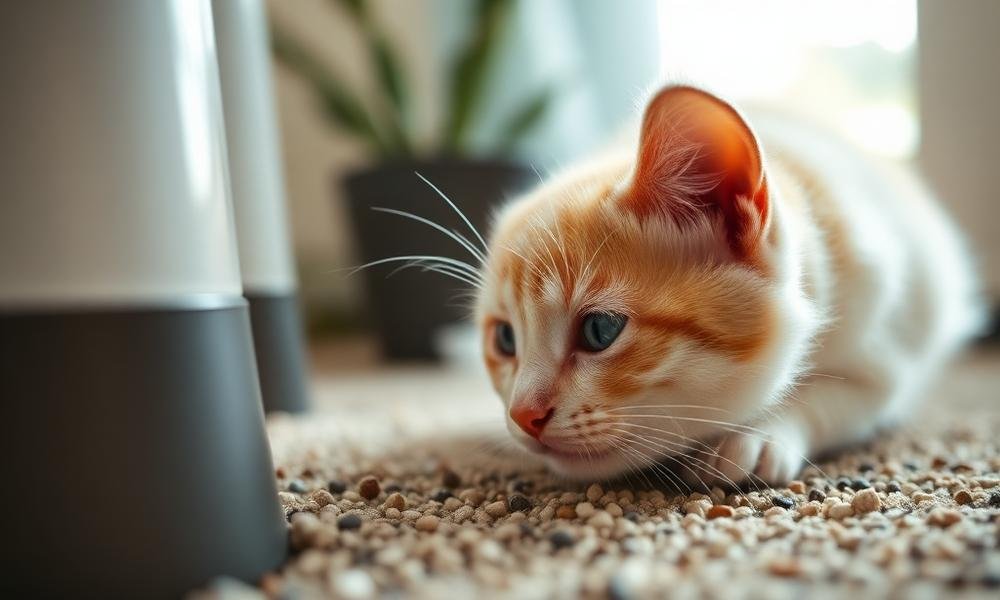
Your cat's preferences matter most. A litter that works for your neighbor's cat may fail miserably in your home. Start with these three factors.
Texture Preference
Most cats prefer fine-grained, sand like textures. This mimics natural elimination surfaces. If your cat is a senior or has arthritis, softer textures like paper or fine clay are gentler on sore paws. Kittens under 6 months old should avoid clumping clay — they may ingest it while grooming, which can cause intestinal blockages. Use non clumping paper litter for kittens.
Health Monitoring
Clumping litter makes it easy to monitor urine output and stool consistency. This is crucial for detecting urinary tract infections, kidney disease, or diabetes early. If your cat has a known health issue, choose a litter that allows you to see changes clearly. White or light colored litters work best for spotting blood or abnormal stool.
Household Considerations
Do you live in a small apartment? Consider lightweight litter for easier carrying. Have multiple cats? You'll need a high performing clumping litter with strong odor control. Are you on a septic system? Biodegradable or flushable litters are safer than clay. Do you have a cat with asthma? Choose dust free options like paper or crystals.
For apartment specific recommendations, see our Best Cat Litter For Small Apartments guide.
Pro Tip: Offer your cat a choice. Place two litter boxes side-by-side — one with your current litter and one with a new type. See which box your cat uses more over 3–5 days. This simple test prevents a full box of wasted litter.
How Much Litter Should I Use And How Often Should I Change It?
Getting the depth and schedule right prevents odors and keeps your cat happy. Most owners use too little litter or wait too long between changes.
Ideal Depth
Fill the box with 2–3 inches of clumping litter. This depth allows urine to reach the bottom and form a solid clump that you can scoop without crumbling. Too shallow (under 1 inch) and urine pools on the plastic liner, creating stubborn odors. Too deep (over 4 inches) and cats may struggle to dig, especially if they are older or have mobility issues.
Scooping Schedule
Scoop at least once daily. Twice is better for odor control and cat satisfaction. Solid waste should be removed immediately. Clumps should sit no longer than 12 hours before removal. If you have multiple cats, scoop twice daily without exception. The National Institutes of Health recommends daily scooping to reduce ammonia buildup, which can harm both feline and human respiratory health.
Full Change Frequency
For clumping clay: completely empty, wash the box with mild soap and water, and refill with fresh litter every 2–3 weeks. For non clumping clay: every 5–7 days. For crystals: every 3–4 weeks. For biodegradable litters: follow manufacturer guidelines, typically every 2–4 weeks. If you smell ammonia between full changes, you're waiting too long.
Box Cleaning Tips
Avoid harsh chemical cleaners like bleach or ammonia. Cats associate the smell of ammonia with urine, which can encourage them to urinate outside the box. Use hot water and mild dish soap. For stubborn odors, a 50/50 vinegar and water solution works well. Rinse thoroughly and dry completely before adding fresh litter.
Pro Tip: Line the box with a thin layer of baking soda before adding litter. This absorbs moisture and neutralizes odors without adding artificial scents. Use about ¼ cup for a standard sized box. Reapply after each full change.
How Do I Store Cat Litter Properly?
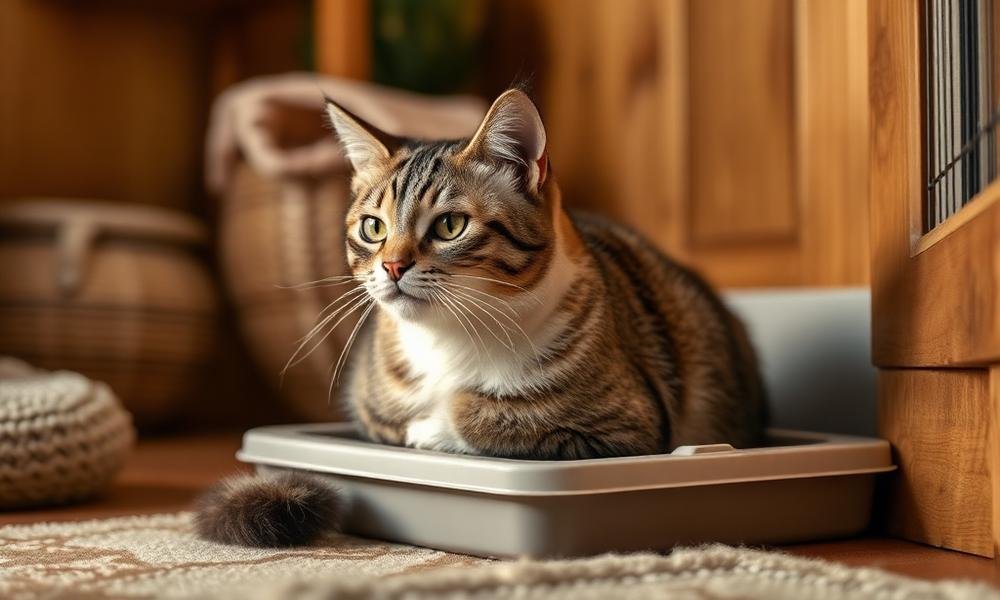
Improper storage ruins litter quality and wastes your money. Moisture, pests, and temperature swings all degrade performance within days.
Choose The Right Container
Keep litter in its original bag inside a sealed plastic bin with a tight fitting lid. The original bag protects against moisture while the bin adds a second barrier. Avoid storing litter in paper bags alone — they tear easily and absorb humidity. For lightweight litters like crystals, a 5-gallon bucket with a gamma seal lid works perfectly.
Control Humidity And Temperature
Store litter in a cool, dry area like a closet or pantry — never in a basement, garage, or laundry room where humidity fluctuates. High humidity causes clay litter to clump prematurely inside the bag, making it unusable. Silica crystals absorb ambient moisture, reducing their effectiveness before they even reach the box. Aim for a storage environment below research suggests 50% relative humidity for best results.
Watch For Pests
Corn, wheat, and walnut litters attract pantry moths, weevils, and rodents due to their organic ingredients. Store these litters in metal or heavy duty plastic containers with airtight seals. Check the litter monthly for signs of infestation — small webs, larvae, or droppings. If you find pests, dispose of the entire batch immediately and wash the container with hot soapy water before refilling.
Pro Tip: Buy no more than a 2-month supply at a time unless you have climate controlled storage. Bulk purchases save money but degrade faster in less-than ideal conditions. Rotate your stock — use older bags first and mark purchase dates on containers with a permanent marker.
How Many Litter Boxes Do I Need?
The "one per cat plus one" rule is the gold standard. This means two boxes for one cat, three boxes for two cats, and so on. This recommendation comes from the ASPCA's behavior resources. Cats are territorial and may refuse to share a box, especially in multi cat households.
Placement Matters
Place boxes in quiet, low traffic areas where your cat feels safe. Avoid corners near washing machines, furnaces, or other noisy appliances. Never place food or water bowls near the litter box — cats instinctively avoid eating near elimination areas. If you have multiple floors, place at least one box on each level.
Box Size And Style
Use the largest box your space allows. Many commercial boxes are too small for average sized cats. A 20" x 15" box is a good minimum. Covered boxes trap odors inside, which can deter sensitive cats. If you use a covered box, remove the door flap to improve ventilation. Senior cats with arthritis benefit from boxes with low entry points — under 4 inches high.
Spacing Boxes In Multi Cat Homes
Don't cluster all boxes in one spot. Spread them across different rooms or levels of your home. This prevents dominant cats from guarding all the boxes and gives shy cats a safe option. In a two cat household with three boxes, place one on each floor of a two story home and the third in a quiet bedroom corner. Observe which boxes get used most and adjust placement accordingly.
Why Is My Cat Avoiding The Litter Box?
Litter box avoidance is one of the most frustrating problems for cat owners. It's almost never about spite — it's about discomfort, fear, or medical issues.
Medical Causes First
Always rule out medical problems before changing litter or boxes. Urinary tract infections, bladder stones, kidney disease, and diabetes can all cause painful urination. Your cat associates the box with pain and starts avoiding it. The AVMA recommends a veterinary visit for any sudden change in elimination habits. This is especially urgent for male cats who cannot urinate — this is a life threatening emergency.
Litter Preference Issues
If your cat has a clean bill of health, examine the litter itself. Did you recently switch brands or scents? Did you change from unscented to scented? Did you switch from fine to coarse texture? Cats are creatures of habit. Revert to the previous litter type and see if behavior improves within 2–3 days.
Box Cleanliness
Your cat's standards for cleanliness are higher than yours. If you scoop once daily, try twice. If you change litter every 3 weeks, try every 2 weeks. Some cats refuse to use a box that has even one urine clump remaining. Wash the box thoroughly with soap and water — residual odors can linger even after scooping.
Stress And Environmental Changes
New pets, moving furniture, construction noise, or a new baby can all trigger litter box avoidance. Provide a second box in a different location. Use calming products like pheromone diffusers. Give your cat safe spaces to retreat. Most stress related avoidance resolves within 1–2 weeks of addressing the trigger.
For additional support, read our Best Cat Calming Products guide.
Pro Tip: If your cat eliminates outside the box, never punish them. Punishment increases stress and makes the problem worse. Instead, clean the soiled area thoroughly with an enzymatic cleaner designed for pet urine. Regular cleaners may not remove the scent markers that attract your cat back to the same spot.
| Problem | Likely Cause | Solution |
|---|---|---|
| Cat urinates outside box but defecates inside | Painful urination (UTI, crystals) | Vet visit immediately |
| Cat suddenly stops using box after years | Medical issue or litter change | Rule out health first, then revert to old litter |
| Cat scratches walls near box but doesn't enter | Box too dirty or litter texture disliked | Scoop more often, try different litter texture |
| Multiple cats — one guards the box | Territorial behavior | Add more boxes in separate locations |
| Cat urinates on soft surfaces (beds, carpets) | Preference for soft texture | Try paper or fine grained litter |
What Is The Best Litter For Health Monitoring?
Your cat's waste tells you a lot about their health. Choosing the right litter makes it easy to spot problems early, potentially saving you hundreds in vet bills.
Color Contrast Litters
White or very light colored litters make blood, mucus, and abnormal stool colors immediately visible. Blood in urine appears as pink or red spots on white clay. Dark litters like walnut or charcoal hide these signs completely. If your cat has a history of urinary issues, stick with white or beige litters exclusively. The PetMD condition guides emphasize that early detection of hematuria (blood in urine) improves treatment outcomes significantly.
Clumping Quality And Clarity
High quality clumping litter forms firm, distinct clumps that hold their shape when scooped. This lets you assess urine volume accurately — a key metric for monitoring kidney function and diabetes. If clumps crumble easily or dissolve back into the litter, you lose that diagnostic information. Test a new litter's clumping strength by pouring ¼ cup of water onto it and waiting 30 seconds before scooping. A good litter holds together firmly.
Odor Changes As Diagnostic Tools
Familiarize yourself with your cat's normal urine and stool odors. A sudden sweet or fruity smell in urine can indicate diabetes. A particularly foul or ammonia heavy odor may signal a urinary tract infection. Unscented litter allows you to detect these changes immediately. Scented litters mask these warning signs, delaying diagnosis and treatment. The American Veterinary Medical Association recommends unscented litter specifically for this reason.
Pro Tip: Keep a small notebook or phone note tracking your cat's daily litter box habits. Note urine clump size, stool consistency, and any unusual colors or odors. Share this log with your veterinarian during checkups — it provides valuable baseline data that helps detect problems weeks or months earlier.
For broader reference and guidance, aspca.org provides useful context on pet health and care decisions.
For broader reference and guidance, petmd.com provides useful context on pet health and care decisions.
Frequently Asked Questions
Can I flush cat litter down the toilet?
Only flush litter explicitly labeled as flushable, and only if you have a municipal sewer system — never a septic tank. Clay and crystal litters should never be flushed. Even flushable litters may contain Toxoplasma gondii, a parasite harmful to marine life. Check local regulations before flushing.
How do I reduce tracking of litter around the house?
Place a textured mat outside the litter box to catch granules from paws. Use a top entry box that forces cats to jump out, shaking off loose litter. Choose larger, heavier litter granules that are less likely to stick to paws. Vacuum or sweep daily around the box area.
Is clumping litter safe for kittens?
Veterinarians generally recommend avoiding clumping clay litter for kittens under 6 months old. Kittens may ingest the litter while grooming, and the clumping agent can expand in the digestive tract, causing blockages. Use non clumping paper or pine pellet litter for young kittens.
What is the best litter for odor control?
Clumping clay litter with activated charcoal or baking soda offers the best odor control for most households. Silica crystal litter is excellent for odor absorption but may not suit all cats. For the strongest odor control, scoop twice daily and perform a full litter change every 2 weeks.
How often should I replace the litter box itself?
Replace plastic litter boxes every 6–12 months. Plastic develops microscopic scratches that trap bacteria and odors over time. Even with thorough cleaning, these scratches cannot be fully sanitized. Stainless steel or ceramic boxes last longer and are easier to clean thoroughly.
Can I mix different types of cat litter?
Yes, mixing litters can combine benefits. For example, mixing unscented clumping clay with silica crystals improves odor control while maintaining clumping ability. Start with a 50/50 ratio and adjust based on your cat's acceptance. Avoid mixing clumping and non clumping litters — the non clumping material prevents proper clump formation.
Does cat litter expire?
Unopened cat litter lasts 1–2 years if stored in a cool, dry place. Once opened, use it within 3–6 months for best performance. Clay litter absorbs moisture from the air over time, reducing its clumping ability. Check for clumps, musty odors, or pest activity before using old litter.
Why does my cat eat litter?
Litter eating, or pica, can indicate nutritional deficiencies, anemia, or dental pain in cats. Kittens often explore litter with their mouths but should outgrow this by 6 months. If your adult cat eats litter consistently, schedule a veterinary exam to rule out underlying health issues. Switch to a non-toxic, paper based litter until the behavior resolves.
Find the perfect cat litter for your home — compare top rated options now.
Browse Cat Litter Options →