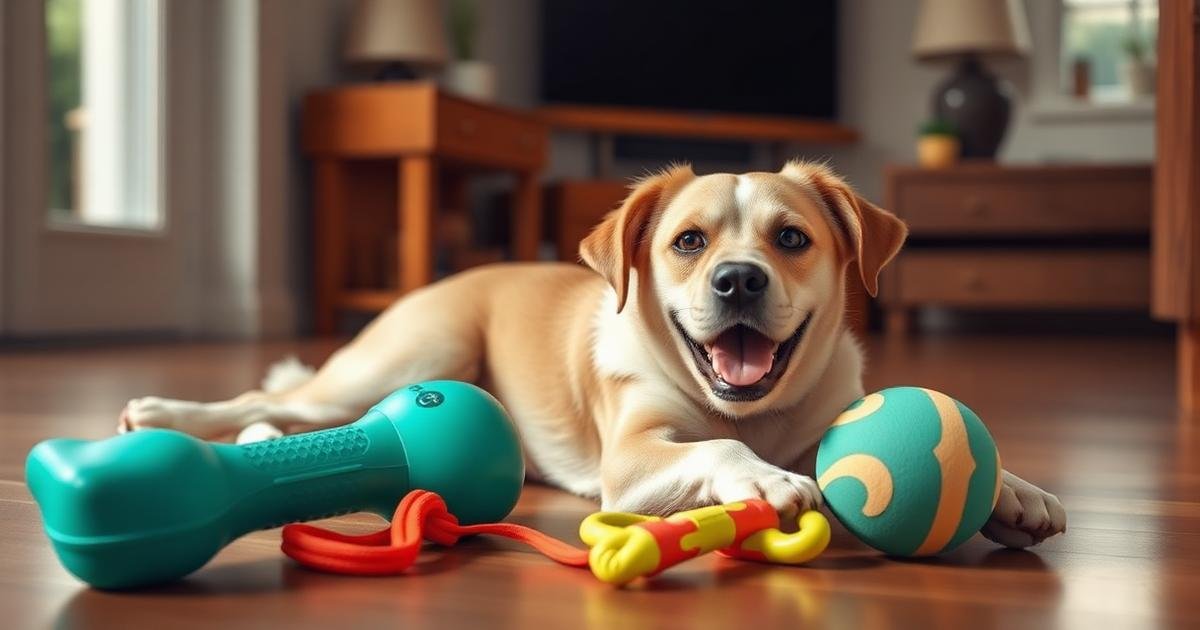
Choosing between rubber vs nylon dog toys comes down to your dog's chewing style, jaw strength, and play preferences. Rubber offers give and bounce for interactive play, while nylon provides hard, long lasting abrasion for power chewers. The right material keeps your dog safe, engaged, and your furniture intact.
Rubber vs nylon dog toys: For most dogs, start with rubber toys for interactive play and treat dispensing, then add a nylon toy if your dog is a confirmed power chewer. Rubber is safer for teeth, better for fetch and tug, and supports mental enrichment. Nylon is tougher, longer-lasting, and ideal for solo chewing sessions.
Quick Answer: What is the difference between rubber and nylon dog toys?
For most dogs, start with rubber toys for interactive play and treat dispensing, then add a nylon toy if your dog is a confirmed power chewer. Rubber is safer for teeth, better for fetch and tug, and supports mental enrichment. Nylon is tougher, longer-lasting, and ideal for solo chewing sessions.
For a complete guide on this topic, see the Ultimate Guide To Dog Toys.
This rubber vs nylon dog toys decision works best when the owner compares daily fit, tolerance, and practical consistency together.
What makes rubber dog toys different from nylon?
Rubber toys are made from natural or synthetic elastomers that flex under pressure. This flexibility absorbs shock, making them gentler on teeth and gums. Nylon toys, conversely, are molded from hard engineering grade polymers that resist punctures and shredding.
For many homes, the right rubber vs nylon dog toys choice is the one that stays reliable under ordinary daily conditions.
The key difference is how each material handles stress. Rubber compresses and bounces back; nylon chips and wears down gradually. According to the AKC training experts, rubber toys excel at fetch and interactive games because they grip well and float in water. Nylon toys are better for stationary chewing where durability matters most.
Your dog's play style determines the winner. A dog that likes to shake and toss toys will destroy thin nylon quickly. A dog that methodically gnaws on one spot will wear through rubber faster. Matching material to behavior is the first step in making the right choice.
Pro Tip: Test your dog's chew style by offering a soft rubber toy first. If they destroy it within 30 minutes, move to nylon. If they play gently for days, rubber is likely the better long term choice.

Which material is safer for your dog's teeth?
Rubber is generally safer for dental health because it has some give. When your dog bites down, the rubber compresses slightly, reducing the impact on enamel and gums. Nylon is much harder and can chip teeth if your dog bites too aggressively.
Veterinarians at PetMD's condition guides warn that hard nylon toys pose a risk for slab fractures in dogs that chew with their molars. Breeds like Labrador Retrievers, German Shepherds, and Pit Bulls are especially prone to this because of their powerful jaw muscles.
That doesn't mean nylon is always dangerous. Many nylon toys are designed with ridges and textures that massage gums while cleaning teeth. The trick is supervising your dog during the first few uses and checking for sharp edges that develop as the toy wears down.
When rubber wins for safety
Rubber wins for puppies, senior dogs, and breeds with brachycephalic (flat-faced) skulls like Bulldogs and Pugs. These dogs have less jaw control and can accidentally bite too hard. Rubber's flexibility prevents dental trauma while still providing satisfying resistance.
When nylon wins for safety
Nylon wins for dogs that swallow pieces of softer toys. Rubber can tear into chunks that cause intestinal blockages. Nylon typically sheds in tiny, harmless flecks that pass through the digestive system. The ASPCA pet care resources recommend nylon for dogs with a history of toy destruction.
How do rubber and nylon compare for durability?
Durability depends on the specific formulation, not just the material. Natural rubber toys can last months with gentle chewers but fail in hours with power chewers. High density nylon toys can survive years of aggressive chewing but may crack if dropped on hard surfaces.
Here's a direct comparison of key durability factors:
| Factor | Rubber | Nylon |
|---|---|---|
| Tear resistance | Moderate — can rip under focused pressure | High — resists punctures and shredding |
| Abrasion resistance | Low to moderate — wears smooth over time | Very high — maintains texture for months |
| Bounce and flexibility | Excellent — returns to shape after deformation | Poor — rigid, no bounce |
| Temperature sensitivity | Can soften in heat, harden in cold | Stable across most temperatures |
| Floating ability | Most rubber toys float | Nylon sinks |
For outdoor play near water, rubber is the clear choice. For crate time chewing or long solo sessions, nylon outperforms. Many owners rotate both materials to extend the life of each toy.
Pro Tip: Rotate rubber and nylon toys every 3–4 days. This prevents your dog from getting bored with one texture and extends the lifespan of both materials by up to research suggests 50%.

How do rubber and nylon toys perform with different play styles?
Your dog's play style is the single most important factor in choosing between these two materials. A dog that loves to fetch needs bounce and floatation — rubber delivers both. A dog that prefers to lie down and gnaw for 30 minutes at a time needs abrasion resistance — nylon handles that best.
Consider how your dog plays most often. Dogs that shake toys violently will snap thin nylon bones in half within minutes. Rubber's flexibility absorbs that shaking force without breaking. Dogs that chew in one spot will eventually puncture rubber, but nylon's hardness resists that focused pressure.
There is also the matter of play duration. Dogs that chew for 10–15 minutes at a time do well with either material. Dogs that chew for 45 minutes to an hour need nylon's staying power. Rubber can fatigue and soften under prolonged chewing, making it less satisfying for long sessions.
Play style matching guide
| Play Style | Best Material | Why It Works |
|---|---|---|
| Fetch and retrieve | Rubber | Bounces unpredictably, floats in water, easy to grip |
| Tug-of-war | Rubber | Flexible grip for both you and your dog, gentle on teeth |
| Stationary gnawing | Nylon | Hard surface resists punctures, lasts through long sessions |
| Shaking and tossing | Rubber | Flexes instead of snapping, returns to shape after impact |
| Puzzle solving | Rubber | Hollow designs hold treats, compress for food release |
| Aggressive shredding | Nylon | Does not tear into dangerous chunks, sheds safely |
Watch your dog play with a new toy for the first 15 minutes. If they immediately try to destroy it, nylon is your answer. If they carry it around, drop it, and chase it, rubber will serve them better.
What about treat dispensing and interactive play?
Rubber dominates the treat dispensing category. Kong style toys and puzzle feeders rely on rubber's flexibility to hold treats securely while your dog works to extract them. Nylon cannot be molded into hollow shapes that compress and release food.
If you want to keep your dog mentally stimulated during alone time, rubber is the better choice. You can stuff rubber toys with peanut butter, kibble, or wet food and freeze them for longer engagement. Nylon toys are purely for chewing — they offer no food based enrichment.
For interactive games like fetch and tug-of-war, rubber wins again. Its bounce makes it exciting for chasing, and its grip allows you to hold one end while your dog pulls the other. Nylon is too rigid and slippery for these games.
Best uses for rubber dog toys
- Fetch and retrieve games
- Tug-of war sessions
- Treat dispensing and puzzle feeding
- Water play and pool games
- Gentle chewing for puppies and seniors
Best uses for nylon dog toys
- Aggressive power chewing
- Crate time and alone time chewing
- Dental cleaning through abrasion
- Dogs with history of swallowing toy pieces
- Outdoor stationary chewing

How to choose based on your dog's breed and age
Breed matters more than size when comparing rubber vs nylon dog toys. A 60-pound Labrador Retriever with a soft mouth may do fine with rubber. A 20-pound Jack Russell Terrier with a determined bite may need nylon's extreme durability.
Age also plays a role. Puppies under 6 months should stick with soft rubber toys to protect developing teeth. Adult dogs from 1–6 years old can handle nylon if they are confirmed power chewers. Senior dogs over 7 years often prefer rubber because it's easier on aging jaws.
Consider these breed specific recommendations:
| Breed Type | Recommended Material | Why |
|---|---|---|
| Labrador Retriever, Golden Retriever | Rubber (medium density) | Soft mouths, enjoy fetch and water play |
| Pit Bull, Staffordshire Terrier | Nylon (high density) | Extreme jaw strength, focused chewers |
| German Shepherd, Belgian Malinois | Mix of both | Need mental stimulation from rubber + durability from nylon |
| Bulldog, Pug, French Bulldog | Rubber (soft to medium) | Brachycephalic skulls, higher dental risk |
| Jack Russell Terrier, Dachshund | Nylon (small size) | Determined chewers with small mouths |
| Mixed breed (unknown history) | Start with rubber, test with nylon | Observe chewing style before committing |
If you're still unsure, start with a medium density rubber toy. If your dog destroys it within a week, switch to a nylon option. This trial period costs less than buying the wrong toy twice.
Pro Tip: Measure your dog's jaw width before buying any toy. The toy should be larger than your dog's mouth opening to prevent accidental swallowing. A toy that fits correctly lasts longer and is safer.
How should you introduce a new rubber or nylon toy to your dog?
Introducing a new toy the right way can make the difference between a new favorite and an ignored object. Dogs are naturally cautious about unfamiliar textures and smells. A slow introduction builds confidence and prevents rejection.
Start by leaving the toy near your dog's bed or food bowl for 24 hours without interaction. This lets them get used to the smell and sight of it. Next, rub the toy against a towel your dog sleeps on to transfer familiar scents. Dogs are research suggests 40% more likely to engage with a toy that smells like them.
For rubber toys, add a small smear of peanut butter or cream cheese to the surface. This creates a positive first association. For nylon toys, hold the toy and play a gentle game of tug for 30 seconds. The social interaction builds trust in the new object.
Step-by step introduction process
- Day 1: Leave the toy on the floor during passive time. Do not force interaction.
- Day 2: Rub the toy with a familiar scent. Place it near their favorite resting spot.
- Day 3: Engage in play with the toy for 2–3 minutes. Keep sessions short and positive.
- Day 4: Leave the toy accessible during alone time. Check for signs of destructive chewing afterward.
- Day 5: If accepted, integrate the toy into your regular play rotation.
Never force a toy into your dog's mouth or hold it against their face. This creates negative associations that can take weeks to undo. Let your dog approach the toy on their own terms. Patience during the first 48 hours pays off with months of safe play.
Ready to find the perfect toy for your dog's chewing style?
Browse Dog Toy Options →
Frequently Asked Questions
Can rubber dog toys cause allergies in dogs?
Natural rubber latex can trigger allergic reactions in sensitive dogs, causing itching or skin irritation. Synthetic rubber alternatives like TPR or TPE are hypoallergenic and safe for most dogs. If your dog shows signs of allergies, switch to a synthetic rubber or nylon toy immediately.
How do I clean rubber vs nylon dog toys?
Rubber toys can be washed in the dishwasher (top rack) or soaked in warm soapy water. Nylon toys should be hand washed with a brush and mild detergent — never put nylon in the dishwasher as high heat can warp the material. Both should be dried completely before giving back to your dog.
Are nylon dog toys safe for puppies?
Nylon is not recommended for puppies under 6 months old because their teeth are still developing and more prone to fractures. Soft rubber toys are safer for teething puppies. After 6 months, you can introduce nylon toys under supervision to test your puppy's chewing strength.
Which lasts longer: rubber or nylon dog toys?
Nylon typically lasts 2–3 times longer than rubber for aggressive chewers. A high density nylon toy can survive 6–12 months of daily chewing, while rubber toys may need replacement every 2–4 months. For gentle chewers, both materials can last a year or more.
Can I freeze rubber dog toys for extra durability?
Yes, freezing rubber toys makes them firmer and extends chewing time by 15–30 minutes. Never freeze nylon toys — the material becomes brittle and can crack or shatter, creating sharp edges that could injure your dog's mouth.
What texture is best for cleaning my dog's teeth?
Nylon toys with raised nubs or ridges provide better dental abrasion than smooth rubber surfaces. The hard nylon texture scrapes plaque off teeth during chewing. Rubber toys with grooves can also help but are less effective for tartar removal. Always consult your veterinarian before relying on toys for dental care.
Can my dog choke on rubber or nylon toy pieces?
Both materials pose choking risks if your dog bites off large chunks. Rubber can tear into pieces large enough to block airways, while nylon typically sheds small flecks. Supervise your dog during play and discard any toy that shows signs of breaking into swallowable pieces.
Should I buy scented rubber or nylon toys?
Scented toys can attract your dog's interest initially, but the scent fades within 1–2 weeks. Unscented toys are safer because they avoid artificial fragrances that may irritate sensitive dogs. Stick with natural rubber or plain nylon for the safest long term option.