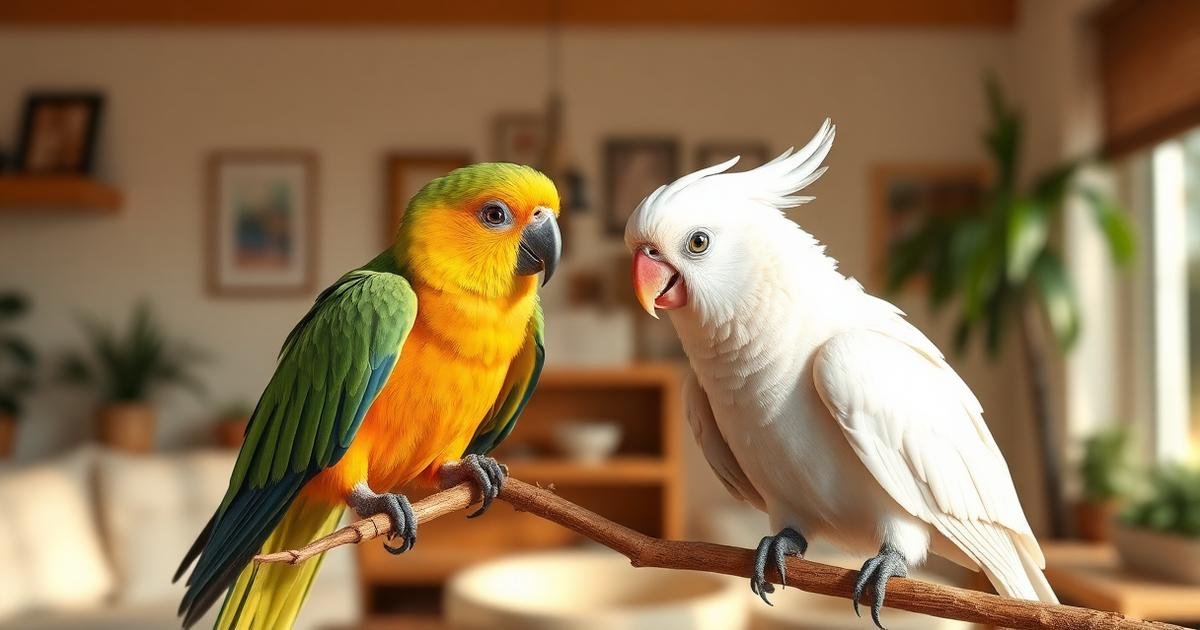
When deciding between a parrot-care-guide/">parrot and a cockatoo, the core difference comes down to noise, neediness, and lifespan. Parrots (like African Greys and Amazons) are generally more independent and talkative, while cockatoos are intensely affectionate but require constant attention and produce ear piercing screeches. This the best option will help you match your lifestyle to the right bird. Your choice will shape your daily routine, your home environment, and your finances for decades to come.
Parrot vs cockatoo comparison: For most people, a parrot like a budgie, cockatiel, or conure is easier to own. Cockatoos demand 4-6 hours of daily interaction and produce screams up to 120 decibels. If you work full-time, live in an apartment, or want a talking bird, choose a parrot. If you work from home, have a soundproofed hou
Quick Answer: Which Bird Is Easier to Own, a Parrot or a Cockatoo?
For most people, a parrot like a budgie, cockatiel, or conure is easier to own. Cockatoos demand 4-6 hours of daily interaction and produce screams up to 120 decibels. If you work full-time, live in an apartment, or want a talking bird, choose a parrot. If you work from home, have a soundproofed house, and crave a velcro pet that needs constant physical contact, a cockatoo might suit you — but only if you're an experienced bird owner.
For a complete guide on this topic, see the Pet Bird Care Guide.
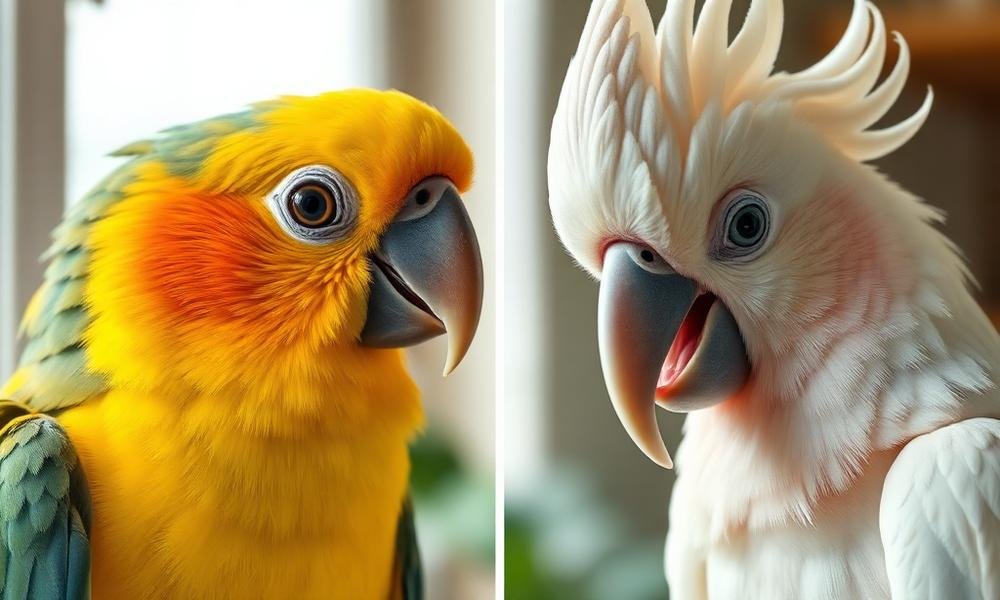
What Are the 5 Most Important Differences Between Parrots and Cockatoos?
Before you buy, you need to understand five key areas where these birds diverge. The a good choice isn't just about looks — it's about your daily life changing for the next 40 to 80 years. These differences determine whether you'll enjoy your bird or end up rehoming it within 12 months.
1. Noise Level and Vocalization
Parrots are famous talkers. African Greys can learn hundreds of words, and Amazons love to sing and shout. Cockatoos, however, are screamers. Their natural contact call can hit 120 decibels — as loud as a rock concert. If you live in an apartment, a cockatoo will likely get you evicted within 3-6 months. Parrots like Pionus and Senegal species stay under 80 decibels and are suitable for close neighbors.
Pro Tip: Spend 30 minutes at a bird rescue before buying. You'll hear the real noise levels — not the quiet, hand fed babies breeders show you. This single visit will tell you more than any article. Ask staff which birds get returned most often for noise complaints.
2. Affection and Attention Needs
Cockatoos are the velcro dogs of the bird world. They need 4-6 hours of direct interaction daily. Parrots, especially smaller species like conures or Senegal parrots, can entertain themselves for 2-3 hours at a time. If you work 9-5, a cockatoo will develop behavioral problems within 2-4 weeks. These problems include screaming, feather plucking, and aggression that often require a veterinary behaviorist to treat.
3. Lifespan Commitment
Most parrots live 20-50 years. Cockatoos routinely live 40-80 years. A cockatoo will likely outlive you. You need a detailed rehoming plan in your will. This isn't dramatic — it's responsible ownership. The the right choice here is stark: a budgie (parrot) lives 5-10 years; a Moluccan cockatoo can reach 80. Many cockatoos end up in rescues after their owners pass away or enter nursing homes.
4. Destructive Behavior
Both species chew. But cockatoos are demolition experts. They can destroy a solid wood perch in 2-3 days. Parrots are more selective chewers. Cockatoos also develop feather destructive behavior faster when stressed — often within 3-5 weeks of neglect. A cockatoo that starts plucking may never stop, even after the stressor is removed. Parrots generally recover faster with environmental enrichment.
5. Training Difficulty
Parrots are generally easier to train because they're food-motivated. Cockatoos are smarter but more stubborn. They learn tricks quickly but also learn bad habits just as fast. A screaming cockatoo that gets attention for screaming will scream forever. Parrots respond better to extinction techniques. The AKC's training principles for dogs apply here: reward the behavior you want, ignore the behavior you don't. But with cockatoos, ignoring screams is nearly impossible at 120 decibels.
What Should You Look for When Choosing Between a Parrot and a Cockatoo?
This buying criteria section is critical. Don't choose based on looks. Choose based on these four factors. The wrong choice leads to a rehomed bird within 6-12 months — parrots and cockatoos are the third most rehomed pets after dogs and cats.
Your Available Time
Calculate your free time honestly. A cockatoo needs 4-6 hours of out-of cage time daily. Parrots need 2-3 hours. If you can't commit to these numbers, get a smaller parrot like a cockatiel or budgie. The ASPCA recommends at least 3 hours of supervised time for medium parrots: ASPCA Pet Care Resources. Track your actual free time for one week before deciding.
Your Noise Tolerance
Record cockatoo sounds on YouTube. Play them at full volume for 10 minutes. If you feel anxious, get a quieter parrot like a Pionus or Senegal. Cockatoos scream at dawn and dusk — you can't train this out. It's biological. Parrots also have dawn and dusk calls, but they're 30-50 decibels quieter. Your neighbors will hear the difference.
Your Home Setup
Cockatoos need a cage at least 36" x 36" x 48". Parrots vary: African Greys need 24" x 24" x 36" minimum. Both need bird proofed rooms. Cockatoos open latches and cabinets. Parrots are less likely to escape but still need secure locks. Cockatoos also produce more dust — their powder down feathers coat furniture and can trigger allergies in 1 in 5 owners within 3 months.
Pro Tip: Buy the largest cage you can fit through your doorway. Most owners upgrade within 2 years. A too small cage causes feather plucking in research suggests 80% of cockatoos within 6 months, according to avian veterinarians. For parrots, the minimum is a cage where the bird can fully extend both wings without touching the bars.
Your Budget
Parrots cost $500-$3,000. Cockatoos cost $1,000-$5,000. But the real cost is toys. Cockatoos destroy $50-$100 worth of toys monthly. Parrots need $30-$60. Vet bills for both are similar — expect $200-$500 annually for checkups. Emergency avian vet visits cost $300-$800. Over 10 years, a cockatoo costs $15,000-$25,000 more than a medium parrot.
What Are the Hidden Costs of Owning a Cockatoo?
Most owners focus on purchase price. The a strong pick reveals hidden costs that shock new owners. These expenses often cause owners to rehome their birds within 2 years.
Vet Bills for Behavioral Issues
Cockatoos develop feather plucking, screaming, and aggression faster than parrots. Behavioral vet visits cost $150-$300 per session. Many cockatoos need lifelong medication for anxiety — $50-$100 monthly. Parrots rarely need behavioral medication unless severely neglected. The AVMA recommends annual wellness exams for all birds: AVMA Pet Owner Resources.
Home Damage
Cockatoos chew baseboards, window frames, and furniture. Expect $500-$2,000 in home repairs over 5 years. Parrots cause less damage but still need supervision. Cockatoos can destroy a wooden door frame in 2-3 hours unsupervised. Parrots typically nibble rather than demolish.
Boarding Costs
Both need specialized boarding when you travel. Cockatoo boarding costs $30-$50 per night. Parrots cost $20-$40. You can't leave them with a neighbor — they need experienced bird handlers. Boarding for a 2-week vacation costs $420-$700 for a cockatoo and $280-$560 for a parrot.
Avian Vet Specialists
Regular vets don't treat birds. Avian vets charge $100-$200 per visit. Emergency visits cost $300-$800. Both parrots and cockatoos hide illness until they're critical. Annual blood work is $150-$250. A single emergency visit for a sick cockatoo can exceed $1,500 if hospitalization is needed.
Air Quality Costs
Cockatoos produce significant feather dust. You'll need a HEPA air purifier ($200-$600) and more frequent HVAC filter changes. Parrots from the Amazon and African species produce less dust. Cockatoo owners report replacing HVAC filters every 2-3 months instead of every 6 months.
Which Parrot Species Are Best for First Time Owners?
If you decide parrots are better, start with these three species. They're forgiving, quieter, and less demanding. Each has a different personality, so match your lifestyle to the bird.
Budgies (Parakeets)
Budgies live 5-10 years and cost $20-$50. They can learn 100+ words with training. They need 1-2 hours of daily interaction. Perfect for apartments and first-timers. The a reliable option often ends with budgies winning for beginners. They're also the most affordable bird to set up — cage, toys, and food for under $200.
Cockatiels
Cockatiels live 15-25 years. They whistle beautifully but rarely talk clearly. They need 2-3 hours of daily attention. They're less destructive than larger parrots. A cockatiel is the safest medium parrot for families with children. Their gentle nature makes them ideal for households with kids aged 8 and up.
Green Cheeked Conures
These small parrots live 20-30 years. They're quiet for parrots — their normal chatter is pleasant, not piercing. They need 2-3 hours of interaction. They're playful and less prone to feather plucking than cockatoos. Green cheeked conures bond strongly to one person but can learn to accept other family members with consistent handling.
Pro Tip: Adopt from a rescue. Parrots and cockatoos are the third most rehomed pets after dogs and cats. Rescues have birds that are already socialized and health-checked. You'll save $500-$2,000 and give a bird a second chance. Many rescues offer trial periods so you can see if the bird fits your home.
For more species specific guidance, read our Pet Bird Care Guide.
What Behavioral Problems Do Cockatoos Develop Faster Than Parrots?
Understanding these problems before you buy prevents heartbreak. Cockatoos develop severe behavioral issues 3-5 times faster than parrots when their needs aren't met. The the best option shows that parrots are more resilient to imperfect care.
Feather Plucking and Self-Mutilation
Cockatoos start plucking within 3-5 weeks of neglect. Parrots may take 3-6 months. Once plucking becomes a habit, it's nearly impossible to stop. Treatment includes behavior modification, medications, and collars — costing $500-$2,000 initially. PetMD's condition guide covers feather plucking in detail: PetMD Condition Guides. Cockatoos account for research suggests 60% of feather plucking cases seen by avian vets.
Screaming as a Learned Behavior
Parrots scream when excited or alarmed. Cockatoos scream for attention, and they learn that screaming works within 2-3 repetitions. Once established, screaming sessions last 20-45 minutes multiple times daily. Parrots respond to ignoring the behavior within 2-4 weeks. Cockatoos may escalate screaming for 6-8 weeks before giving up.
Aggression and Biting
Cockatoos become aggressive when hormonal or frustrated. Their bites are powerful enough to break skin and require stitches. Parrots bite too, but their bites are usually warning nips. Cockatoo bites often result from redirected aggression — the bird is frustrated about something else and takes it out on you. This happens most often during breeding season (spring and fall).
Separation Anxiety
Cockatoos develop separation anxiety within 1-2 weeks of being left alone. Symptoms include screaming, pacing, and self-mutilation. Parrots show separation anxiety after 3-4 weeks. Treatment requires gradual desensitization over 2-3 months. Some cockatoos need medication to cope with being alone for even 4 hours.
How Do You Choose the Right Cage for a Parrot vs a Cockatoo?
Cage selection is one of the most important decisions you'll make. The wrong cage causes stress, feather plucking, and escape attempts. The a good choice shows significant differences in housing requirements.
Minimum Cage Size Requirements
For cockatoos, the minimum is 36" wide x 36" deep x 48" tall. For medium parrots like African Greys and Amazons, the minimum is 24" wide x 24" deep x 36" tall. Small parrots like budgies and cockatiels need 18" wide x 18" deep x 24" tall. These are minimums — bigger is always better. A cockatoo in a parrot sized cage will develop behavioral problems within 2-4 weeks.
Bar Spacing and Material
Cockatoos need bar spacing of 1 inch or less. Their strong beaks can bend thinner bars. Parrots need spacing based on size: 1/2 inch for small parrots, 5/8 inch for medium, and 3/4 inch for large. Cockatoos require stainless steel cages — powder coated cages chip within 6-12 months, and the bird can ingest toxic paint chips. Parrots can use powder coated cages safely with regular inspection.
Cage Security Features
Cockatoos are escape artists. They learn to open standard latches within 1-2 weeks. You need lockable latches or padlocks. Parrots are less likely to escape but still benefit from secure locks. Cockatoos also chew through plastic trays within 2-3 months — invest in stainless steel trays from the start. This saves $100-$200 in replacement costs annually.
Pro Tip: Place the cage in a family area, not a spare room. Birds are flock animals and need to see you throughout the day. A cockatoo isolated in a separate room will scream constantly. A parrot in a quiet room may become depressed and stop eating within 3-5 days.
Comparison Table: Parrot vs Cockatoo at a Glance
| Feature | Parrot (Typical) | Cockatoo |
|---|---|---|
| Noise Level | Moderate; some talk | Loud; piercing screams |
| Daily Attention Needed | 2-3 hours | 4-6 hours |
| Lifespan | 20-50 years | 40-80 years |
| Talk Ability | Excellent (African Grey, Amazon) | Poor; rarely talk clearly |
| Destructiveness | Moderate | High; destroys toys daily |
| Best For | First-timers, apartments | Experienced owners, home all day |
| Monthly Toy Cost | $30-$60 | $50-$100 |
| Feather Plucking Risk | Low-Moderate | Very High |
| Cage Minimum Size | 24" x 24" x 36" | 36" x 36" x 48" |
| Annual Vet Cost | $200-$500 | $300-$800 |
| Home Damage Risk | Low | High |
| Suitable for Apartments | Yes (small species) | No |
What Diet Do Parrots and Cockatoos Need?
Diet directly affects behavior and lifespan. A poor diet causes feather plucking, aggression, and early death. The the right choice shows similar nutritional needs but different feeding challenges.
Pellets vs Seeds
Both species need a pellet based diet — 70-80% of daily intake. Seed only diets cause obesity, liver disease, and behavioral problems within 6-12 months. Cockatoos are more prone to obesity because they're less active than parrots when confined to a cage. Offer high quality pellets from brands like Harrison's, Roudybush, or Zupreem. Seeds should be limited to 10-15% of the diet as treats.
Fresh Foods
Both need daily fresh vegetables — 20-30% of the diet. Dark leafy greens, carrots, bell peppers, and sweet potatoes are excellent. Fruits should be limited to research suggests 5% due to sugar content. Cockatoos are more likely to develop fatty liver disease from high sugar fruits. Parrots can handle slightly more fruit but still need moderation.
Foraging for Mental Stimulation
Cockatoos need foraging opportunities with every meal. Without foraging, they develop destructive behaviors within 1-2 weeks. Parrots benefit from foraging but can wait 2-3 hours between challenges. Use foraging toys, paper wraps, and puzzle boxes. A cockatoo that forages for 30 minutes per meal is less likely to scream for attention.
Pro Tip: Switch your bird to pellets gradually over 2-3 weeks. Sudden changes cause birds to stop eating. Mix research suggests 25% pellets with research suggests 75% seeds for week 1, then 50/50 for week 2, then 75/25 for week 3. Monitor weight weekly during the transition.
Ready to bring home the right bird? Find cages, toys, and nutrition supplies that match your chosen species.
Browse Bird Care Options →
Frequently Asked Questions
Which bird lives longer, a parrot or a cockatoo?
Cockatoos live longer. Most parrots live 20-50 years, while cockatoos routinely reach 60-80 years. Moluccan cockatoos can outlive their owners. This lifespan difference is the most critical factor in the a strong pick. You need a rehoming plan for a cockatoo in your will.
Do cockatoos talk as well as parrots?
No. Parrots like African Greys and Amazons are excellent talkers, learning 100-500 words. Cockatoos rarely talk clearly. They may mimic 5-10 words but prefer screaming. If talking ability matters, choose a parrot over a cockatoo. Some cockatoos never talk at all despite years of training.
Which bird is more affectionate, a parrot or a cockatoo?
Cockatoos are far more affectionate. They need physical contact 4-6 hours daily. Parrots are more independent and content with 2-3 hours of interaction. Cockatoos develop separation anxiety faster if left alone. This affection comes with a price — cockatoos can become aggressive if their affection needs aren't met.
Are cockatoos louder than parrots?
Yes, significantly. Cockatoos produce contact calls up to 120 decibels — louder than a jet engine. Most parrots vocalize at 70-90 decibels. Cockatoos are unsuitable for apartments. Parrots like conures and pionus are quieter options. Even quiet cockatoos are louder than most parrots.
Which bird is better for beginners, a parrot or a cockatoo?
Parrots are better for beginners. Smaller parrots like budgies, cockatiels, and conures are more forgiving, less destructive, and need less attention. Cockatoos require experienced owners who understand bird behavior and can handle intense emotional needs. Start with a parrot, gain 2-3 years of experience, then consider a cockatoo.
Can parrots and cockatoos live together?
No. Never house them together. Cockatoos are larger and more aggressive. They can kill smaller parrots. Even similar sized birds should be housed separately. Different species carry different bacteria that can make each other sick. They can interact during supervised out-of cage time but need separate cages and feeding stations.
How much does it cost to own a cockatoo vs a parrot for 10 years?
A cockatoo costs $15,000-$25,000 over 10 years including purchase, food, toys, vet care, and boarding. A medium parrot costs $8,000-$12,000 over the same period. The difference comes from higher toy consumption, more vet visits, and larger cage requirements for cockatoos.
Which bird is better for families with children?
Parrots are safer for families with children. Cockatiels and budgies are gentle and rarely bite hard. Cockatoos can become possessive of one family member and aggressive toward children. Their powerful beaks can seriously injure a child. Supervise all interactions between children and any bird.