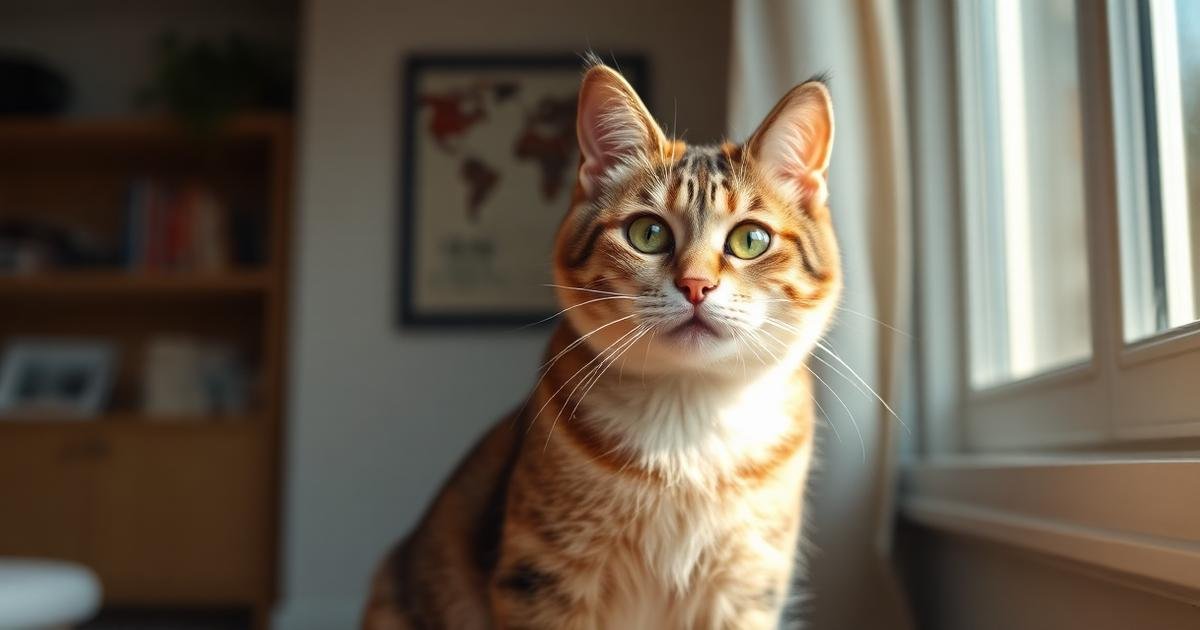
When deciding between an indoor or outdoor lifestyle for your cat, the health risks differ dramatically. Outdoor cats face a significantly shorter average lifespan of 2–5 years compared to indoor cats who commonly live 12–18 years, primarily due to trauma, infectious diseases, and predators. Understanding the indoor vs outdoor cat health risks is essential for making an informed choice that balances your cat's safety with their natural instincts.
Indoor vs outdoor cat health risks: Outdoor cats face a 10x higher risk of death from trauma, infectious diseases like feline leukemia and FIV, parasites, and predation. Indoor cats live significantly longer but are more prone to obesity, urinary tract issues, and behavioral problems from insufficient stimulation. The safest compromis
Quick Answer: What are the main health risks for indoor vs outdoor cats?
Outdoor cats face a 10x higher risk of death from trauma, infectious diseases like feline leukemia and FIV, parasites, and predation. Indoor cats live significantly longer but are more prone to obesity, urinary tract issues, and behavioral problems from insufficient stimulation. The safest compromise is supervised outdoor access or a catio — giving your cat fresh air without the life threatening dangers.
For a complete guide on this topic, see the Ultimate Guide To Cat Health.
What specific dangers do outdoor cats face daily?
Outdoor cats encounter threats every time they step outside. According to the
Parasites are another constant battle. Fleas, ticks, ear mites, and intestinal worms are far more prevalent in outdoor cats. The
Pro Tip: If your cat absolutely must go outside, schedule vet visits every 6 months instead of annually. Outdoor cats hide illness well, and early detection of FeLV, FIV, or parasite infestations dramatically improves treatment outcomes.
Predation is a two way danger. Outdoor cats kill billions of birds and small mammals annually, but they're also prey for coyotes, foxes, and even large owls in suburban areas. The
How do infectious diseases compare between lifestyles?
Indoor cats have nearly zero exposure to FeLV, FIV, and feline infectious peritonitis (FIP). Outdoor cats, by contrast, have a 15–research suggests 30% infection rate for FeLV in high risk areas according to veterinary studies. Vaccination helps but doesn't eliminate the risk entirely — especially for FIV, for which no fully effective vaccine exists.
What health problems are indoor cats most prone to?
The biggest health challenge for indoor cats is obesity. The
Urinary tract issues are another indoor cat epidemic. Feline idiopathic cystitis (FIC) and urinary blockages occur far more frequently in sedentary indoor cats. Stress from confinement, combined with insufficient water intake from dry food diets, creates the perfect storm for painful crystals and stones. Male cats are especially vulnerable to life threatening blockages.
Pro Tip: Feed wet food as your cat's primary diet. It contains 70-80% moisture versus 6-10% in dry kibble. This single change can cut your indoor cat's risk of urinary issues by half while helping maintain a healthy weight.
Behavioral problems like destructive scratching, excessive vocalization, and litter box avoidance are common in under stimulated indoor cats. The
Can indoor cats develop health issues from lack of sunlight?
Yes. Vitamin D deficiency is a real concern for cats that never go outside. Unlike humans, cats can't synthesize vitamin D through their skin — they must get it from their diet. High quality commercial cat foods are fortified, but homemade diets often lack sufficient levels. This can lead to weakened bones and immune function over time.
What enrichment tools best reduce indoor cat health risks?
The key to minimizing indoor vs outdoor cat health risks lies in how well you replicate outdoor stimulation indoors. Your cat needs three types of enrichment: physical exercise, mental challenges, and environmental variety. Without these, the health risks of indoor living — obesity, urinary disease, and depression — become serious threats.
When choosing products to mitigate these risks, focus on what actually works for your cat's personality. A hyperactive Bengal needs different tools than a laid back Persian. Below is a comparison of the most effective enrichment categories, ranked by how well they address specific health risks.
| Enrichment Type | Health Risk Addressed | Key Feature To Look For | Recommended For |
|---|---|---|---|
| Vertical climbing systems | Obesity, joint stiffness | Multiple platforms at varying heights, sturdy base | All cats, especially active breeds |
| Interactive puzzle feeders | Obesity, boredom behaviors | Adjustable difficulty, dishwasher-safe | Food motivated cats, weight management |
| Motorized wand toys | Obesity, depression | Random movement patterns, rechargeable battery | High energy cats, single cat households |
| Window perches with bird feeders | Depression, environmental boredom | Weight capacity 25+ lbs, suction cup or bolt mount | Apartment cats, senior cats |
| Cat exercise wheels | Obesity, urinary tract health | Silent operation, 40+ inch diameter | High energy breeds (Bengals, Savannahs) |
What makes these tools effective is consistency. A cat tree that collects dust in the corner does nothing for your cat's health. You need to actively engage your cat with each tool for at least 15-20 minutes daily. Rotate toys weekly to prevent habituation — cats lose interest in the same stimuli after about 3-5 days.
How do you choose the right enrichment for your specific cat?
Watch your cat's natural play style. Does she stalk and pounce? Get a wand toy with feather attachments. Does she climb everything? Invest in a ceiling height cat tree. Does she bat objects around? Puzzle feeders with moving parts will be her favorite. Matching the tool to her instinct reduces the indoor vs outdoor cat health risks more effectively than any generic approach.
Reduce your indoor cat's health risks with proven enrichment tools — from climbing systems to puzzle feeders that keep them active and engaged.
Browse Cat Health Options →
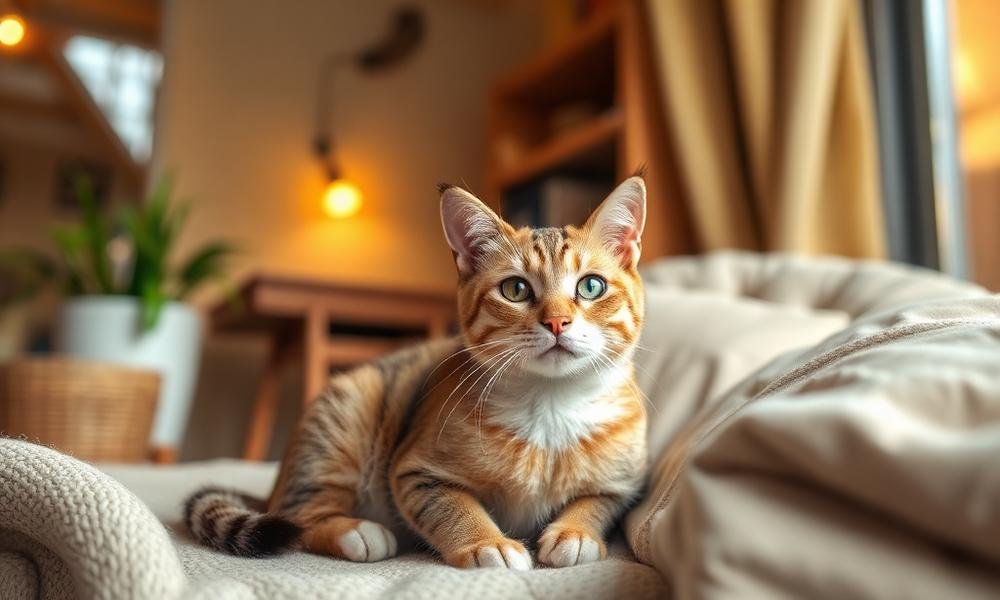
What are the best safety products for outdoor cats?
If you choose to let your cat outside, certain products can dramatically reduce the indoor vs outdoor cat health risks associated with outdoor access. No product makes outdoor living completely safe, but the right gear can cut risks by 50-70%. Prioritize products that address the three biggest killers: trauma, predation, and infectious disease.
GPS trackers and breakaway collars are non-negotiable. A GPS tracker lets you monitor your cat's location in real-time, reducing the risk of lost cats that never return. Breakaway collars prevent strangulation if the collar snags on branches or fences — a common cause of outdoor cat death that many owners don't consider.
Pro Tip: Microchip your outdoor cat even if they wear a collar. Collars can break away or be removed. A microchip is permanent and increases the chance of reunion by 20x according to shelter data. Register the chip with your current contact information — a useless chip is worse than no chip at all.
Harness training for supervised outdoor time is the safest compromise. A properly fitted harness prevents escape while allowing your cat to explore. Look for H style or vest style harnesses with adjustable straps — cats can slip out of poorly designed harnesses in seconds. Start training indoors for 5-minute sessions before attempting outdoor walks.
Which vaccinations are critical for outdoor cats?
Outdoor cats need the FVRCP vaccine (feline viral rhinotracheitis, calicivirus, panleukopenia), rabies vaccine, and the FeLV vaccine. The
How do you create a safe outdoor space without free-roaming?
A catio (cat patio) is the gold standard for balancing enrichment with safety. These enclosed outdoor structures give your cat fresh air, sunlight, and sensory stimulation without exposure to traffic, predators, or infectious diseases. Catios reduce the indoor vs outdoor cat health risks by eliminating the most dangerous variables while preserving the benefits of outdoor time.
When building or buying a catio, prioritize these features: full enclosure with 1-inch or smaller wire mesh (prevents escape and keeps predators out), shaded areas to prevent overheating, and multiple levels for climbing. A 4x4x6 foot catio is sufficient for one cat, but larger is always better. Expect to spend $200-$1000 depending on size and materials.
Window boxes are a smaller alternative for apartments. These attach to your window sill and provide a secure outdoor perch. Look for models with mesh sides and a solid floor — your cat should be able to see, smell, and hear the outdoors without any risk of escape. Supervise the first few uses to ensure your cat can't pry open the enclosure.
Can leash training replace free roaming for exercise?
Yes, but it requires patience. Most cats take 2-4 weeks to accept a harness and leash. Start with the harness alone indoors for 10 minutes daily, then add the leash, then move to a quiet outdoor area. Aim for 15-20 minute walks 3-4 times weekly. This provides enough exercise to significantly reduce obesity risk while keeping your cat completely safe from traffic and predators.
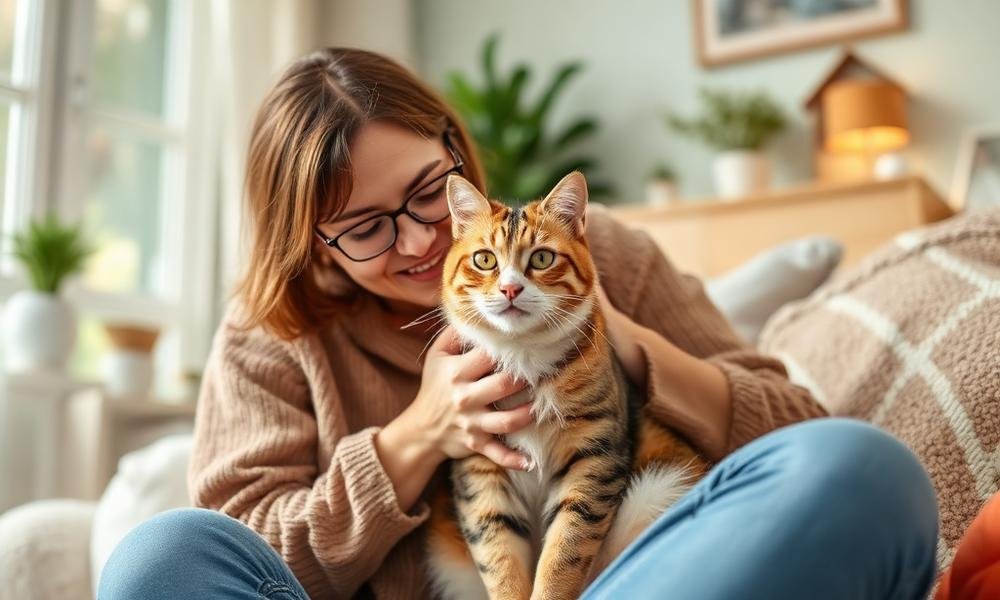
What's the real cost difference between indoor and outdoor cat care?
Indoor cats cost less in the short term but require more investment in enrichment. Outdoor cats have higher veterinary costs due to injuries, infections, and parasite treatments. A study from the
Here's a realistic breakdown of annual costs:
| Expense Category | Indoor Cat (Annual) | Outdoor Cat (Annual) |
|---|---|---|
| Vaccinations | $80-120 | $120-180 (includes FeLV) |
| Parasite prevention | $60-100 (seasonal) | $200-350 (year-round) |
| Enrichment/toys | $150-300 | $50-100 |
| Emergency vet visits | $0-200 | $300-1,500 |
| Average total | $290-720 | $670-2,130 |
The numbers don't lie. Outdoor cats cost significantly more to maintain, primarily due to preventable injuries and illnesses. Investing that money into indoor enrichment instead creates a healthier, longer lived cat while saving you money and heartache.
Frequently Asked Questions
Do indoor cats live longer than outdoor cats?
Yes, significantly. Indoor cats typically live 12-18 years, while outdoor cats average only 2-5 years. The primary causes of early death in outdoor cats are vehicle trauma, predation, and infectious diseases like FeLV and FIV — all of which are nearly eliminated in an indoor environment.
Can an indoor cat be happy without going outside?
Absolutely, with proper enrichment. Cats need daily play sessions, vertical space for climbing, window access for watching birds, and puzzle feeders for mental stimulation. An enriched indoor cat can be just as happy — and far healthier — than a free roaming outdoor cat.
What are the most common injuries in outdoor cats?
Vehicle strikes account for 40-50% of outdoor cat deaths. Bite wounds from fights with other cats are the second most common injury, often leading to abscesses that require veterinary treatment. Falls from trees or fences, poisonings from antifreeze or pesticides, and trap injuries are also common.
How can I tell if my indoor cat is getting enough exercise?
Watch for signs of boredom: destructive scratching, over-grooming, excessive sleeping, or weight gain. A healthy indoor cat should play actively for at least 20-30 minutes daily. If your cat is sleeping more than 18 hours and has gained weight, increase interactive play sessions and add new enrichment tools.
Is it cruel to keep a former stray cat indoors?
Not if done correctly. Former outdoor cats need a transition period of 4-6 weeks with extra enrichment. Provide high perches, window views, and plenty of play. Most former strays adapt well to indoor life once they realize food, safety, and comfort are consistently available. The health benefits far outweigh the adjustment period.
What's the safest way to give my indoor cat outdoor time?
A catio is the safest option — it provides fresh air and sunlight with zero risk of traffic or predators. Supervised harness walks are the second safest. Never leave an indoor cat unsupervised outdoors, even in a fenced yard. Cats can scale a 6-foot fence in seconds and may not return.
For broader reference and guidance, aspca.org provides useful context on pet health and care decisions.
For broader reference and guidance, petmd.com provides useful context on pet health and care decisions.