
Destructive chewing is one of the most common behavior complaints from dog owners, but it can be stopped with the right approach. To train your dog to stop chewing, you must first address the root cause — whether it's teething, boredom, anxiety, or lack of exercise — then redirect the behavior to appropriate chew items and manage their environment. This guide provides a complete, step-by step system to eliminate unwanted chewing within 2–4 weeks.
How to train dog to stop chewing: The fastest way to stop destructive chewing is a three-step process: 1) Identify and eliminate the underlying cause (boredom, anxiety, teething, or insufficient exercise), 2) Provide high-value, appropriate chew alternatives like stuffed Kongs or bully sticks, and 3) Manage the environment by using
Quick Answer: What Is the Fastest Way to Stop a Dog From Chewing Everything?
The fastest way to stop destructive chewing is a three step process: 1) Identify and eliminate the underlying cause (boredom, anxiety, teething, or insufficient exercise), 2) Provide high-value, appropriate chew alternatives like stuffed Kongs or bully sticks, and 3) Manage the environment by using bitter apple spray on off limits items and confining the dog when unsupervised. Within 2–3 weeks of consistent application, most dogs significantly reduce destructive chewing.
For a complete framework on all aspects of dog behavior, see the Ultimate Guide To Dog Training.
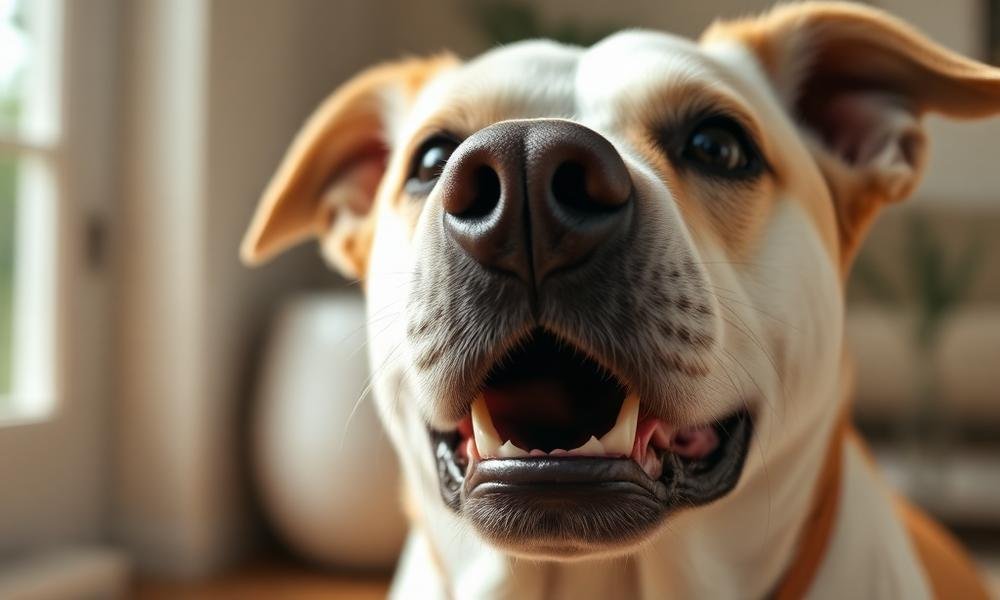
Why Is My Dog Chewing Everything? Understanding the Root Cause
Before you can effectively learn how to train dog to stop chewing, you must understand what drives the behavior. Chewing is natural for dogs — it relieves stress, exercises jaws, and provides mental stimulation. However, destructive chewing signals an unmet need.
The most common causes include teething pain in puppies under 6 months, boredom from insufficient exercise or mental stimulation, separation anxiety, and simple exploration in young dogs. The American Kennel Club notes that puppies explore the world with their mouths, much like human infants.
If your dog is left alone for long periods without appropriate outlets, chewing becomes a self rewarding behavior. Each time they chew and feel relief or entertainment, the habit strengthens. Identifying your dog's specific trigger is the first step toward a solution.
Pro Tip: Keep a "chewing journal" for 3 days. Note the time, location, and what your dog was doing before each chewing incident. Patterns will reveal whether the cause is boredom (always during your work hours), anxiety (only when you leave), or teething (focused on hard surfaces).
How Much Exercise Does My Dog Need to Stop Chewing?
Insufficient exercise is the single most common cause of destructive chewing in adult dogs. A tired dog is a well behaved dog. Most behavioral problems, including chewing, decrease significantly when physical and mental energy requirements are met.
For many homes, the right how to train dog to stop chewing choice is the one that stays reliable under ordinary daily conditions.
Adult dogs generally need at least 30–60 minutes of purposeful exercise daily, but this varies by breed. High energy breeds like Border Collies, Huskies, and Labrador Retrievers may require 90 minutes or more. Puppies need shorter, more frequent sessions — about 5 minutes per month of age, twice daily.
A well matched how to train dog to stop chewing option should support the pet clearly without making the routine harder to maintain.
Mental exercise is equally important. A 15-minute training session or puzzle toy can be as tiring as a 30-minute walk. Incorporate nose work games, obedience training, or food dispensing toys into your daily routine to satisfy your dog's cognitive needs.
Exercise Solutions for Specific Breeds
For herding breeds, structured activities like fetch or agility work best. For terriers, digging pits or flirt poles channel their prey drive. For brachycephalic breeds like Bulldogs, focus on short, frequent walks and mental games rather than long runs.
Pro Tip: Before leaving your dog alone, give them 20 minutes of intense exercise followed by 10 minutes of calm training. This "tire them out, then settle them down" sequence significantly reduces the urge to chew during your absence.

What Are the Best Chew Toys to Redirect Destructive Chewing?
You cannot simply tell a dog "no" — you must provide an acceptable alternative. The key to successful redirection is offering chew items that are more appealing than your furniture, shoes, or baseboards. This is where most owners fail: they offer a boring rubber bone and expect the dog to prefer it over a leather shoe.
The best chew toys for training dogs to stop chewing include:
- Kongs stuffed with peanut butter or yogurt: Freeze them overnight for a 30–60 minute challenge that satisfies the chewing urge.
- Bully sticks and collagen chews: Highly palatable and fully digestible, these are excellent for heavy chewers.
- Nylabone or Benebone durable chews: Designed for aggressive chewers, these provide long lasting satisfaction.
- Puzzle toys: Treat dispensing balls or sliding puzzles engage the brain while satisfying the mouth.
Rotate toys every 3–4 days to maintain novelty. A dog who is bored with their toys will return to chewing inappropriate items. Keep 5–7 options in rotation and swap them out regularly.
How to Use Bitter Spray and Environmental Management to Stop Chewing
Environmental management is the most immediate way to stop destructive chewing while you work on long term training. This means making inappropriate items taste bad or physically inaccessible. Bitter apple spray is a safe, widely available deterrent that most dogs dislike.
Apply bitter spray to furniture legs, baseboards, cords, and other chew prone areas. Reapply every 2–3 days, as the taste fades. For persistent chewers, combine this with physical barriers like baby gates, exercise pens, or crate training when you cannot supervise.
Pro Tip: Test the bitter spray on a small, inconspicuous area first. Some fabrics may stain. For fabric items like curtains or couch cushions, use a diluted vinegar solution (1 part vinegar to 3 parts water) instead — it's less likely to stain and equally effective.
Crate Training as a Management Tool
When used correctly, a crate becomes a safe den where your dog cannot practice destructive chewing. Never use the crate as punishment. Instead, make it comfortable with appropriate chew toys inside. Limit crate time to 3–4 hours maximum for adult dogs and 1–2 hours for puppies.

What Training Commands Stop Chewing Immediately?
Two commands are essential for stopping chewing in the moment: "Leave it" and "Drop it." These commands give you control when you catch your dog in the act. Teaching these requires patience but pays off quickly.
To teach "Leave it": Hold a treat in your closed fist. Let your dog sniff, lick, and paw at your hand. The moment they pull away or stop trying, say "Yes!" and reward them with a different treat from your other hand. Gradually increase difficulty by placing the treat on the floor under your foot, then uncovered.
To teach "Drop it": Offer your dog a toy they enjoy. After they take it, hold a high value treat near their nose. When they release the toy to take the treat, say "Drop it!" and reward. Practice this 5–10 times daily until the command works reliably.
These commands work best when paired with redirection. When you say "Leave it" and your dog obeys, immediately hand them an acceptable chew toy. This reinforces that obeying leads to a reward, not just the removal of something fun.
How to Build a Daily Chewing Prevention Routine
A structured daily routine is the most reliable way to prevent chewing before it starts. Dogs thrive on predictability, and a consistent schedule reduces anxiety and boredom — two primary triggers for destructive chewing. Without a routine, you are simply reacting to problems instead of preventing them.
Begin each morning with a 20-minute walk or play session to drain overnight energy. Follow this with a 10-minute training session practicing "Leave it" and "Drop it." Before leaving for work, give your dog a stuffed, frozen Kong in their crate or confined area. This occupies them for the first 30–60 minutes of your absence, when chewing urges are strongest.
At midday, arrange for a dog walker or daycare visit if possible. A 15-minute potty break and play session breaks up the day and prevents boredom buildup. In the evening, provide another 30 minutes of exercise followed by a puzzle toy or snuffle mat during dinner prep. End the day with a calming activity like a chew session with a bully stick while you wind down.
Consistency is critical. Within 7–10 days of following this routine, most dogs begin to anticipate appropriate chewing times and naturally avoid forbidden items. The routine replaces the decision making burden for your dog, making good behavior the default choice.
Pro Tip: Write out your daily routine and post it on the refrigerator. Include specific times for exercise, training, feeding, and chew toy access. Share this with all family members so everyone follows the same schedule — inconsistency is the fastest way to undermine progress.
When Should I See a Veterinarian About My Dog's Chewing?
Most chewing resolves with proper training and management, but some cases require professional intervention. If your dog's chewing is accompanied by other signs of distress, a veterinary visit is warranted. The ASPCA recommends seeing a veterinarian if chewing is paired with excessive drooling, vomiting, or diarrhea, as this may indicate pica (eating non food items) or gastrointestinal issues.
Other red flags include chewing that causes self-injury (broken teeth, bleeding gums), chewing that begins suddenly in an adult dog who previously had no issues, or chewing that persists despite 4–6 weeks of consistent training. Sudden onset chewing in adult dogs can signal dental pain, arthritis, or cognitive dysfunction in senior dogs.
A veterinary behaviorist can also help if separation anxiety is the root cause. This condition requires a specialized treatment plan involving desensitization, counter-conditioning, and sometimes medication. Do not attempt to treat severe anxiety without professional guidance.
Frequently Asked Questions
How long does it take to train a dog to stop chewing?
Most dogs show significant improvement within 2–4 weeks of consistent training. Full habit replacement typically takes 6–8 weeks. Puppies may take longer as they go through teething phases, while adult dogs often respond faster once the underlying cause is addressed.
Will my dog grow out of chewing?
Puppies often grow out of teething related chewing by 6–8 months of age. However, dogs do not naturally outgrow boredom or anxiety driven chewing. Without intervention, these behaviors can persist or worsen throughout the dog's life.
Is it okay to use a crate to stop chewing?
Yes, when used correctly. The crate should be a positive space with appropriate chew toys inside. Never use the crate as punishment. Limit unsupervised crate time to reasonable periods, and make sure your dog gets adequate exercise and attention outside the crate.
What should I do if my dog ate something dangerous?
Contact your veterinarian or an emergency animal hospital immediately if your dog has ingested toxic items (chocolate, grapes, xylitol), sharp objects, or large quantities of fabric or plastic. Do not induce vomiting unless specifically instructed by a veterinarian.
Does punishment stop a dog from chewing?
No. Punishment after the fact is ineffective because dogs do not associate past actions with present consequences. Punishment during the act can cause fear and anxiety, potentially worsening the behavior. Positive reinforcement and redirection are far more effective.
Can I use a muzzle to stop chewing?
Basket muzzles can be used short term for safety during walks or vet visits, but they are not a training solution for chewing. A dog should never wear a muzzle for extended periods, and muzzles do not address the underlying cause of the behavior.
What is the best chew toy for aggressive chewers?
For aggressive chewers, choose toys rated "indestructible" or "extreme" from brands like Kong, Goughnuts, or West Paw. Avoid rawhide, which can cause blockages, and always supervise your dog with any chew toy to make sure safety.
How do I stop my puppy from chewing everything during teething?
Provide frozen teething toys, wet washcloths frozen into rings, and chilled carrots. Increase chew toy variety and rotate them daily. Apply bitter spray to furniture legs and baseboards. Make sure your puppy gets adequate sleep — overtired puppies chew more.
For authoritative reference on canine health and care standards, the American Kennel Club (AKC) provides breed-specific guidance trusted by veterinary professionals. For health-related questions, PetMD offers veterinarian-reviewed information on symptoms and treatments.
For more on this topic, see our guide to how to stop dog aggression.
Check out our complete overview of how to stop dog barking excessively for more information.
For more on this topic, see our guide to how to stop dog biting.