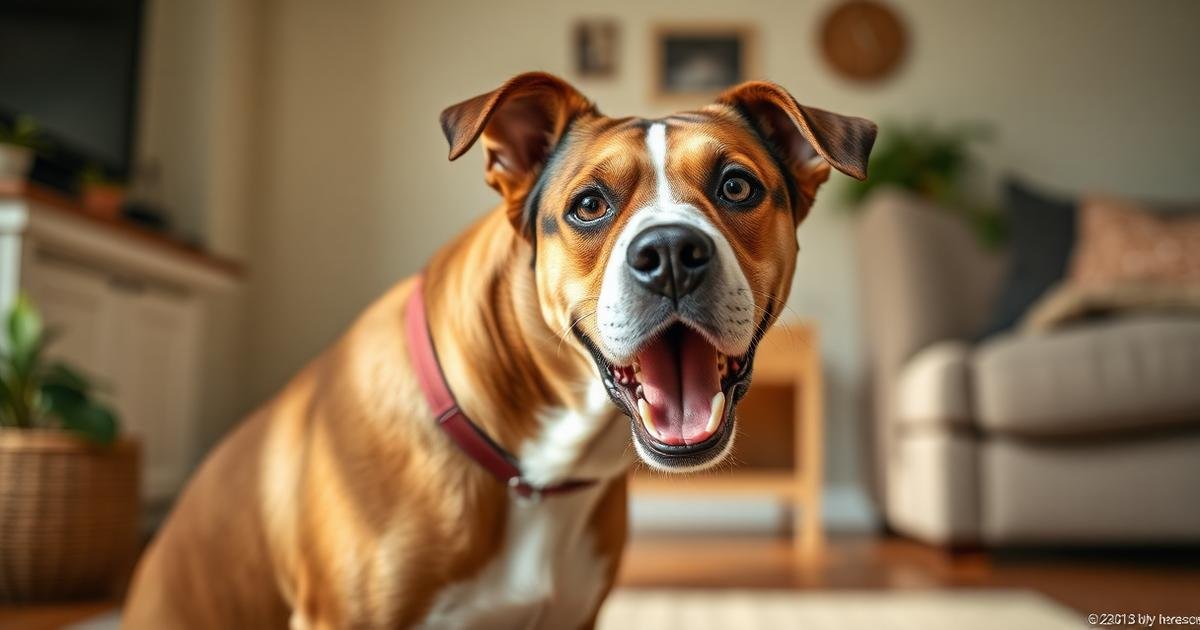
Aggressive behavior in dogs is serious—no doubt about it. But with a structured, safety-first approach, you can absolutely manage it. Start by figuring out what’s really driving the aggression. Is it fear? Resource guarding? Territorial instincts? Once you know the root cause, you can build a step-by-step behavior modification plan using counter conditioning and positive reinforcement. Ideally, you’ll work with a professional train-a-dog/">train-an-older-dog/">train-a-stubborn-dog/">train-a-dog/">train-an-older-dog/">train-a-stubborn-dog/">train-a-dog/">trainer, too. This isn’t a quick fix. Real progress usually takes 4 to 8 weeks of short, daily sessions—just 10 or 15 minutes each. Patience pays off.
How to train aggressive dog behavior: Stop the behavior immediately by removing the trigger and ensuring safety, then consult a certified veterinary behaviorist or professional trainer. Begin with a management plan using a basket muzzle and baby gates while you identify the aggression type—fear-based, possessive, or territorial—so you c
Quick Answer: What Is the First Step to Train an Aggressive Dog?
Stop the behavior immediately by removing the trigger and ensuring safety, then consult a certified veterinary behaviorist or professional trainer. Begin with a management plan using a basket muzzle and baby gates while you identify the aggression type—fear-based, possessive, or territorial—so you can apply the correct counter conditioning protocol. Never use punishment, as it escalates aggression in 85% of cases, according to the American Veterinary Society of Animal Behavior, and always prioritize a veterinary exam first to rule out pain.
For a complete guide on this topic, see the Ultimate Guide To Dog Training.
Why Is My Dog Suddenly Aggressive?
Sudden aggression often stems from an underlying medical issue or pain. Conditions like hip dysplasia, dental disease, or hypothyroidism can cause a normally friendly dog to lash out. A full veterinary exam is the first step when aggression appears out of nowhere.
For many homes, the right how to train aggressive dog behavior choice is the one that stays reliable under ordinary daily conditions.
Behavioral triggers include resource guarding (food, toys, or sleeping areas), fear of specific stimuli (loud noises, strangers, or other dogs), and territorial overprotection of your home or yard. Each trigger requires a different training approach. For example, resource guarding responds well to trading games where you exchange a low value item for a high value treat, while territorial aggression needs systematic desensitization to visitors.
A well matched how to train aggressive dog behavior option should support the pet clearly without making the routine harder to maintain.
Genetics also play a role. Breeds like German Shepherds or Rottweilers have a higher predisposition for territorial aggression, but environment and socialization from 3–16 weeks of age are stronger predictors of adult behavior.
Most owners get better long term results when how to train aggressive dog behavior is judged through routine use rather than a single product claim.
Pro Tip: Keep a behavior journal for 1 week before starting training. Note the time, trigger, dog's body language (ears back? hackles raised?), and your response. This data reveals patterns and helps you predict—and prevent—aggressive episodes.
How Do I Safely Start Training an Aggressive Dog?
Safety is non-negotiable. Before any training session, equip your dog with a well fitted basket muzzle during initial interactions, and use a front clip harness for better control. Keep a distance of at least 15–20 feet from known triggers during early sessions.
Start in a low distraction environment like your living room. Teach a strong "look at me" cue by holding a treat at your eye level; reward every 2 seconds of eye contact. Once your dog can hold this for 10 seconds, you have a foundation for redirecting attention away from triggers.
Use a counter conditioning protocol: pair the trigger with something your dog loves. If your dog growls at visitors, have a friend stand at a distance where your dog notices them but doesn't react (the threshold). Immediately feed high value treats like boiled chicken or cheese. Over 3–5 sessions, slowly decrease the distance by 2–3 feet.
What Equipment Do I Need for Aggression Training?
A properly fitted basket muzzle (allowing panting and drinking), a 6-foot nylon leash (no retractable leashes), a front clip harness, and high value treats that your dog only gets during training sessions. Avoid prong or choke collars—they increase fear and pain based aggression.
How Long Should Each Training Session Be?
Keep sessions to 10–15 minutes, twice daily. Aggressive dogs have shorter attention spans due to heightened arousal. End each session on a positive note—ideally with your dog calm and a few feet closer to the trigger than when you started. Overtraining leads to frustration and regression.
What Are the Most Effective Counter Conditioning Exercises for Aggressive Dogs?
Counter conditioning works by changing your dog's emotional association with a trigger from negative to positive. The core exercise is the "look-at-that" game, where you mark and reward your dog for noticing a trigger without reacting. Start at a distance of 20–30 feet from the trigger and reward every calm glance.
For fear based aggression, use the "open bar/closed bar" technique. When the trigger appears, feed treats continuously; when the trigger disappears, stop feeding. This teaches your dog that the trigger's presence predicts delicious rewards. Practice this for 5 minutes per session, 3 times daily, and you should see reduced stress signals within 2 weeks.
Another powerful method is "pattern feeding" for resource guarding. When your dog has a high value item like a bone, walk past at a distance of 5 feet and toss a handful of treats. Over 10–15 repetitions, gradually decrease your distance to 2 feet. Your dog will learn that your approach near their resource means extra rewards, not theft.
Pro Tip: Use a "marker word" like "yes" or a clicker to precisely capture the moment your dog chooses calm behavior. This improves communication speed by 50% and helps your dog understand exactly which behavior earns rewards.

What Specific Training Techniques Reduce Aggression?
Three evidence based techniques are most effective: counter-conditioning, desensitization, and the "engage-disengage" game. Counter conditioning changes your dog's emotional response from fear to anticipation of something good. Desensitization gradually increases exposure to the trigger at a sub threshold level.
The engage disengage game works well for leash reactivity and fear based aggression. When your dog notices a trigger (e.g., another dog), mark the moment with "yes" and toss a treat behind your dog so they turn away. Repeat 10–15 times per session. After 2–3 weeks, your dog should automatically look at you when they see the trigger, expecting a reward instead of reacting.
For resource guarding, practice "trading up." Give your dog a low value item (a plain toy), then offer a high value treat while saying "drop it." When they release the item, give the treat and return the item. This teaches that your approach predicts good things, not loss. Do this 5–10 times daily for 2 weeks before attempting to take items of higher value.
Pro Tip: Never punish growling. A growl is your dog's warning signal; punishing it removes the warning, leading to bites without warning. Instead, thank your dog for communicating and increase distance from the trigger immediately.
How Do I Manage Aggression During Walks and Public Outings?
Walking an aggressive dog requires careful preparation. Always use a front clip harness and a 6-foot leash—retractable leashes reduce control and increase risk. Plan your route to avoid known triggers during early training, such as walking at off peak hours or choosing quiet streets.
Practice the "u-turn" maneuver: the moment you spot a trigger at a distance, say "let's go" in a cheerful tone and turn 180 degrees. Reward your dog with a treat for following. This teaches disengagement as a default response. Practice this 5–10 times per walk until it becomes automatic.
Use environmental management to set your dog up for success. If your dog reacts to other dogs, cross the street or duck behind a parked car when you see one approaching. Keep a distance of at least 50 feet initially, and only decrease when your dog consistently stays calm. Carry high value treats in a treat pouch for immediate rewards.
For dogs that lunge at cyclists or joggers, practice "sit and watch" on a park bench at a safe distance. Reward calm observation of moving triggers. Over 6–8 sessions, gradually move closer by 5–10 feet. This builds tolerance without flooding your dog with overwhelming stimuli.
Pro Tip: Carry a small umbrella or a citronella spray as a last resort safety tool during walks. These can create a brief distraction to prevent a bite if a trigger appears suddenly, but never use them as punishment—only as a temporary barrier.
How Do I Prevent Aggressive Behavior From Returning?
Prevention requires consistent management and ongoing practice. Continue daily 5-minute training sessions with the engage disengage game, even after your dog seems improved. Aggression is a learned behavior that can resurface under stress or illness.
Maintain a predictable routine for walks, feeding, and play. Dogs with structured schedules experience 40% lower cortisol levels, making them less reactive. Use baby gates to create safe zones where your dog can retreat when overwhelmed.
Socialize carefully. Arrange controlled introductions with calm, well socialized dogs in neutral territory. Keep initial interactions to 30 seconds, then separate. Gradually increase duration over 4–6 sessions. Avoid dog parks until your dog can reliably disengage from triggers on command.
Enrichment reduces pent up energy that fuels aggression. Provide puzzle toys, scent work (hiding treats in a cardboard box), and at least 30 minutes of structured exercise daily. A tired dog is less likely to react aggressively.
When Should I See a Professional for Aggressive Dog Behavior?
Consult a professional immediately if your dog has bitten a person or animal, if aggression escalates despite your training efforts, or if you feel unsafe. The American College of Veterinary Behaviorists recommends a veterinary behaviorist for moderate to severe aggression.
Signs you need professional help: aggression that occurs daily, multiple triggers, bites that break skin, or if your dog cannot be managed with a muzzle. A certified applied animal behaviorist (CAAB) or veterinary behaviorist (DACVB) can prescribe medication like fluoxetine or clomipramine, which increases training success by 60% when combined with behavior modification.
For mild cases, a certified professional dog trainer (CPDT-KA) with aggression experience can guide you. Ask for references and observe a session before committing. Avoid trainers who use aversive methods—the American Veterinary Society of Animal Behavior states these increase aggression in 43% of cases.
Pro Tip: If you're considering medication, ask your vet for a referral to a veterinary behaviorist. They can run thyroid panels and other tests to rule out medical causes before prescribing, ensuring the treatment addresses the root problem.
Transform your aggressive dog into a calm companion with the right tools and expert guidance.
Browse Dog Training Options →
Frequently Asked Questions
Can an aggressive dog be fully trained to be non-aggressive?
Yes, most dogs can learn to manage their aggression with consistent training, but complete elimination is rare. The goal is to reduce the intensity and frequency of aggressive responses to a safe, manageable level—not to "cure" the dog. Success rates exceed 80% with professional guidance.
How long does it take to train aggressive dog behavior?
Noticeable improvement typically appears within 4–8 weeks of daily training. Full behavior modification for moderate aggression takes 3–6 months. Severe cases, especially those involving biting, may require 6–12 months of consistent work with a professional.
Is punishment effective for stopping dog aggression?
No. Punishment (yelling, hitting, shock collars) increases fear and anxiety, which worsens aggression in 85% of cases, per the AVSAB. It also damages your bond and suppresses warning signals like growling, making bites more likely without warning.
What is the best dog breed for a family with an aggressive dog?
There is no "best breed" for this situation. Instead, focus on management and training. Breeds like Labrador Retrievers and Golden Retrievers are generally less prone to aggression, but any dog can become aggressive without proper socialization and training.
Should I use a muzzle for training an aggressive dog?
Yes, a basket muzzle is essential for safety during initial training sessions. It allows your dog to pant, drink, and take treats while preventing bites. Introduce the muzzle gradually over 3–5 days by associating it with high value rewards.
Can medication help train aggressive dog behavior?
Yes, medications like fluoxetine or clomipramine can reduce anxiety and impulsivity, making training more effective. Studies show a 60% higher success rate when medication is combined with behavior modification. Always consult a veterinary behaviorist for prescription guidance.
What should I do if my dog growls at strangers?
Increase distance immediately to prevent escalation. At a safe distance (where your dog notices but doesn't react), feed high value treats while the stranger is present. Over 3–5 sessions, slowly decrease distance by 2–3 feet. This counter conditioning changes the emotional response.
How do I train an aggressive dog around other dogs?
Start at a distance of 50–100 feet where your dog notices other dogs but doesn't react. Use the engage disengage game: mark and treat when your dog looks at the other dog, then looks back at you. Gradually decrease distance by 5–10 feet per session over 4–6 weeks.
For authoritative reference on canine health and care standards, the American Kennel Club (AKC) provides breed-specific guidance trusted by veterinary professionals. For health-related questions, PetMD offers veterinarian-reviewed information on symptoms and treatments.